Stupa India
Best for
History Buffs, Spiritual Travelers
Duration
6 Nights / 7 Days
Season
October–March
Difficulty
Easy
Vibe
Heritage, Culture
Stupa India
6 Nights / 7 Days, 4 cities, From ₹37,400
per person, twin sharing
A Tibro Journey
Six nights through the heart of Madhya Pradesh. The Afghan ruins at Mandu, the Mahakaleshwar at Ujjain, Sanchi's great stupa, and the rock-shelter paintings at Bhimbetka that predate everything else by ten thousand years.
Best of Madhya Pradesh (6 Nights). Winters 25-26 is a heritage journey through Indore, Mandu, Bhopal, Ujjain. 6 nights / 7 days that moves through Indore, Mandu, Bhopal with private transport, hand-selected hotels, and a dedicated Tibro travel designer at every step.
Signature Moments
Three Mornings You'll Remember
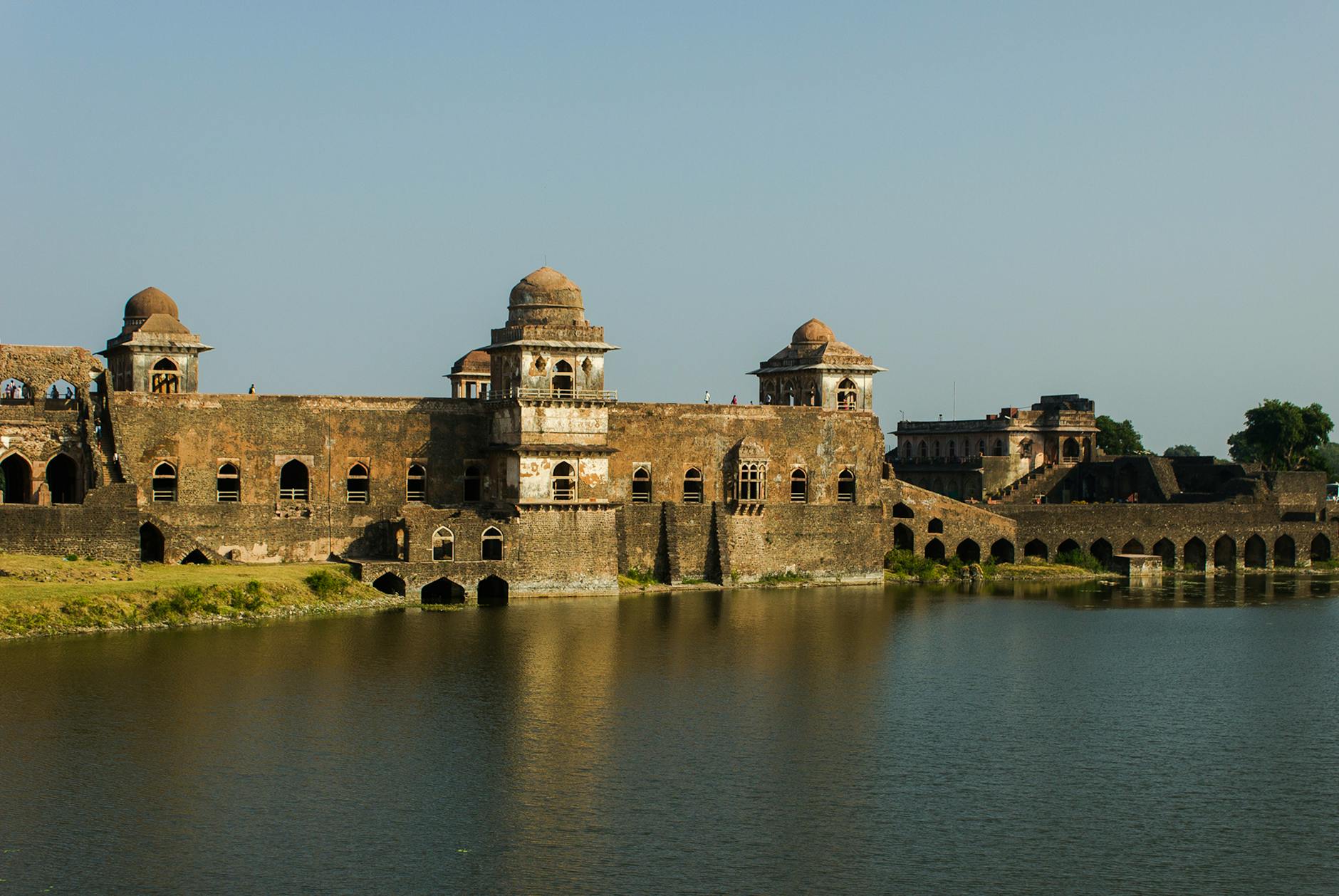
No. 01
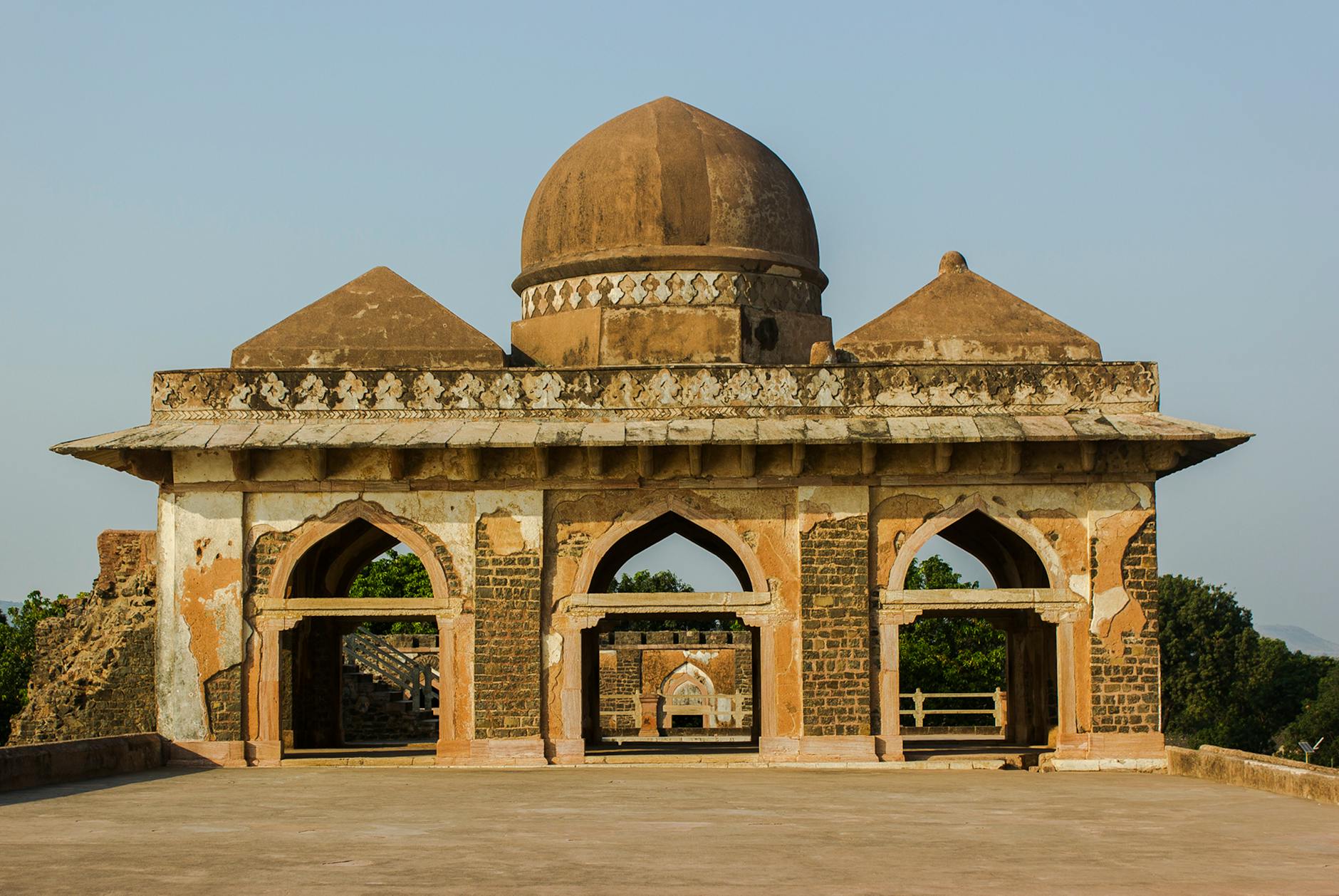
Mandu Jahaz Mahal
The 15th-century Ship Palace floating between two lakes.
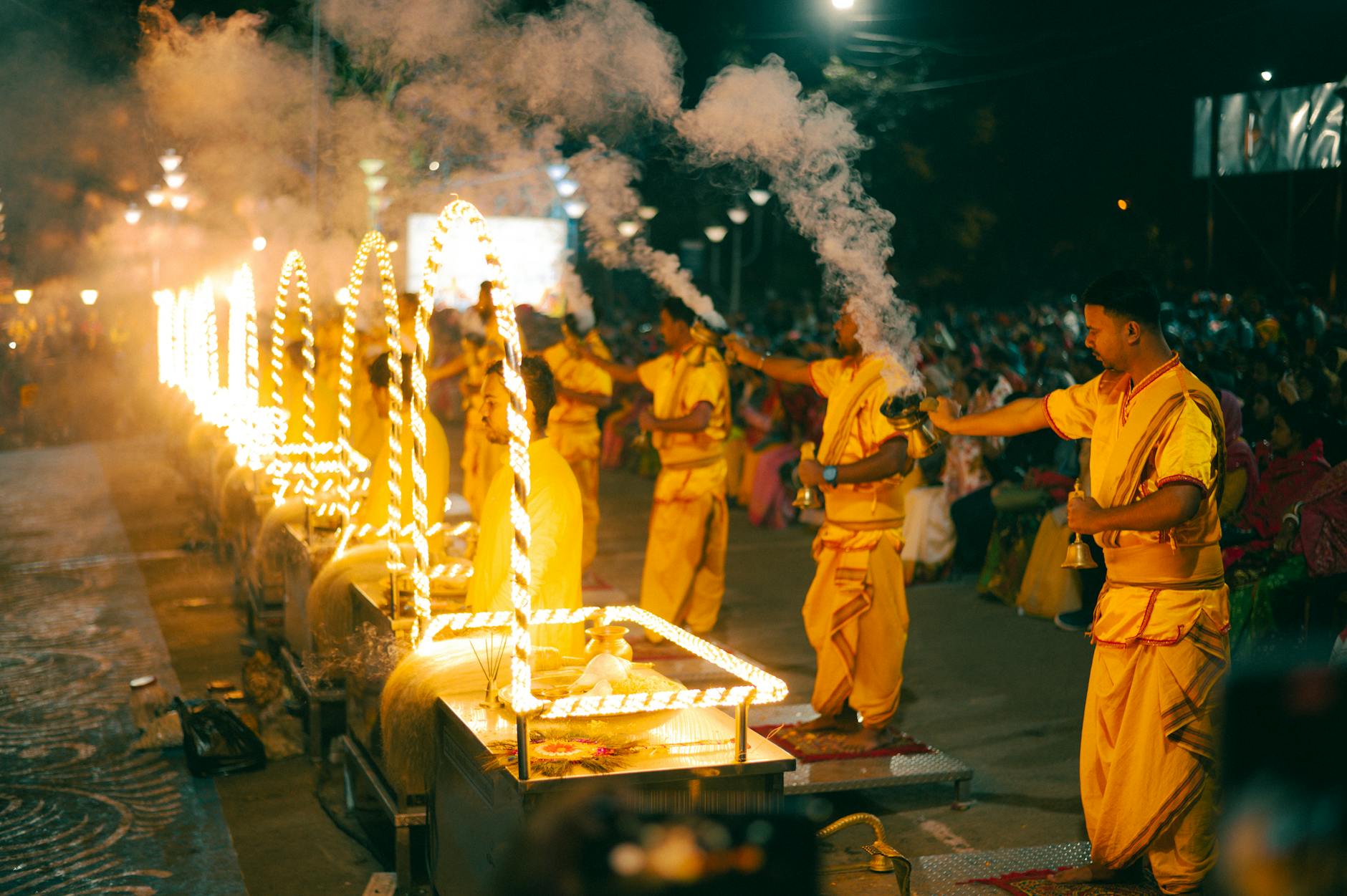
No. 02
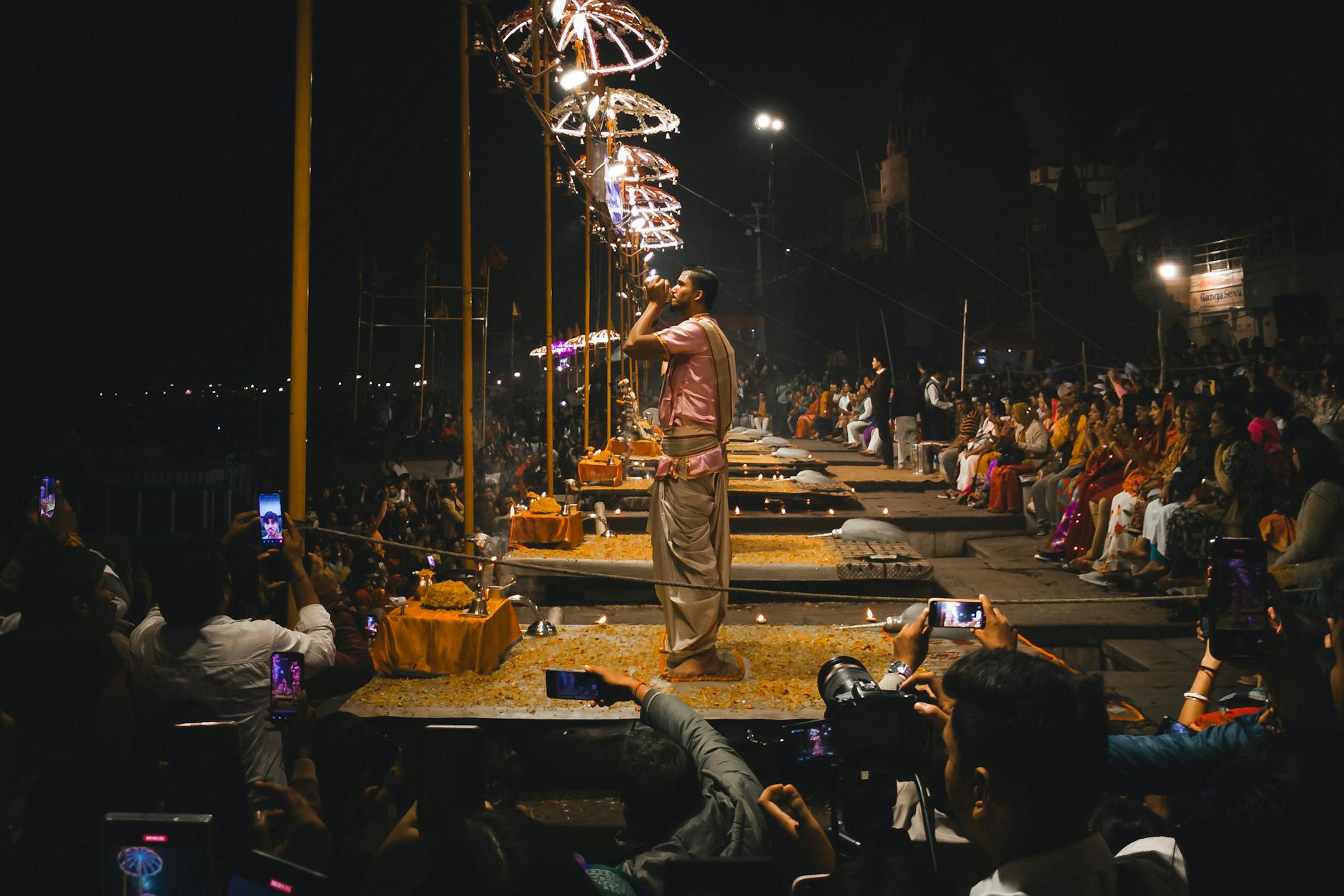
Mahakaleshwar Bhasma Aarti
The predawn ceremony of one of India's holiest Shiva temples.
No. 03
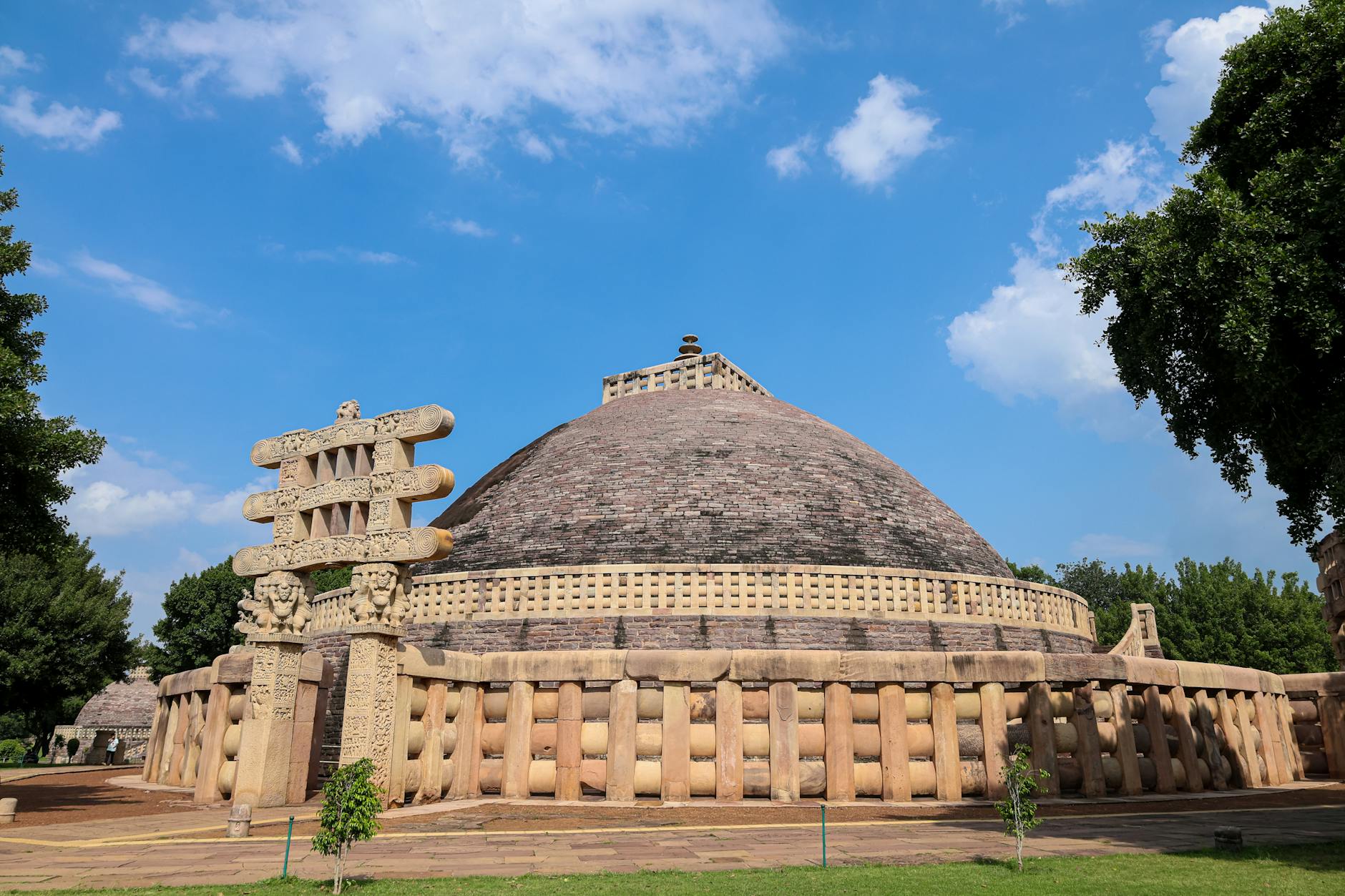
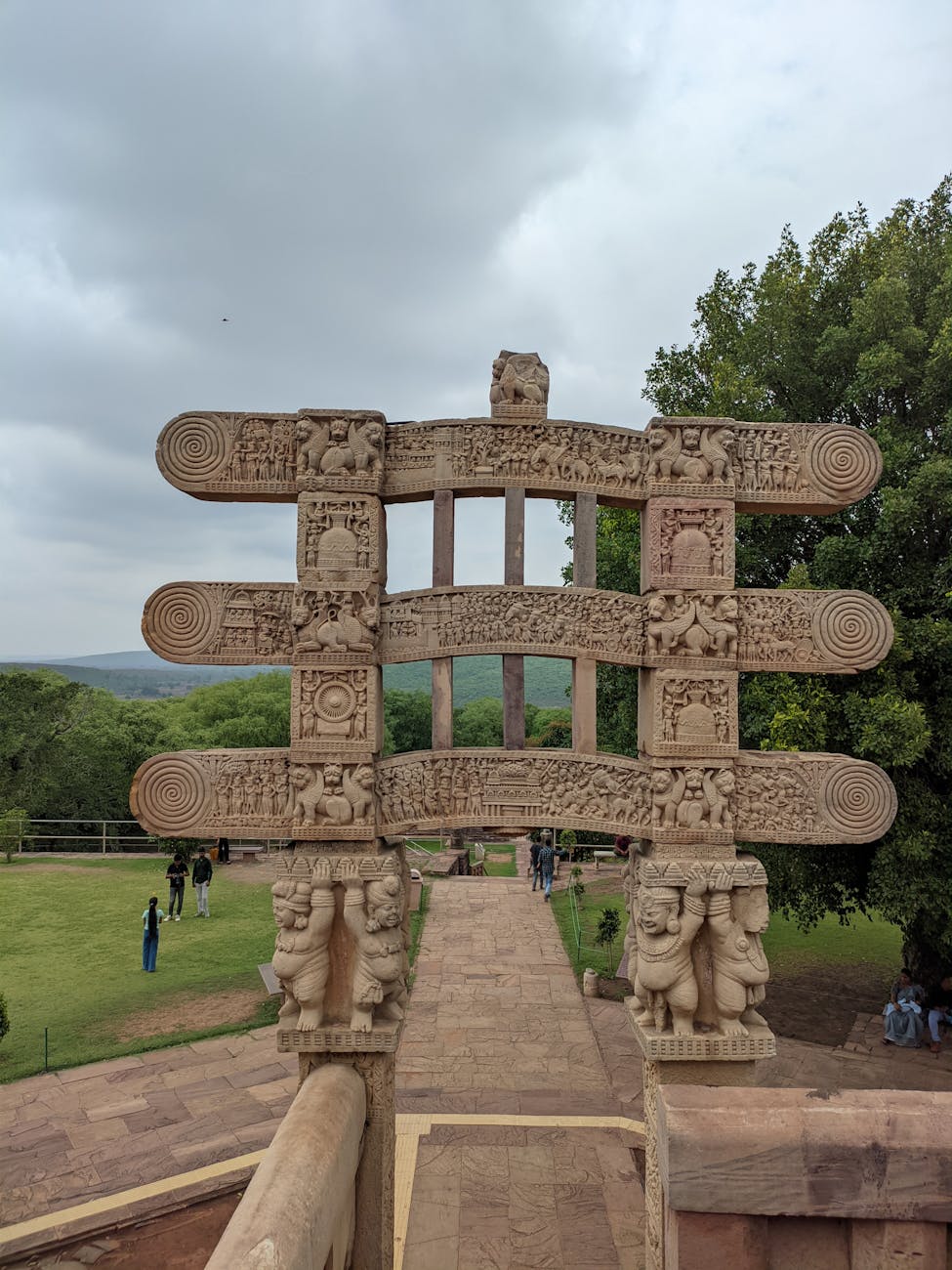
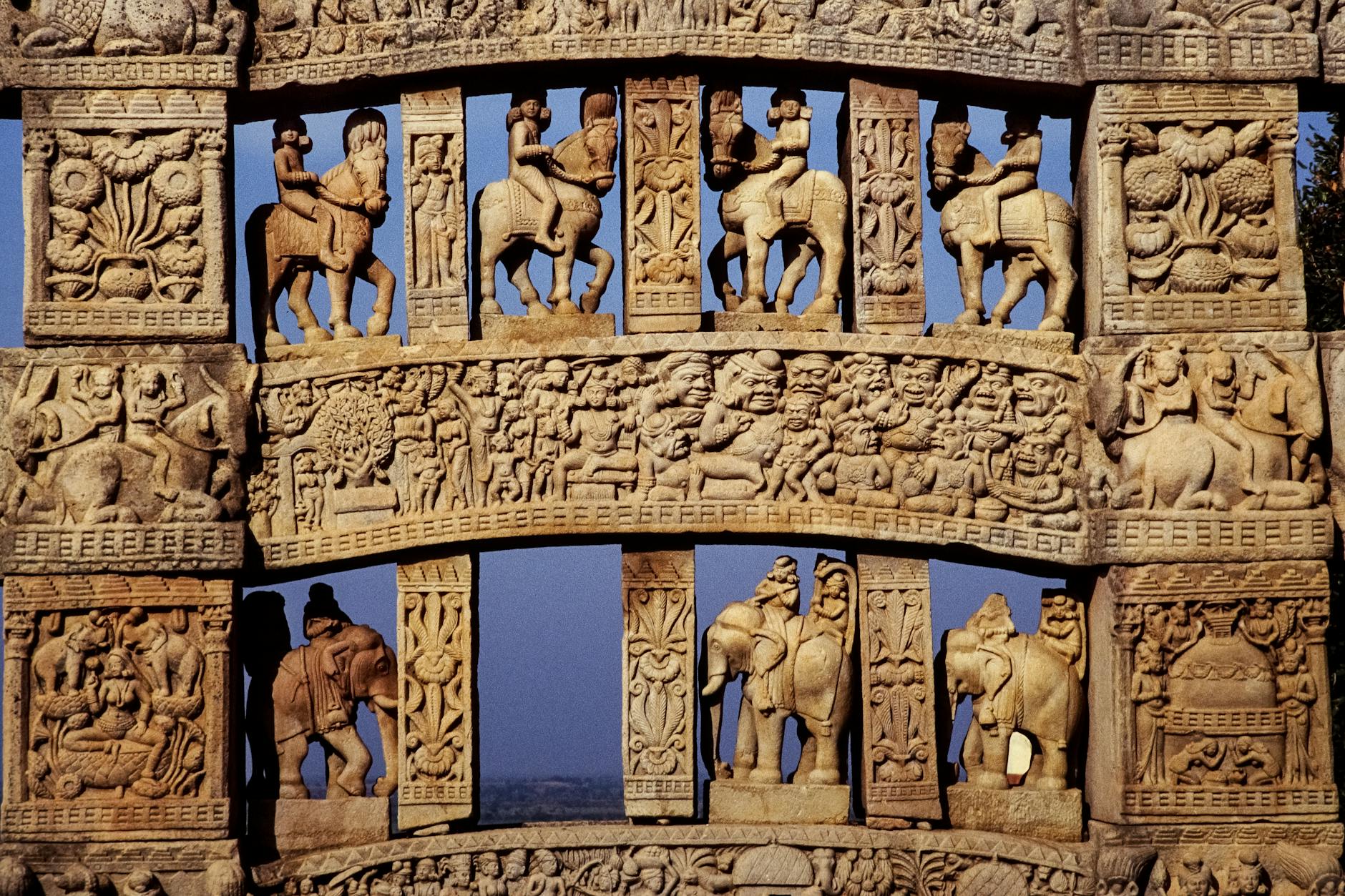
Sanchi Stupa
The oldest stone structure in India. Emperor Ashoka's gift to Buddhism.
No. 01
Mandu Jahaz Mahal
The 15th-century Ship Palace floating between two lakes.
No. 02
Mahakaleshwar Bhasma Aarti
The predawn ceremony of one of India's holiest Shiva temples.
No. 03
Sanchi Stupa
The oldest stone structure in India. Emperor Ashoka's gift to Buddhism.
Day by Day
6 Nights / 7 Days, in order
Day 1
Arrival in Indore, & City Tour
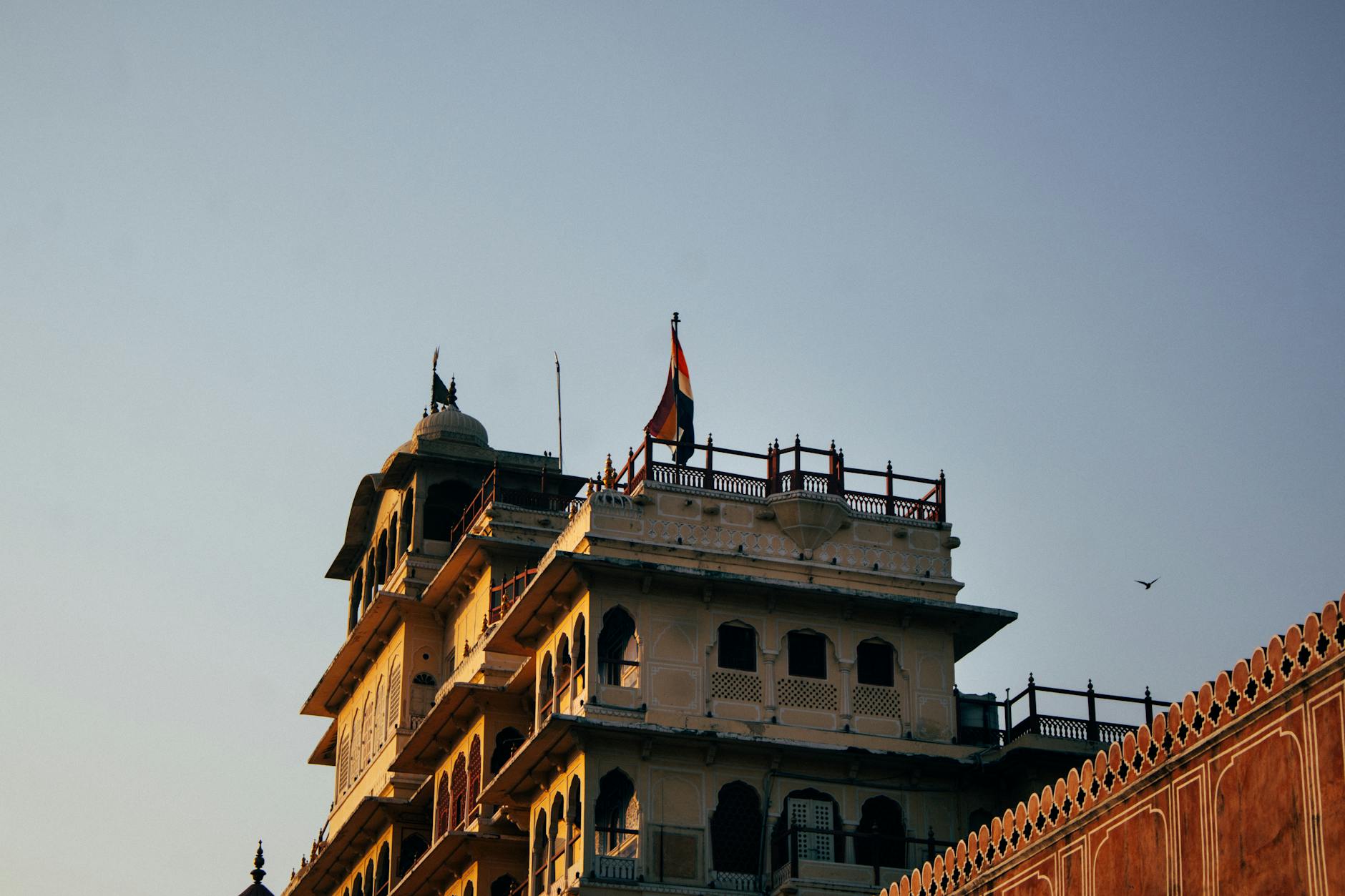
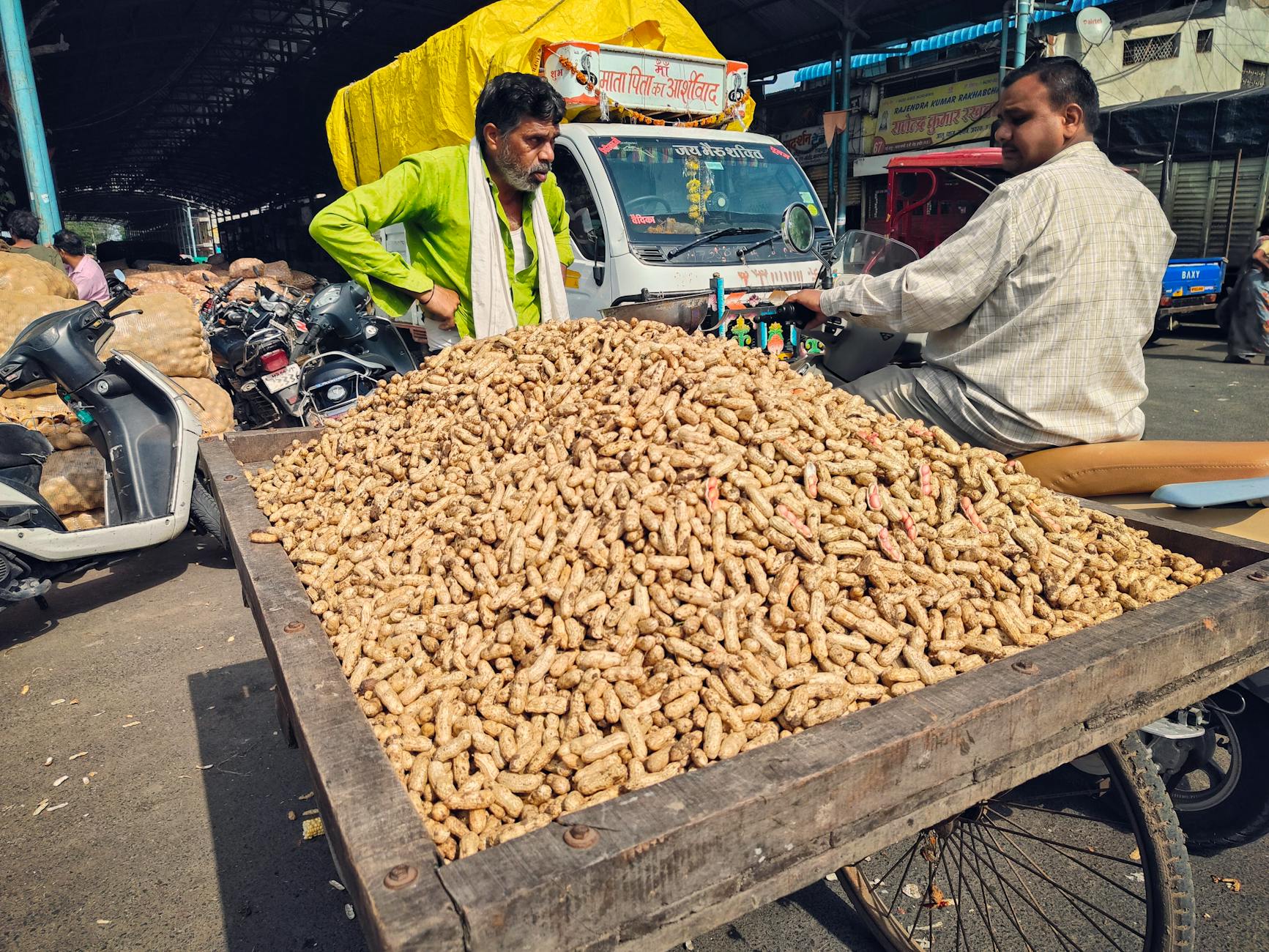
Airport Pickup and transfer to hotel for Check-in. Indore, the largest city in central India, the cleanest city in the country, and the commercial capital of Madhya Pradesh has many tags. Indore with an interesting past and a fascinating present, dates to the times of the Mughals and is a melting pot of trade, commerce, education, history, nature, culture, and cuisine. Arguably the home to best street foods in the country. Later start your sightseeing tour of Indore. Lal Bagh Palace has European architectural influences, and spreads over 28 acres, with gates designed like that of London’s Buckingham Palace and the ceilings painted with nymphs and angels, flowers and creepers. Gandhi Hall (Earlier known as the Town Hall) was renamed after Gandhi’s assassination in 1948. Constructed in Indo-Gothic style, the imposing red building with onion domes, arched windows, and tall turrets also houses a clock tower, Ghanta Ghar. Rajwada Palace, a 18th-century masterpiece also popular as the Holkar Palace, is an interesting melange of Rajputana and Maratha architectural styles. The seven-storeyed building, built by Malhar Rao Holkar, the founder of Holkar Dynasty, remained his residence until 1880 and is now a museum and monument of great significance. Having survived three massive fires, the building still stands strong with gilded columns, wooden doors, and arched balconies that run along with the central courtyard. Chhatri Bagh is a congregation of the royal cenotaphs of Indore. Surrounded by lush lawns, the cenotaphs are adorned with exquisite carvings and connected by a prayer hall with life-sized statues of the rulers. Kanch Mandir, a spectacular Jain temple made of glass and mirrors in the 20th century at the behest of a wealthy businessman called Seth Hukum Chand.
Day 2
Full Day Excursion to Mandu & Maheshwar
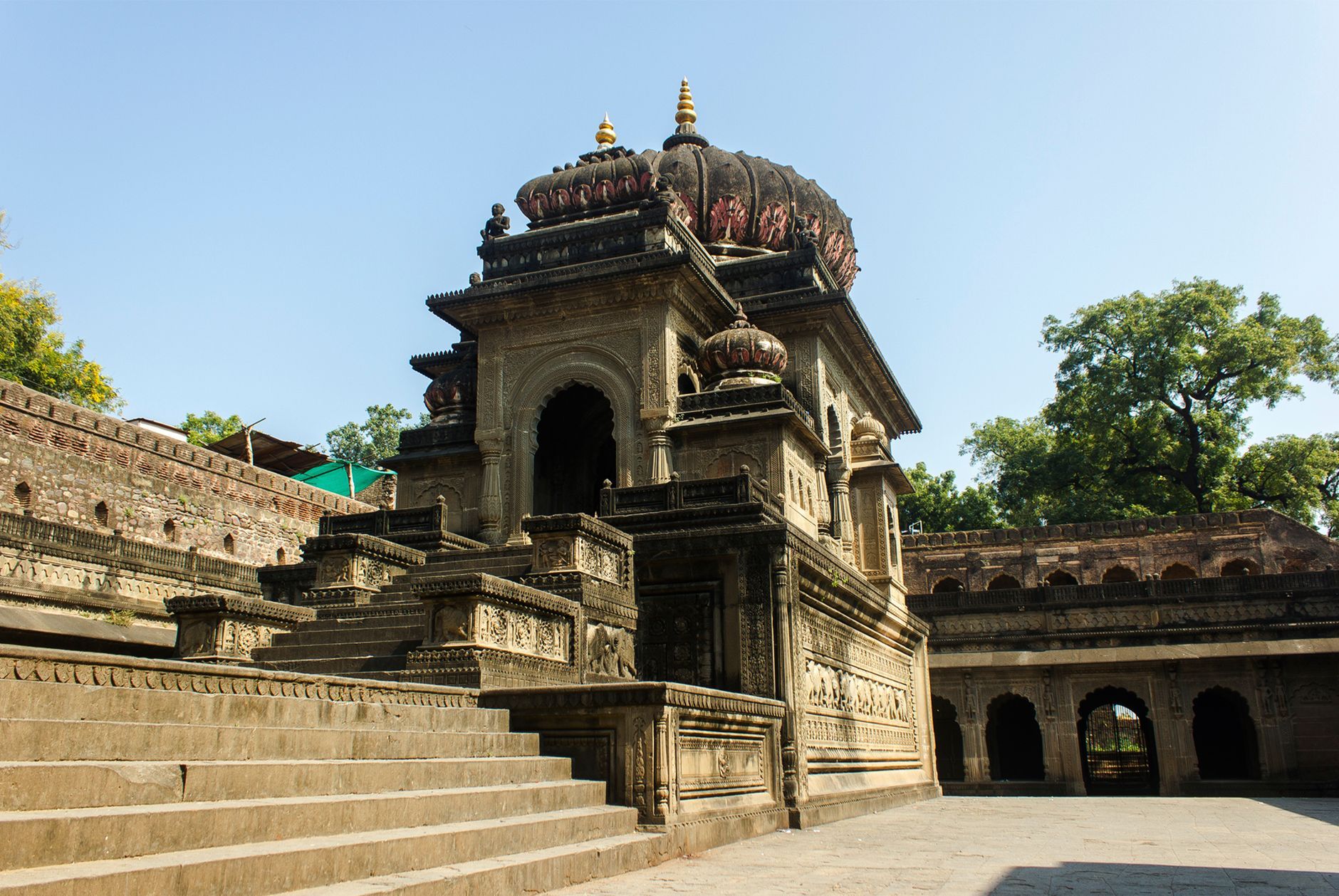
After breakfast proceed for excursion to Mandu and then Maheshwar. By late evening back to hotel in Indore & overnight stay. Mandu is awash with amazing architecture and a rich tapestry of history. Existing since at least the sixth century, it came into its own in the tenth and 11th centuries, becoming the capital of the Parmara rulers. Today one of the most beautiful tourist places in Madhya Pradesh. The most stunning and intriguing of all the monuments in Mandu is the Jahaz Mahal, a palace built to resemble a ship! Built between two lakes, it’s especially beautiful during and after the monsoon when the lakes are filled with rainwater and the ancient stone structure dating back to the 15th century casts a serene reflection. Other places filled with echoes of history and romance are Rani Roopmati’s Pavilion, Baz Bahadur’s Palace, Ashrafi Mahal, the Hindola Mahal with its sloping walls, and mysterious ruins like the merchant-chieftain Gada Shah’s palace and ‘shop’. The Jami Masjid, said to have been inspired by the architecture of the mosque in Damascus, is also worth seeing. Maheshwar Often described as the Benares of Central India given its similarities. The ghats, temples, and its famous Maheshwari saris. It is much calmer, cleaner, and more distinctive. Maheshwar has its story weaved in royalty, traditional handloom works, and conscious practices. A hidden gem for conscious travellers, famous for its handlooms, royal heritage and languid pace of life. Ahilyabai Holkar, who moved her capital here from the city of Indore in the year 1767. To be closer to River Narmada. And forever changed its landscape. She supported weavers who were already part of the town, using their products as gifts for royalty. Hence, there are temples and stores named after her, and people pray to a life-size statue of her at the entrance of the fort.
Day 3
Half Day Excursion to Omkareshwar. in Evening Visit Indore’S Famous
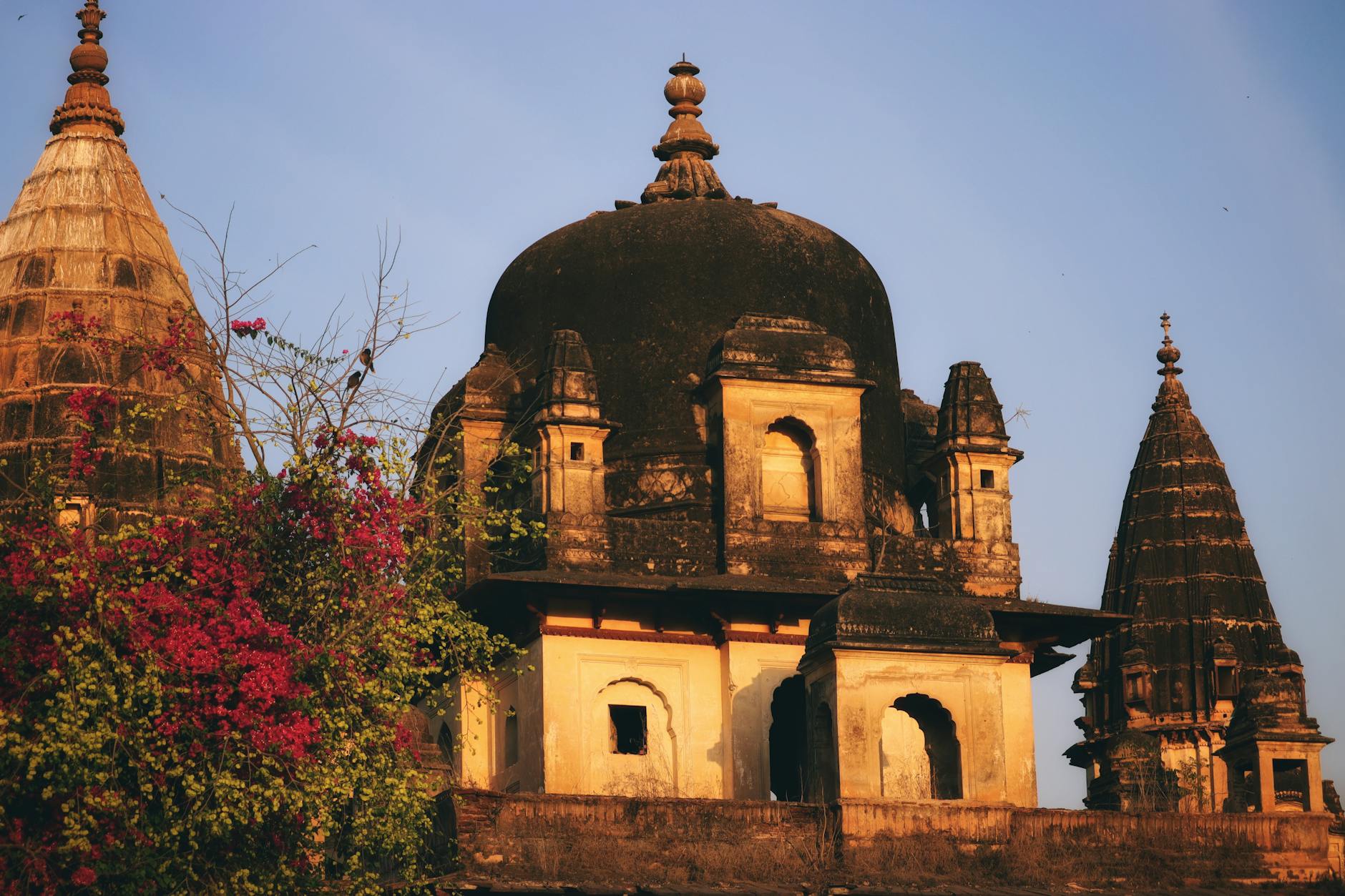
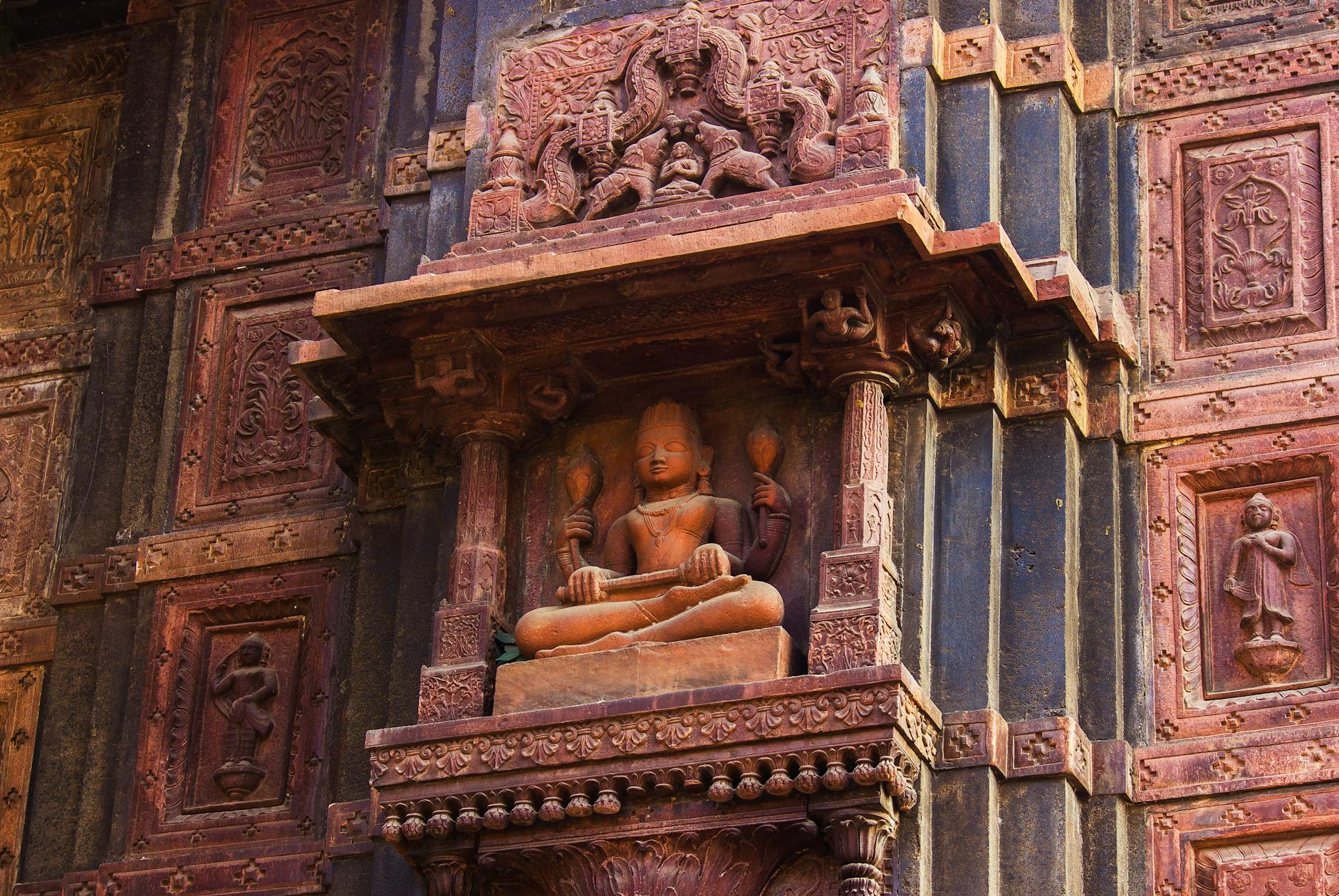
BAZAARS & STREET FOOD TOUR After breakfast proceed to visit Omkareswar and by late afternoon return to Indore. After bit of rest proceed to visit famous Bazaars of Indore and trying famous street food, which has featured in many travels shows, magazines. Omkareshwar Temple is one of the 12 revered Jyotirlinga shrines of Shiva. The eminent 'Shikhara of Omkareshwar' stands tall and proud in the sky as if overlooking the entire earth. The temple is mentioned in sacred Hindu texts like the Vedas and Puranas. Bazaars of Indore are perhaps among the very few left in country that still carries that medieval vibe. What makes these bazaars unique is their clusters selling similar type of commodity, like ‘Bartan Bazaar’ has over two hundred shops just dealing in utensils, likewise ‘Kapda Bazaar’ is cluster of close to thousand shops just dealing in garments, textiles and everything associated with clothes. Similarly, there is ‘Sarafa Bazaar’ dealing in Jewellery, ‘Aada Bazaar’ dealing in all accessories and cosmetic, and list goes on! Street Food Capital, Indore is very passionate about what they eat, which is evident in their love for the wide variety of street food delicacies available here, such as Jalebi-Poha, a mindboggling assortment of chaats, and the local favourite Garaadu and Bhutte ki Khees. Exploring the world- famous Chappan and Sarafa markets in Indore is an absolute revelation of how food is truly a culture steeped deep into the ethos of this vibrant city.
Day 4
Indore – Ujjain – Bhopal
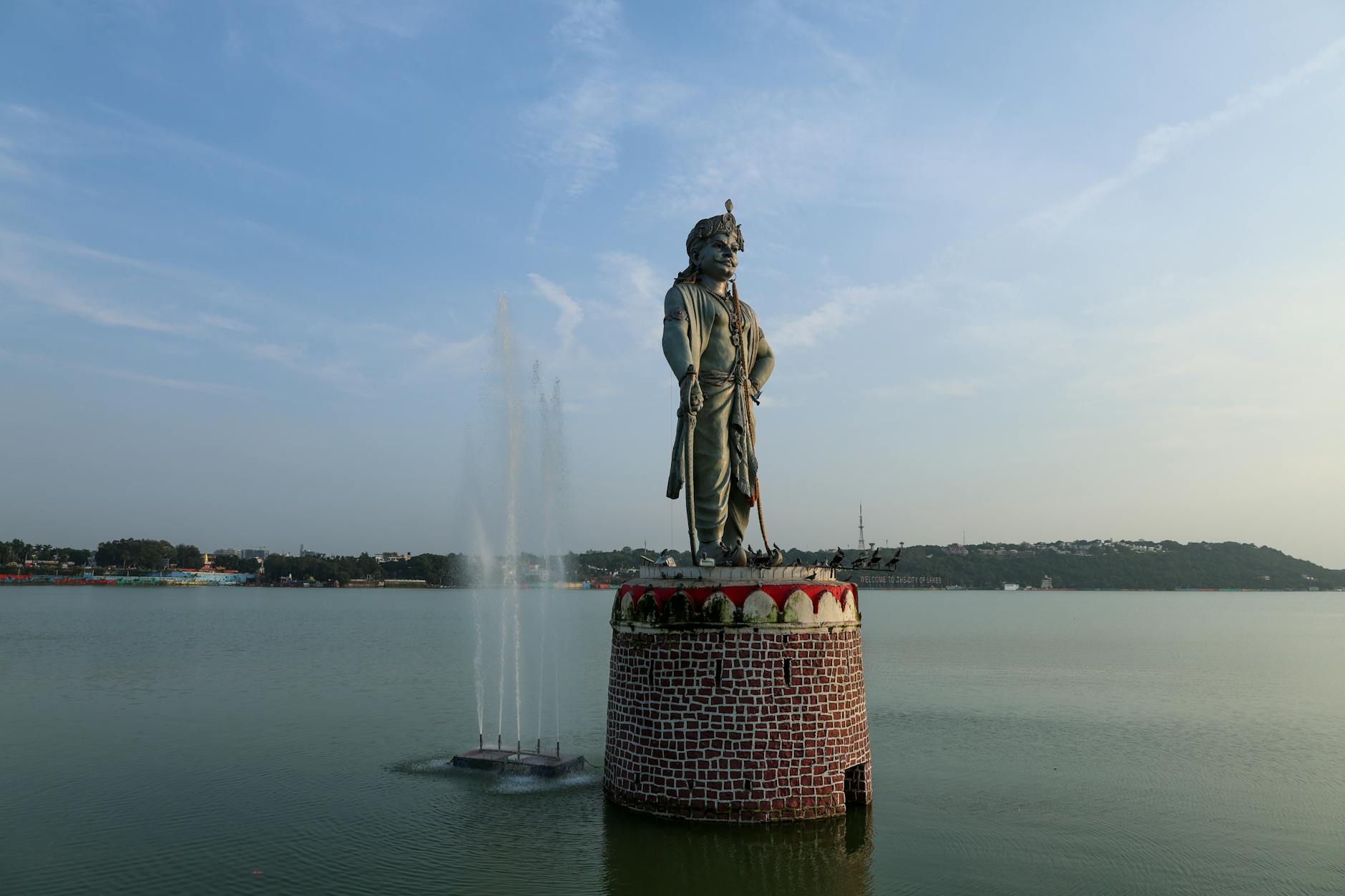
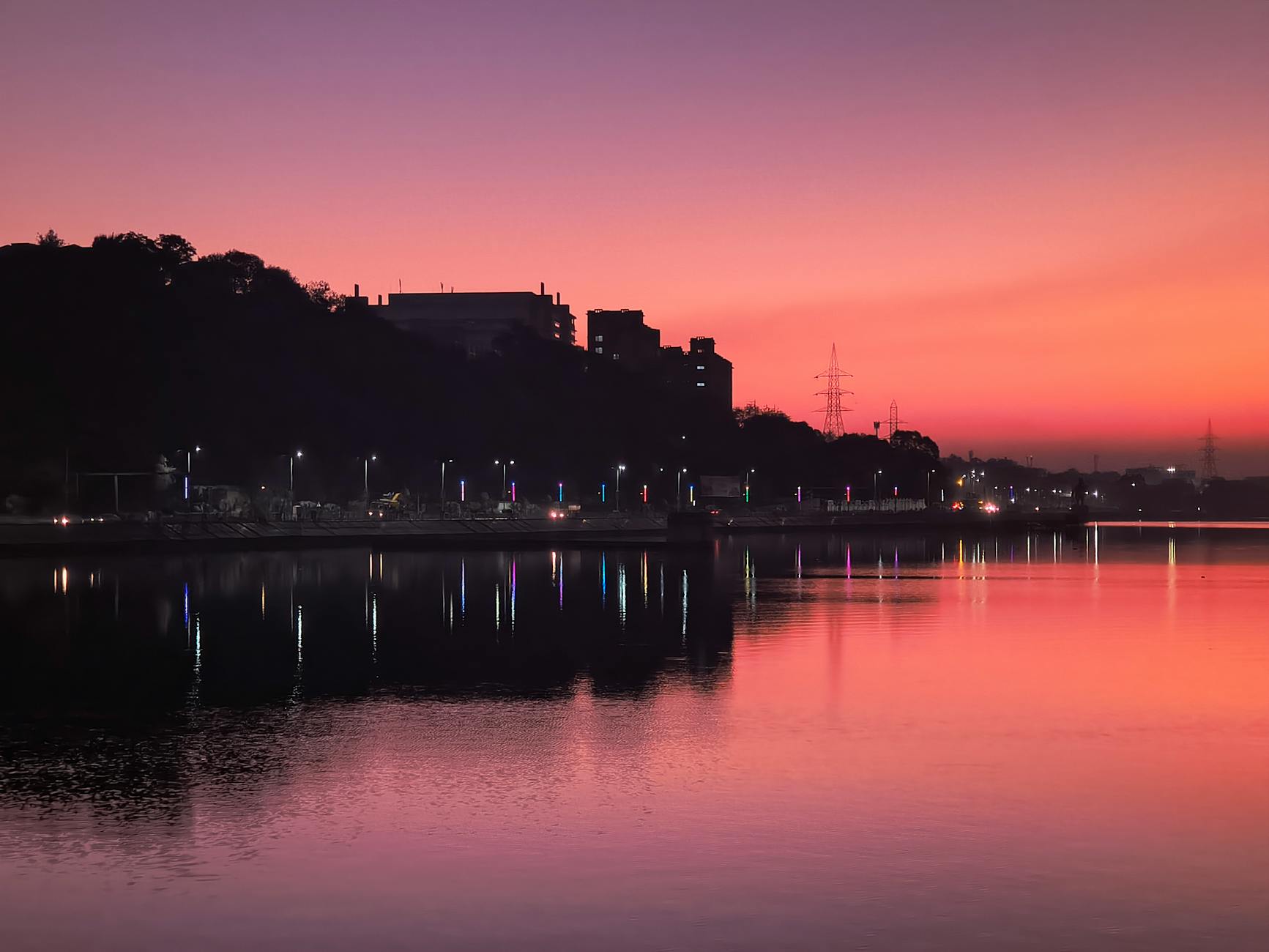
Post breakfast checkout and proceed further to Bhopal. From Indore we will take bit off tour to another ancient city in Hindu Mythology – Ujjain. Later continue to Bhopal, whereby on arrival Check-in to your hotel and rest. Optionally in evening go for evening walk on Beautiful Upper Lake of Bhopal, Dinner and overnight stay in hotel. Ujjain, an ancient city beside the Shipra River is an important Hindu pilgrimage destination and has been described in many ancient scriptures. This city is also among the quad of most pious city that gets to hold “Maha Kumbh” every 12 years in cycle. In current time most iconically known for its centuries- old Mahakaleshwar Temple, which is an important one among the 12 Jyotirlingas of Shiva. Another famous temple being Bhairav temple famous for Alcohol drinking capability of Idol. Bhopal – The capital of Madhya Pradesh, is often referred as city of lakes, owing to many lakes and green cover the city has. It has long been associated with power and politics in Madhya Pradesh, from the times of Raja Bhoj, King of Malwa in the 11th century, to when the nawabs ruled from the 18th century until the princely state was acceded to the Indian Union in 1949. The succession of four female nawabs who ruled under the title ‘Nawab Begum of Bhopal’ for 107 years between 1819 and 1926 is also unique to this place.
Day 5
Half Day Excursion to Sanchi, City Tour of Bhopal
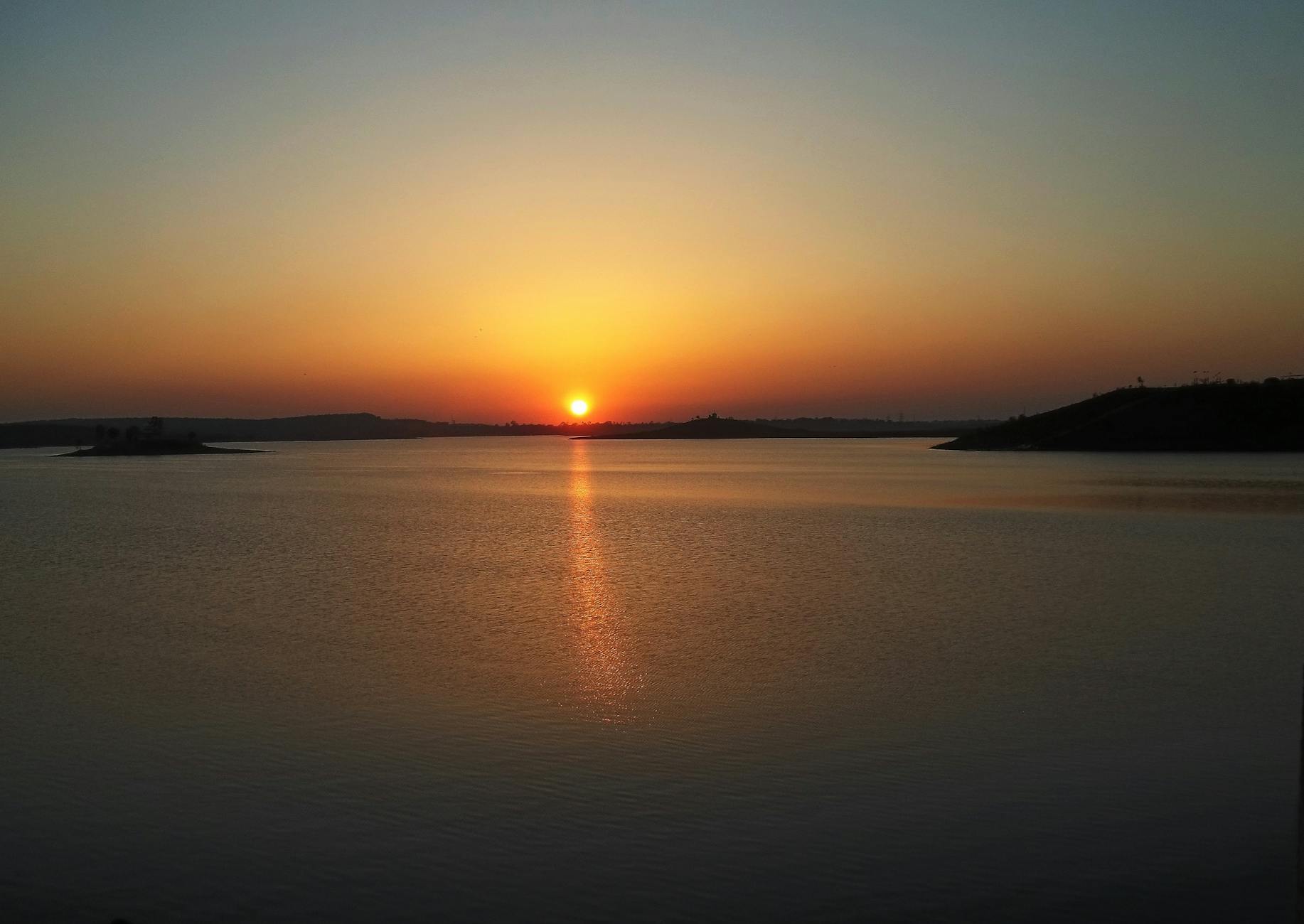
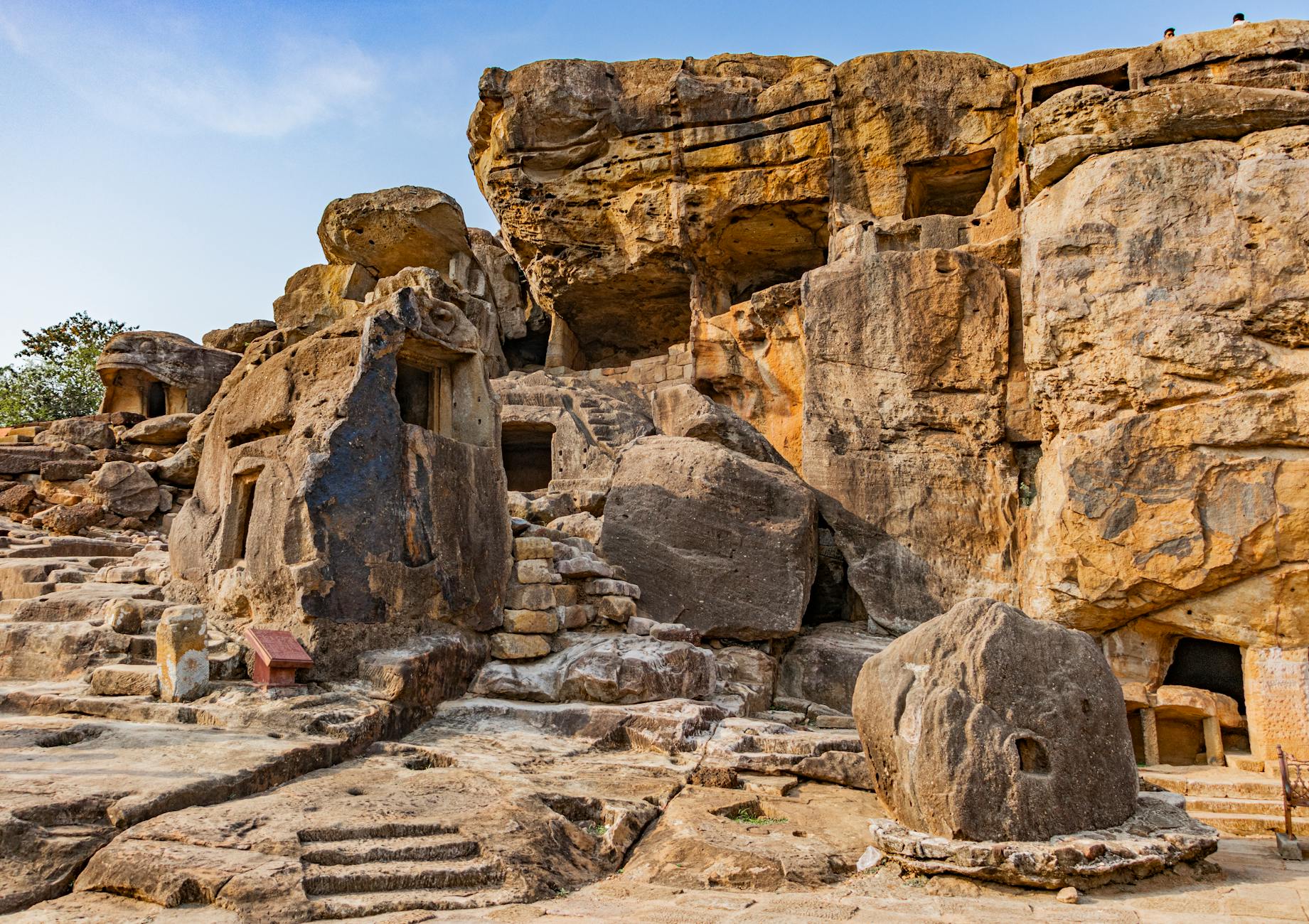
Post Breakfast, we go for the excursion trip to Sanchi. Return by afternoon. Later in evening enjoy boating in Upper Lake midst of captivating sunset. Dinner and Overnight at the hotel. Sanchi, about an hour’s drive from Bhopal, its legacy stretches back to the 3rd century BCE when Emperor Ashoka, a devoted follower of Buddhism, commissioned this stunning monument, a UNESCO World Heritage Site that speaks of the once flourishing Buddhism in India. When Ashoka converted to Buddhism, he embarked on a mission to spread the wings of the faith far and wide. It was then that he also commissioned the construction of one of the most important historical places in Madhya Pradesh and India. The Great Stupa in the town of Sanchi. Sanchi is also significant because of its connection to Ashoka’s wife, Devi, who was the daughter of a merchant from nearby Vidisha. It is said that Sanchi was her birthplace and where she and Ashoka married. The Great Stupa at Sanchi is also featured on the reverse side of the Indian Rupee 200 note – such is its cultural significance to the country. Also visit Udaygiri Caves a bit ahead of Sanchi. Bhopal, city tour comprising of Van Vihar National Park (technically a zoo), but it is rather biodiverse and boasts vast enclosures for its denizens. The wild wetland area is especially enchanting, while kids will enjoy the butterfly garden, snake park, and turtle pond. If you aren’t up to walking almost five km, rent bicycles or an e-cart to take you around the park. Tribal Museum is an absolute must-see. Through its intricate, colourful, larger-than-life exhibits and fantastic design, you will get introduced to the lives of the tribals of the state, their diverse culture, dwellings, art and aesthetics, spiritual beliefs, and much more. By evening finish your day with mesmerizing sunset boat ride in upper lake.
Day 6
Bhopal – Excursion to Bhimbetka
After Breakfast, excursion trip to Bhimbethika rock shelters(45km one way) on return enroute we will also visit magnificent Bhojpur temple. By late afternoon back to Bhopal. Dinner and Overnight at the Hotel. Bhimbetka, a UNESCO World Heritage Site renowned for its ancient rock shelters and some of the earliest known examples of human art. Discovered in 1957, Bhimbetka stands as one of the world’s most important prehistoric rock art sites. These caves have been inhabited for over 100,000 years and showcase a continuous timeline from the Paleolithic era to the medieval period. The rock paintings here offer a fascinating glimpse into the lives of our ancestors, depicting scenes of hunting, battle formations, animals, and everyday activities. Bhojpur, best known for the majestic Bhojeshwar Temple. Though unfinished, this temple is dedicated to Lord Shiva and houses one of the largest Shiva Lingas in India, carved from a single block of stone. Commissioned by Raja Bhoj of the Paramara dynasty, the temple dates to the 11th century, though some say it was never completed before his death. Legend even has it that the temple was intended to be built in just one day which is why it remains unfinished.
Day 7
Departure
After Breakfast, Check-Out, continue to Airport for your Onwards journey. Leave with happy memoirs of central India. PACKAGE COST PER PERSON
Where You'll Stay
Hand-Picked Hotels
Indore
Hotel Winway
or President Hotel, Ginger + 1 more
Bhopal
Ranjit Lake View
or Woods Inn Resort, Safal Retreat + 1 more
Indore
Hotel Winway
or President Hotel, Ginger + 1 more
Bhopal
Ranjit Lake View
or Woods Inn Resort, Safal Retreat + 1 more
Honestly
Things most travel sites won't tell you.
On-the-ground details your designer wishes every guest knew before they landed.
Things to Look Out For
India is not one country, climate-wise
Rajasthan in February reads dry-cold; Kerala in February reads humid-warm; Sikkim in February might be under snow. Pack for the specific itinerary, not 'India in general'. Tibro's per-state tours are tuned to one climate at a time. Don't try to chain three of them back-to-back.
Tipping is structured, not arbitrary
Driver tips at ₹500-1000 per day, guide tips at ₹500-1000 per half-day, hotel housekeeping ₹100 per day, restaurant 10% on top of any service charge already listed. Hand the driver/guide an envelope on the last day rather than tipping daily. It is more dignified for them.
Tap water and ice are a real consideration
Every Tibro-tier hotel provides sealed bottled water in the room daily. Use it for brushing your teeth too. At restaurants, ask for "sealed bottled water" specifically. Some places will pour from a filtered jug, which is fine in some kitchens and not in others. Ice is the hidden trap; ask for "no ice" with cold drinks unless the hotel makes its own.
- №1
India is not one country, climate-wise
Rajasthan in February reads dry-cold; Kerala in February reads humid-warm; Sikkim in February might be under snow. Pack for the specific itinerary, not 'India in general'. Tibro's per-state tours are tuned to one climate at a time. Don't try to chain three of them back-to-back.
- №2
Tipping is structured, not arbitrary
Driver tips at ₹500-1000 per day, guide tips at ₹500-1000 per half-day, hotel housekeeping ₹100 per day, restaurant 10% on top of any service charge already listed. Hand the driver/guide an envelope on the last day rather than tipping daily. It is more dignified for them.
- №3
Tap water and ice are a real consideration
Every Tibro-tier hotel provides sealed bottled water in the room daily. Use it for brushing your teeth too. At restaurants, ask for "sealed bottled water" specifically. Some places will pour from a filtered jug, which is fine in some kitchens and not in others. Ice is the hidden trap; ask for "no ice" with cold drinks unless the hotel makes its own.
The Details
What's Included
Included
- Accommodation in well-appointed rooms on as per hotel selected
- All transfers and sightseeing as per the itinerary by an exclusive AC Car
- Daily Breakfast included
- Pick up from Indore and Drop to Bhopal
- Driver Allowance, Toll, State Taxes, Parking
Not Included
- Any airfare
- Any Kind of Personal Expenses or Optional Tours / Extra Meals Ordered
- Festive surcharges & mandatory gala dinner on Christmas, new year eve
Plan Your Timing
When to Go
India has three windows for travel. October–March is the cool/dry season. The headline window, when most of the subcontinent is at its most welcoming. April–June is hot and increasingly dangerous in the north plains. July–September is the southwest monsoon. Beautiful for Kerala Ayurveda lovers, hard for sightseeing. This Kerala tour sits squarely in the post-monsoon clear window.
Kerala has two monsoons (southwest Jun–Aug heavy; northeast Oct–Nov a brief secondary). The Winters 25-26 departure window avoids both. Ayurveda treatments traditionally peak with the monsoon, but the tour itinerary itself works best in dry season.
Your Memoir
Here's how you'll remember it.
Vol. 23, A Tibro memoir, printed on archival paper, shipped after you return.
Enquire
Start the conversation.
Tell us your dates and preferences. A Tibro travel designer will respond within 24 hours.