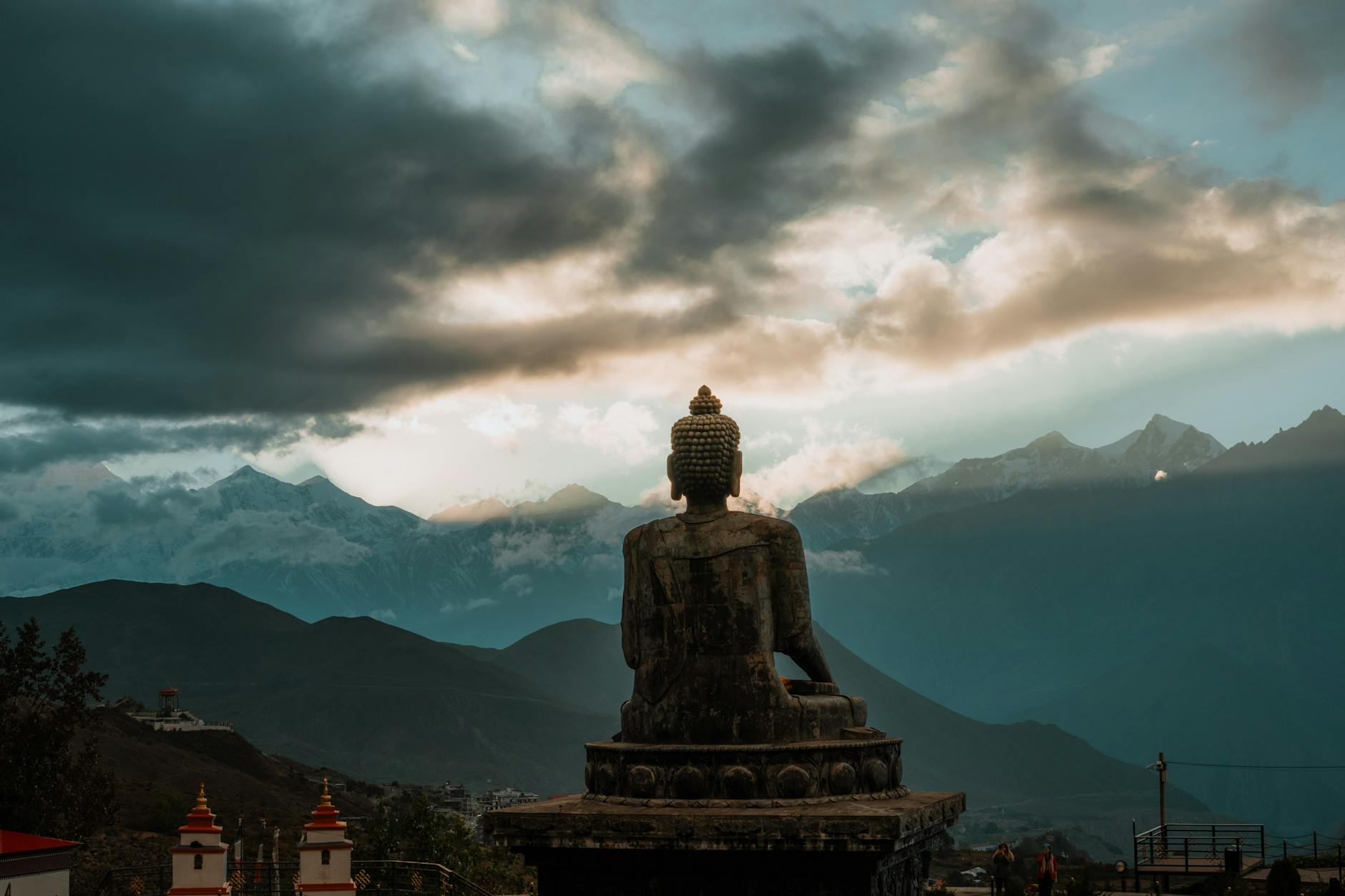
Bodhi Path
Best for
Buddhist Pilgrims, Spiritual Seekers
Duration
9 Nights / 10 Days
Season
October–March
Difficulty
Easy
Vibe
Spiritual, Pilgrimage
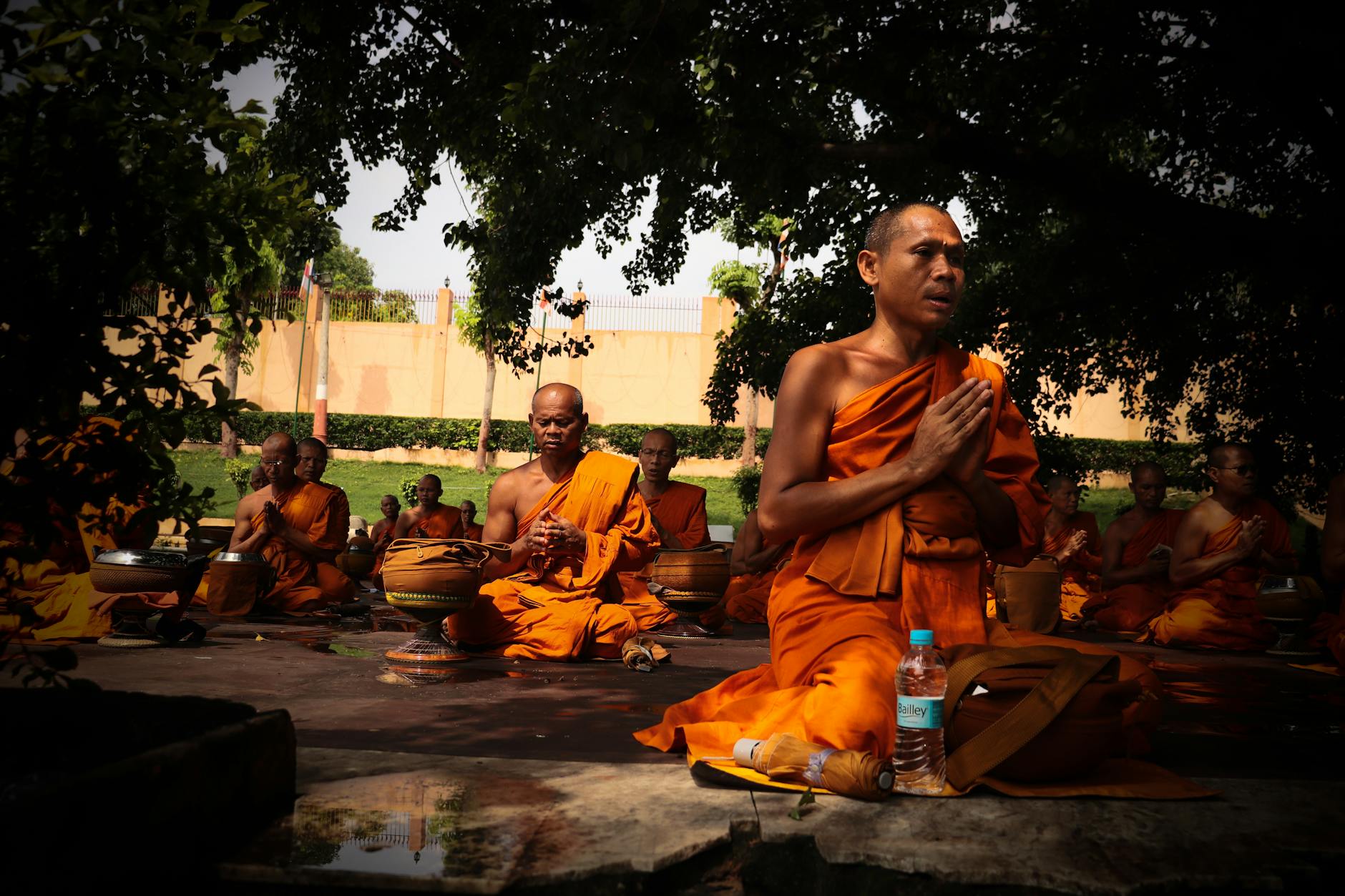
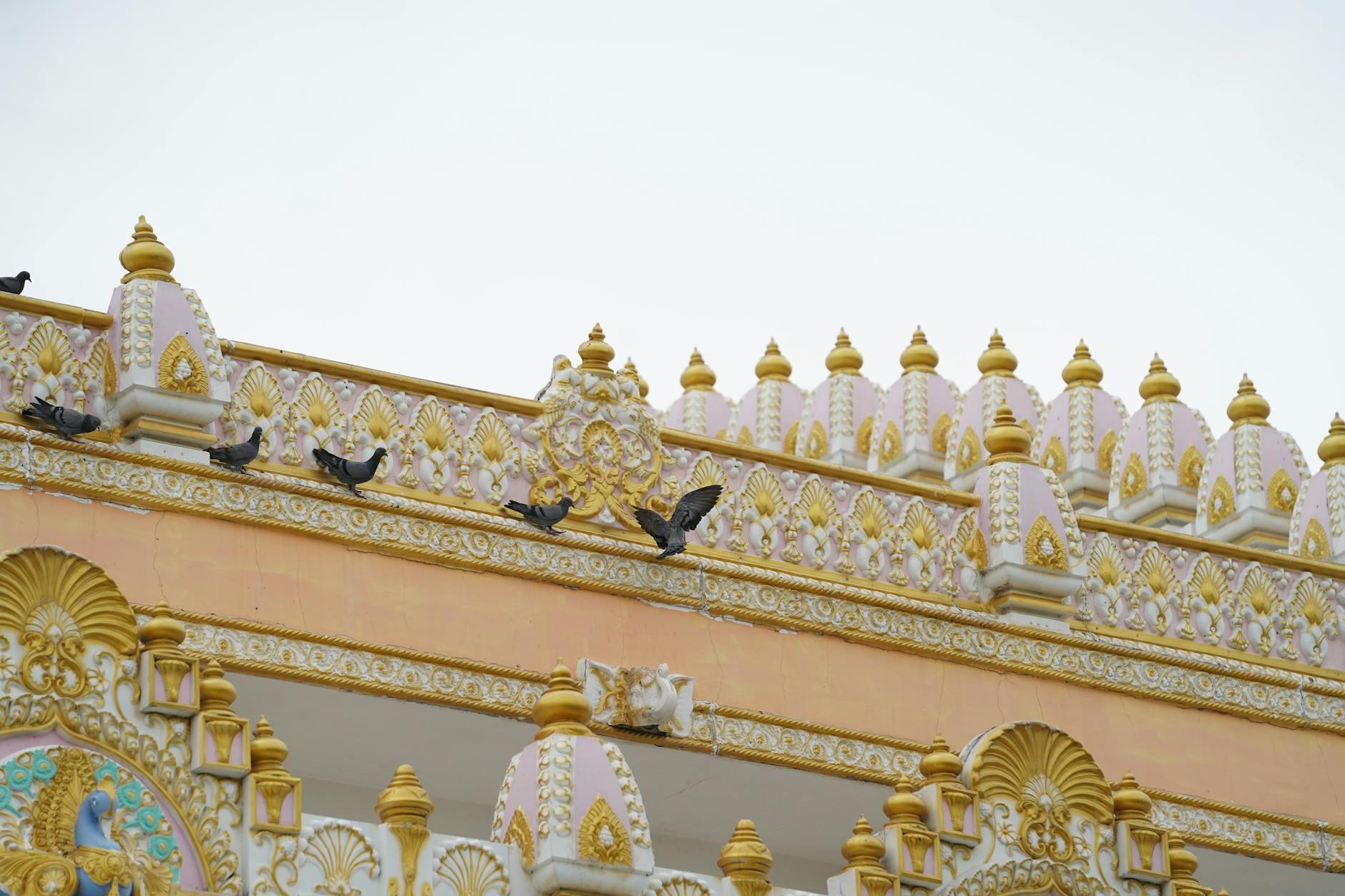
Bodhi Path
9 Nights / 10 Days, 4 cities, From ₹67,990
per person, twin sharing
A Tibro Journey
Nine winter nights through the four sacred sites of the Buddha. The dry season is the right time, when the Ganga's fog lifts late and the sal trees at Lumbini stand bare and clear.
The Buddha Trail (9 Nights). Winters 25-26 is a spiritual journey through Varanasi, Sarnath, Bodhgaya, Lumbini. 9 nights / 10 days that moves through Varanasi, Sarnath, Bodhgaya with private transport, hand-selected hotels, and a dedicated Tibro travel designer at every step.
Signature Moments
Three Mornings You'll Remember
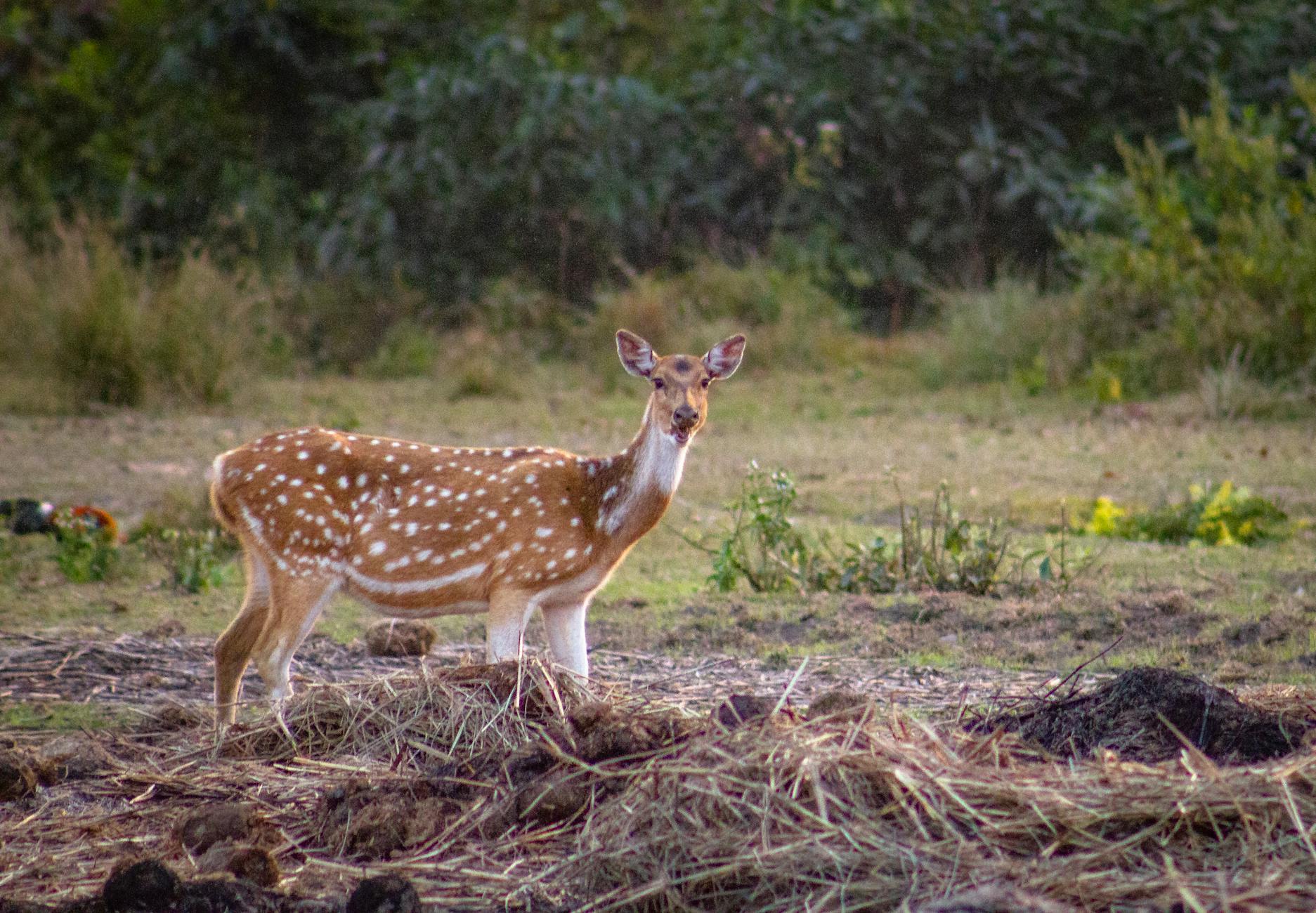
No. 01
Sarnath Deer Park
Where the Buddha's first sermon changed the course of history.
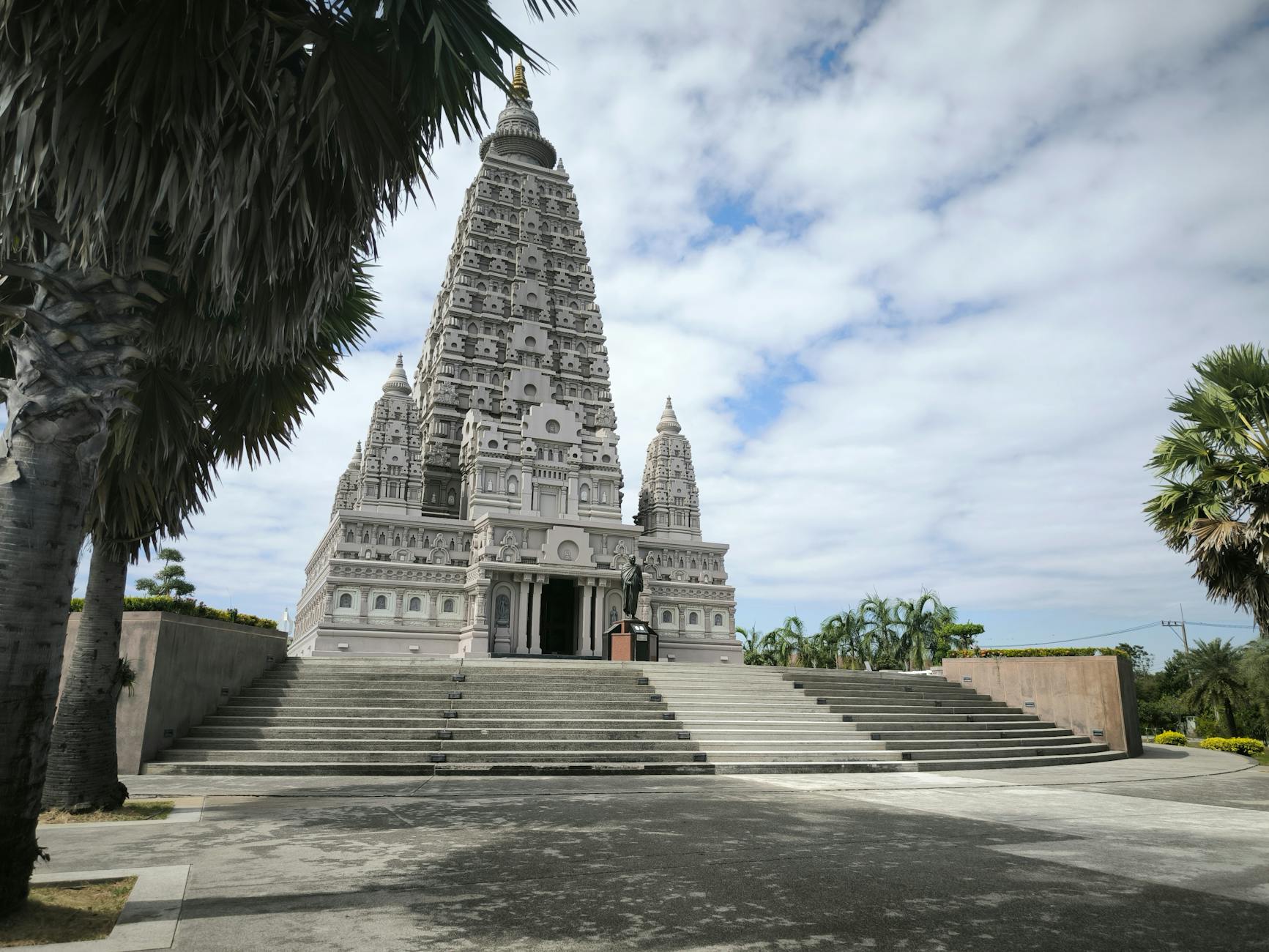
No. 02
Bodhgaya Mahabodhi Temple
The Bodhi Tree. The most sacred spot in all of Buddhism.
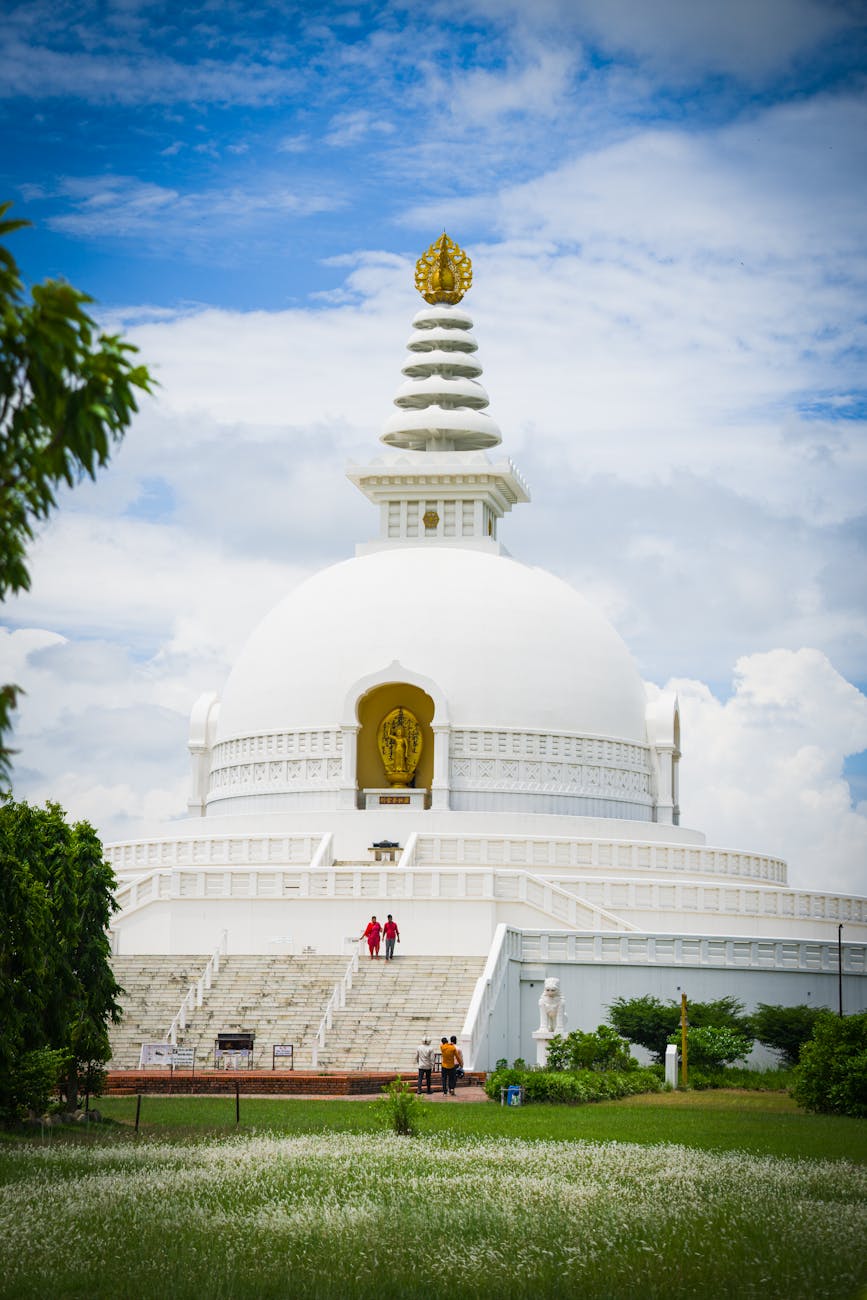
No. 03
Lumbini, Nepal
The birthplace of the Buddha, now a UNESCO-listed world heritage sanctuary.
No. 01
Sarnath Deer Park
Where the Buddha's first sermon changed the course of history.
No. 02
Bodhgaya Mahabodhi Temple
The Bodhi Tree. The most sacred spot in all of Buddhism.
No. 03
Lumbini, Nepal
The birthplace of the Buddha, now a UNESCO-listed world heritage sanctuary.
Day by Day
9 Nights / 10 Days, in order
Day 1
Arrival in Varanasi
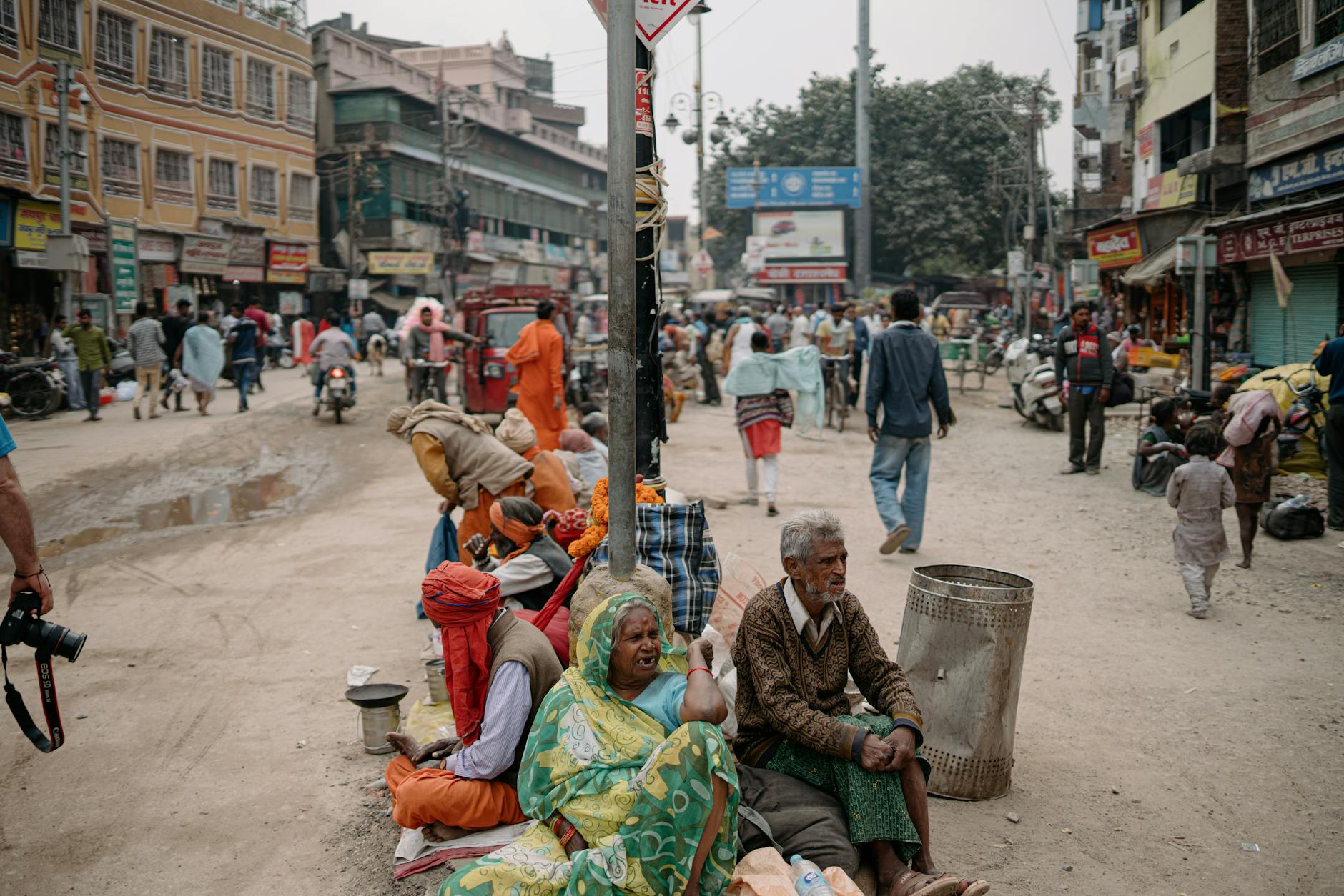
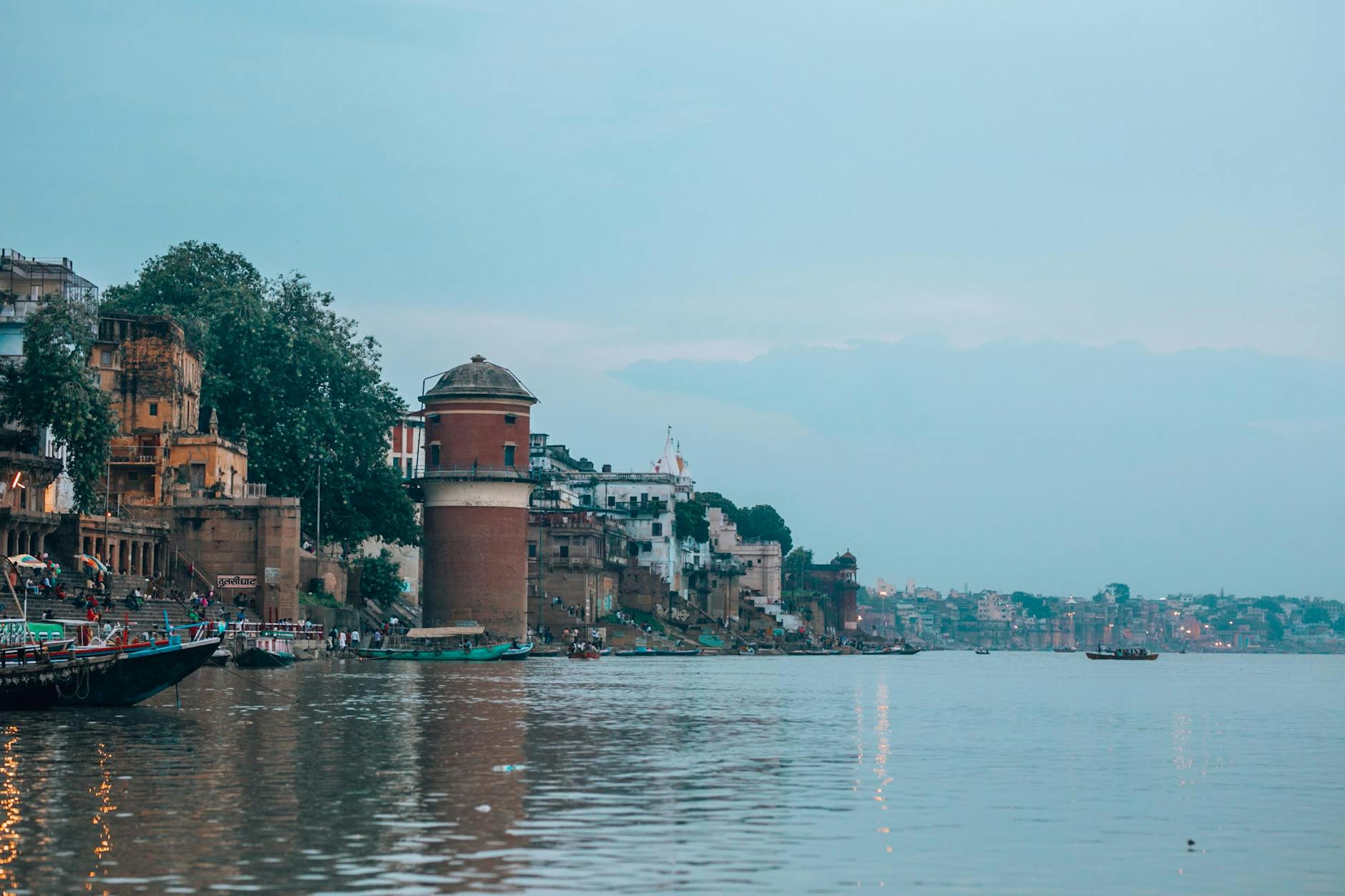
On arrival pickup from airport & transfer to hotel. After some rest, post lunch starts the temple tour of Varanasi. Visit Kashi Vishwanath Temple, Tulsi Manas Mandir, Durga Kund, Sankat Mochan Hanuman Temple, and drive through BHU. Evening go for Ganga Aarti at Dashashwamedh Ghat, with optional Sankalp Aarti participation. Dinner and overnight stay in Varanasi.
Day 2
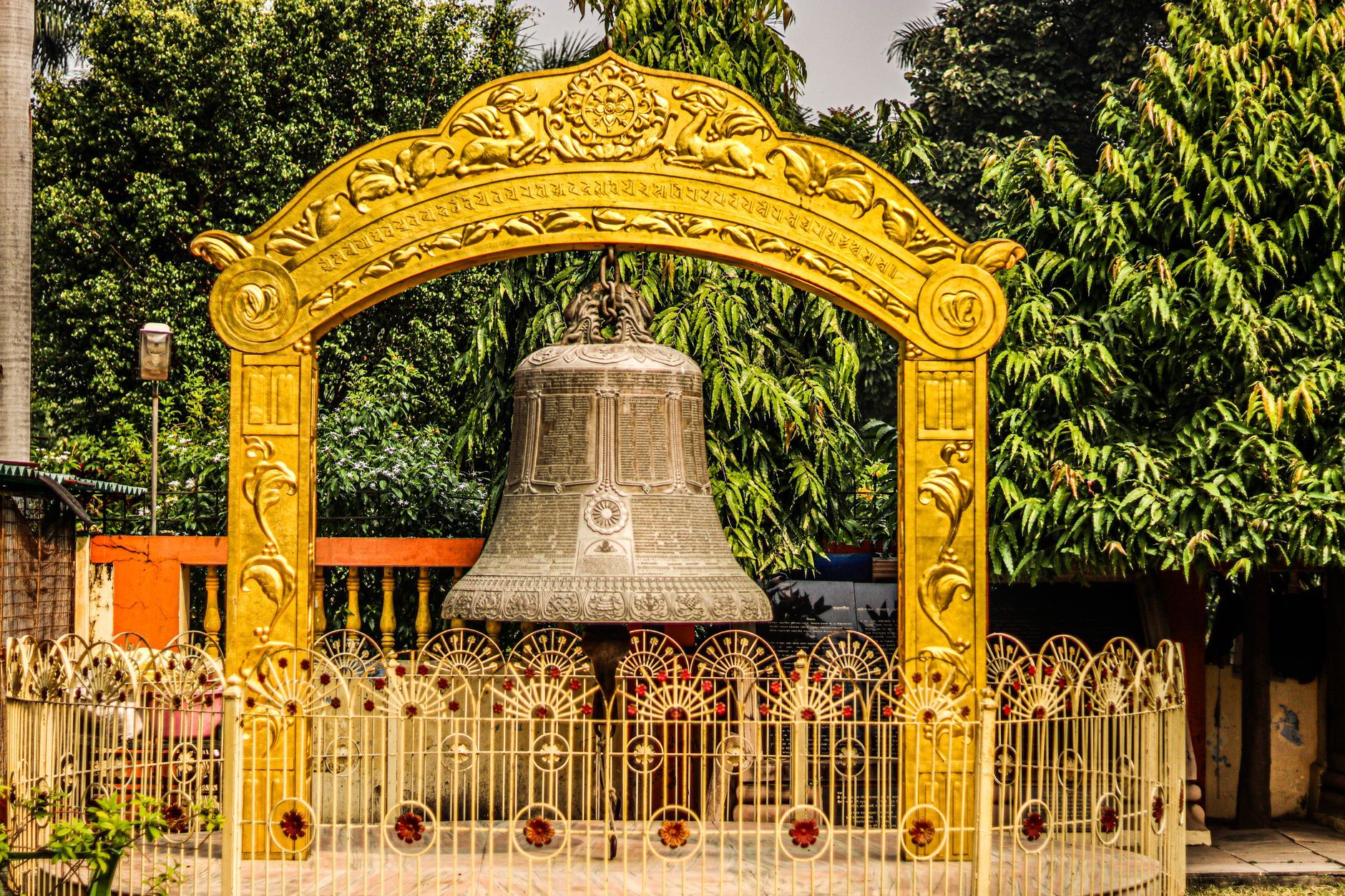
Excursion to Sarnath
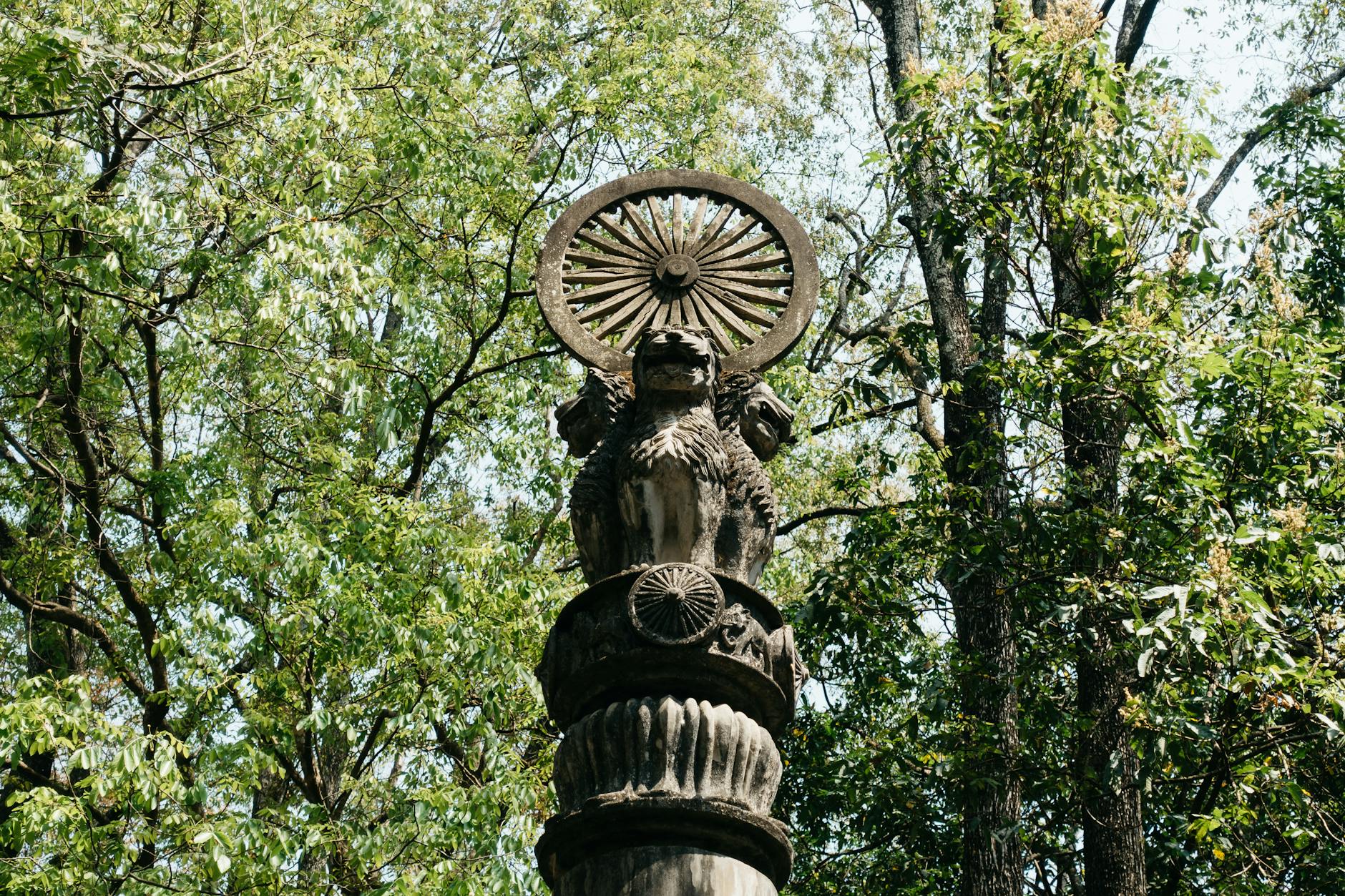
Post-breakfast drive to Sarnath, an important Buddhist pilgrimage place where Lord Buddha delivered his first sermon, after his enlightenment. Key attraction sites include Dhamek Stupa, Deer Park, Chaukhandi Stupa & Sarnath Museum that houses ‘Lion Capitol’ of Ashoka (National Emblem of India). By late evening return to Varanasi for leisure, weaving or shopping in the weavers’ colony. Dinner and overnight in Varanasi
Day 3
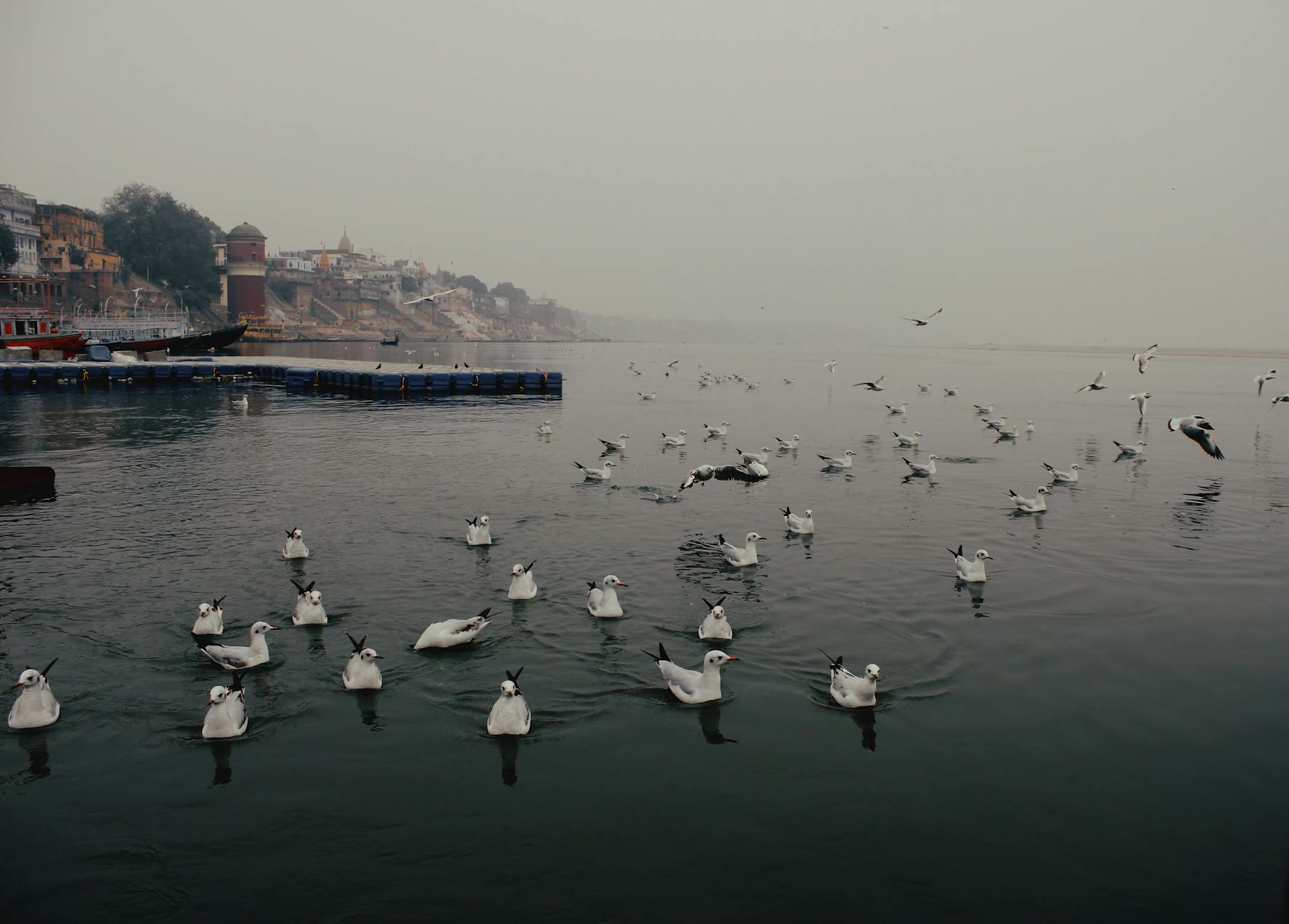
Varanasi to Bodhgaya
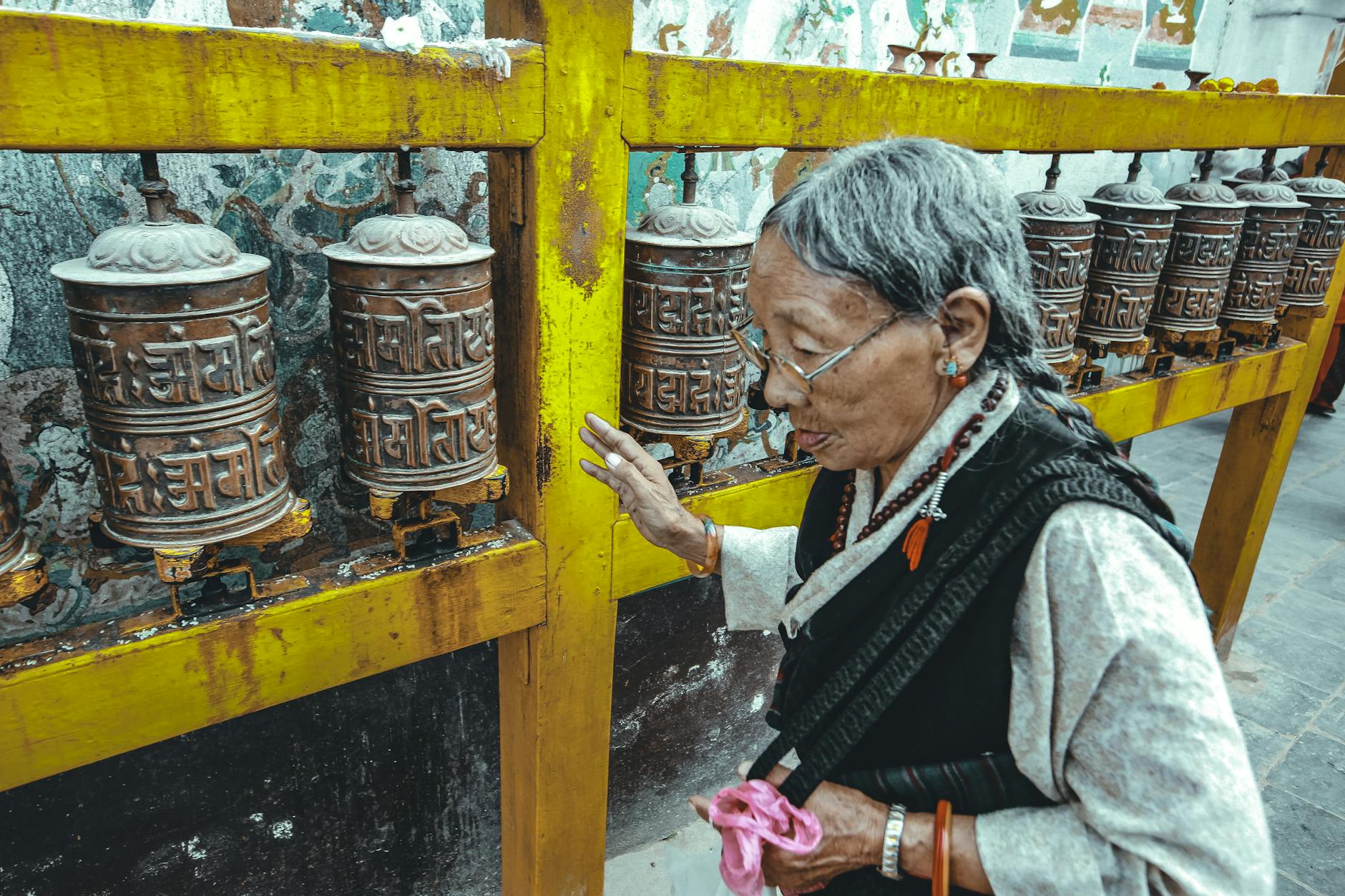
After relaxed breakfast checkout and we proceed to Bodh Gaya - reckoned as the most important Buddhist Pilgrimage centre, in the state of Bihar, is the place where Lord Buddha entered into meditation after being moved by the sufferings of mankind. On arrival check in to hotel and relax overnight.
Day 4
Bodhgaya
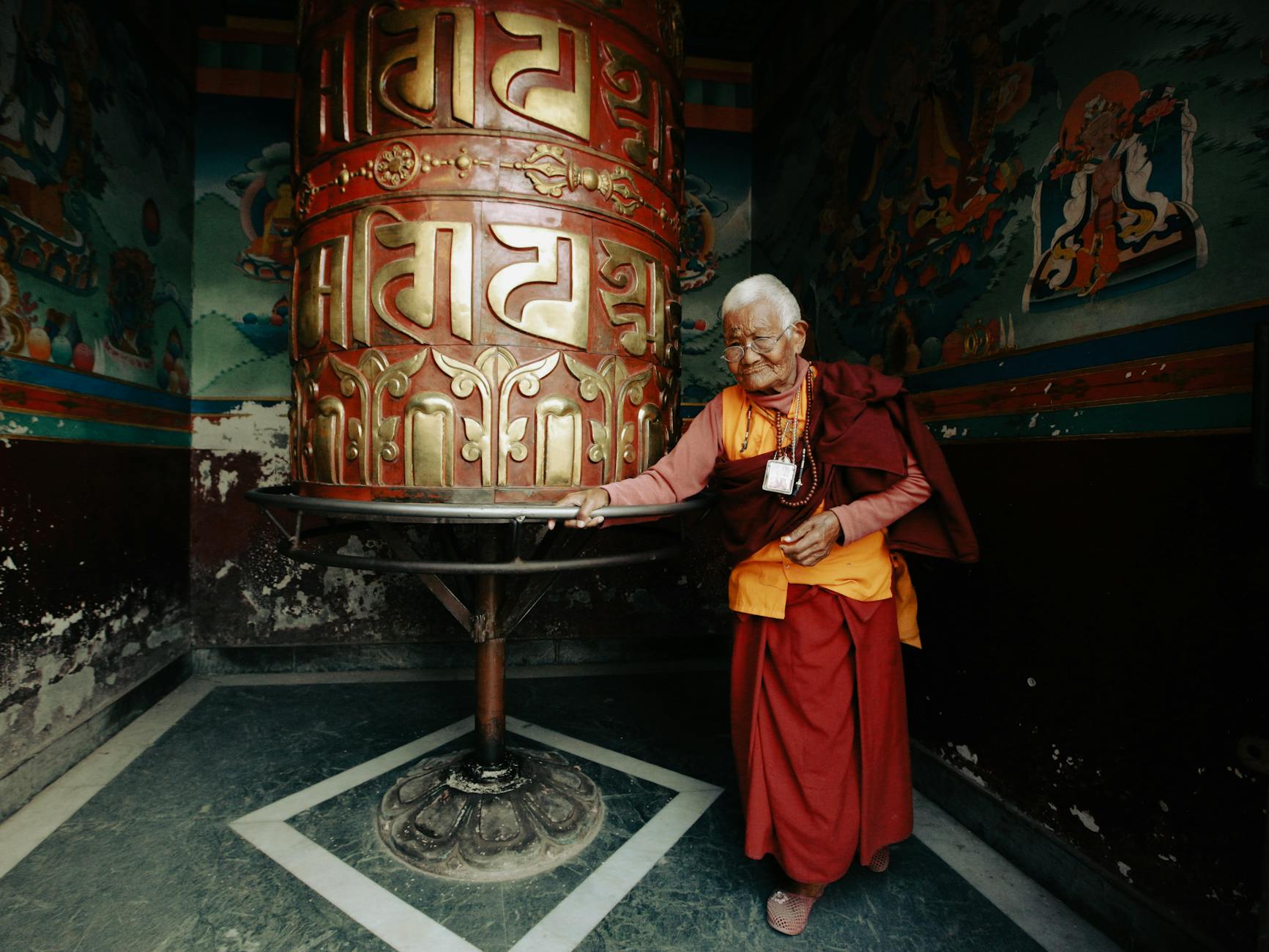
After breakfast leave for a visit to famous Mahabodhi temple complex that also house Bodhi Tree (under which Siddhartha Gautam attained enlightenment & known to be Buddha), Great Buddha Statue, Thai and Tibetan Monasteries, Japanese Temple, and other key Buddhist shrines. Evening back to hotel. Dinner and Overnight stay in Bodhgaya.
Day 5
Bodhgaya to Patna
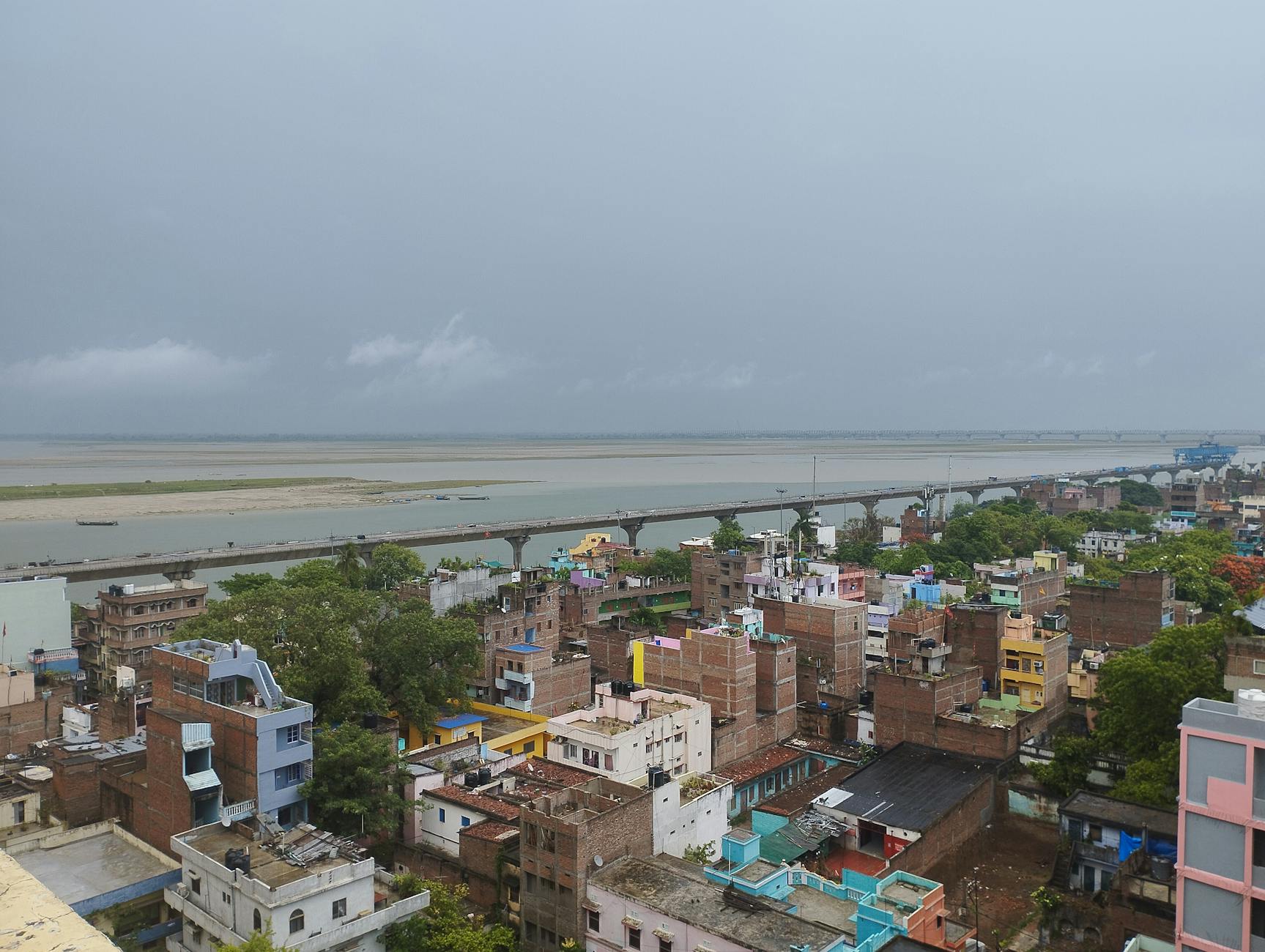
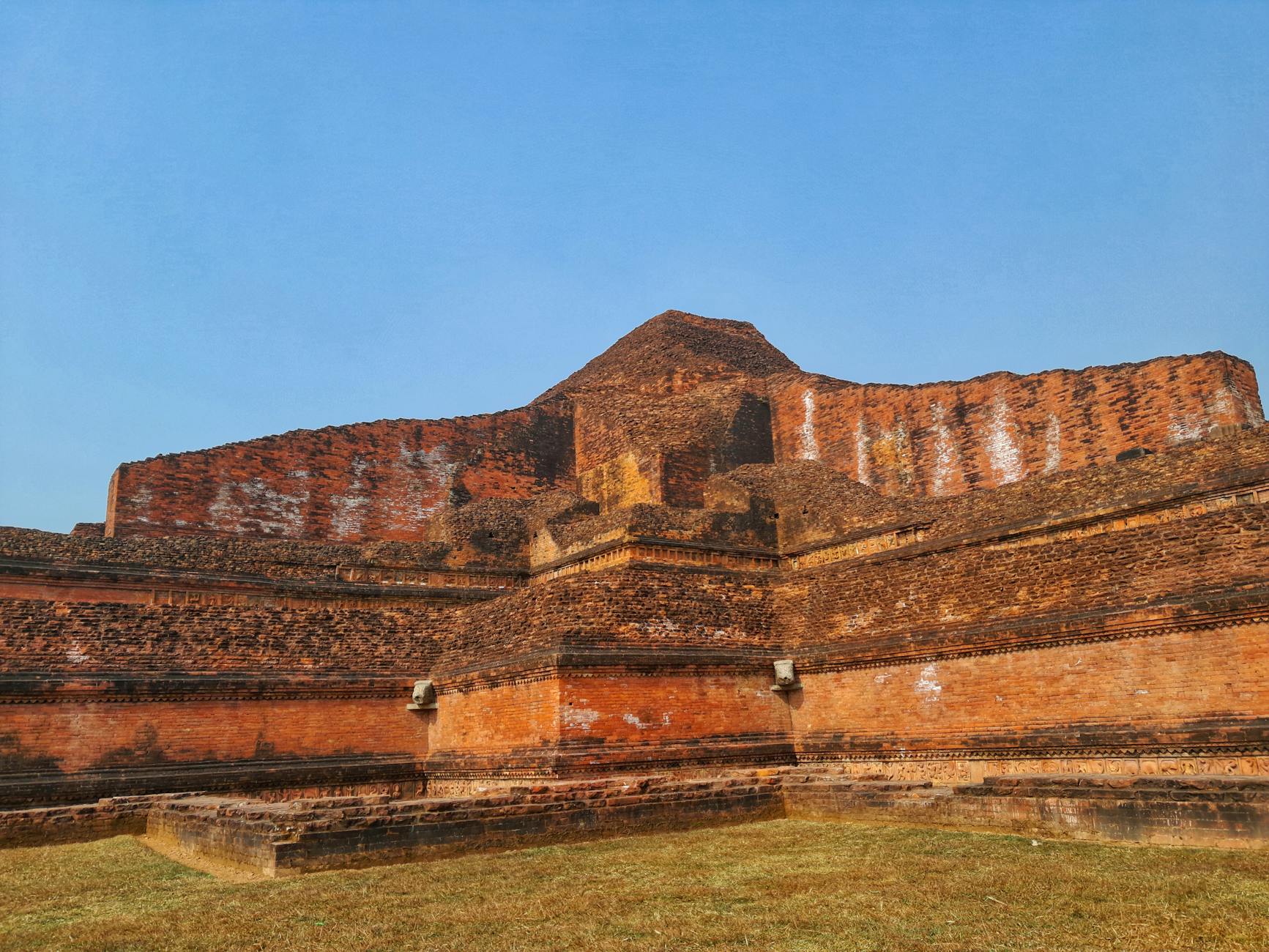
ENROUTE VISIT RAJGIR & NALANDA After breakfast, checkout and we proceed to visit to Rajgir - was the first capital of the Magadha kingdom, which later became the Mauryan Empire. It is mentioned in the epic Mahabharata and boasts a 2,500-year-old Cyclopean Wall. Lord Buddha spent time here, and the city features numerous Buddhist ruins, including the iconic Vishva Shanti Stupa on Griddhakuta Peak. We then continue journey to Nalanda which was the site of a famous ancient Buddhist monastic university, the first of its kind, which served as a centre of learning from the 5th to the 12th century CE. Today, the archaeological site of Nalanda is a UNESCO World Heritage Site, and a new modern Nalanda University has been established near the ancient ruins to revive its legacy. Visit the ruins and museum of ancient Nalanda University. Later reach Patna by late evening, dinner and stay overnight stay.
Day 6
Patna to Kushinagar
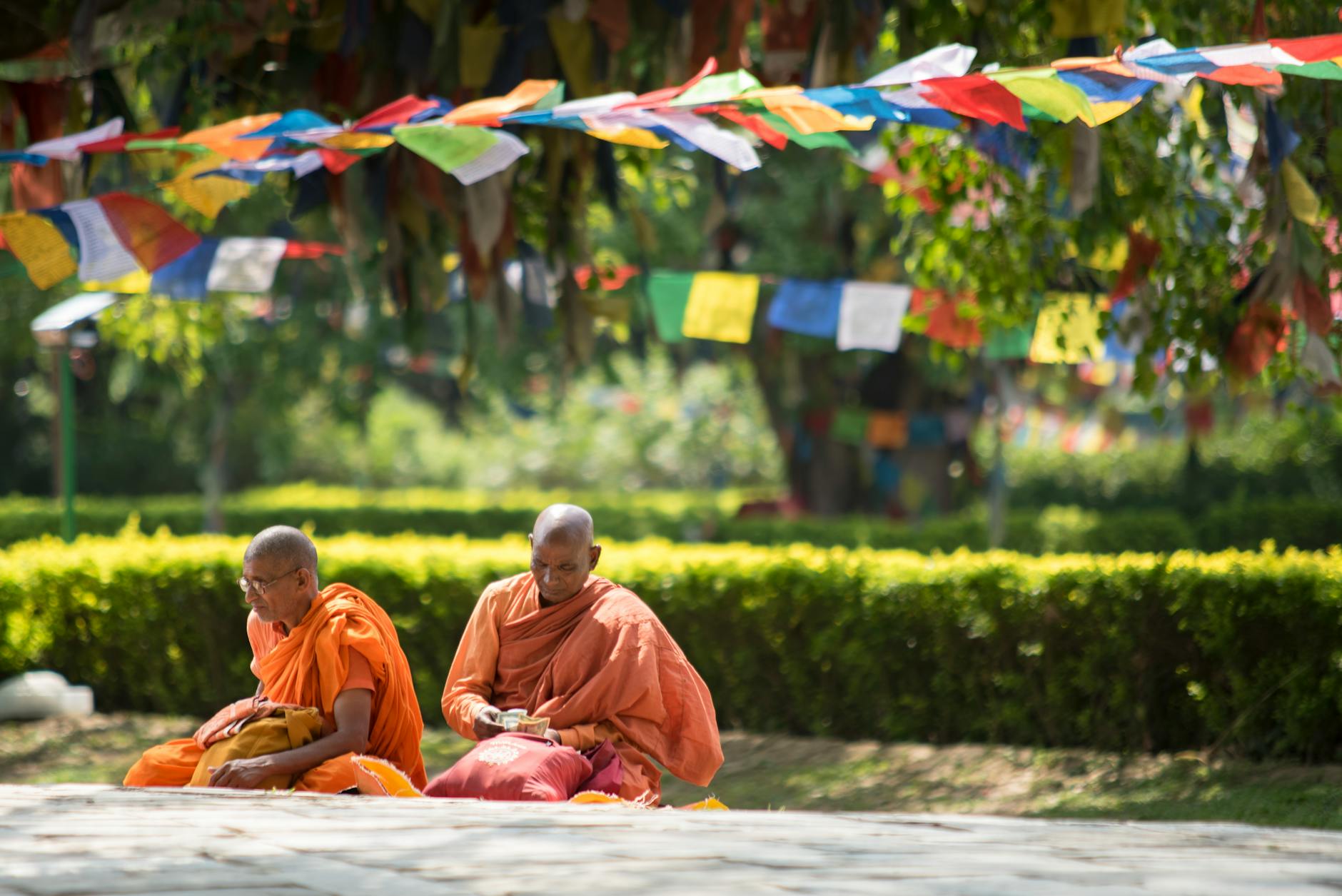
After breakfast, depart for Kushinagar, a sacred pilgrimage site where Gautama Buddha attained Mahaparinirvana (Final Enlightenment), and was cremated around 483 BC. After reaching check-in to hotel and have some rest. Later visit Mahaparinirvana Temple which features a 6.10-meter reclining statue of the Buddha, and the Nirvana Stupa. Other notable places to visit is Wat Thai Temple & Japanese Pagoda. Later back to hotel in evening, dinner and overnight.
Day 7
Kushinagar to Lumbini, Nepal
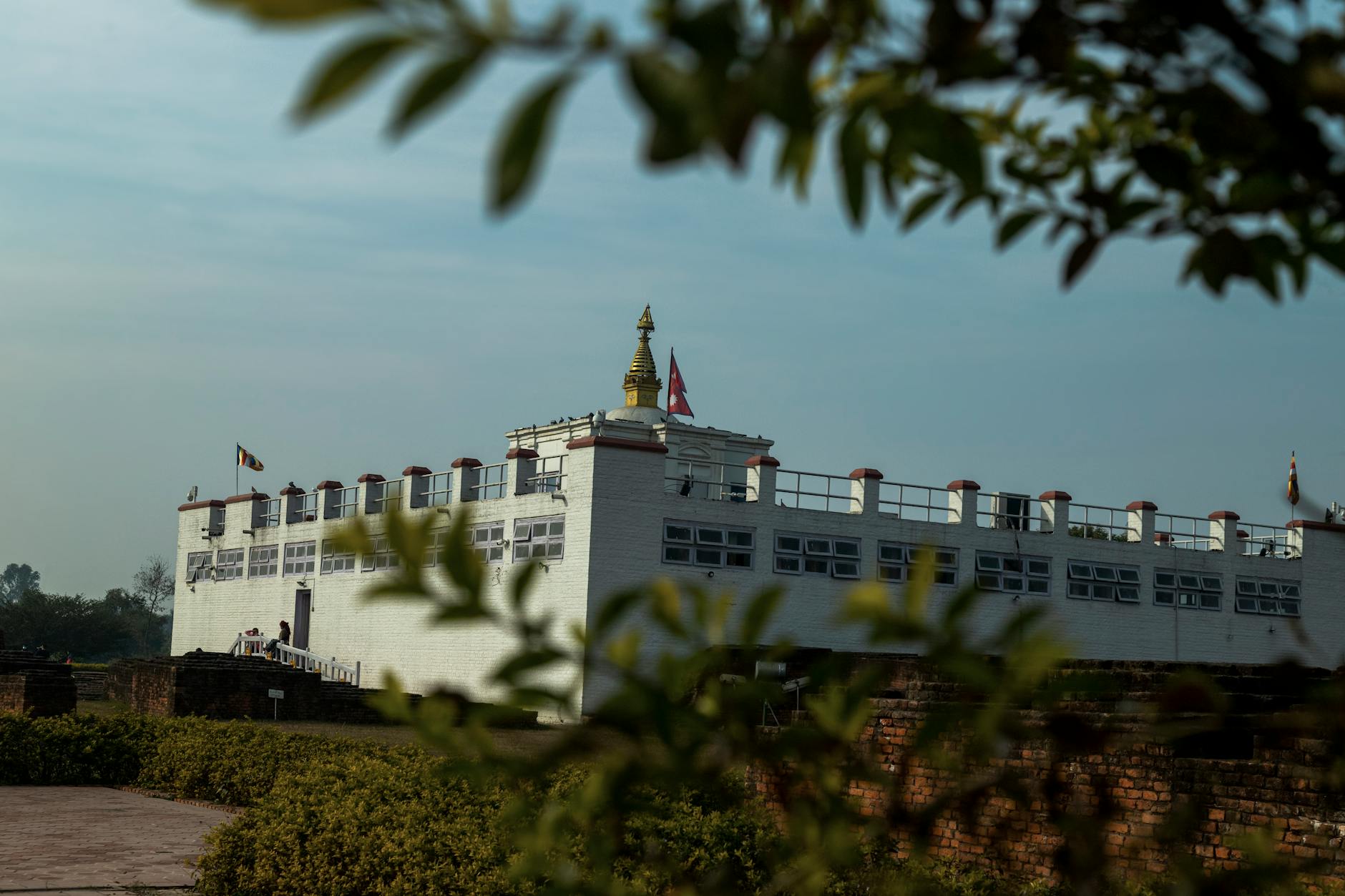
After breakfast, drive to Lumbini via Sonauli border crossing. Complete immigration formalities, check in, After bit of rest proceed for sightseeing. Visit Maya Devi Temple, Ashoka Pillar, Sacred Pond, and walk through the international monastic zone. Dinner and overnight in Lumbini.
Day 8
Lumbini Local Sightseeing
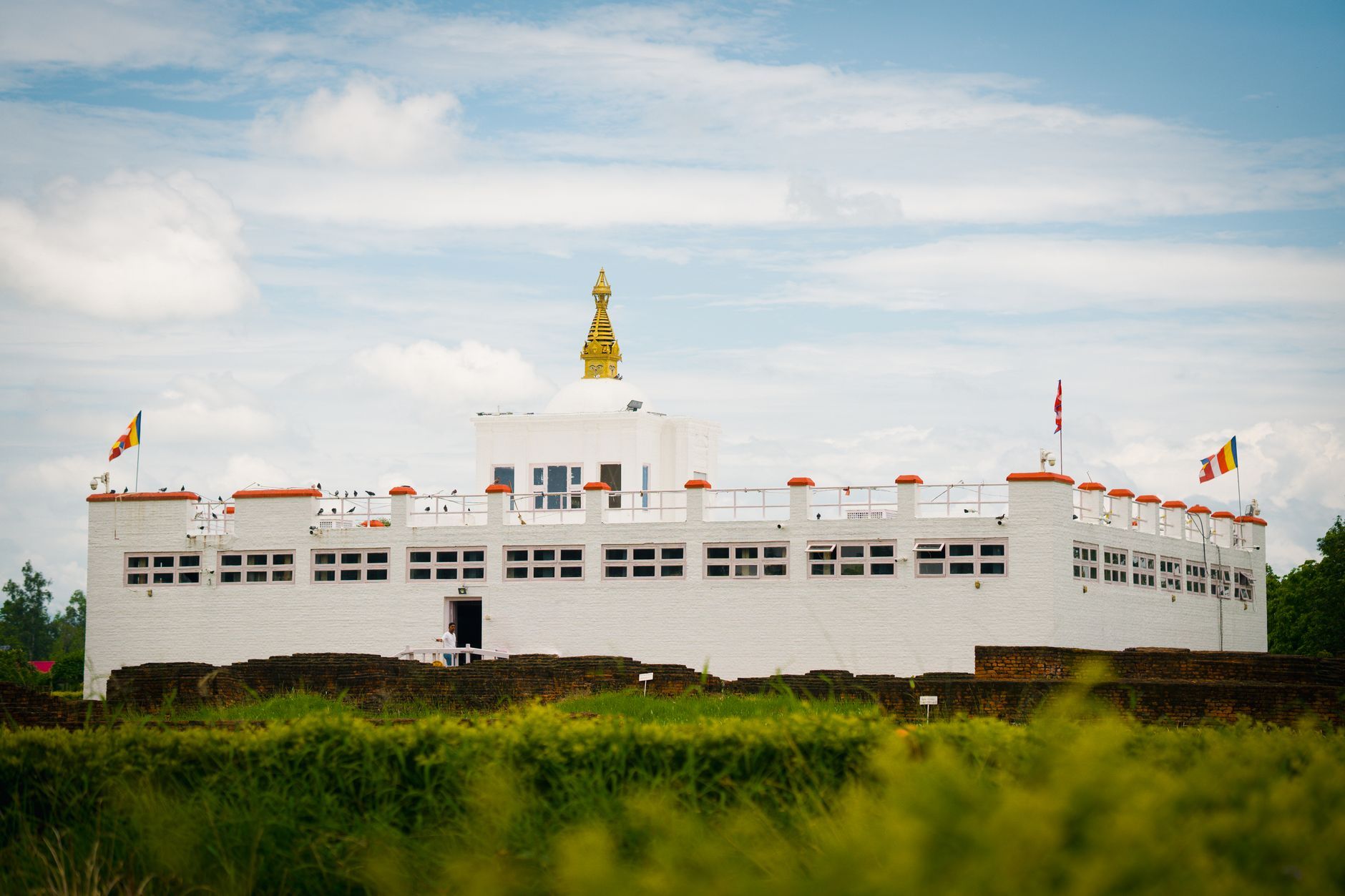
After a relaxed breakfast. Explore Lumbini’s Sacred Garden, Monastic Zones, and the Lumbini Museum. Lumbini is a UNESCO World Heritage Site in Nepal, renowned as the birthplace of Siddhartha Gautama, who later became the Buddha. Located in the Rupandehi district, it's a major Buddhist pilgrimage site and holds significant historical and archaeological importance. Dinner and overnight in Lumbini.
Day 9
Lumbini to Shravasti
After relaxed breakfast checkout and proceed for the final leg of the tour to Shravasti, historically significant for Buddhism where the Buddha spent spent 24 rainy seasons and delivered important teachings. On reaching check-in to the hotel and after bit of rest proceed for sightseeing. We visit Jetavana Monastery and Angulimala Stupa. The region also features a variety of other Buddhist temples and is a destination for Buddhist pilgrims. By evening back to hotel, dinner & stay.
Day 10
Drop to Lucknow Airport
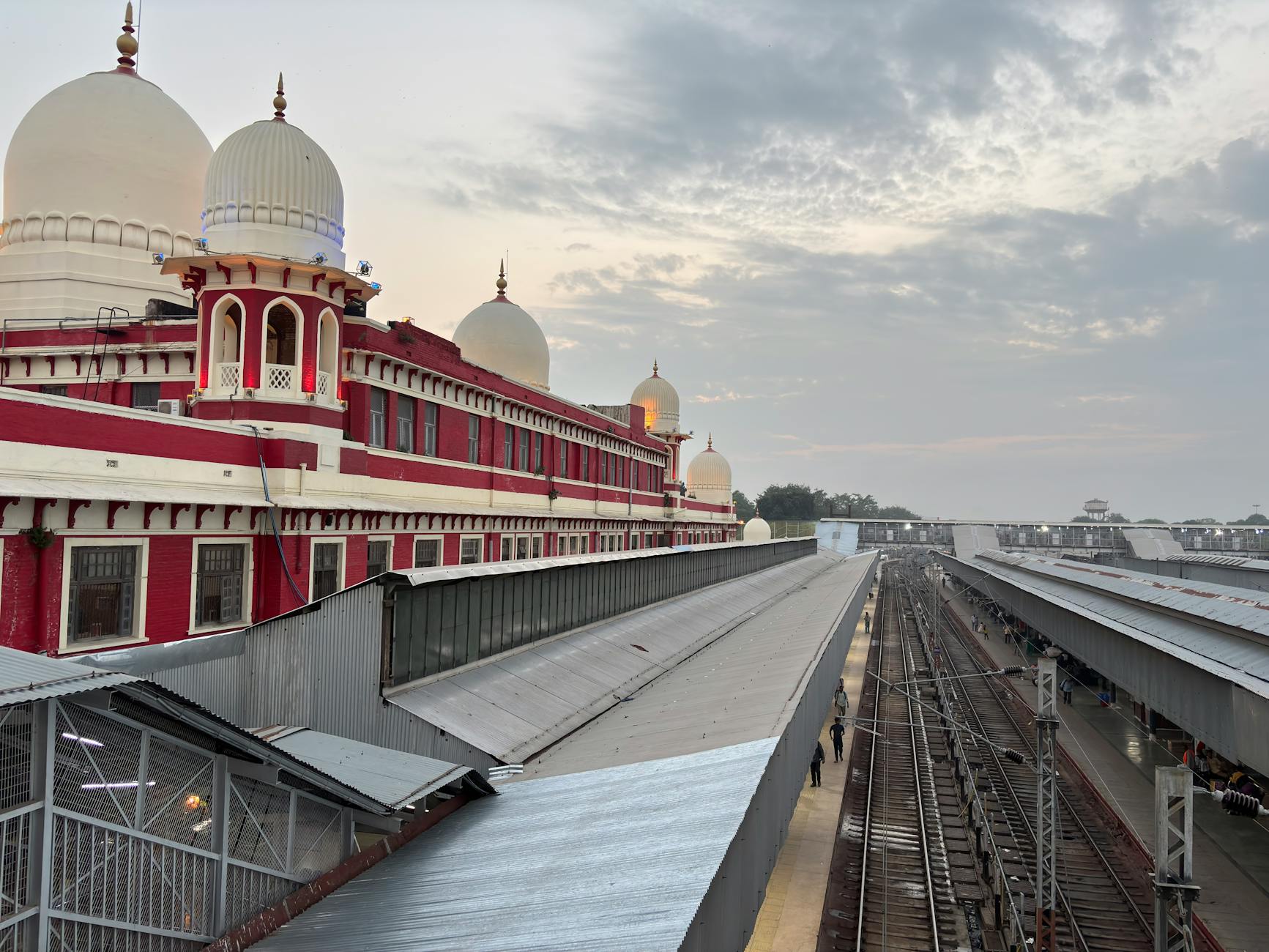
After breakfast, checkout in time and transfer to nearest Airport of Lucknow for your flight back home with blessings and wisdom gathered from this holy tour.
Where You'll Stay
Hand-Picked Hotels
Varanasi (2 Nights)
Acadia
or Meridan Grand
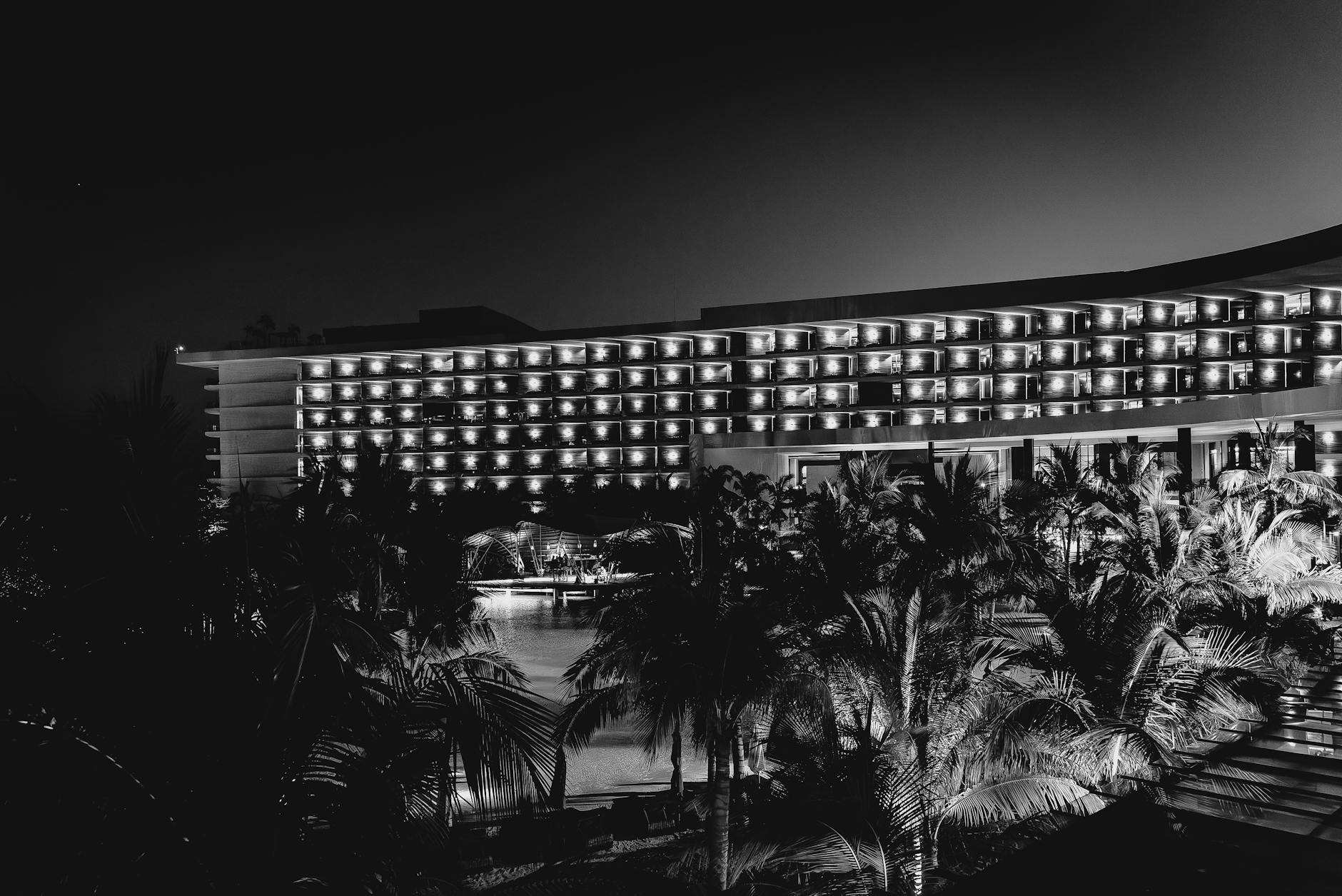
Bodhgaya (2 Nights)
Anand International
or Bodhgaya Regency
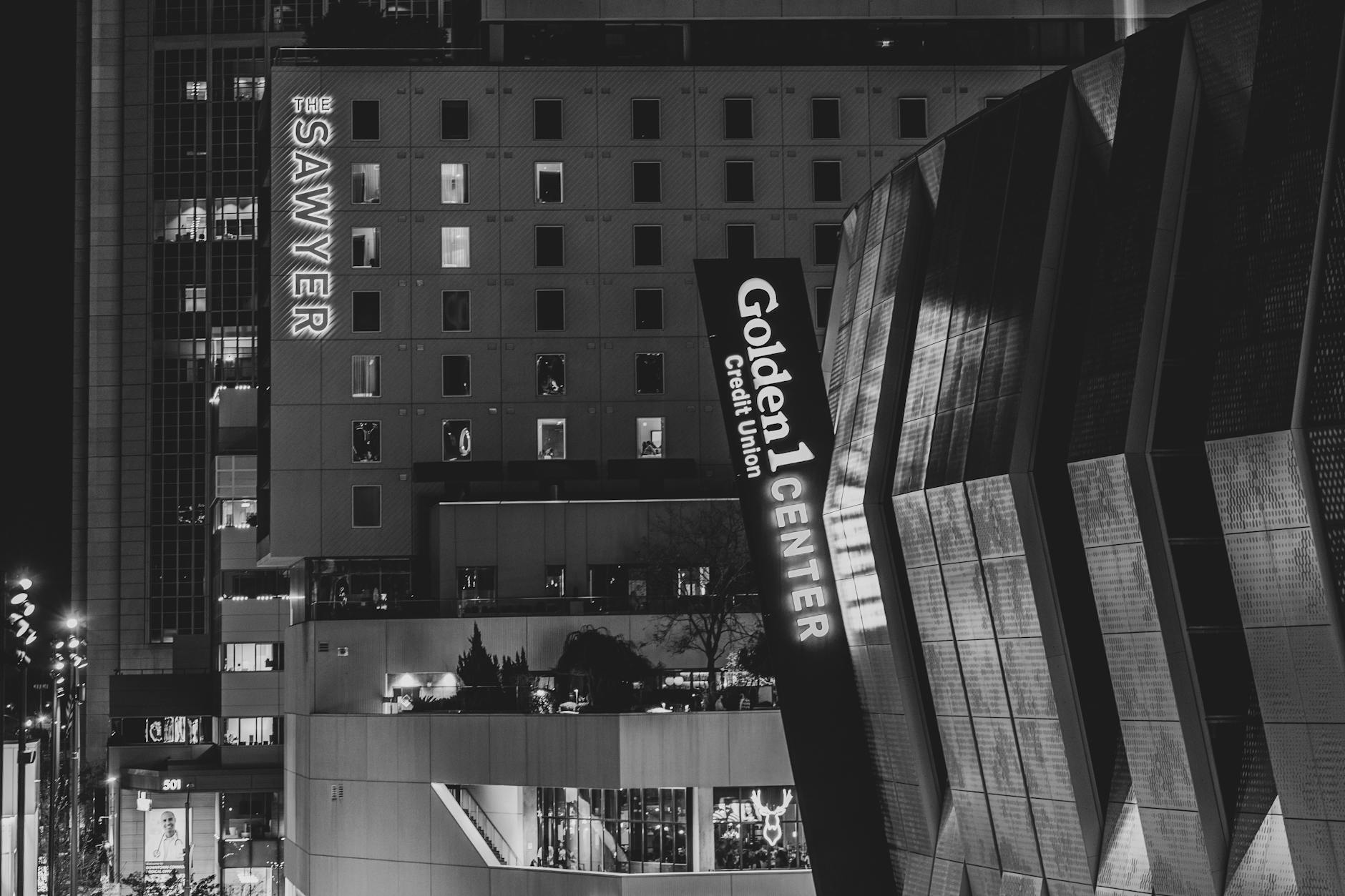
Patna (1 Night)
Patliputra Exotica
or Gargee Grand
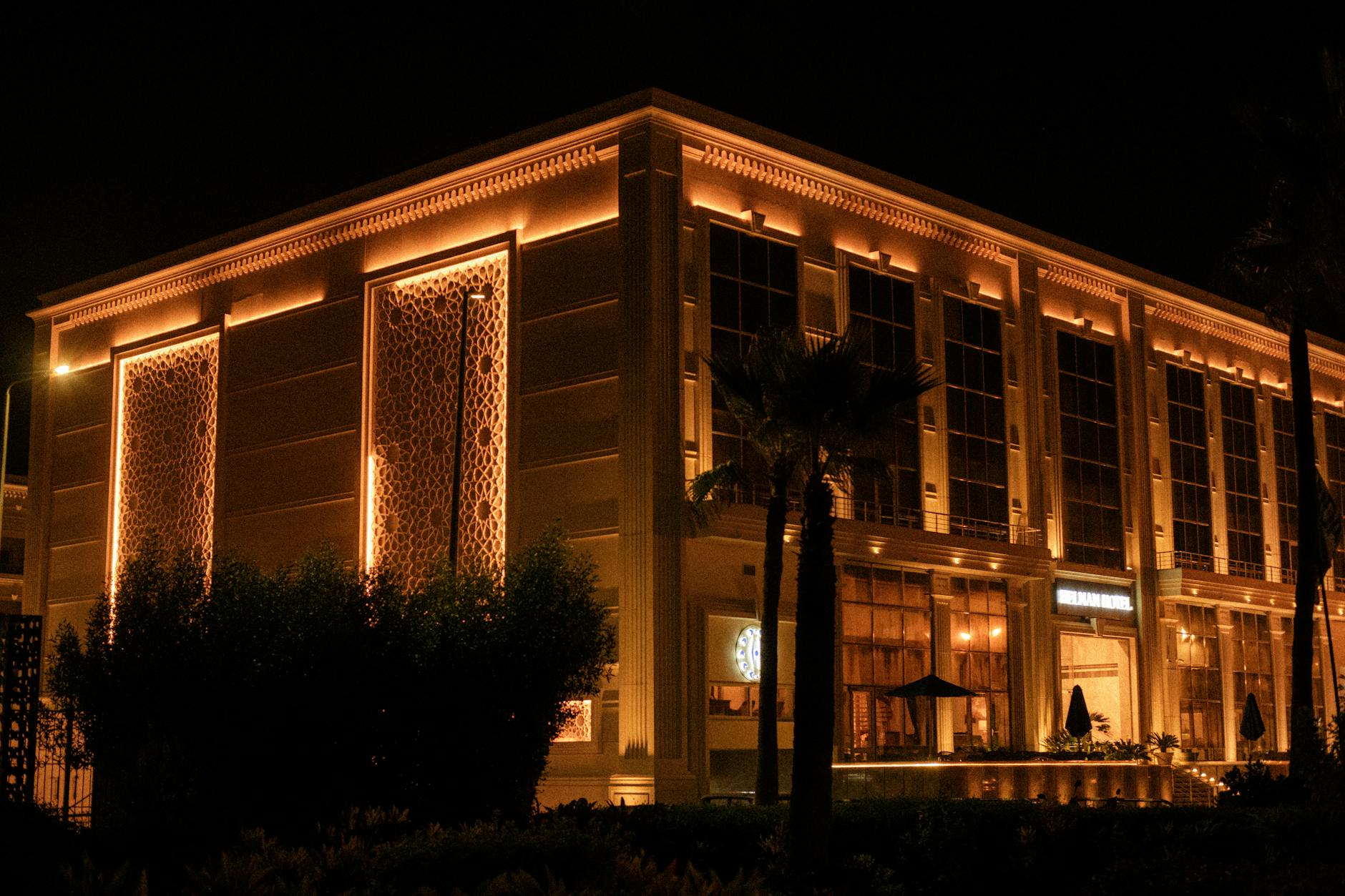
Kushinagar (1 Night)
Imperial
or Jp Palace
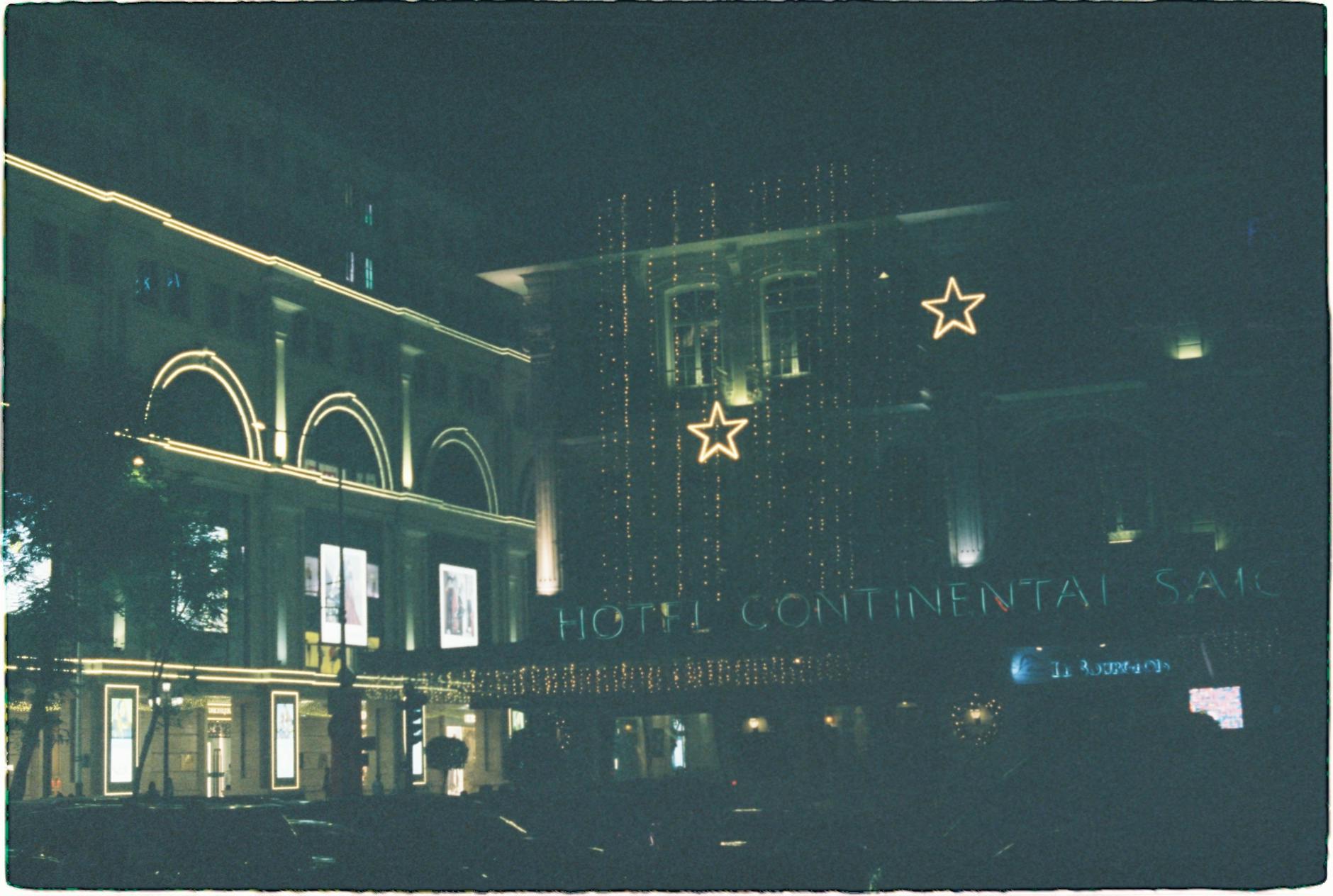
Lumbini (2 Night)
The Mourya
or Landmark Bhairava
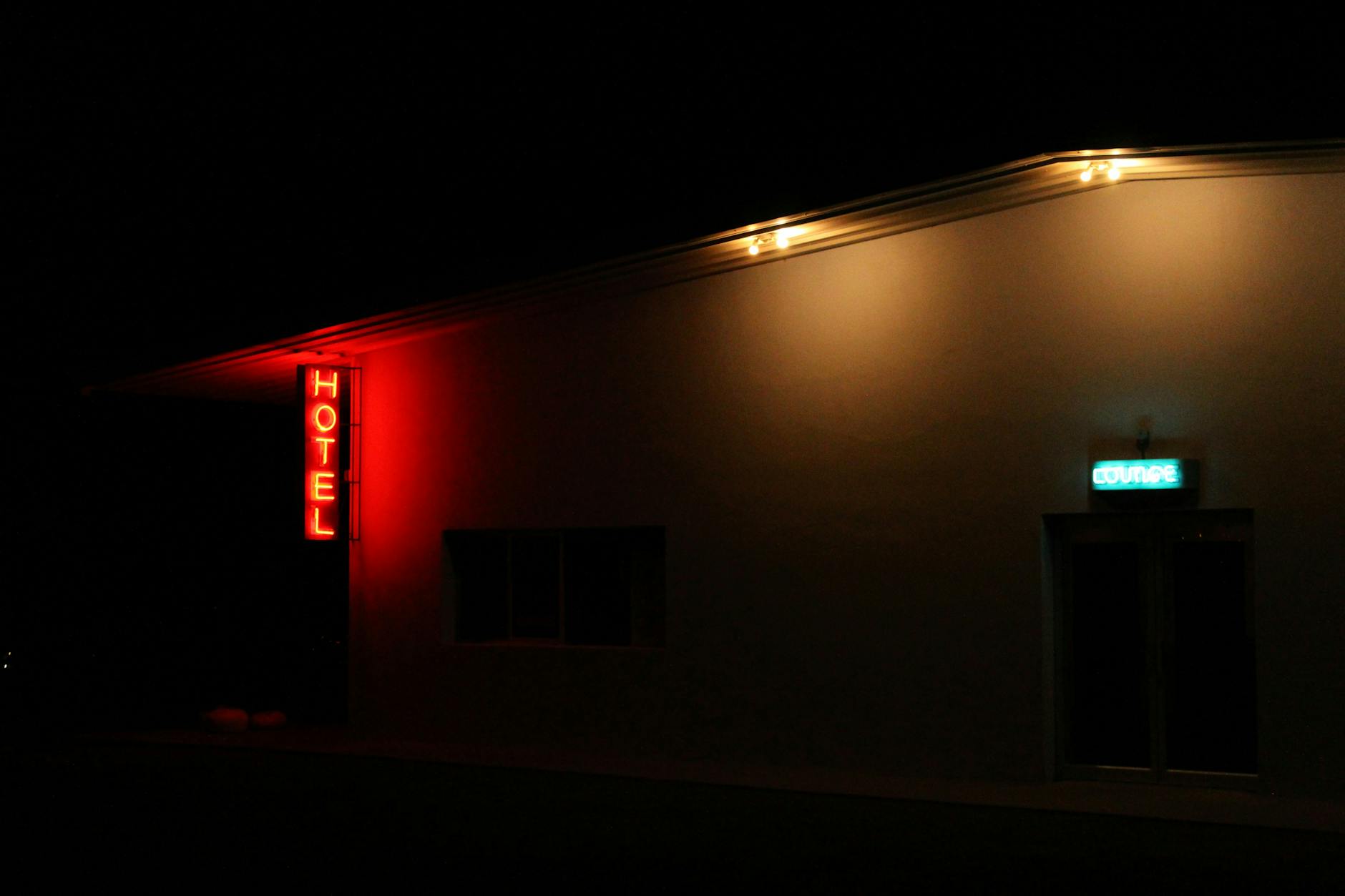
Shravasti (1 Night)
Hotel Platinum
or Tulip Inn
Varanasi (2 Nights)
Acadia
or Meridan Grand
Bodhgaya (2 Nights)
Anand International
or Bodhgaya Regency
Patna (1 Night)
Patliputra Exotica
or Gargee Grand
Kushinagar (1 Night)
Imperial
or Jp Palace
Lumbini (2 Night)
The Mourya
or Landmark Bhairava
Shravasti (1 Night)
Hotel Platinum
or Tulip Inn
Honestly
Things most travel sites won't tell you.
On-the-ground details your designer wishes every guest knew before they landed.
Things to Look Out For
India is not one country, climate-wise
Rajasthan in February reads dry-cold; Kerala in February reads humid-warm; Sikkim in February might be under snow. Pack for the specific itinerary, not 'India in general'. Tibro's per-state tours are tuned to one climate at a time. Don't try to chain three of them back-to-back.
Tipping is structured, not arbitrary
Driver tips at ₹500-1000 per day, guide tips at ₹500-1000 per half-day, hotel housekeeping ₹100 per day, restaurant 10% on top of any service charge already listed. Hand the driver/guide an envelope on the last day rather than tipping daily. It is more dignified for them.
Tap water and ice are a real consideration
Every Tibro-tier hotel provides sealed bottled water in the room daily. Use it for brushing your teeth too. At restaurants, ask for "sealed bottled water" specifically. Some places will pour from a filtered jug, which is fine in some kitchens and not in others. Ice is the hidden trap; ask for "no ice" with cold drinks unless the hotel makes its own.
- №1
India is not one country, climate-wise
Rajasthan in February reads dry-cold; Kerala in February reads humid-warm; Sikkim in February might be under snow. Pack for the specific itinerary, not 'India in general'. Tibro's per-state tours are tuned to one climate at a time. Don't try to chain three of them back-to-back.
- №2
Tipping is structured, not arbitrary
Driver tips at ₹500-1000 per day, guide tips at ₹500-1000 per half-day, hotel housekeeping ₹100 per day, restaurant 10% on top of any service charge already listed. Hand the driver/guide an envelope on the last day rather than tipping daily. It is more dignified for them.
- №3
Tap water and ice are a real consideration
Every Tibro-tier hotel provides sealed bottled water in the room daily. Use it for brushing your teeth too. At restaurants, ask for "sealed bottled water" specifically. Some places will pour from a filtered jug, which is fine in some kitchens and not in others. Ice is the hidden trap; ask for "no ice" with cold drinks unless the hotel makes its own.
The Details
What's Included
Included
- Airport/Station transfers on arrival and departure
- All transfers and sightseeing by AC vehicle as per the itinerary
- Stay for 9 nights in well-appointed rooms as per package category selected
- Daily breakfast and dinner in comfort of the hotel
- Guide for sightseeing in Varanasi
Not Included
- Any Train/airfare
- Any Kind of Personal Expenses or Optional Tours, Extra Meals or drinks
- Monument Entrances, Rafting, or any other add-on activities charges
Plan Your Timing
When to Go
India has three windows for travel. October–March is the cool/dry season. The headline window, when most of the subcontinent is at its most welcoming. April–June is hot and increasingly dangerous in the north plains. July–September is the southwest monsoon. Beautiful for Kerala Ayurveda lovers, hard for sightseeing. This Kerala tour sits squarely in the post-monsoon clear window.
Kerala has two monsoons (southwest Jun–Aug heavy; northeast Oct–Nov a brief secondary). The Winters 25-26 departure window avoids both. Ayurveda treatments traditionally peak with the monsoon, but the tour itinerary itself works best in dry season.
Your Memoir
Here's how you'll remember it.
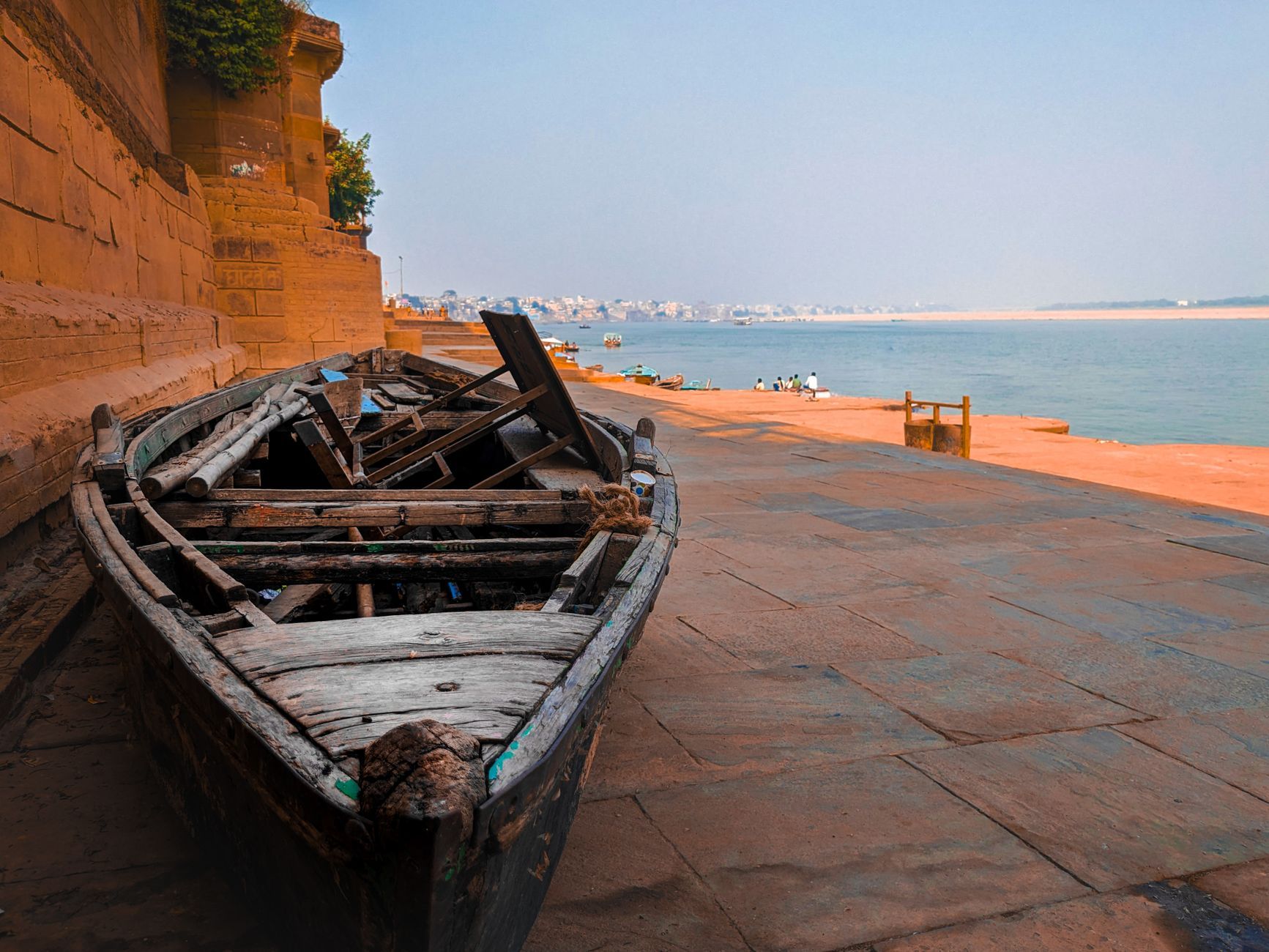
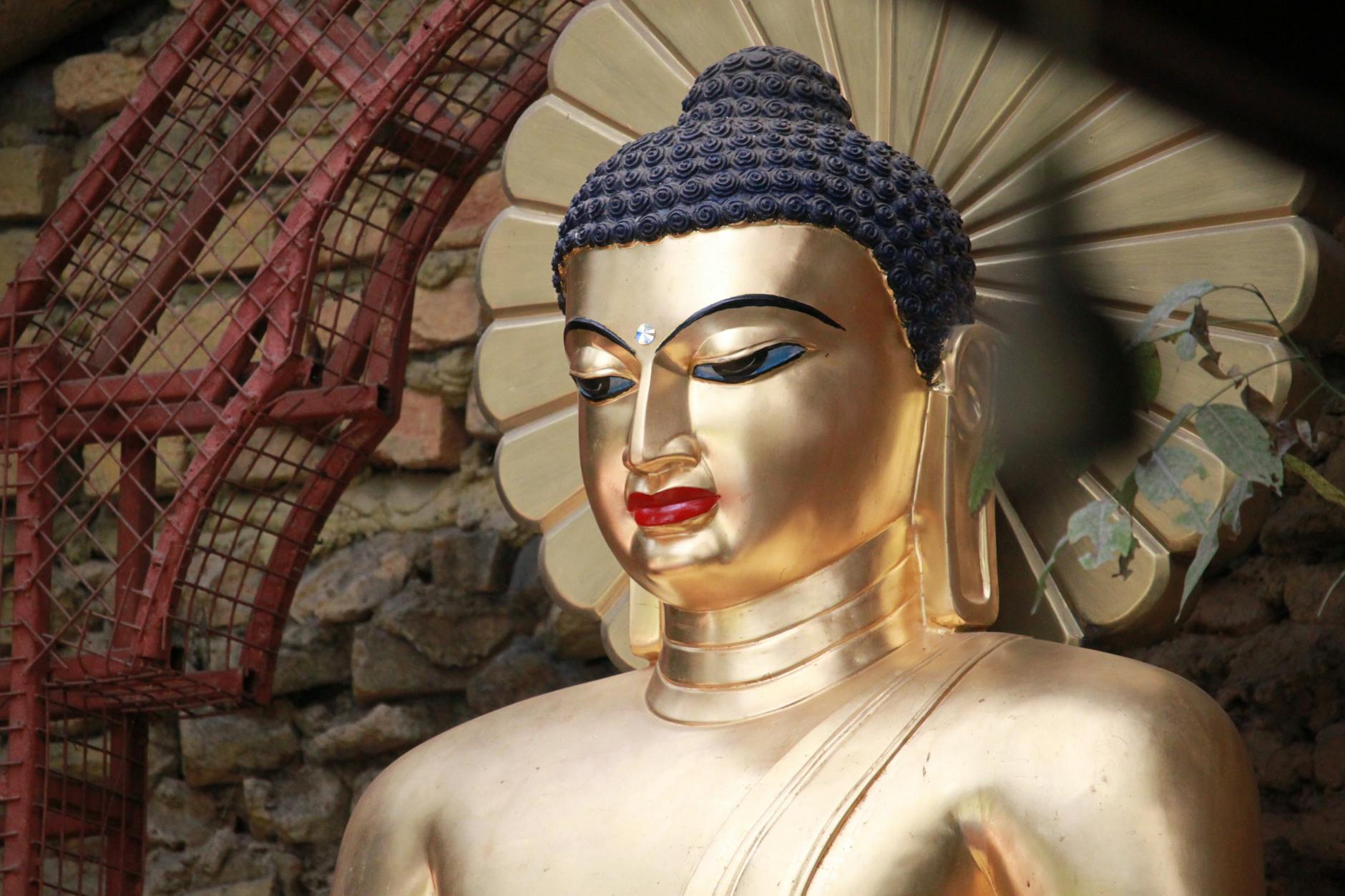
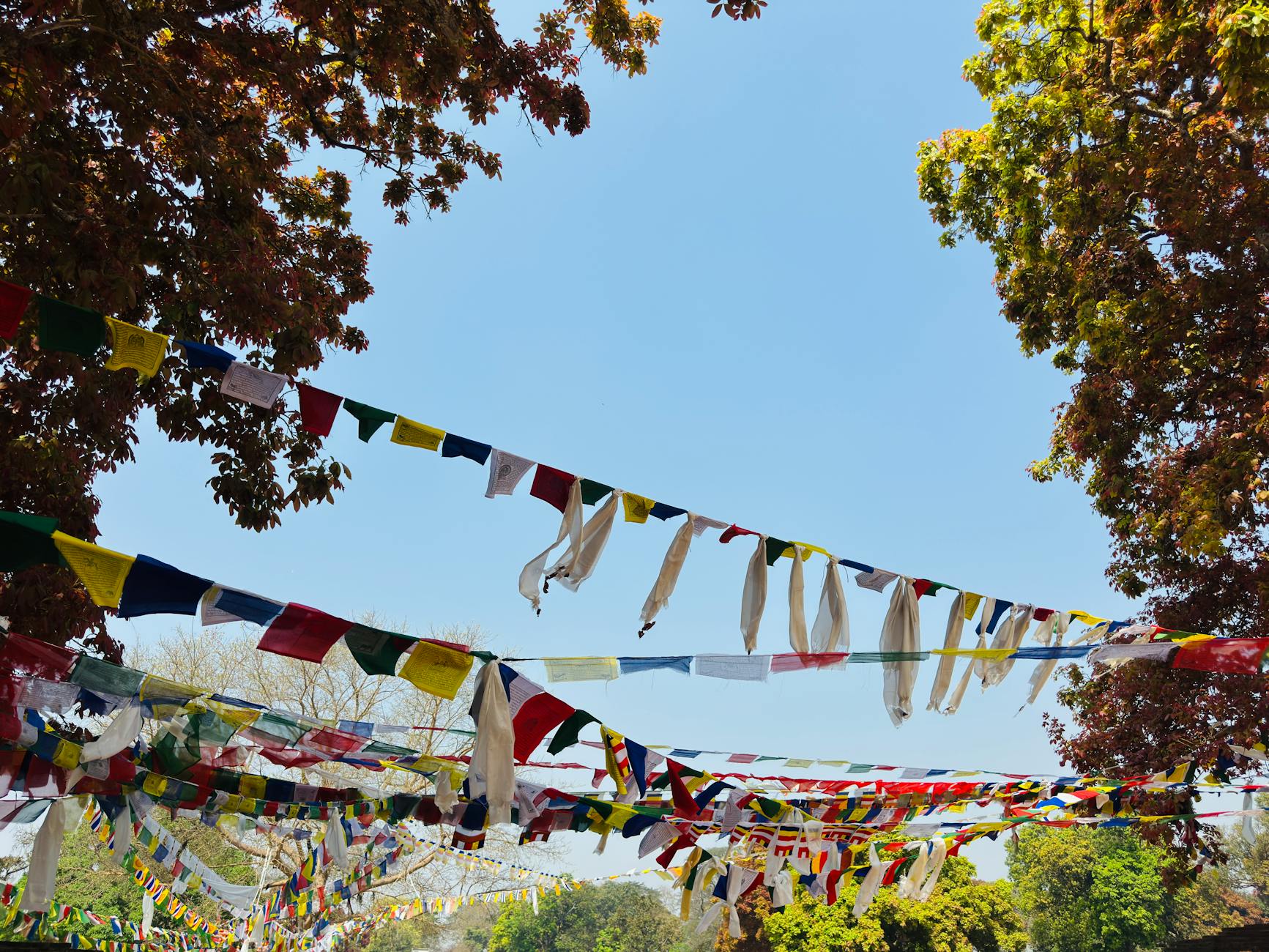
Vol. 63, A Tibro memoir, printed on archival paper, shipped after you return.
Enquire
Start the conversation.
Tell us your dates and preferences. A Tibro travel designer will respond within 24 hours.