South India
Best for
Devotees, Culture Seekers
Duration
9 Nights / 10 Days
Season
October–March
Difficulty
Easy
Vibe
Spiritual, Pilgrimage
South India
9 Nights / 10 Days, 5 cities, From ₹88,451
per person, twin sharing
A Tibro Journey
Nine nights down the eastern coast and back along the west. The temple-towns of Tamil Nadu, the southern tip at Kanyakumari, and the Kovalam cliff to close. A long, slow read of the South.
The Dakshin Yatra (9 Nights). Winters 25-26 is a spiritual journey through Chennai, Madurai, Rameshwaram, Kanyakumari, Trivandrum. 9 nights / 10 days that moves through Chennai, Madurai, Rameshwaram with private transport, hand-selected hotels, and a dedicated Tibro travel designer at every step.
Signature Moments
Three Mornings You'll Remember
No. 01
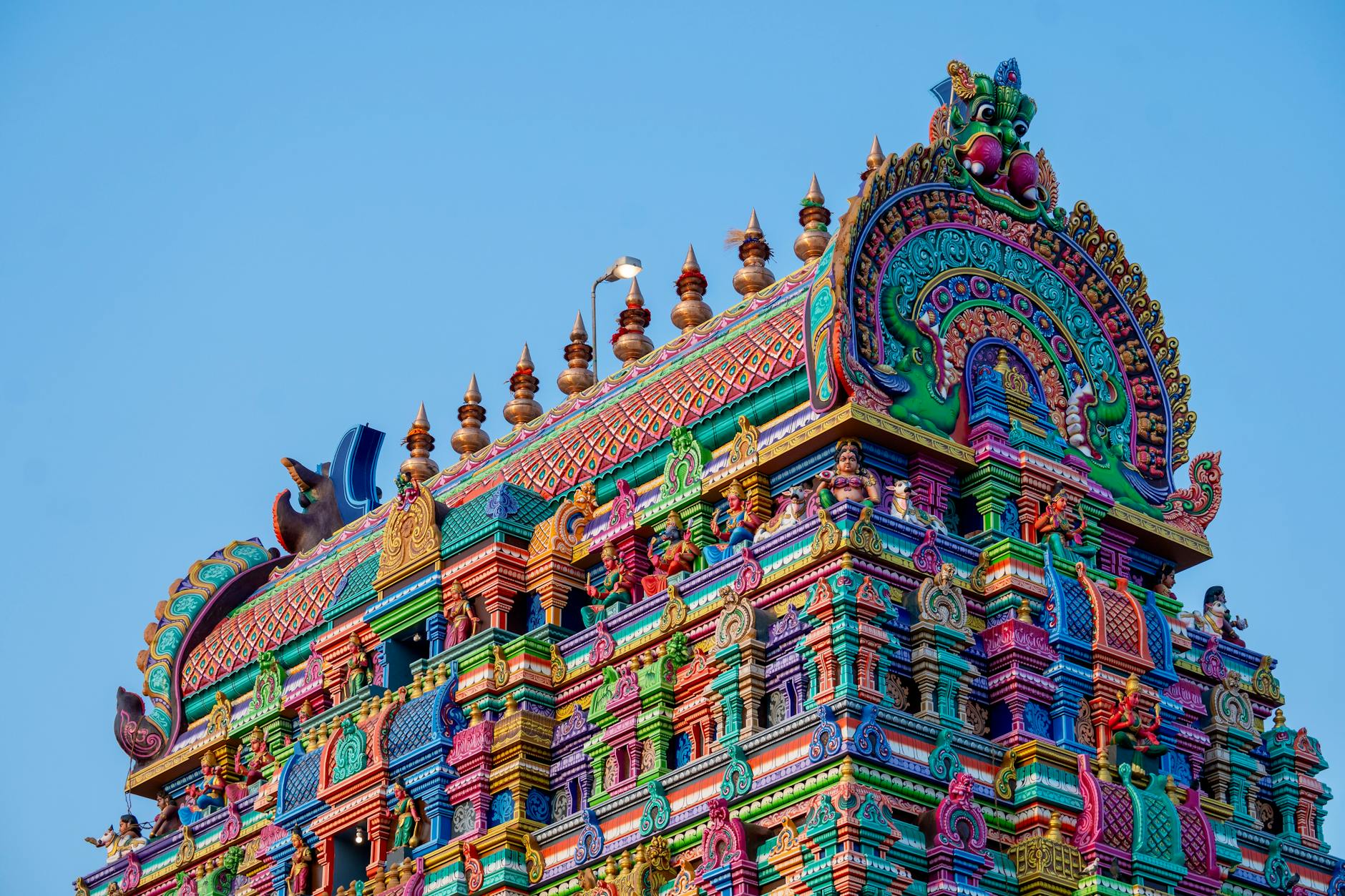
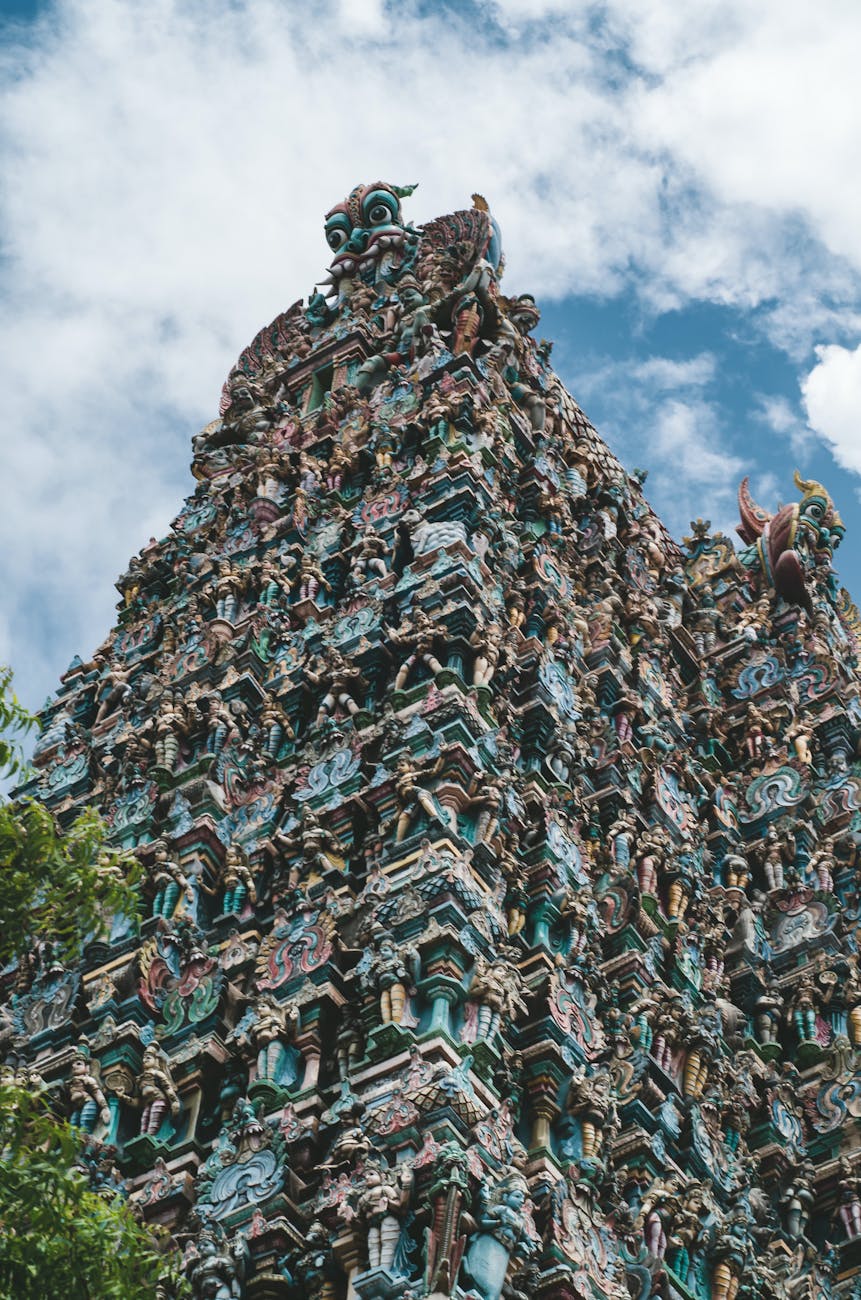
Meenakshi Amman Temple
The 14-towered Dravidian colossus in the temple city of Madurai.
No. 02
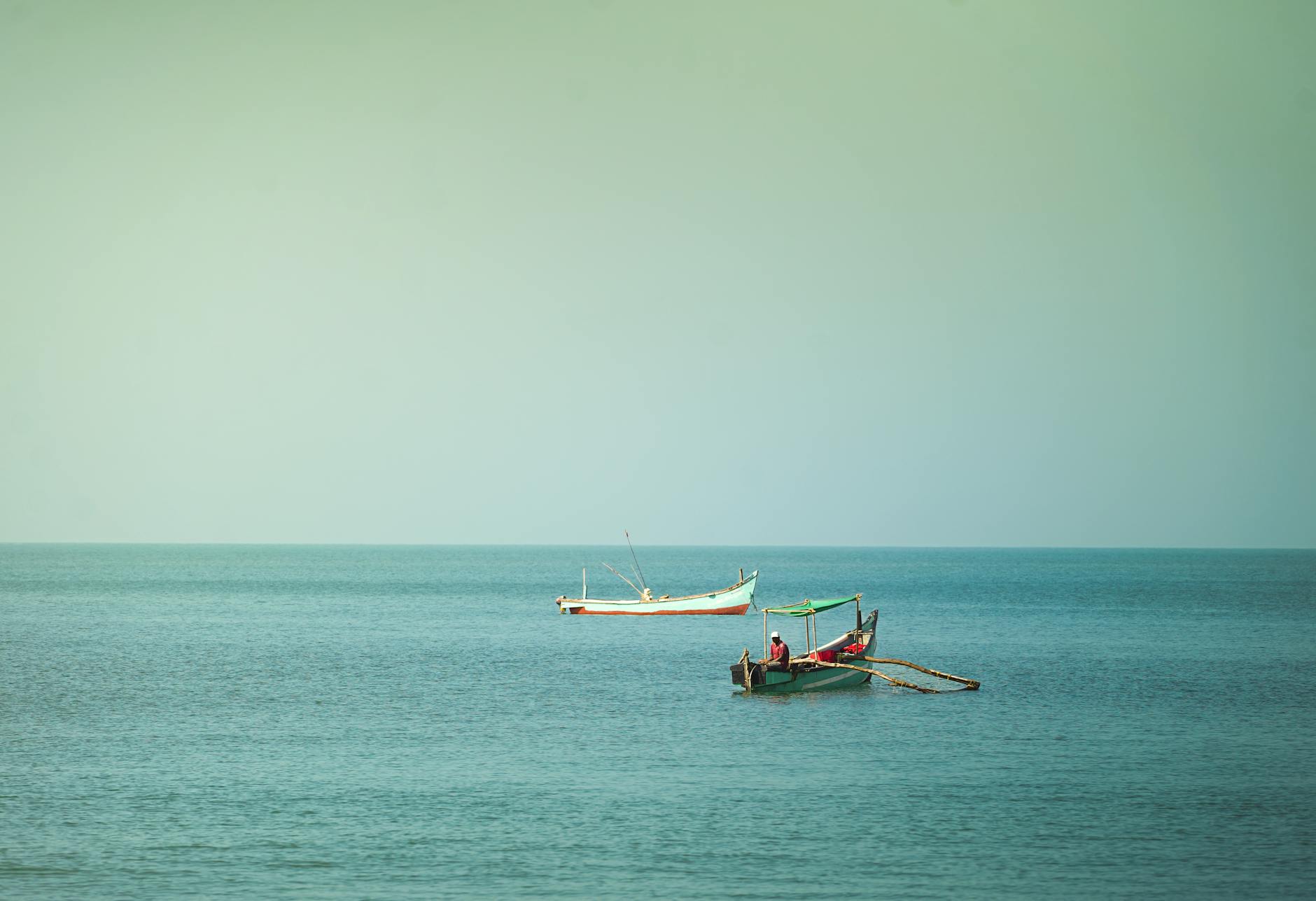
Rameshwaram Ramsetu
The sacred causeway and 22 holy wells of the Ram temple.
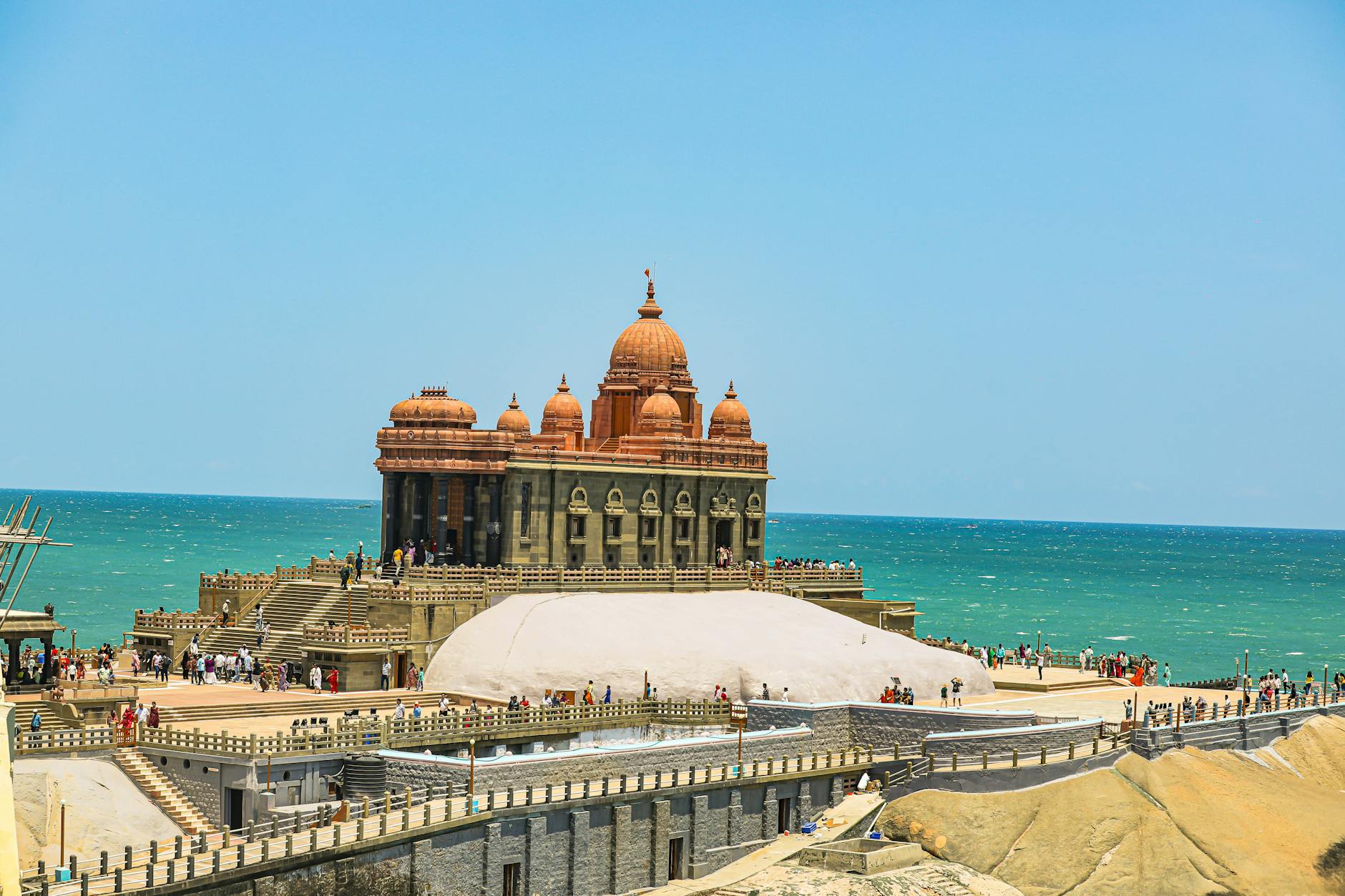
No. 03
Kanyakumari, Three-Sea Point
The southern tip of India where the Arabian Sea, Bay of Bengal, and Indian Ocean meet.
No. 01
Meenakshi Amman Temple
The 14-towered Dravidian colossus in the temple city of Madurai.
No. 02
Rameshwaram Ramsetu
The sacred causeway and 22 holy wells of the Ram temple.
No. 03
Kanyakumari, Three-Sea Point
The southern tip of India where the Arabian Sea, Bay of Bengal, and Indian Ocean meet.
The Route
Your India, Mapped
Day by Day
9 Nights / 10 Days, in order
Day 1
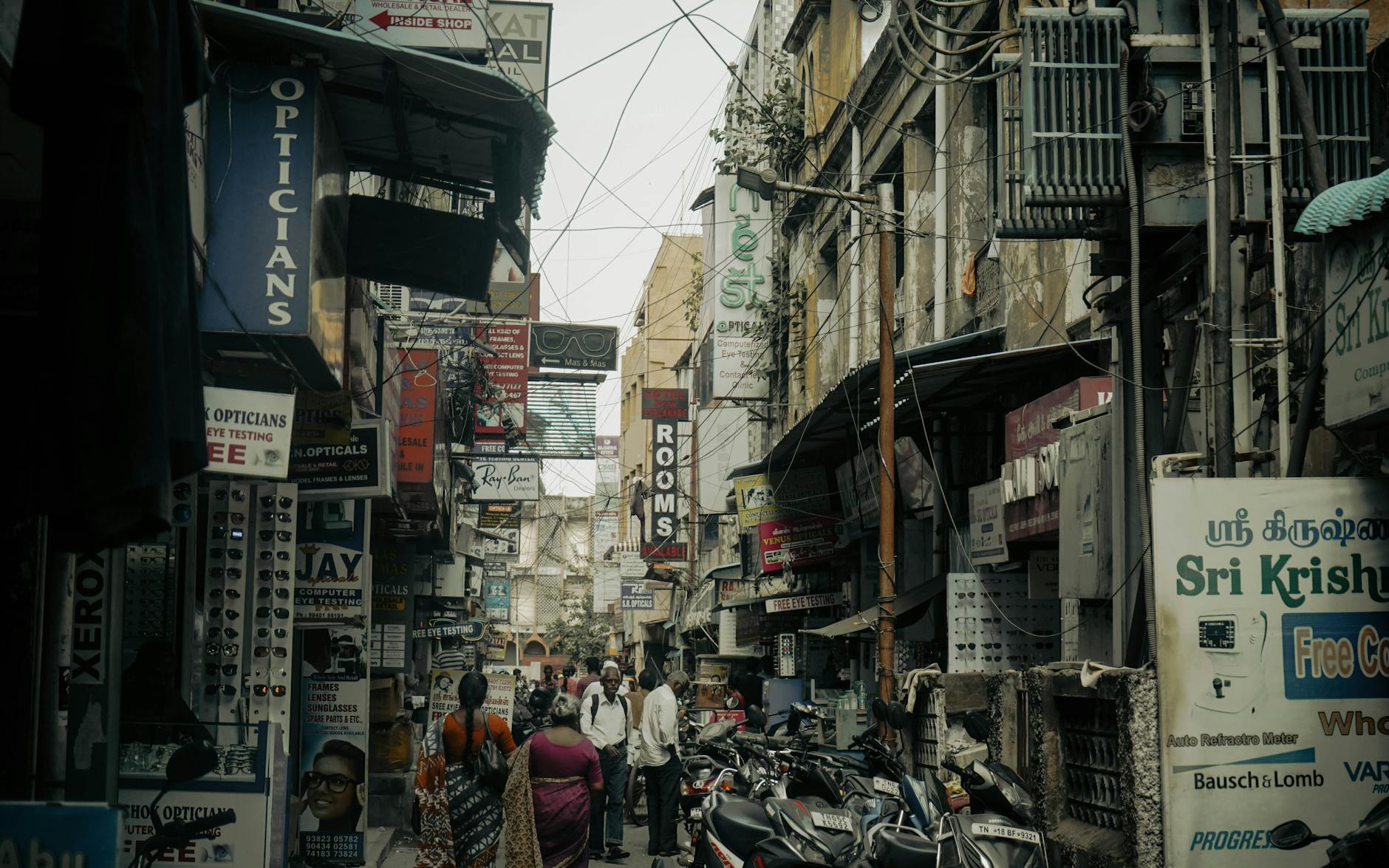
Arrival Chennai, to Pondicherry, Via Mahabalipuram
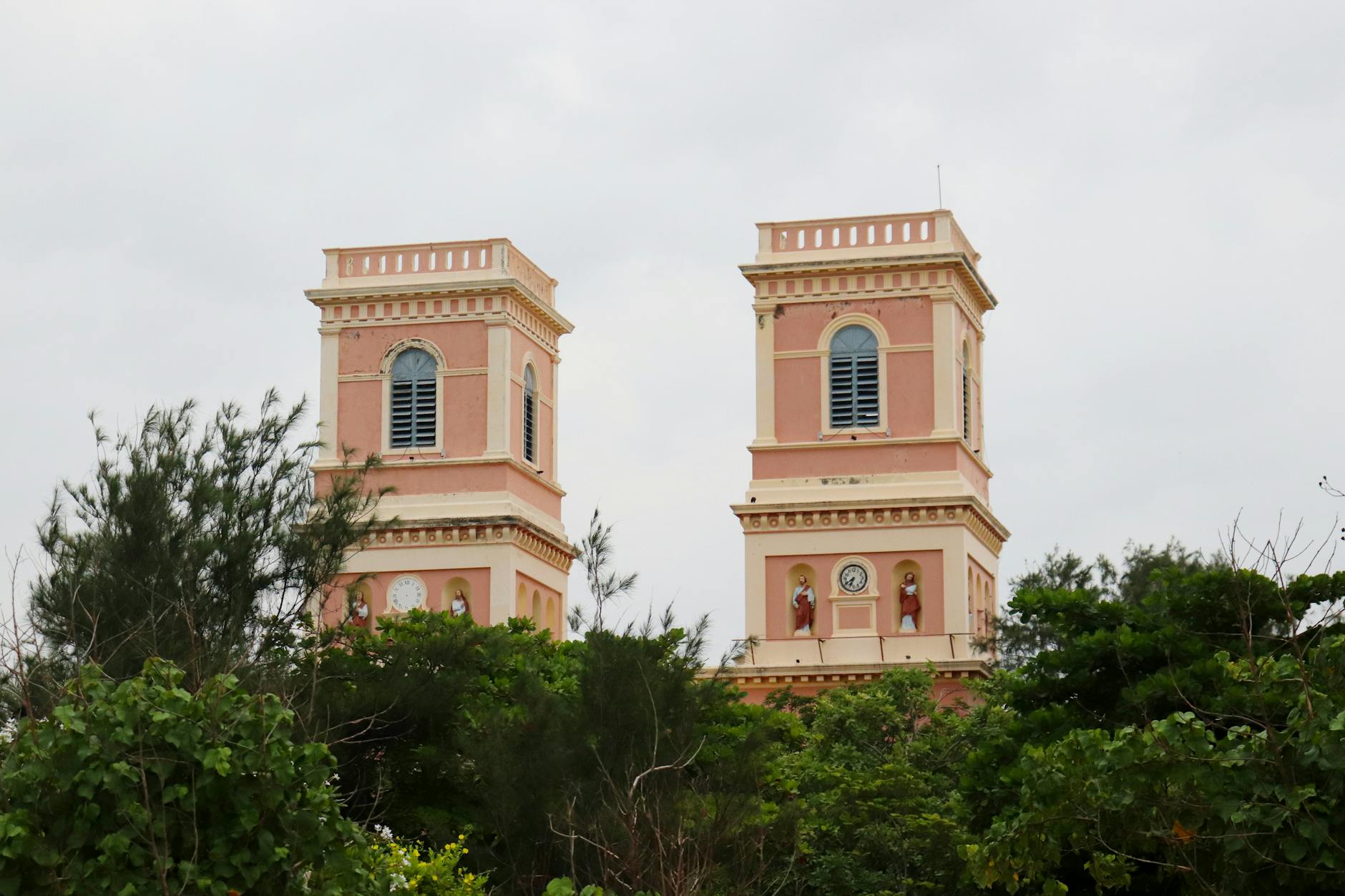
On arrival at Chennai Airport, our driver will receive you and drive you towards Pondicherry. Enroute we will visit the ancient town of Mahabalipuram which also recognized by UNESCO as world heritage site being a place of immense archaeological importance. Mahabalipuram, was the major seaport of the ancient Pallava kingdom based at Kanchipuram. A wander around the town’s magnificent, World Heritage– listed temples and carvings inflames the imagination, especially at sunset. Visit iconic Shore temple and other group of monuments, Descent of Ganges, Varaha cave temple, Krishna’a butterball, and Pancha Rathas. Later continue your drive to famous colonial town of Pondicherry. On reaching check-in to the hotel, freshen up and relax. You can go for a leisure walk into white town by the promenade and experience the old world colonial charm. The older 'French' part of town is full of quiet, clean streets, lined with bougainvillea-draped colonial-style townhouses. Dinner and overnight stay at the hotel. +-------------------------------------------------------------------------------------------------------------+ | The Interesting Story of the Day | +-------------------------------------------------------------------------------------------------------------+ | It is believed that after Hiranyakashipu was killed by Lord Vishnu’s 4th avatar (Narsimha), son Prahalad | | became the king and his grandson Mahabali founded this ancient town. Mahabali who later sacrificed himself | | to Lord Vishnu’s 5th avatar (Vaman), he attained liberation | | Now the iconic shore temples of Mahabalipuram, showcases remnants of ancient port city of Pallava | | Kingdom. Said to be the one of the oldest city of the world, had a thriving sea route trade with Europe and | | middle east in ancient times . | +-------------------------------------------------------------------------------------------------------------+
Day 2
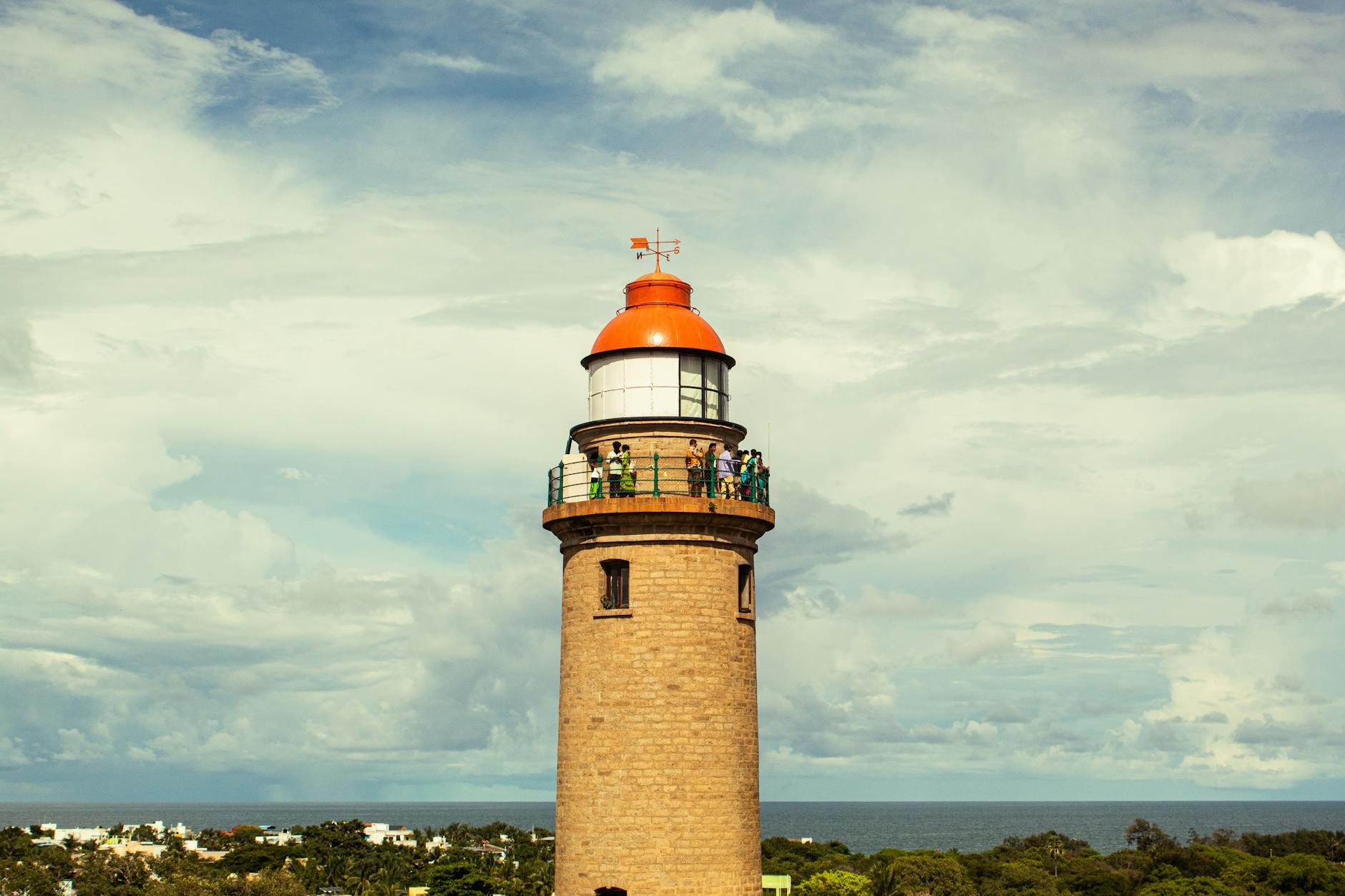
Sightseeing Tour of Pondicherry
After breakfast, embark on a full day sightseeing tour of Pondicherry. Pondicherry has had a rich, vibrant, and colorful past that has shaped it the way it is. This day tour of the city and highlights of Pondicherry opens you up to avenues that are worth visiting and memories that are worth cherishing. You will go to explore places like Auroville, Aurobindo Ashram, Manakula Vinayagar Temple, Pondicherry Museum, Bharati Park, Botanical Garden, Chunnambar Boating, Auroville Beach, Promenade Beach, Nehru Street, and Paradise Beach. By evening back to hotel. Dinner and overnight stay. +------------------------------------------------------------------------------------------------------------+ | The Interesting Story of the Day | +------------------------------------------------------------------------------------------------------------+ | There is reference of Pondicherry in Vedas as Vedpuri which was small hamlet where learned scholars and | | artist used to live. Later became a thriving port town during rule of Pallavas followed by Cholas, Pandyas | | and so on… With the prosperity evident, French East India company arrived in 16th Century, making a | | colonial settlement by setting up a French town (now known as white town) by French pioneer Francois | | Martin. Pondicherry remained in foreign hands till it was annexed to republic of Indian in 1954! | +------------------------------------------------------------------------------------------------------------+
Day 3
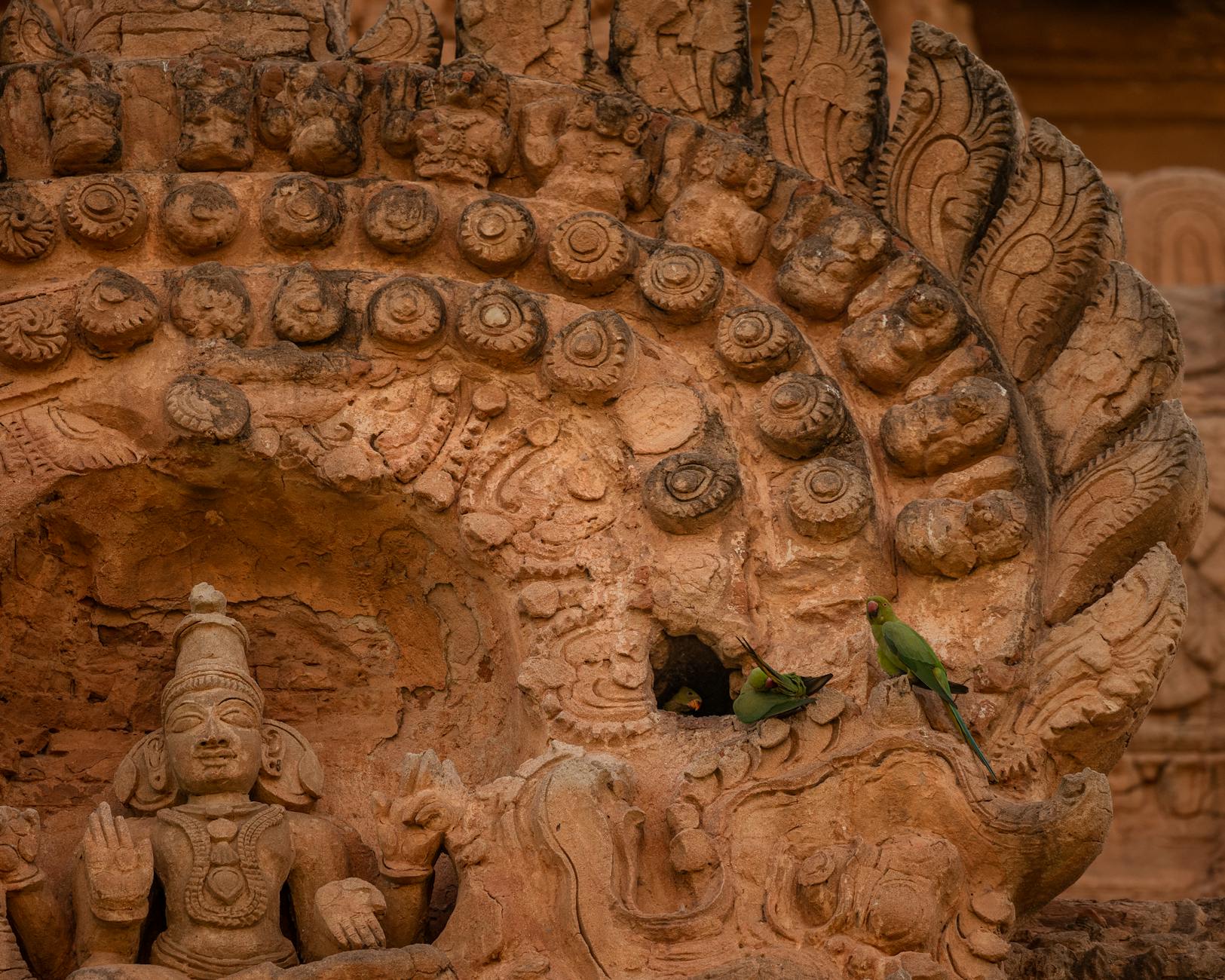
Transfer to Tanjore(Thanjavur), Via Kumbhakonam
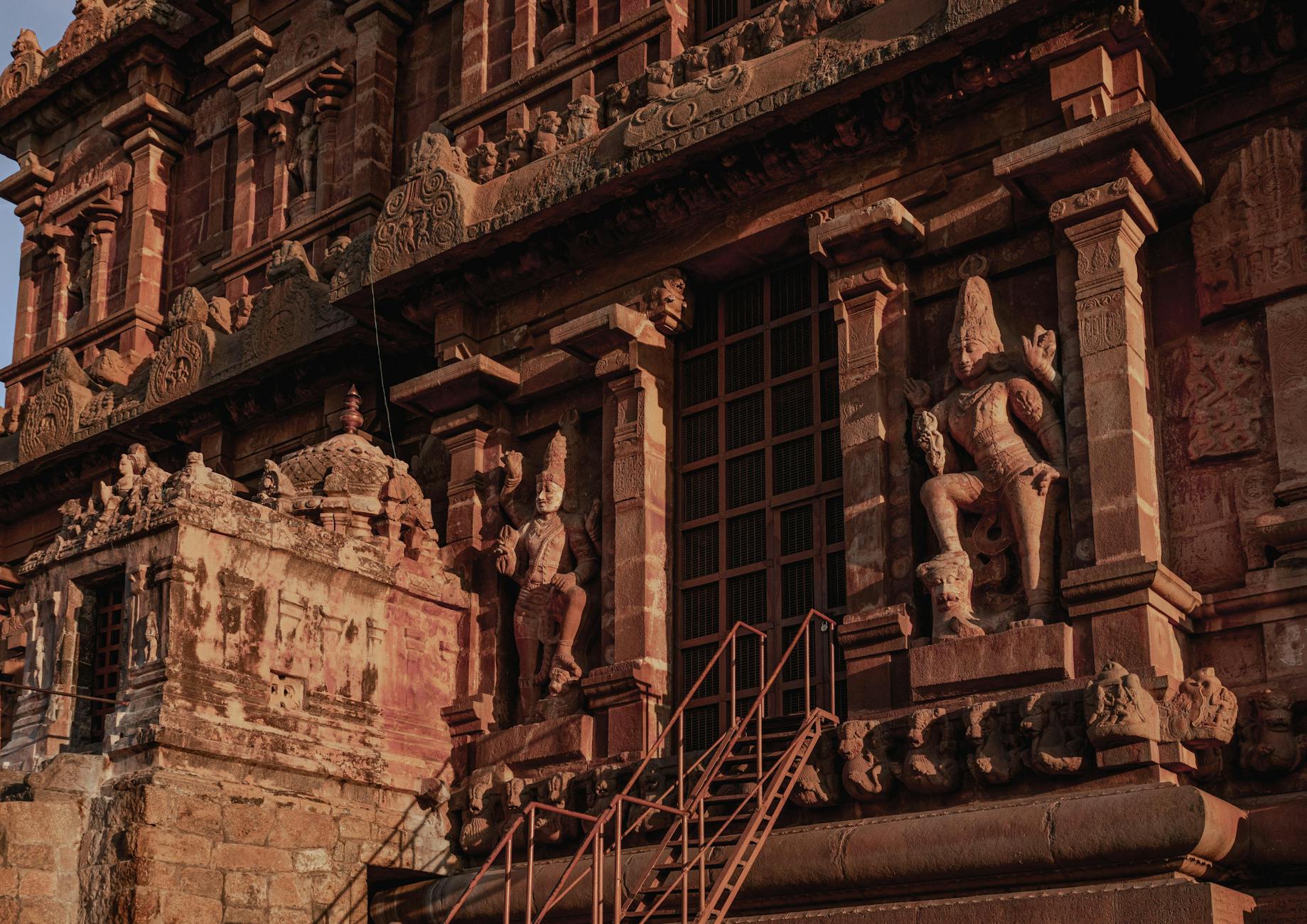
After breakfast, checkout and depart for Tanjore, enjoy a 4 hour drive passing the various villages and countryside with view of distinct south Indian styled livelihoods. Enroute we visit two iconic monuments in town of Kumbhakonam. First being majestic Gagaikonda Cholapuram Shiva temple, followed Airavatesvara Temple at Darasuram. Later on reaching Tanjore check-in to your hotel and after bit of rest can proceed for sightseeing tour. Here are the ochre foundation blocks of perhaps the most remarkable civilisation of Dravidian history, one of the few kingdoms to expand Hinduism beyond India, a bedrock for aesthetic styles that spread from Madurai to the Mekong. A dizzying historical legacy was forged from Thanjavur, capital of the great Chola empire during its heyday. Today Thanjavur is a crowded, hectic, modern Indian town – but the past is still very much present. Every day thousands of people worship at the Cholas' grand Brihadeshwara Temple, and the city's labyrinthine royal palace preserves memories of other, later powerful dynasties. After temple visit, visit to market streets and you may shop for famous Tanjore Silk sarees. Later back to hotel for dinner and overnight stay. +--------------------------------------------------------------------------------------------------------------+ | The Interesting Story of the Day | +--------------------------------------------------------------------------------------------------------------+ | The Brihadeshwara temple is over 1000 years old, with temple top capstone (Kumbham) weighing 80 tons | | is still a mystery with no definitive answer on how such heavy stone was place atop. Furthermore the ‘Nandi’ | | which is over 20 tons is carved out of single rock. | | Built by the greatest Chola Empire king Rajaraja, the walls of the temple still contain inscriptions. Temple | | was symbolic seat of Chola king and had over 1500 staff including 100s of priests stationed here to look | | after temple. | | UNESCO recognised it as ‘Great Living Chola temples’ (living… because they are active temples with daily | | rituals and other yearly festivities still being conducted mostly as per 1000 years old traditions). | +--------------------------------------------------------------------------------------------------------------+
Day 4
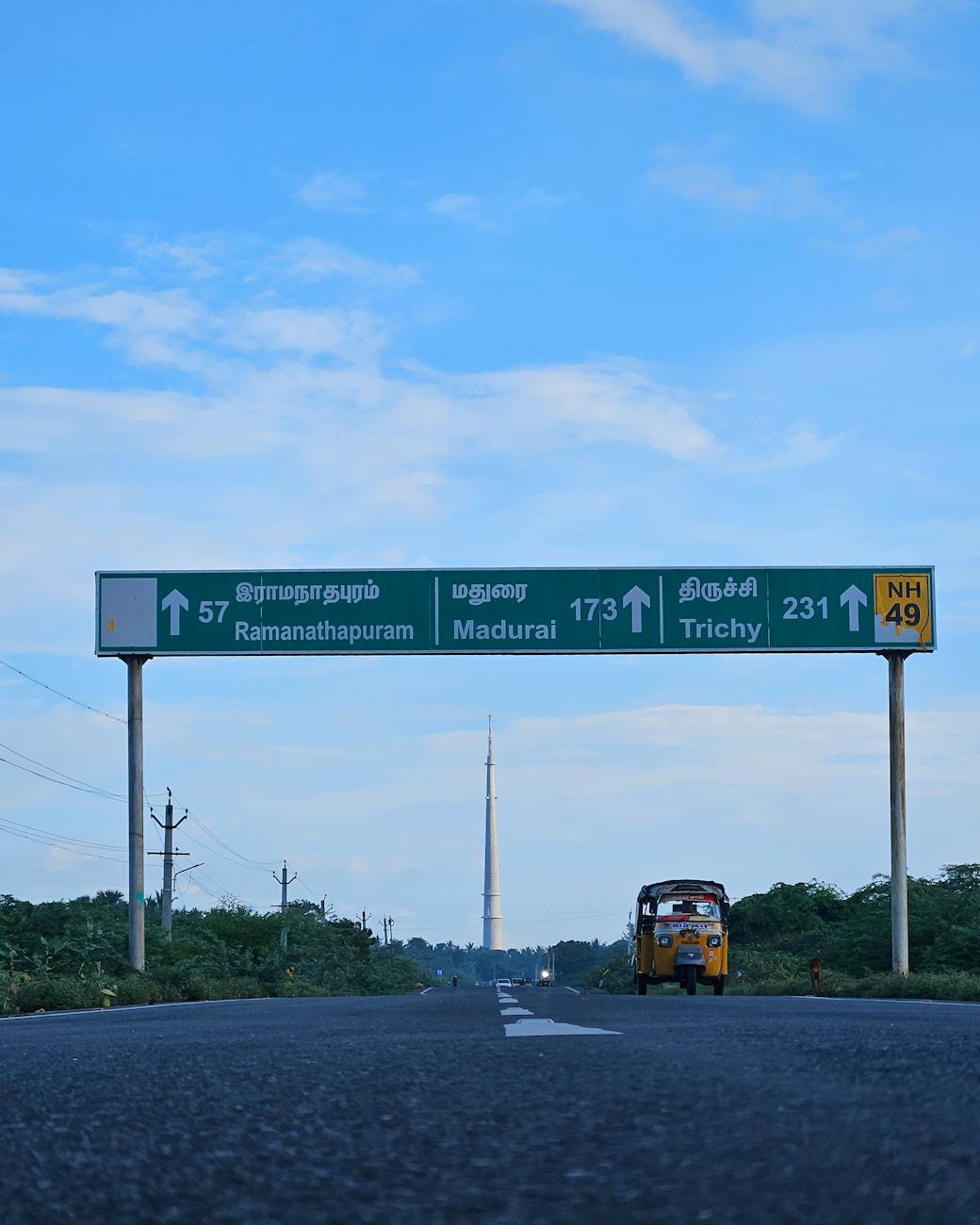
Transfer to Madurai, Enroute Visit to Trichy
Post breakfast, checkout and we continue our journey further to Madurai. Enroute we visit the famous temple town of Trichy (Tiruchirappalli). Tiruchirappalli (also called Tiruchi or Trichy) is an ancient city in India's southern Tamil Nadu state. The Kaveri and Kollidam rivers flow around Srirangam Island, which is known for sacred Hindu sites Sri Ranganathaswamy Temple, with intricately carved gopurams (towering gateways), and Jambukeswarar-Akilandeswari Temple, dedicated to the god Shiva. The Rock Fort Temple complex towers over the city center. Later continue to Madurai, whereby on reaching check-in to the hotel and take some rest. Dinner and overnight stay. +-------------------------------------------------------------------------------------------------------------+ | The Interesting Story of the Day | +-------------------------------------------------------------------------------------------------------------+ | The legend: The temple was lost after floods and buried under debris, but was rediscovered when a parrot | | perched on a tree recited a sacred verse, Beneath that very tree, the Chola King rested, and upon hearing | | the parrot’s chant, he embarked on a quest to unearth the temple which was reconstructed and bought back | | to glory. | | Sri Ranganathaswamy Temple at Sri Rangam Trichy, spread over 150 acres is world’s largest “active” temple | | complex. Also with height of 237 feet, SriRangam’s RajaGopuram is the tallest temple tower in | | India. Perhaps the most iconic Vaishnavite site in south of India. Temple has played very important role in | | spread of Vaishnavism with its most regarded exponent Ramanuja himself spent his later life here in Sri | | Rangam | +-------------------------------------------------------------------------------------------------------------+
Day 5
Madurai Sightseeing Tour
After breakfast, proceed for full day sightseeing tour of Madurai. Start the tour with visit to one among the most iconic temples of India, The Meenakshi Amman temple. Later we continue with interesting guided tour of this ancient city. Chennai may be the capital of Tamil Nadu, but Madurai claims its soul. Madurai is Tamil-born and Tamil-rooted, one of the oldest cities in India, a metropolis that traded with ancient Rome and was a great capital long before Chennai was even dreamed of. Madurai, perhaps appropriately given its age, captures many of India’s glaring dichotomies: a centre dominated by a medieval temple and an economy increasingly driven by IT, all overlaid with the hustle, energy and excitement of a big Indian city and slotted into a much more manageable package than Chennai’s sprawl. On a short guided walk through this ancient city and chance upon stories; stories that span the length of time – some set a millennia ago and some are recent vintage; stories that zigzag the obscure lines separating history and myth; stories of people who made Madurai, and of those who were her undoing; stories of fickle kings and towering monuments, of whimsical Gods and extraordinary mortals; stories that take you behind the scenes for a glimpse into the city’s heart. Post walking tour back to hotel for dinner and overnight stay. +-----------------------------------------------------------------------------------------------------------+ | The Interesting Story of the Day | +-----------------------------------------------------------------------------------------------------------+ | As per the legend a Pandya king did yagna with a wish of having a son as heir. However he was blessed | | with a girl who grew up as Meenakshi, an incarnation of goddess Parvati and now revered as deity of the | | town Madurai. | | Further according to legend, Shiva came to Madurai as Sundareswarar to marry Meenakshi, the daughter of | | the Pandya ruler. The Meenakshi Amman Temple is dedicated to their union. The temple also includes Vishnu | | in many narratives, sculptures and rituals as he is considered to be Meenakshi's brother. | +-----------------------------------------------------------------------------------------------------------+
Day 6
Transfer to Rameshwaram & Sightseeing
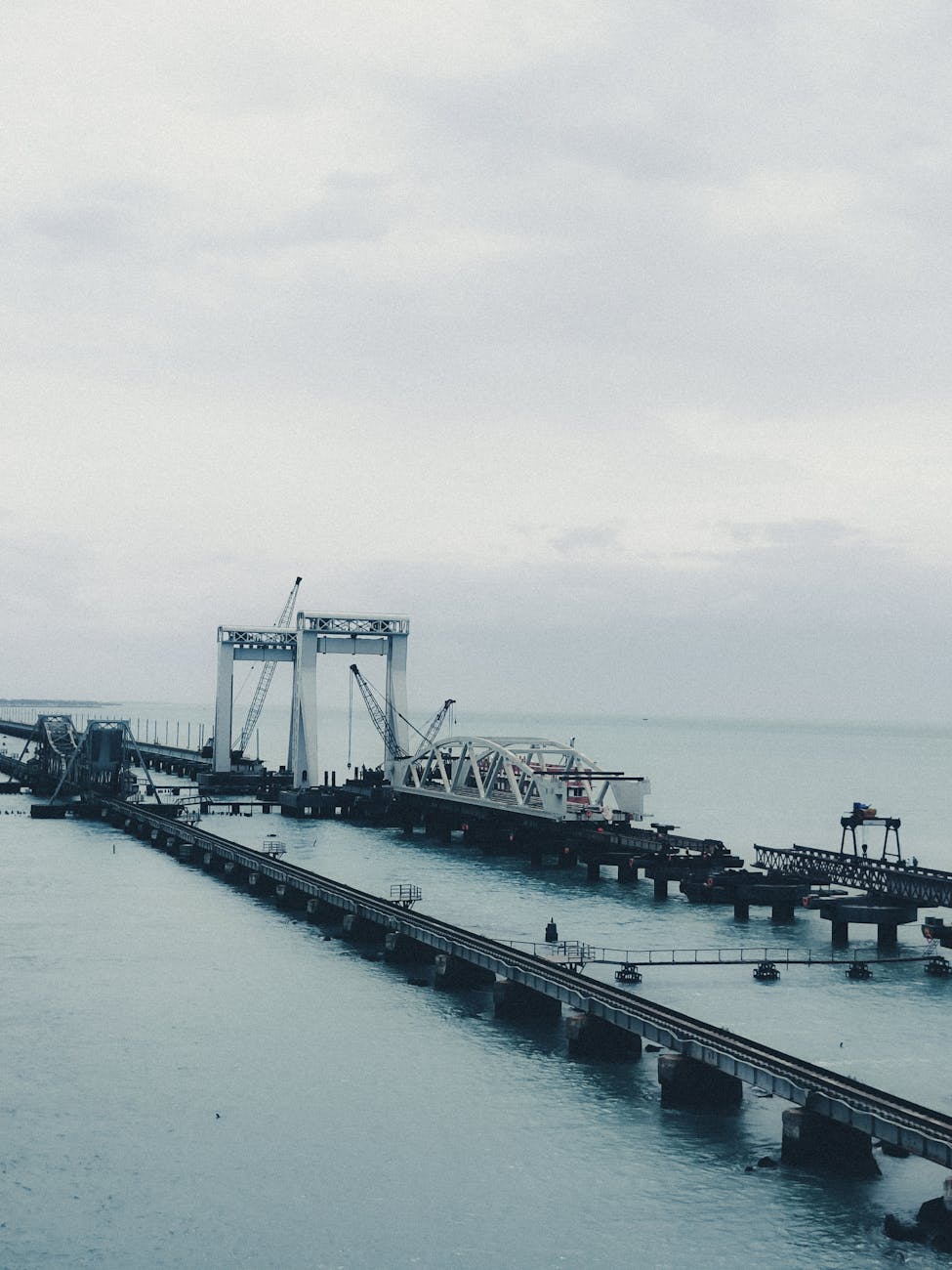
Have a relaxed breakfast after which we checkout and proceed to our next destination Rameshwaram. After hotel check-in and freshening up continue for sightseeing tour. Rameshwaram is a popular pilgrimage destination. The town has special significance to Hindus as one of the holy Char Dham. The four sacred abodes associated with incarnations of Lord Vishnu. According to mythology, Lord Ram (the seventh incarnation of Vishnu) built a bridge (Ramsetu)from Rameshwaram to Sri Lanka to rescue his wife Sita from the evil clutches of demon king Ravan. Hindus believe that visiting all the Char Dham will help them achieve moksha (liberation from rebirth). During the tour visit: Ramanathaswamy Temple, Agnitheertham, Dhanushkodi. By evening return back to hotel for dinner and overnight stay. +------------------------------------------------------------------------------------------------------------+ | The Interesting Story of the Day | +------------------------------------------------------------------------------------------------------------+ | Rameshwaram, as a city is mostly shaped around folklores of incidents that happened in Ramayan (pre- | | post war of Lanka). As legend has it, lord Ram after killing Ravan in battle of Lanka, to absolve his sins | | worshipped Shiva here. Ram asked Hanuman to bring a Shiva lingam from Kailash (Himalayas) but by the | | time he would return Sita built Shiva Lingam from sands of the coast. Hence there are supposedly two | | Shiva Lingam placed in sanctum. | | Pamban Rail Bridge that connects town of Mandapam (mainland India) to Rameshwaram (Pamban Island) | | was India’s first Sea bridge when inaugurated in 1914 and remained longest in country till 2010 opening | | of Bandra-Worli sealink in Mumbai. It remained only link between mainland India and Rameshwaram, till | | opening of Parallel Road bridge in late 1980s. | | On the southern end of Rameshwaram is Dhanushkodi, literally means "End of the Bow," referring to Lord | | Rama's bow from the ancient Hindu epic Ramayana and it is same very point from where the famed Ram | | Setu started (connecting to Talaimannar coast of Sri Lanka) | +------------------------------------------------------------------------------------------------------------+
Day 7
Transfer to Kanyakumari & Sightseeing
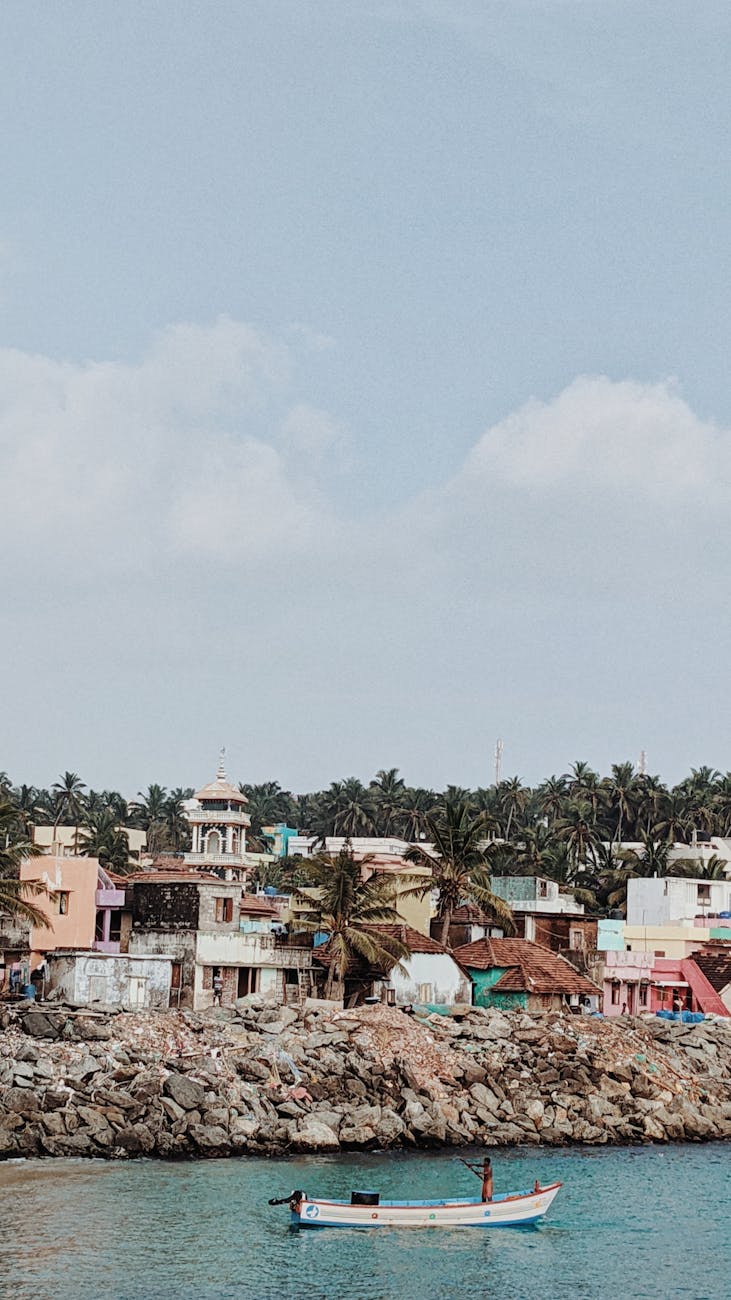
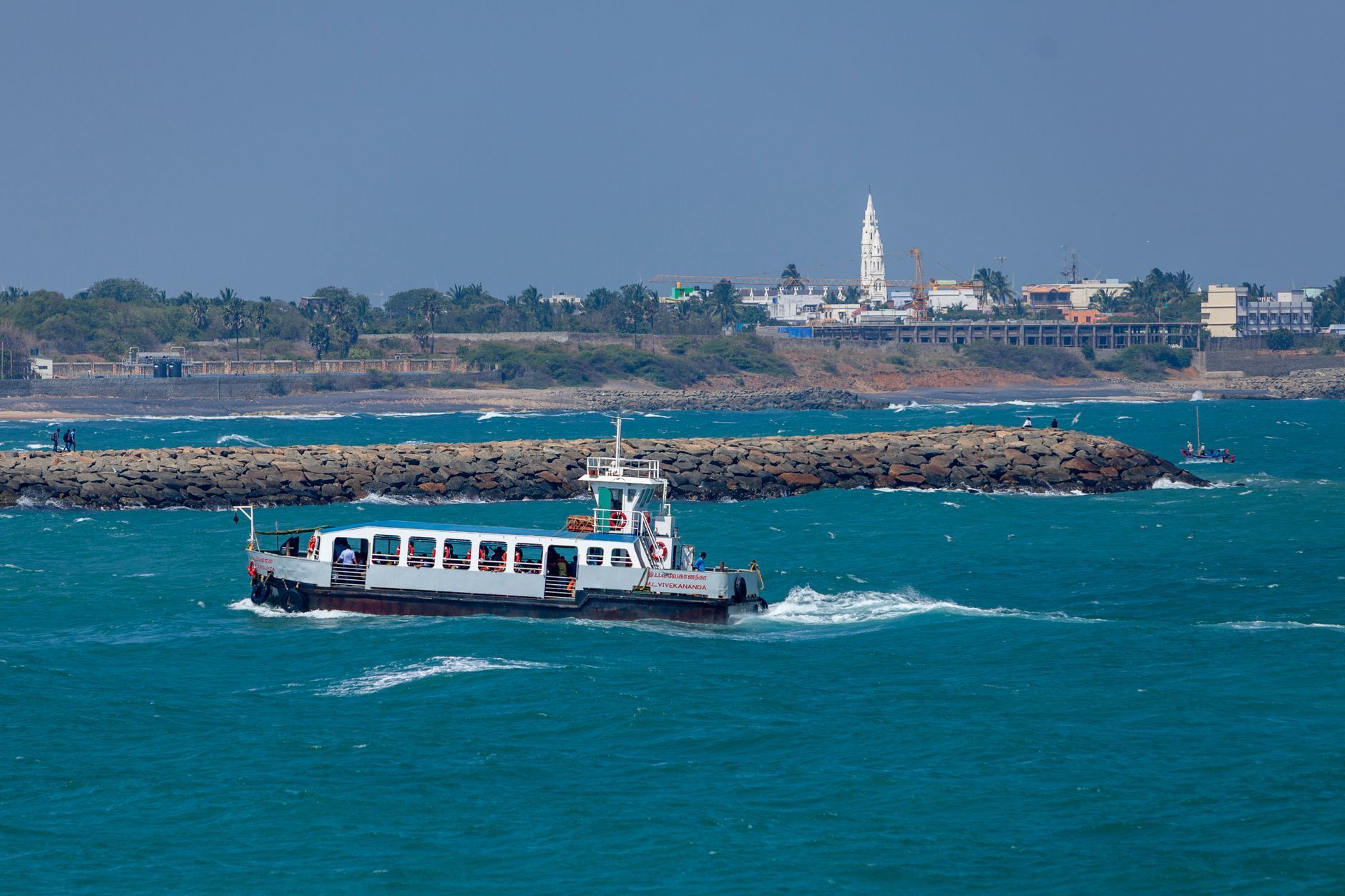
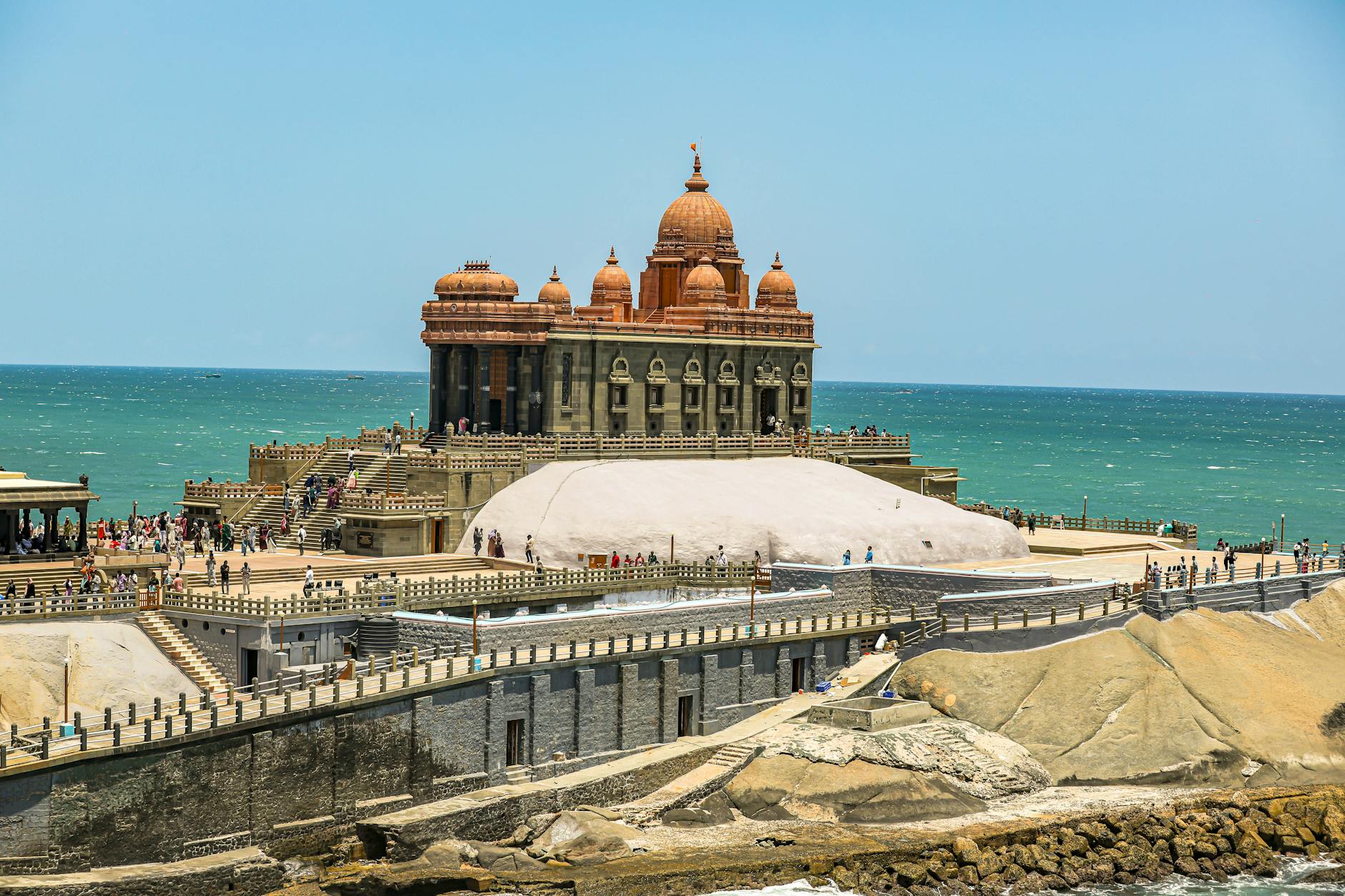
Post breakfast we continue the temple run to our next pitch point – Kanyakumari, The Southernmost tip of India’s mainland. Kanyakumari is a coastal town in the state of Tamil Nadu on India's southern tip. Jutting into the Laccadive Sea, the town was known as Cape Comorin during British rule and is popular for watching sunrise and sunset over the ocean. On reaching we first check-in and freshen up. Later embark on sightseeing tour of this town which is both historical and religious importance. Visit first the Kanyakumari temple, also known as the Kumari Amman temple is one of the major Hindu temples, later can also visit Lady of Ransom Church, a center of Indian Catholicism. Later continue to most iconic monuments in the city, the Vivekananda Rock Memorial is a gigantic structure surrounded on all sides by the Laccadive Sea, so the only way you can reach the monument is by taking a boat/ferry ride. Built by the Ramakrishna Mission, the Vivekananda Rock Memorial is dedicated to the great philosopher Swami Vivekananda who used to meditate here. Kanyakumari is also home to the Statue of the Saint Poet Thiruvalluvar, one of the greatest Tamil poets in India. Standing at a massive height of 133 feet, the statue is one of the biggest in the entire Asian subcontinent and is the result of the hard work of over 500 sculptors. Other historic sights that you can visit in Kanyakumari include the Padmanabhapuram Palace, the Vattakottai Fort, and the Gandhi Memorial. After the full day tour return back to hotel by evening for dinner and overnight stay. +---------------------------------------------------------------------------------------------------------+ | The Interesting Story of the Day | +---------------------------------------------------------------------------------------------------------+ | Swami Vivekananda, swam across the seashore in Kanyakumari, Tamil Nadu to reach the rock mid-sea, | | and he meditated for three days and nights on the rock until he is said to have attained enlightenment. | | According to an another legend, it was on this rock that Goddess Kanyakumari (Parvathi) performed tapas | | in devotion of lord Shiva. Today on that same rock is built a memorial of Swami Vivekananda, and | | meditation hall known as Dhyana Mandapam for visitors to meditate. The design of the mandapa | | incorporates different styles of temple architecture from all over India. | +---------------------------------------------------------------------------------------------------------+
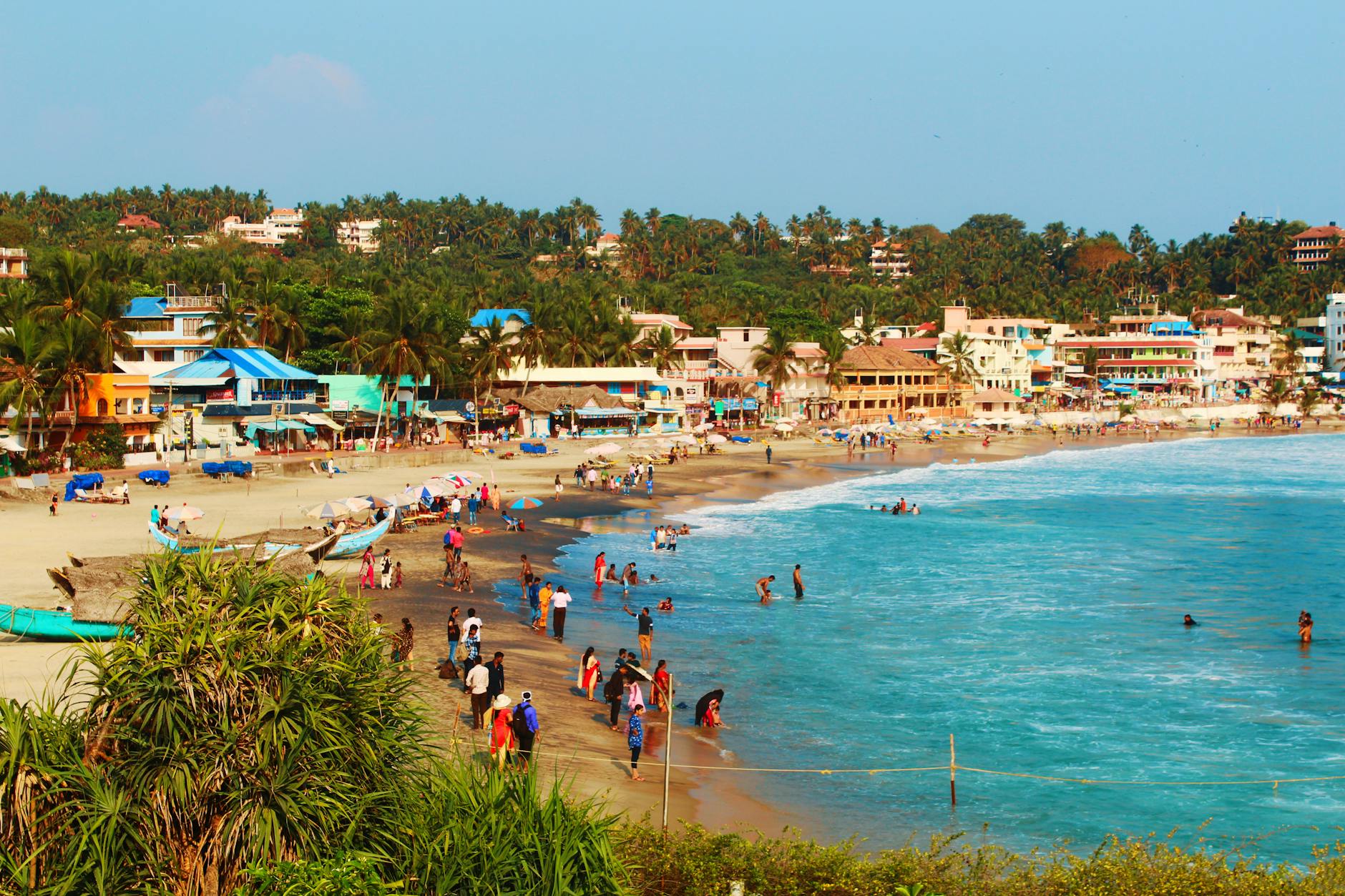
Day 8
Transfer to Kovalam
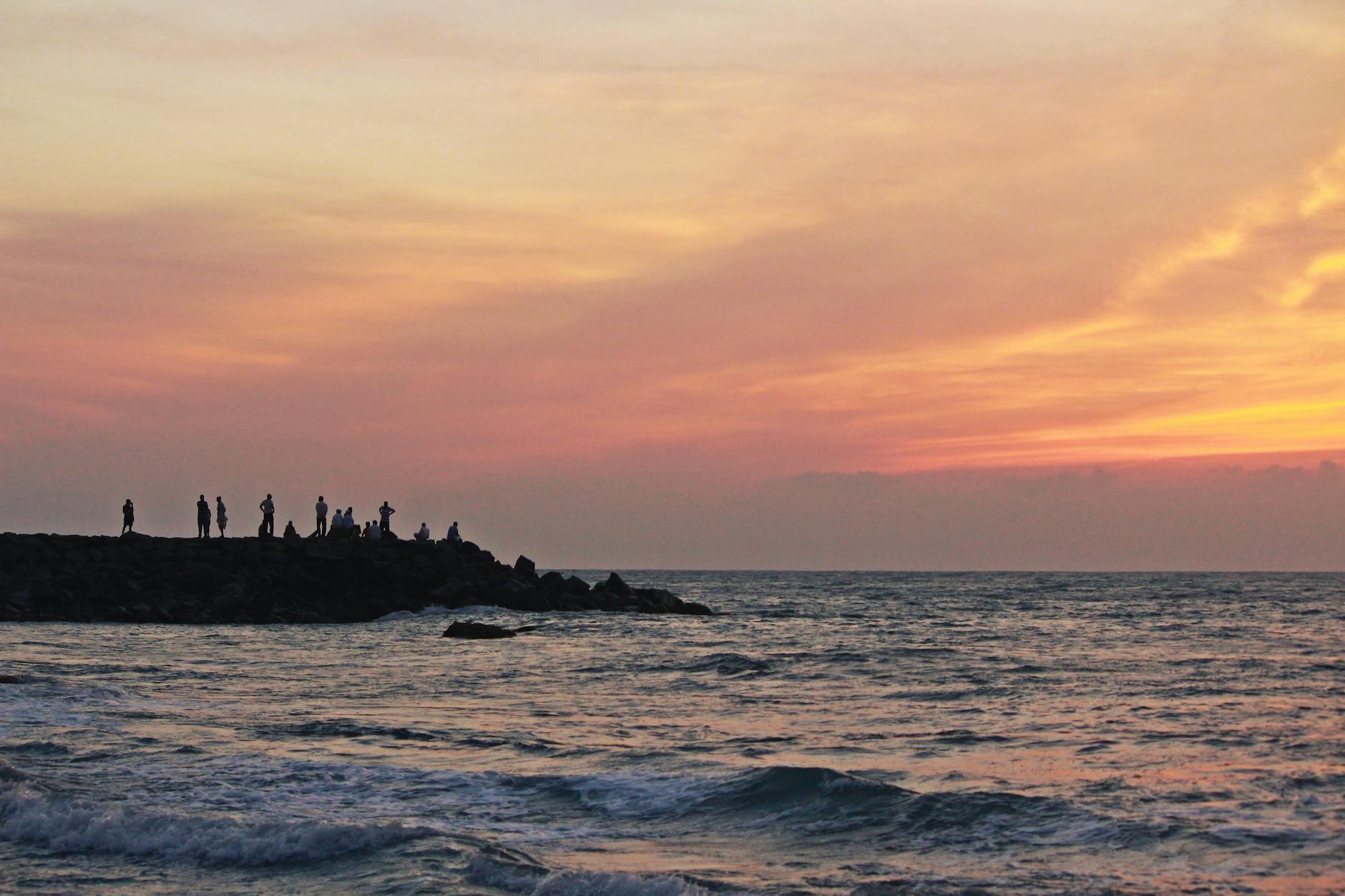
Have a relaxed breakfast and then checkout from the hotel by noon. We complete the sightseeing of Kanyakumari (if any left from the previous day due to shortage of time). Later continue to beach town of Kovalam. Check-in and rest today. Late afternoon you can indulge in some water sports and rides. Enjoy the sunset and an evening walk by the beach. Dinner & Overnight stay.
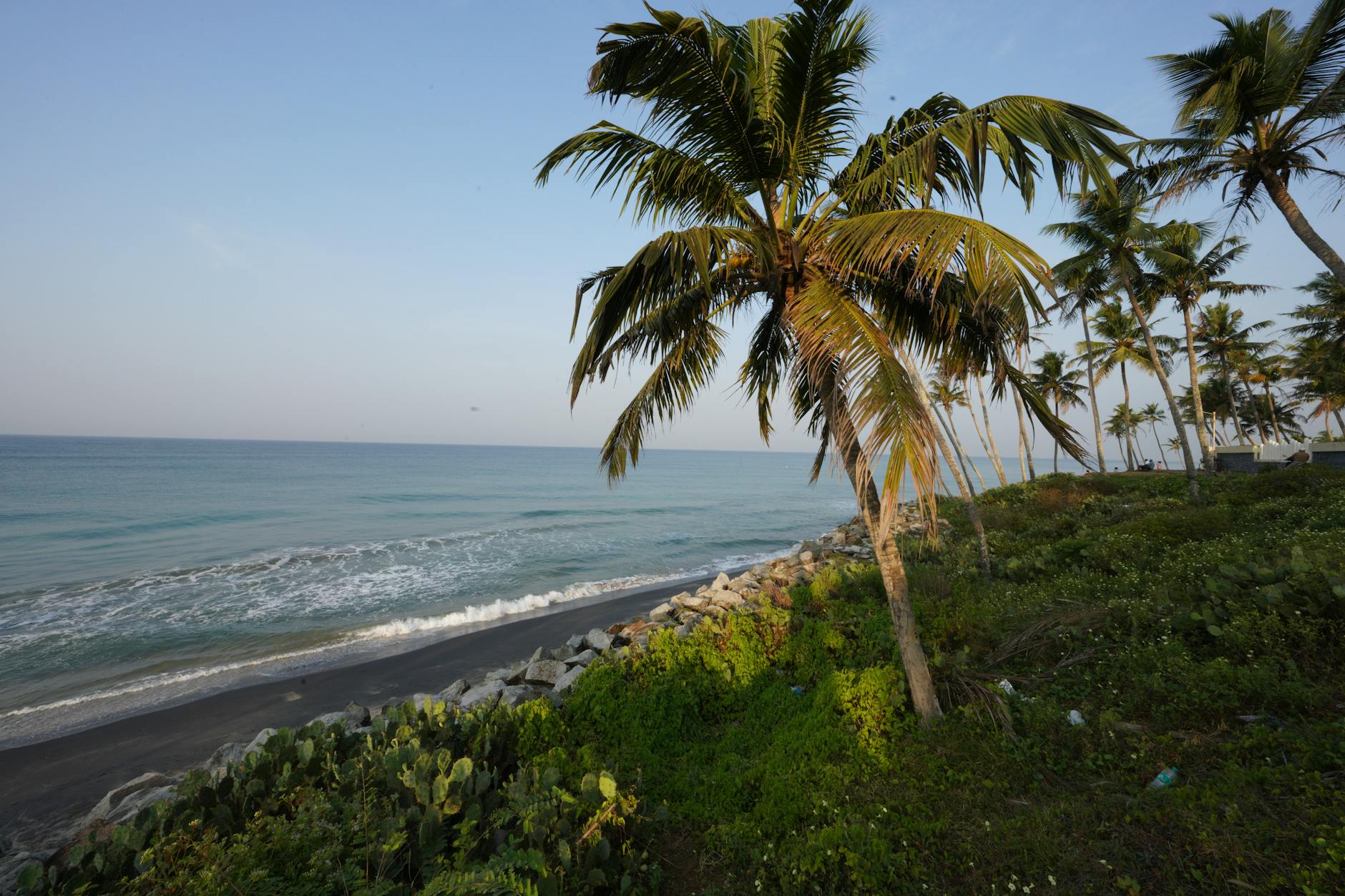
Day 9
Sightseeing Tour of Trivandrum
Post breakfast, we proceed for an exciting last day of the tour. Proceed to Trivandrum (18km from Kovalam) which is also the capital city of the state Kerala. We start the tour with a visit to world’s richest temple. The Padmanabhaswamy Temple. Temple follows strict entry rules and dress code (which is easily available at entry gate). After the relaxed visit to temple you may have lunch and then continue for the remaining sightseeing. Visit the palace and Napier museums. You can also visit Shanmugham beach. Return back to Kovalam by evening. Dinner and overnight stay.
Day 10
Departure
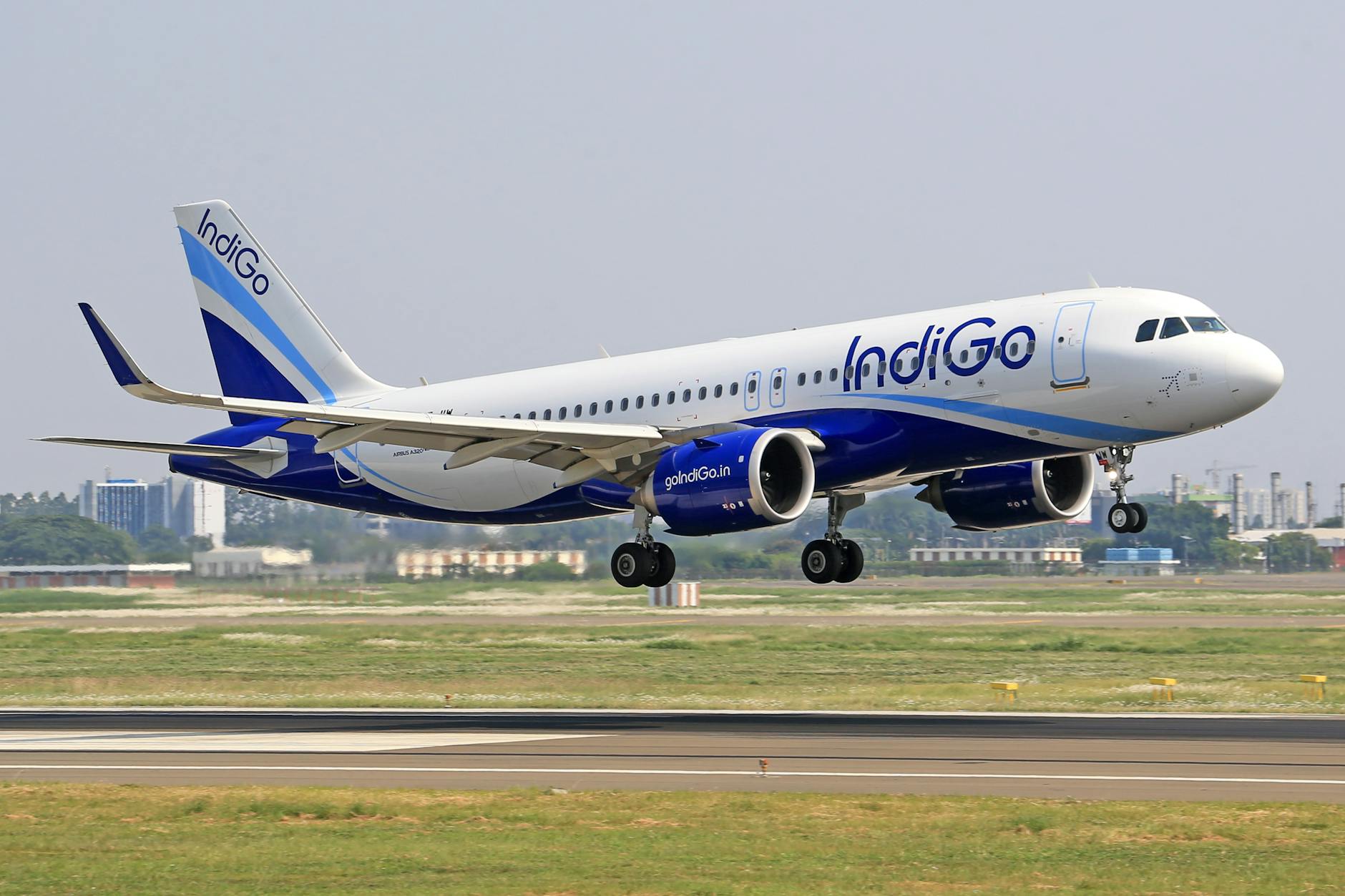
After breakfast, check-out and we drop you to Trivandrum airport for your onwards journey back home. +-----------------------------------------------------------------------------------------------------------+ | The Interesting Story of the Day | +-----------------------------------------------------------------------------------------------------------+ | Padmanabhaswamy temple is believed to be world’s richest temple. The temple's wealth dates back to the | | reign of King Marthanda Varma, who surrendered the territories he conquered and their wealth to the | | temple. The temple has several vaults, including Vault B having serpent inscribed doors, which is thought | | to be sealed with the Naga Bandham, or Snake Guard. Only a knowledgeable sage who is familiar with the | | Naga Bandham can unlock the door to Vault B. | +-----------------------------------------------------------------------------------------------------------+ PACKAGE COST PER PERSON
Where You'll Stay
Hand-Picked Hotels
Pondicherry
Executive Inn
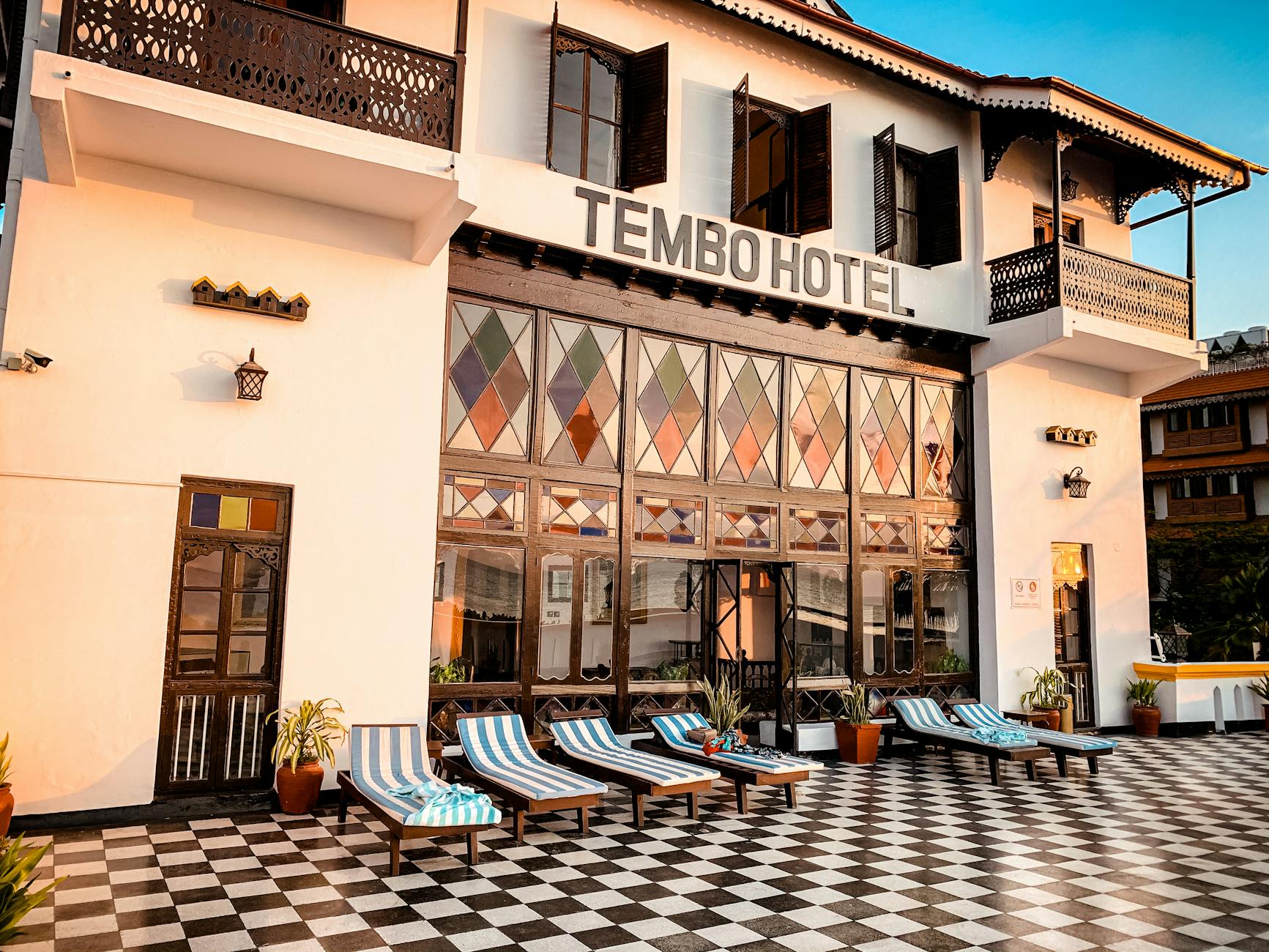
Tanjore
Victoriyah
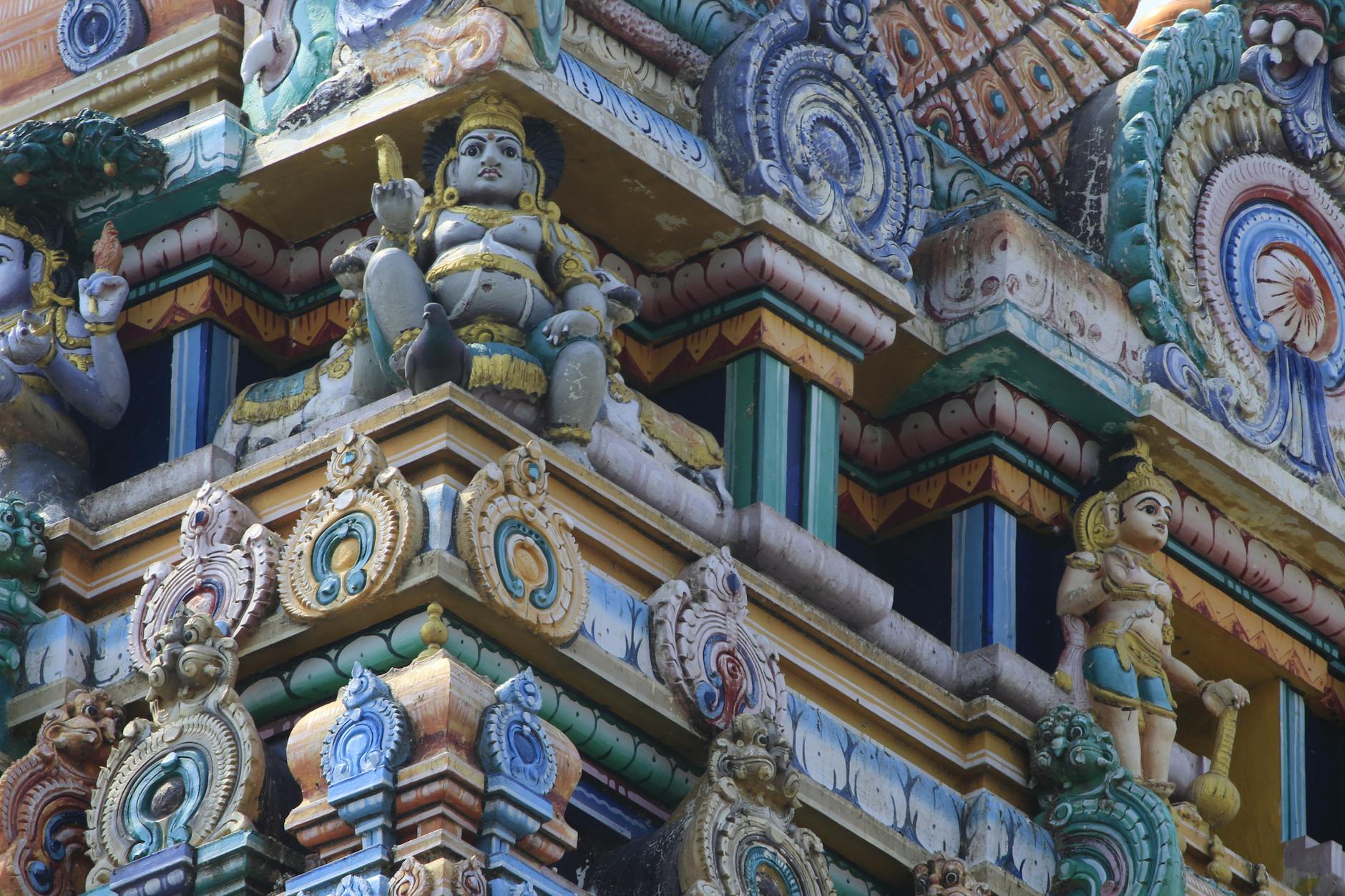
Madurai
Sunshine
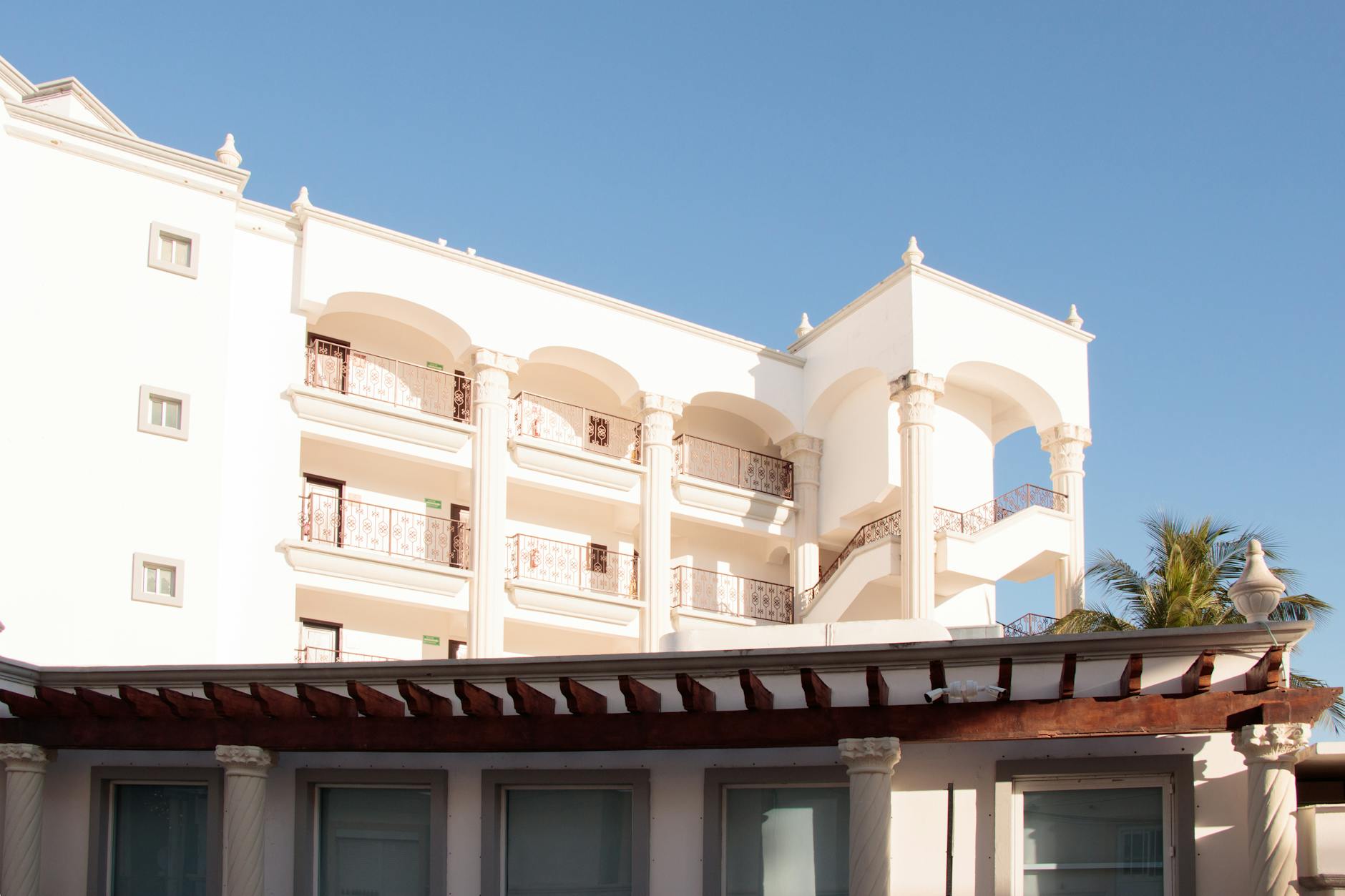
Rameshwaram
Ss Grand
Kanyakumari
Sangam
Kovalam
Le Promenade
Pondicherry
Executive Inn
Tanjore
Victoriyah
Madurai
Sunshine
Rameshwaram
Ss Grand
Kanyakumari
Sangam
Kovalam
Le Promenade
Honestly
Things most travel sites won't tell you.
On-the-ground details your designer wishes every guest knew before they landed.
Things to Look Out For
India is not one country, climate-wise
Rajasthan in February reads dry-cold; Kerala in February reads humid-warm; Sikkim in February might be under snow. Pack for the specific itinerary, not 'India in general'. Tibro's per-state tours are tuned to one climate at a time. Don't try to chain three of them back-to-back.
Tipping is structured, not arbitrary
Driver tips at ₹500-1000 per day, guide tips at ₹500-1000 per half-day, hotel housekeeping ₹100 per day, restaurant 10% on top of any service charge already listed. Hand the driver/guide an envelope on the last day rather than tipping daily. It is more dignified for them.
Tap water and ice are a real consideration
Every Tibro-tier hotel provides sealed bottled water in the room daily. Use it for brushing your teeth too. At restaurants, ask for "sealed bottled water" specifically. Some places will pour from a filtered jug, which is fine in some kitchens and not in others. Ice is the hidden trap; ask for "no ice" with cold drinks unless the hotel makes its own.
- №1
India is not one country, climate-wise
Rajasthan in February reads dry-cold; Kerala in February reads humid-warm; Sikkim in February might be under snow. Pack for the specific itinerary, not 'India in general'. Tibro's per-state tours are tuned to one climate at a time. Don't try to chain three of them back-to-back.
- №2
Tipping is structured, not arbitrary
Driver tips at ₹500-1000 per day, guide tips at ₹500-1000 per half-day, hotel housekeeping ₹100 per day, restaurant 10% on top of any service charge already listed. Hand the driver/guide an envelope on the last day rather than tipping daily. It is more dignified for them.
- №3
Tap water and ice are a real consideration
Every Tibro-tier hotel provides sealed bottled water in the room daily. Use it for brushing your teeth too. At restaurants, ask for "sealed bottled water" specifically. Some places will pour from a filtered jug, which is fine in some kitchens and not in others. Ice is the hidden trap; ask for "no ice" with cold drinks unless the hotel makes its own.
The Details
What's Included
Included
- Airport/Station transfers on arrival and departure
- All transfers and sightseeing by AC vehicle as per the itinerary
- Stay for 9 nights in well-appointed rooms as per package category selected
- Daily breakfast and dinner in comfort of the hotel
- Services of English speaking guide during the sightseeing of Tanjore
Not Included
- 5% GST
- Any Train/airfare
- Any Kind of Personal Expenses or Optional Tours, Extra Meals or drinks
Plan Your Timing
When to Go
India has three windows for travel. October–March is the cool/dry season. The headline window, when most of the subcontinent is at its most welcoming. April–June is hot and increasingly dangerous in the north plains. July–September is the southwest monsoon. Beautiful for Kerala Ayurveda lovers, hard for sightseeing. This Kerala tour sits squarely in the post-monsoon clear window.
Kerala has two monsoons (southwest Jun–Aug heavy; northeast Oct–Nov a brief secondary). The Winters 25-26 departure window avoids both. Ayurveda treatments traditionally peak with the monsoon, but the tour itinerary itself works best in dry season.
Your Memoir
Here's how you'll remember it.
Vol. 26, A Tibro memoir, printed on archival paper, shipped after you return.
Enquire
Start the conversation.
Tell us your dates and preferences. A Tibro travel designer will respond within 24 hours.