Fort Jaisalmer
Best for
Couples, Adventure Travelers
Duration
3 Nights / 4 Days
Season
October–March
Difficulty
Easy
Vibe
Adventure, Heritage
Fort Jaisalmer
3 Nights / 4 Days, 2 cities, From ₹15,950
per person, twin sharing
A Tibro Journey
Three nights at the edge of the Thar. Two in the living fort at Jaisalmer, one in a desert camp at Sam under a sky empty enough that the Milky Way reads like a road.
Dunes of Jaisalmer (3 Nights). Winters 25-26 is a adventure journey through Jaisalmer, Sam Dunes. 3 nights / 4 days that moves through Jaisalmer, Sam Dunes with private transport, hand-selected hotels, and a dedicated Tibro travel designer at every step.
Signature Moments
Three Mornings You'll Remember
No. 01
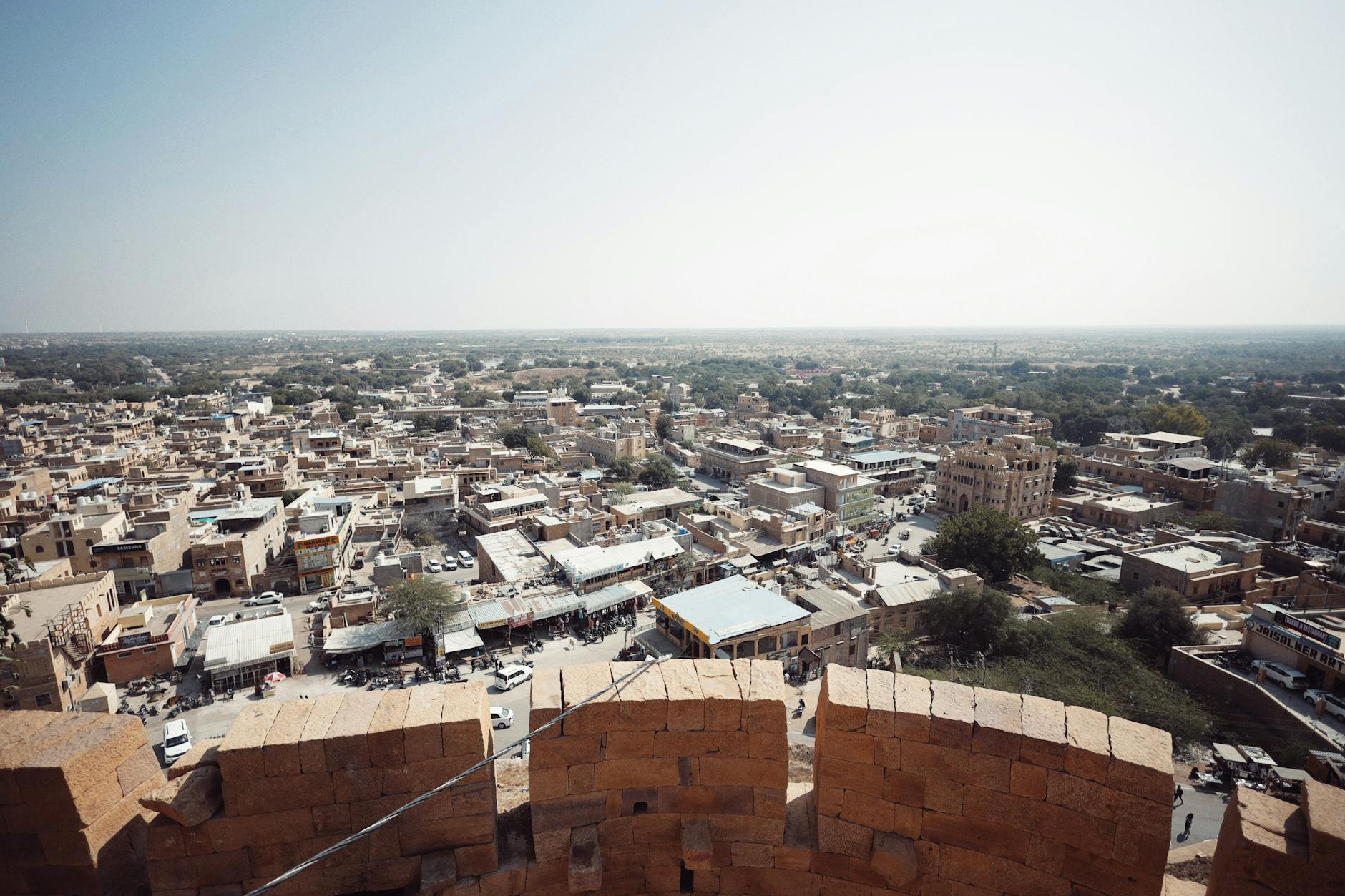
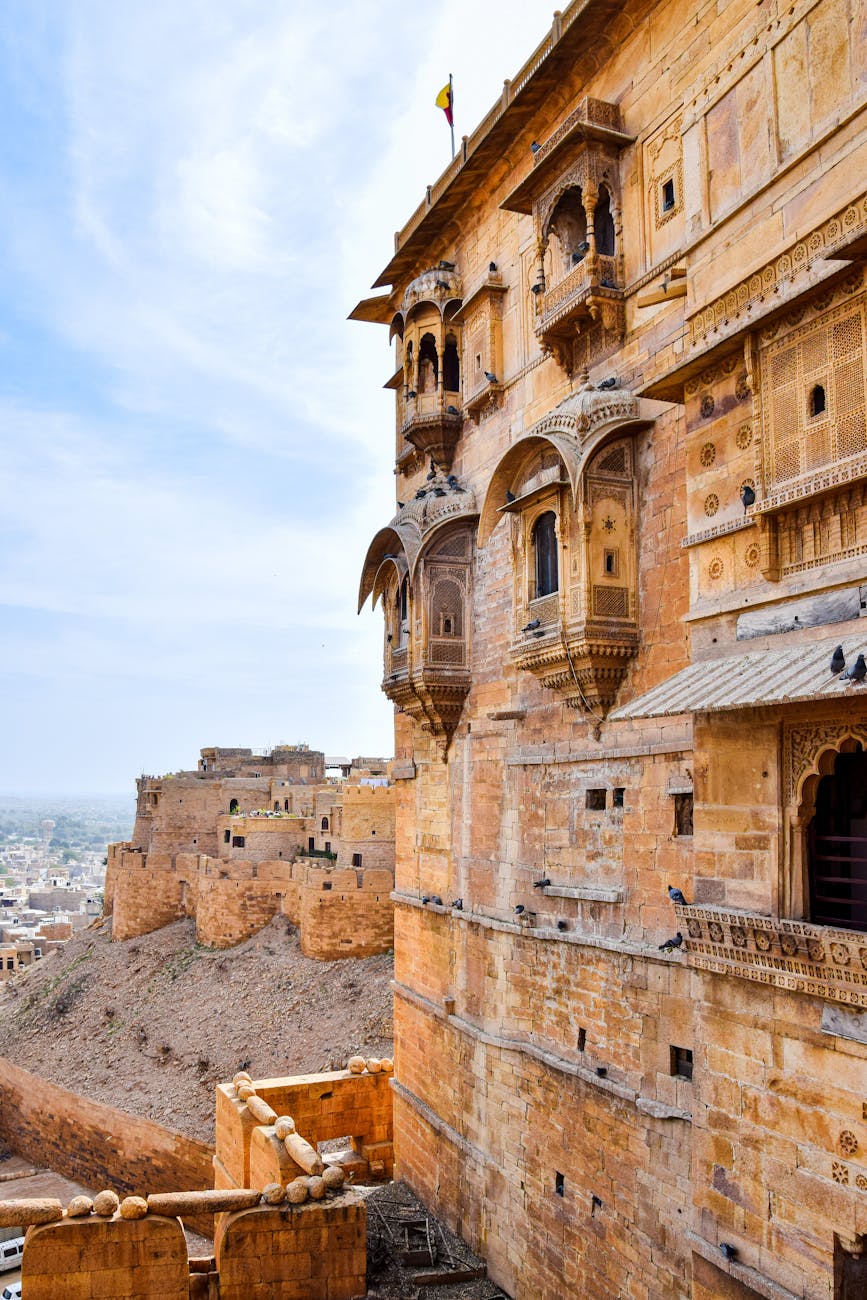
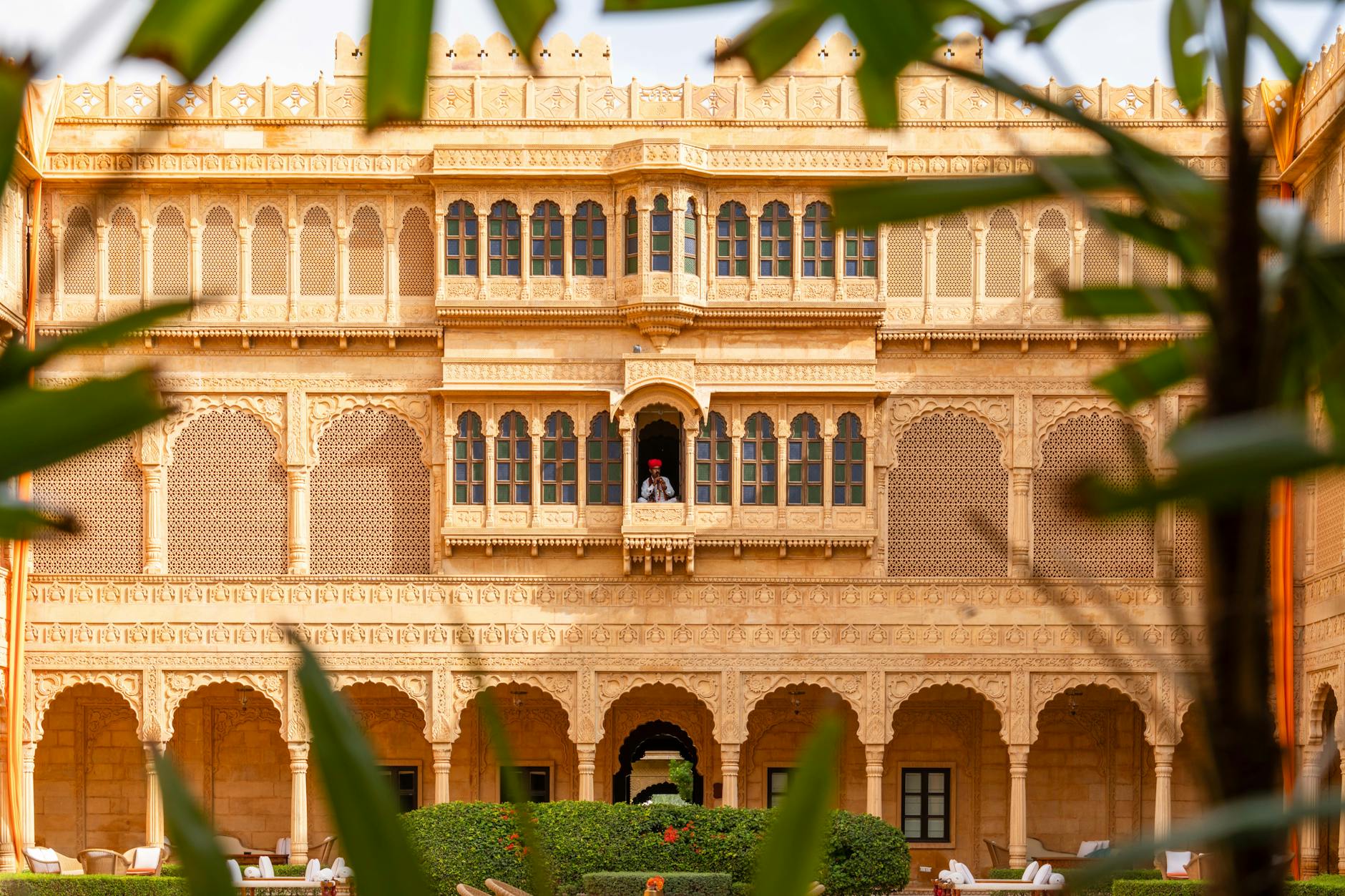
Jaisalmer Fort
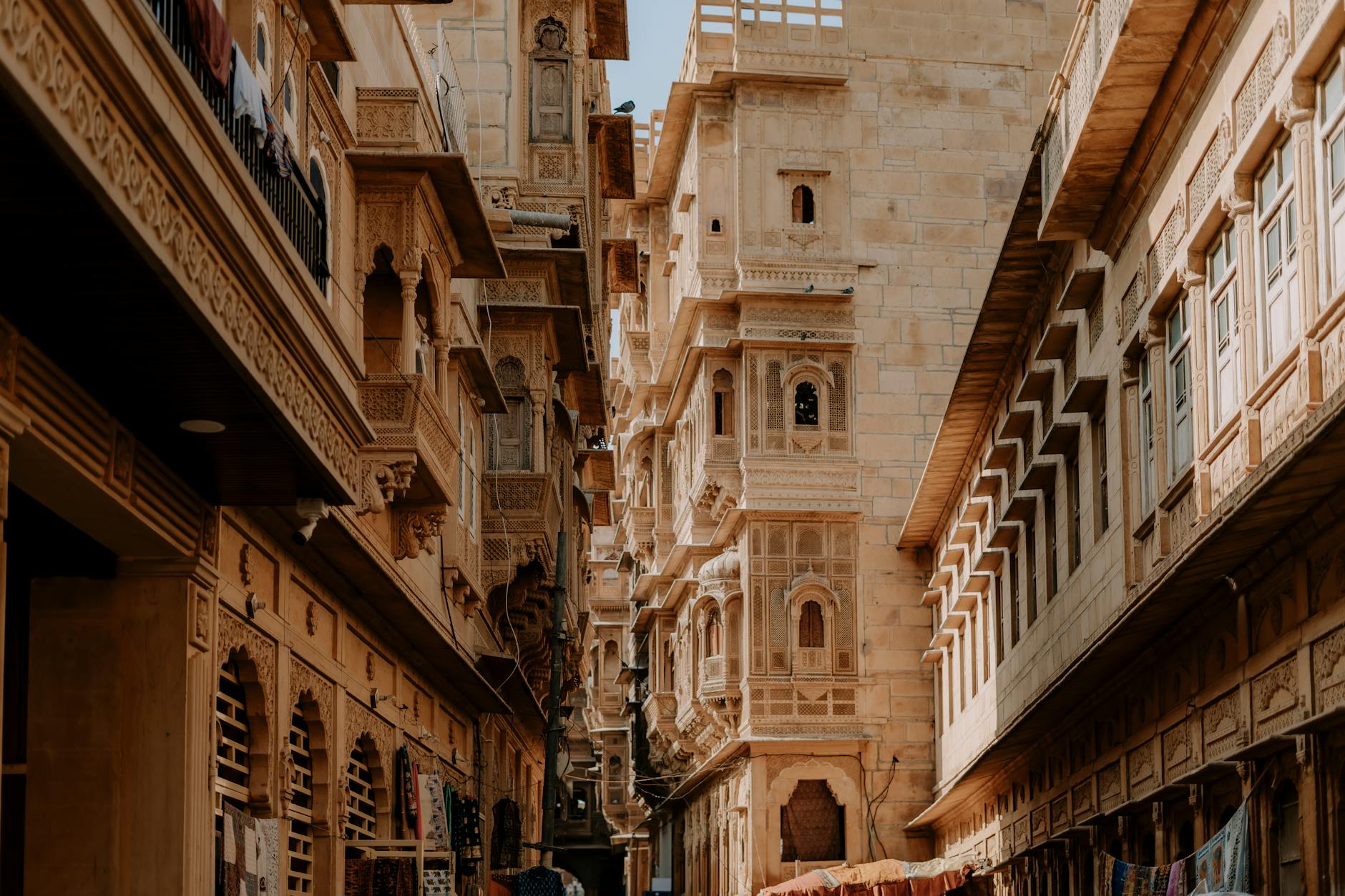
Walk through India's most intact living medieval fort.
No. 02
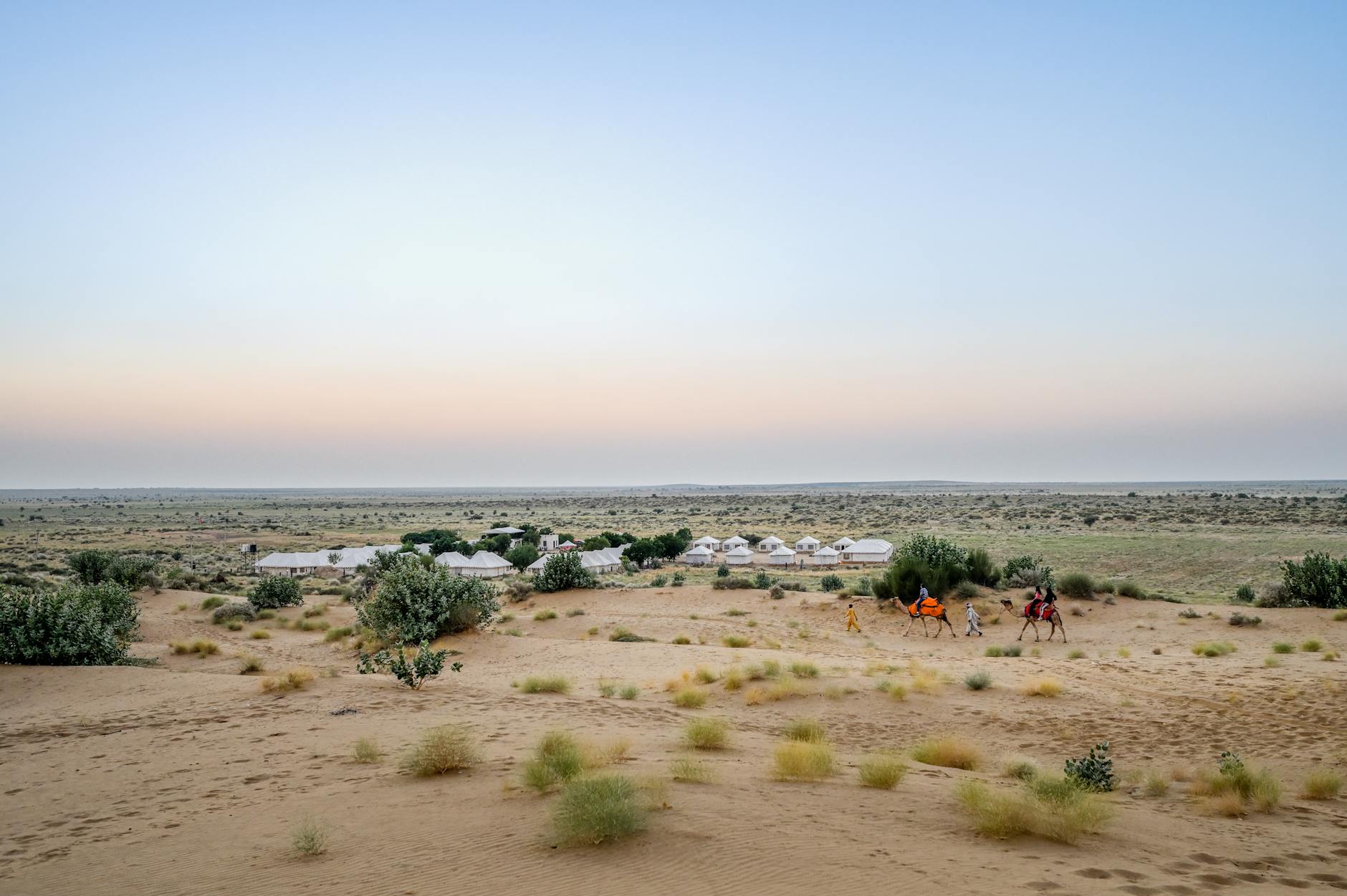
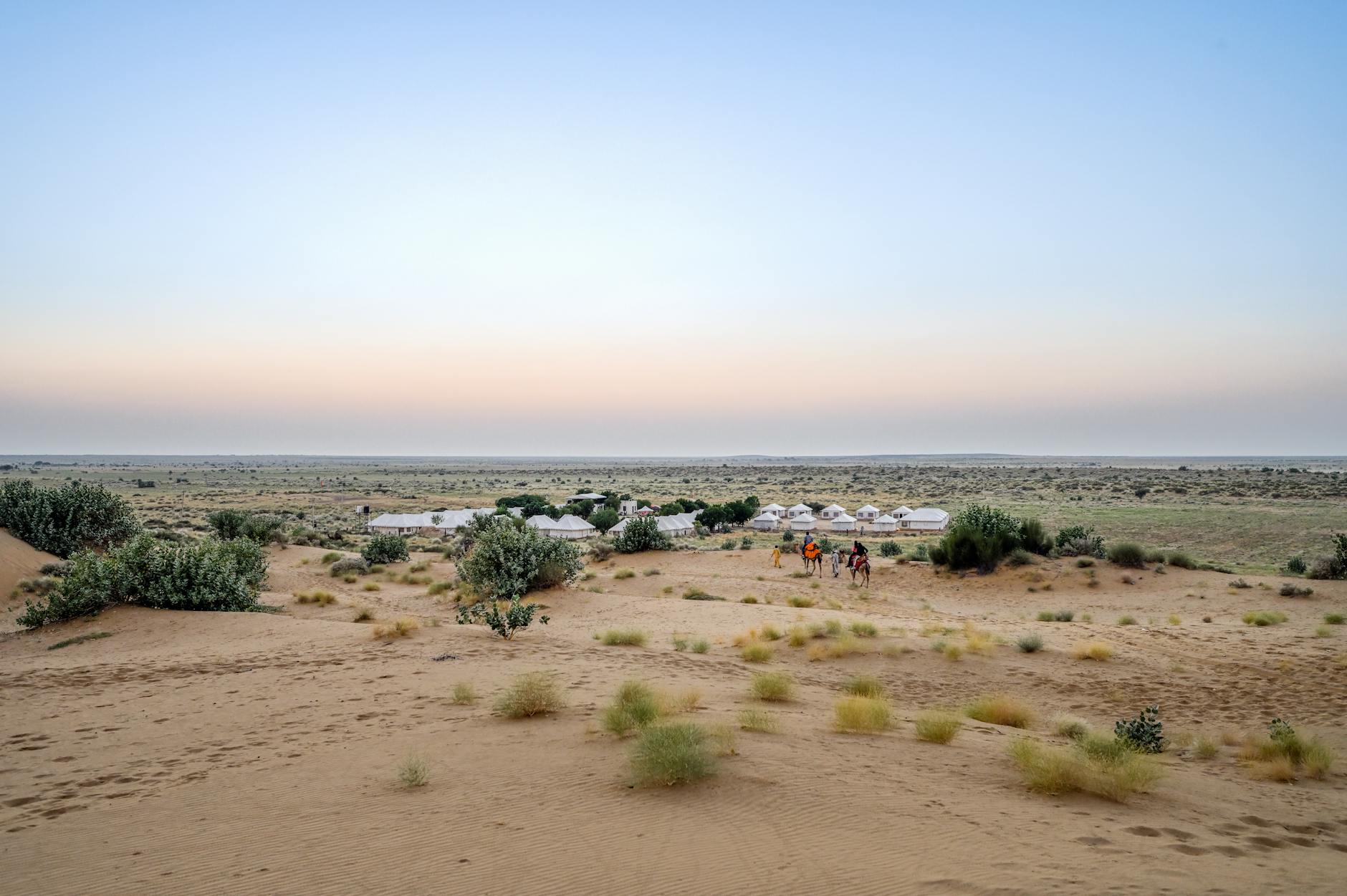
Sam Dunes Camel Safari
Winter riding conditions. Cool desert, warm campfire.
No. 03
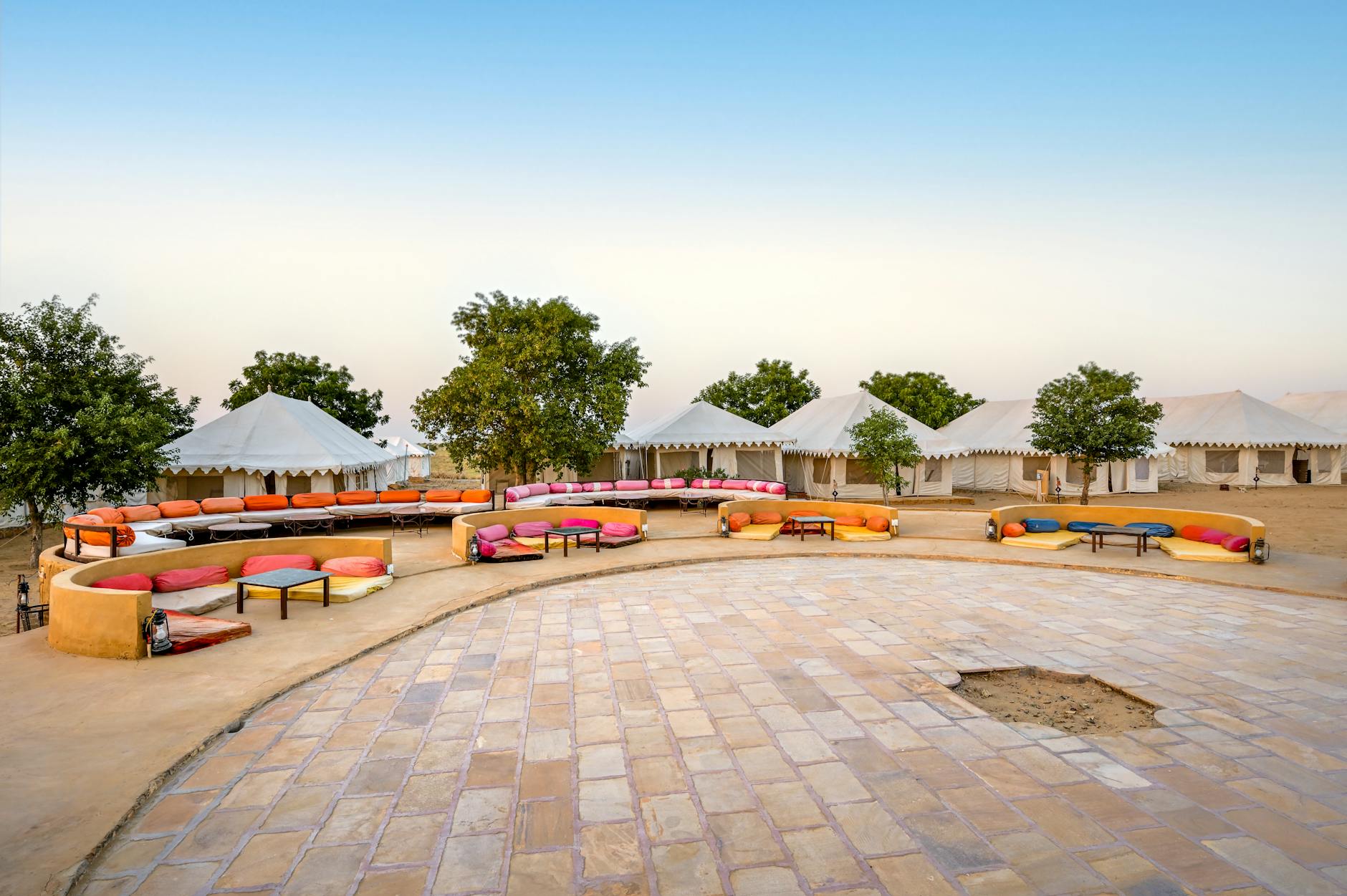
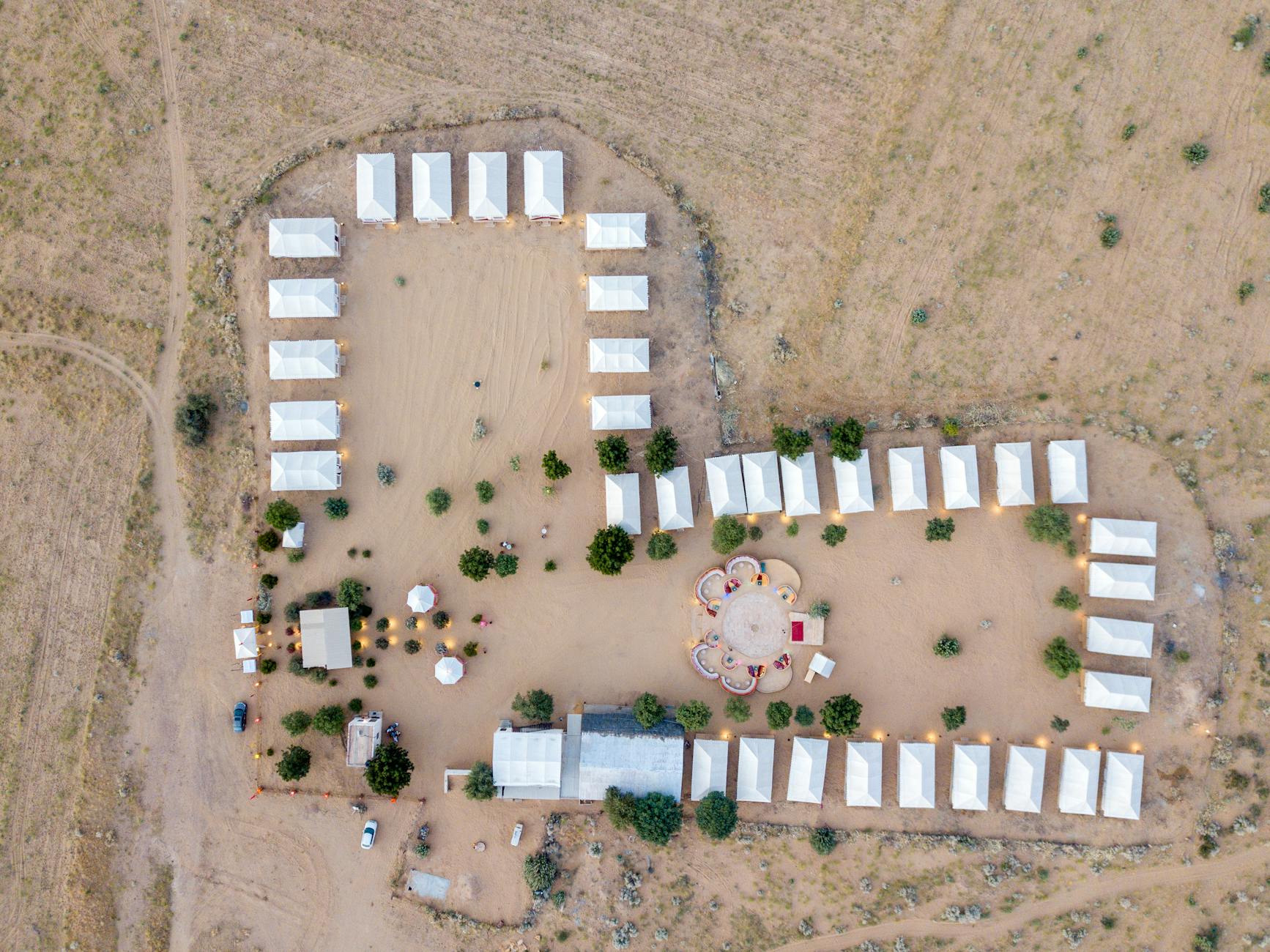
Desert Glamping
Luxury tents, Rajasthani music, and a canopy of winter stars.
No. 01
Jaisalmer Fort
Walk through India's most intact living medieval fort.
No. 02
Sam Dunes Camel Safari
Winter riding conditions. Cool desert, warm campfire.
No. 03
Desert Glamping
Luxury tents, Rajasthani music, and a canopy of winter stars.
Day by Day
3 Nights / 4 Days, in order
Day 1
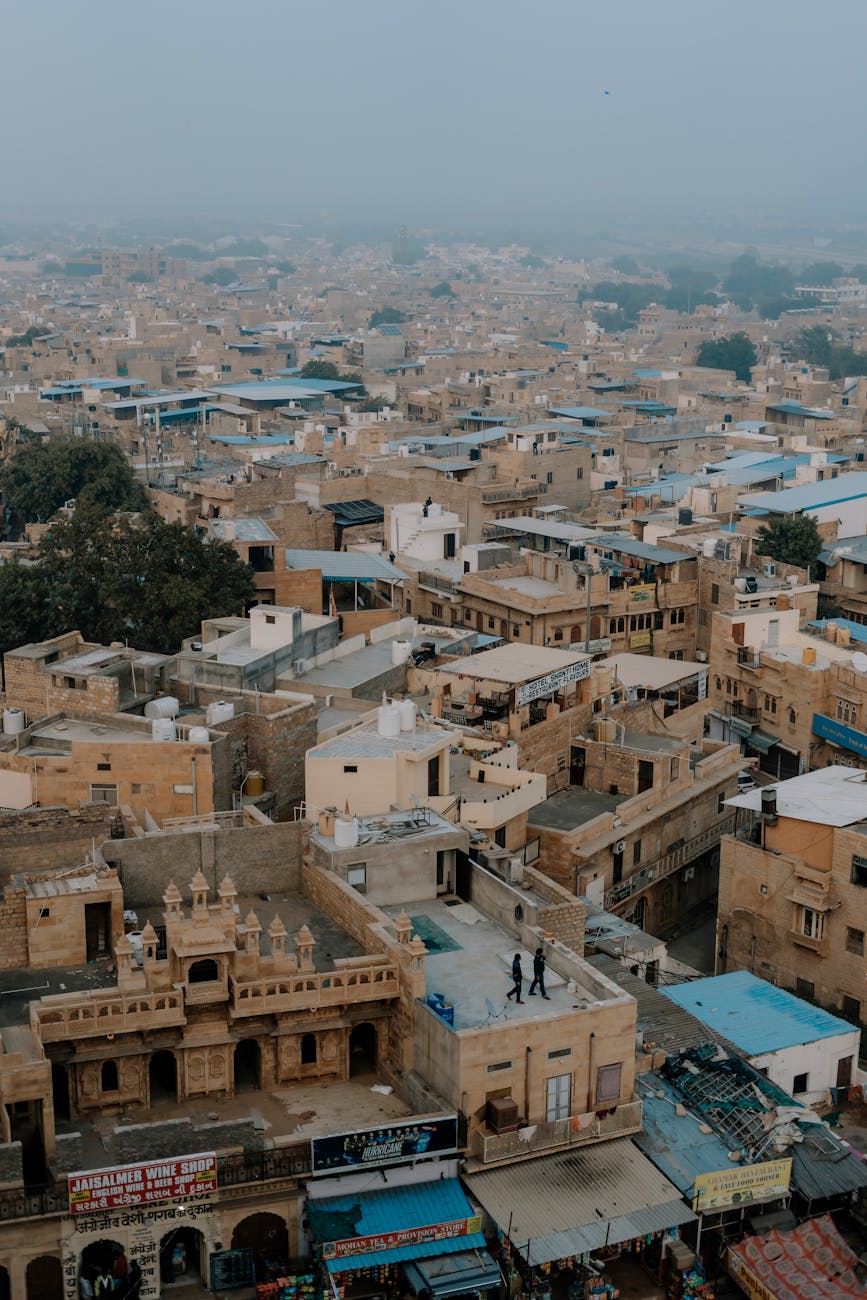
Arrival in Jaisalmer, Evening at Leisure
Arrival at Jaisalmer Airport / Station and transfer to hotel. On arrival check-in to your hotel, freshen up and rest a while. Evening you can take a leisurely walk into the Jaisalmer fort followed by visit to Gadisar lake and Laser Water Show. By late evening back to hotel for dinner and overnight stay.
Day 2
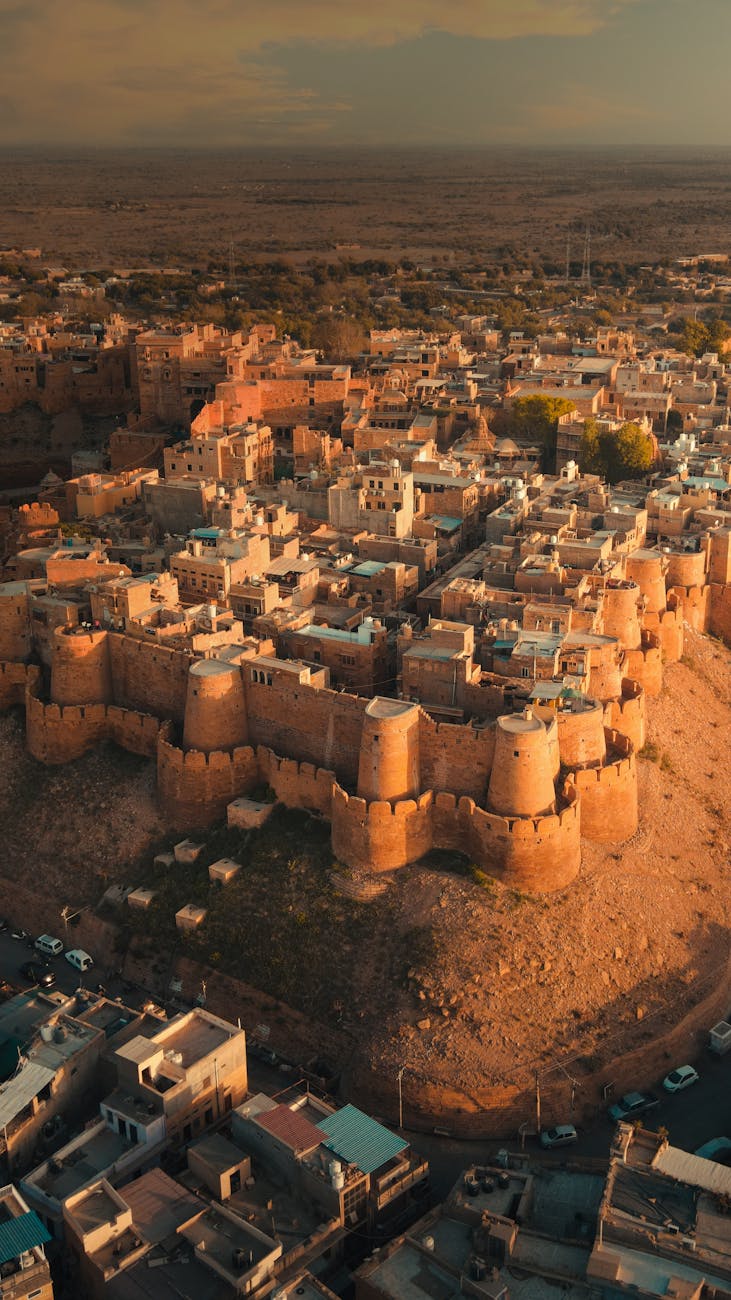
Jaisalmer Sightseeing
After a relaxed breakfast visit the Jaisalmer Fort best known as Golden Fort or Sonar Kella. After that visit Patwon-ki-haveli, Nathalie-ki-haveli. Salim singh-ki-Haveli. Post lunch continue tour to visit Vyas Chhatri & Bada Bagh (famous for cenotaphs), Jaisalmer War Museum and if interested you can also see light and sound show that exhibits the saga of courage and valour of Indian soldiers in battle of Longewala. By evening back to Hotel, Dinne r& overnights stay. Jaisalmer Fort, An UNESCO heritage site, it is the only living fort in the world. It is called a living fort, because unlike other forts that were converted into luxury
Day 3
Jaisalmer to Sam Dunes Camp
Have a relaxed breakfast. Later enjoy some time at leisure where you can go take a walk in the fort and indulge in souvenir shopping. Later checkout as we proceed to most iconic geographical feature of Rajasthan – The Dunes. Enroute you can visit so called ghost town of Kul-Dhara, which is actually village ruins of an early village which was later abandoned. Approx 30km drive brings you to Sam Dunes, whereby on reaching check-in to your luxurious camp stays. Enjoy afternoon at leisure, later in evening enjoy camel ride into the dunes. (You may also opt for other adventure activities like dune bashing, ATV ride, or paragliding on direct pay basis). Post sunset back to camp to enjoy a cultural evening. It features folk music and dance performances by Rajasthani artists. Post dinner enjoy some leisure time stargazing which is often surreal if weather is clear. Overnight stay.
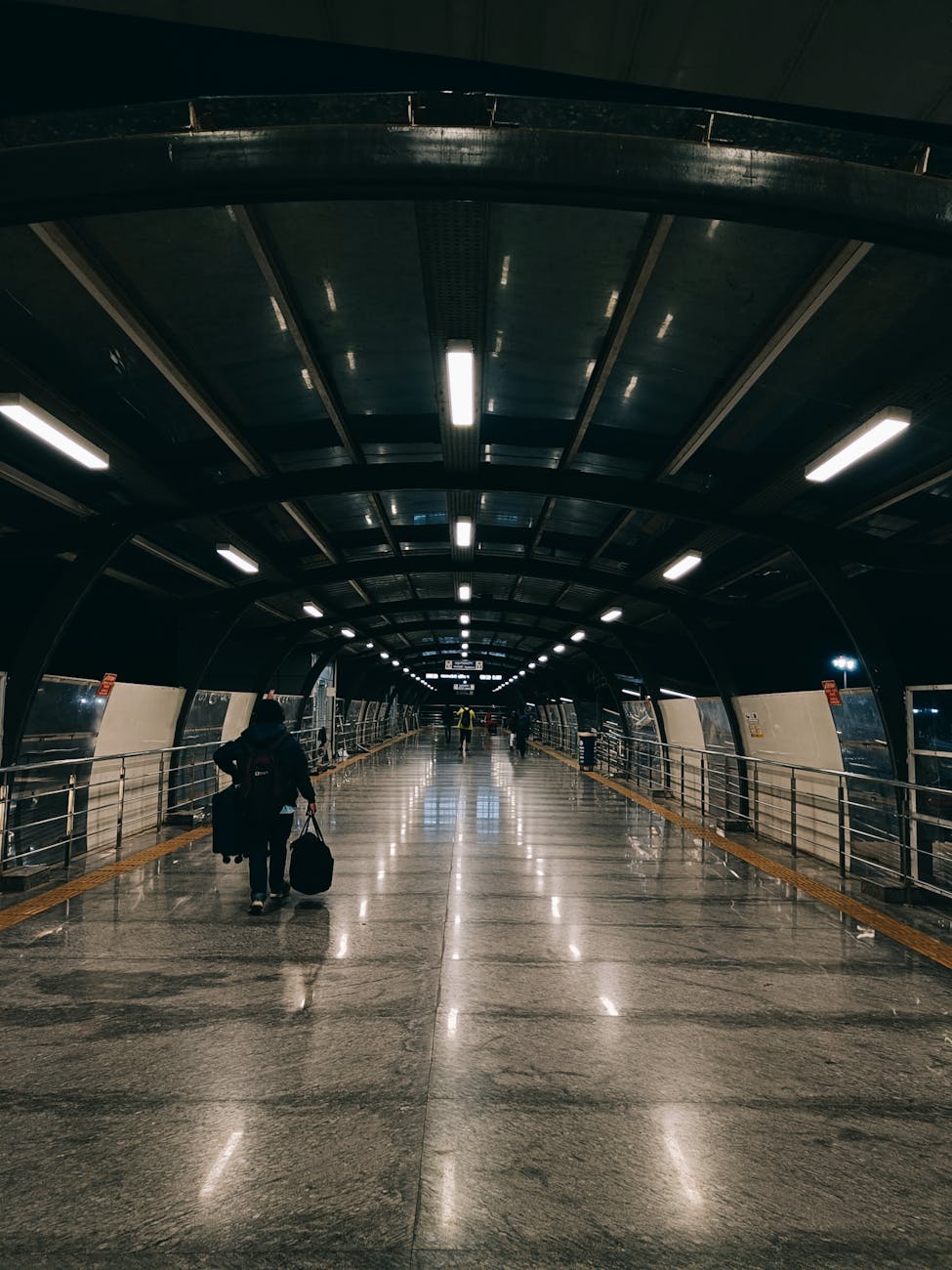
Day 3
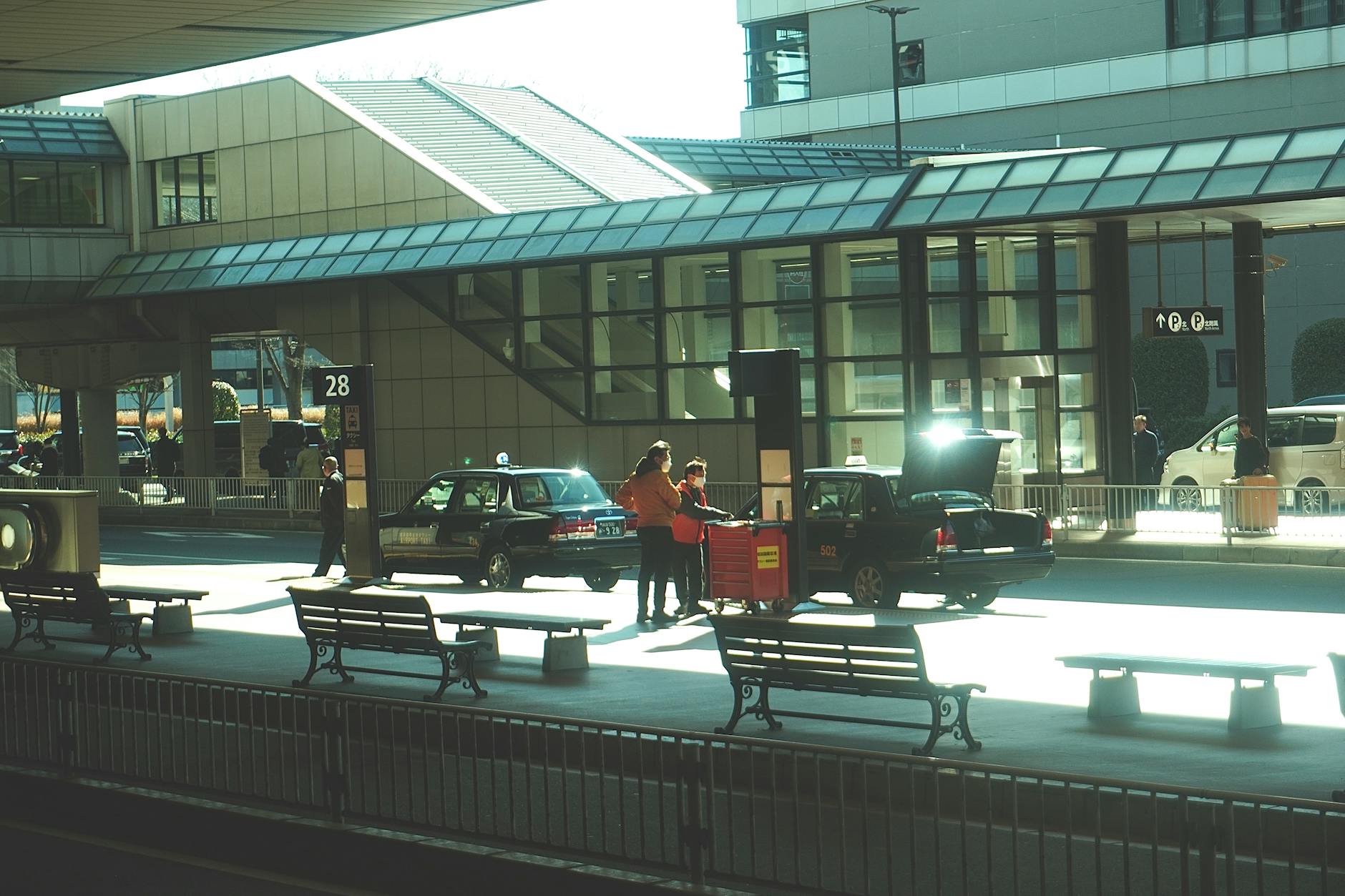
Drop to Airport / Station
Post Breakfast, Check-out and Transfer to the airport / station for onwards journey.
Where You'll Stay
Hand-Picked Hotels
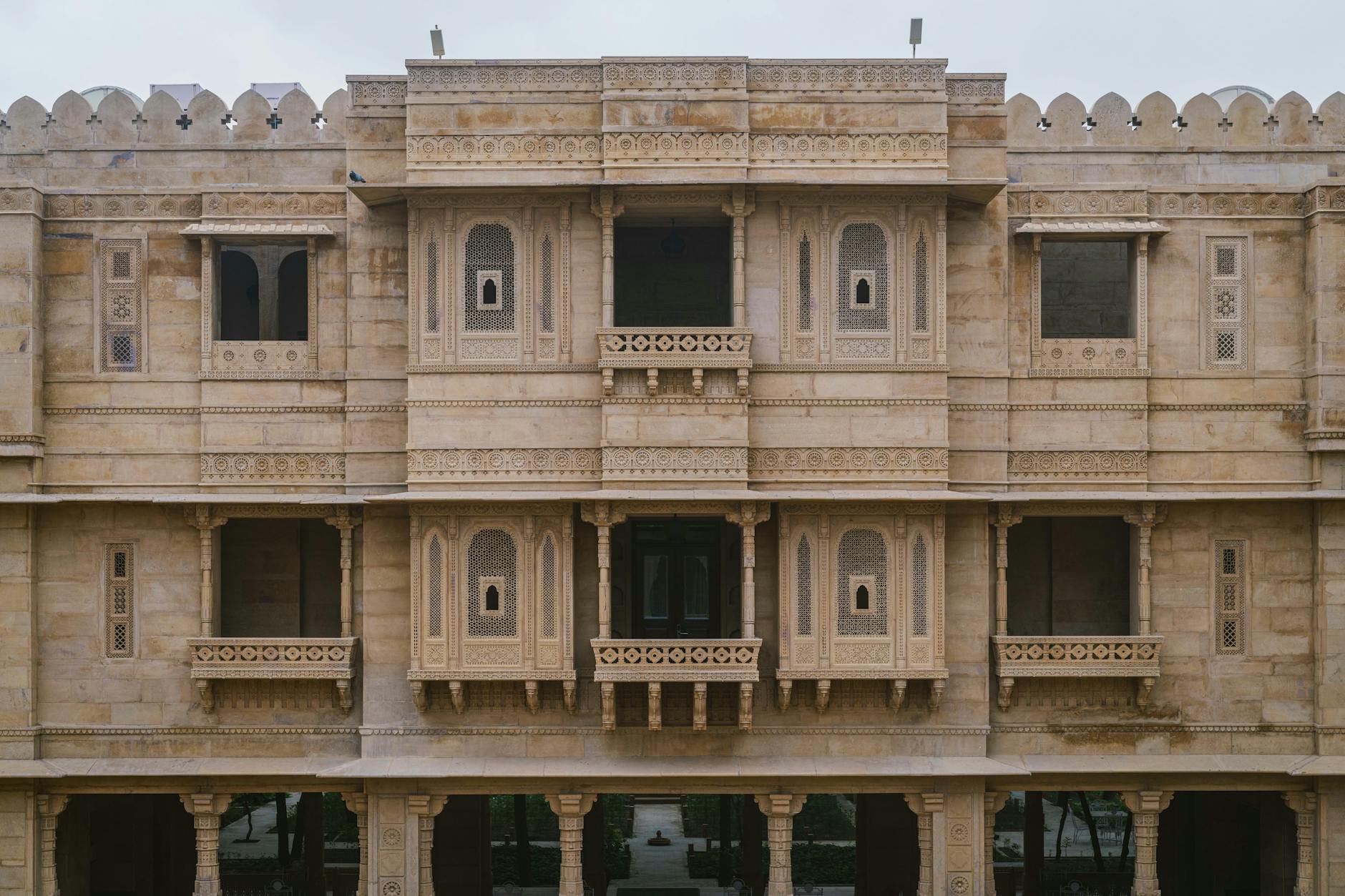
Jaisalmer
Hotel Priya
or Bhanwar Haveli
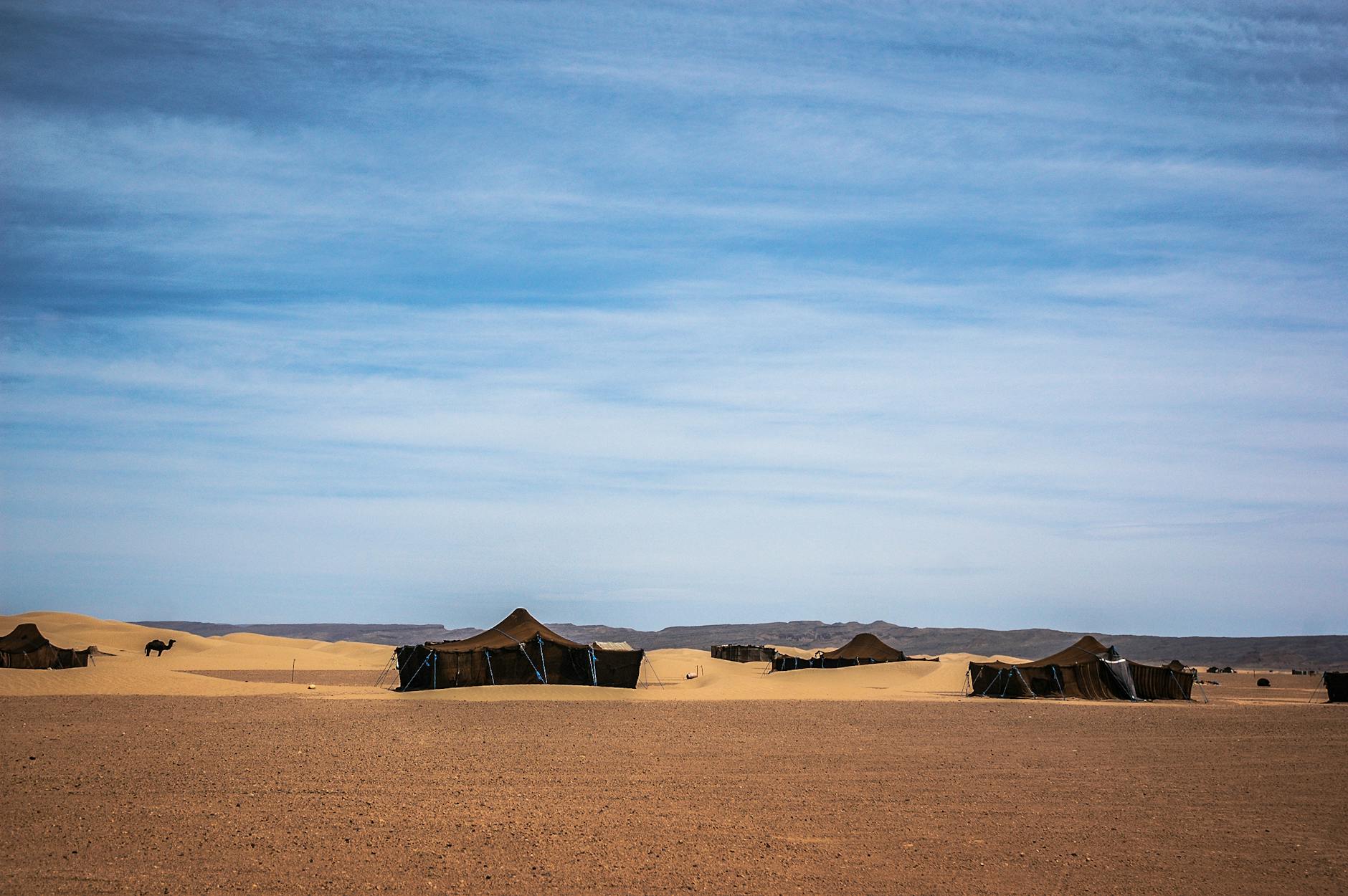
Camp Sand Dunes
Rajwada Desert Camps
Jaisalmer
Hotel Priya
or Bhanwar Haveli
Camp Sand Dunes
Rajwada Desert Camps
Honestly
Things most travel sites won't tell you.
On-the-ground details your designer wishes every guest knew before they landed.
Things to Look Out For
India is not one country, climate-wise
Rajasthan in February reads dry-cold; Kerala in February reads humid-warm; Sikkim in February might be under snow. Pack for the specific itinerary, not 'India in general'. Tibro's per-state tours are tuned to one climate at a time. Don't try to chain three of them back-to-back.
Tipping is structured, not arbitrary
Driver tips at ₹500-1000 per day, guide tips at ₹500-1000 per half-day, hotel housekeeping ₹100 per day, restaurant 10% on top of any service charge already listed. Hand the driver/guide an envelope on the last day rather than tipping daily. It is more dignified for them.
Tap water and ice are a real consideration
Every Tibro-tier hotel provides sealed bottled water in the room daily. Use it for brushing your teeth too. At restaurants, ask for "sealed bottled water" specifically. Some places will pour from a filtered jug, which is fine in some kitchens and not in others. Ice is the hidden trap; ask for "no ice" with cold drinks unless the hotel makes its own.
- №1
India is not one country, climate-wise
Rajasthan in February reads dry-cold; Kerala in February reads humid-warm; Sikkim in February might be under snow. Pack for the specific itinerary, not 'India in general'. Tibro's per-state tours are tuned to one climate at a time. Don't try to chain three of them back-to-back.
- №2
Tipping is structured, not arbitrary
Driver tips at ₹500-1000 per day, guide tips at ₹500-1000 per half-day, hotel housekeeping ₹100 per day, restaurant 10% on top of any service charge already listed. Hand the driver/guide an envelope on the last day rather than tipping daily. It is more dignified for them.
- №3
Tap water and ice are a real consideration
Every Tibro-tier hotel provides sealed bottled water in the room daily. Use it for brushing your teeth too. At restaurants, ask for "sealed bottled water" specifically. Some places will pour from a filtered jug, which is fine in some kitchens and not in others. Ice is the hidden trap; ask for "no ice" with cold drinks unless the hotel makes its own.
The Details
What's Included
Included
- Accommodation in well-appointed rooms on as per hotel selected
- Daily Breakfast and Dinner in the comfort of the Hotel/Camps
- Cultural evening at the dune camping with 01 Camel ride in Sam dunes
- All Transfers and sightseeing as per the itinerary on point-to-point basis by an AC vehicle
- Driver Allowance, Fuel, Tolls, State Taxes, Parking Included.
Not Included
- 5% GST will be applicable on total amount
- Any Train/airfare
- Any Kind of Personal Expenses or Optional Tours / Extra Meals Ordered
Plan Your Timing
When to Go
India has three windows for travel. October–March is the cool/dry season. The headline window, when most of the subcontinent is at its most welcoming. April–June is hot and increasingly dangerous in the north plains. July–September is the southwest monsoon. Beautiful for Kerala Ayurveda lovers, hard for sightseeing. This Kerala tour sits squarely in the post-monsoon clear window.
Kerala has two monsoons (southwest Jun–Aug heavy; northeast Oct–Nov a brief secondary). The Winters 25-26 departure window avoids both. Ayurveda treatments traditionally peak with the monsoon, but the tour itinerary itself works best in dry season.
Your Memoir
Here's how you'll remember it.
Vol. 30, A Tibro memoir, printed on archival paper, shipped after you return.
Enquire
Start the conversation.
Tell us your dates and preferences. A Tibro travel designer will respond within 24 hours.