Pyramids to Thebes
Best for
Couples, Culture Seekers
Duration
5N/6D
Season
October–April
Difficulty
Easy
Vibe
Cultural, Heritage

A Tibro Journey
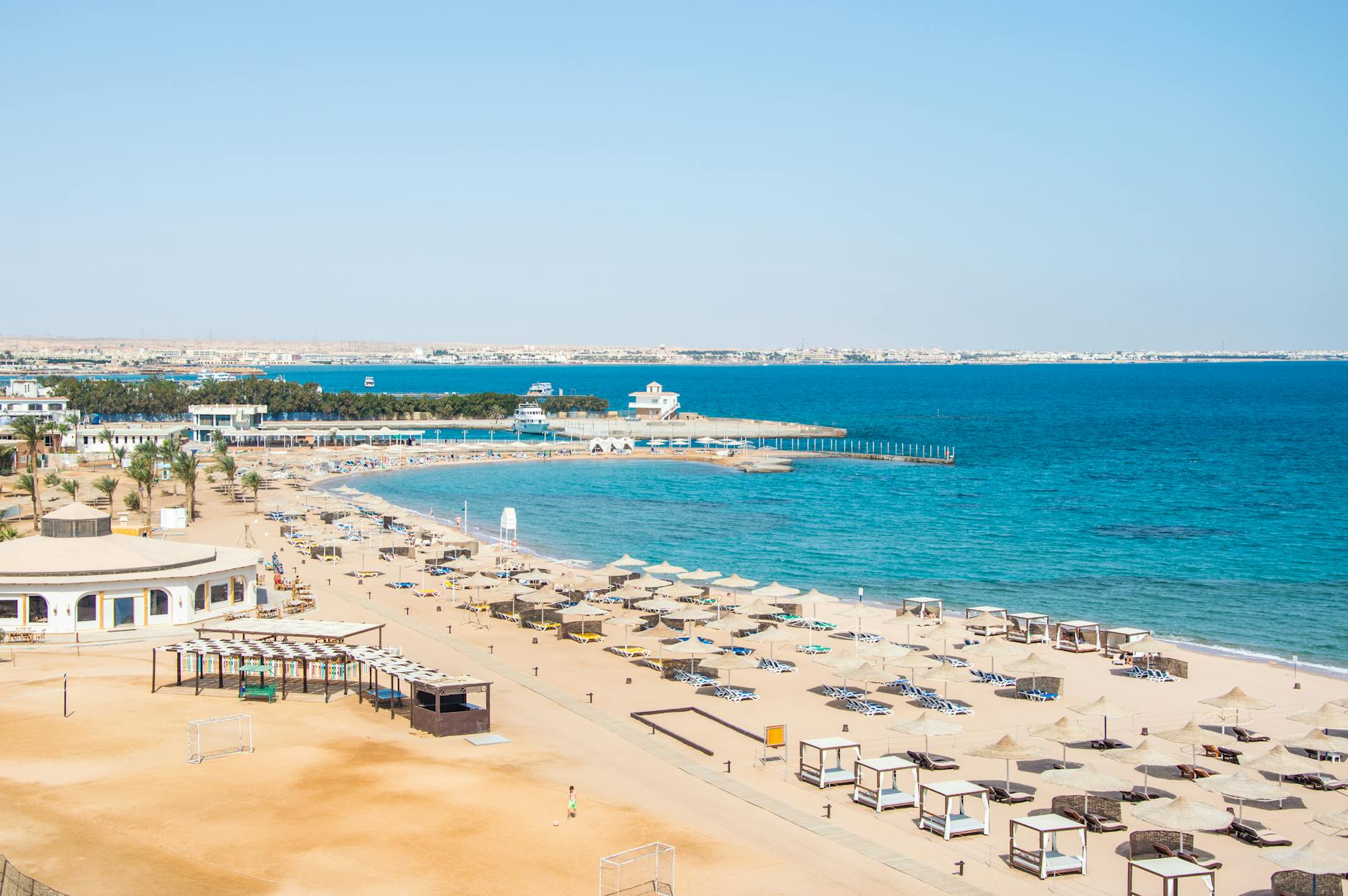
Five nights from the Giza plateau to the Valley of the Kings. The Pyramids and the Sphinx, a day on Alexandria's Mediterranean coast, then the temples of Luxor.
Classic Egypt: Cairo + Alexandria + Luxor is a 5N/6D heritage & culture journey through Egypt. Highlights include Pyramids of Giza, Alexandria day tour, Karnak & Valley of Kings.
Signature Moments
Three Mornings You'll Remember
No. 01
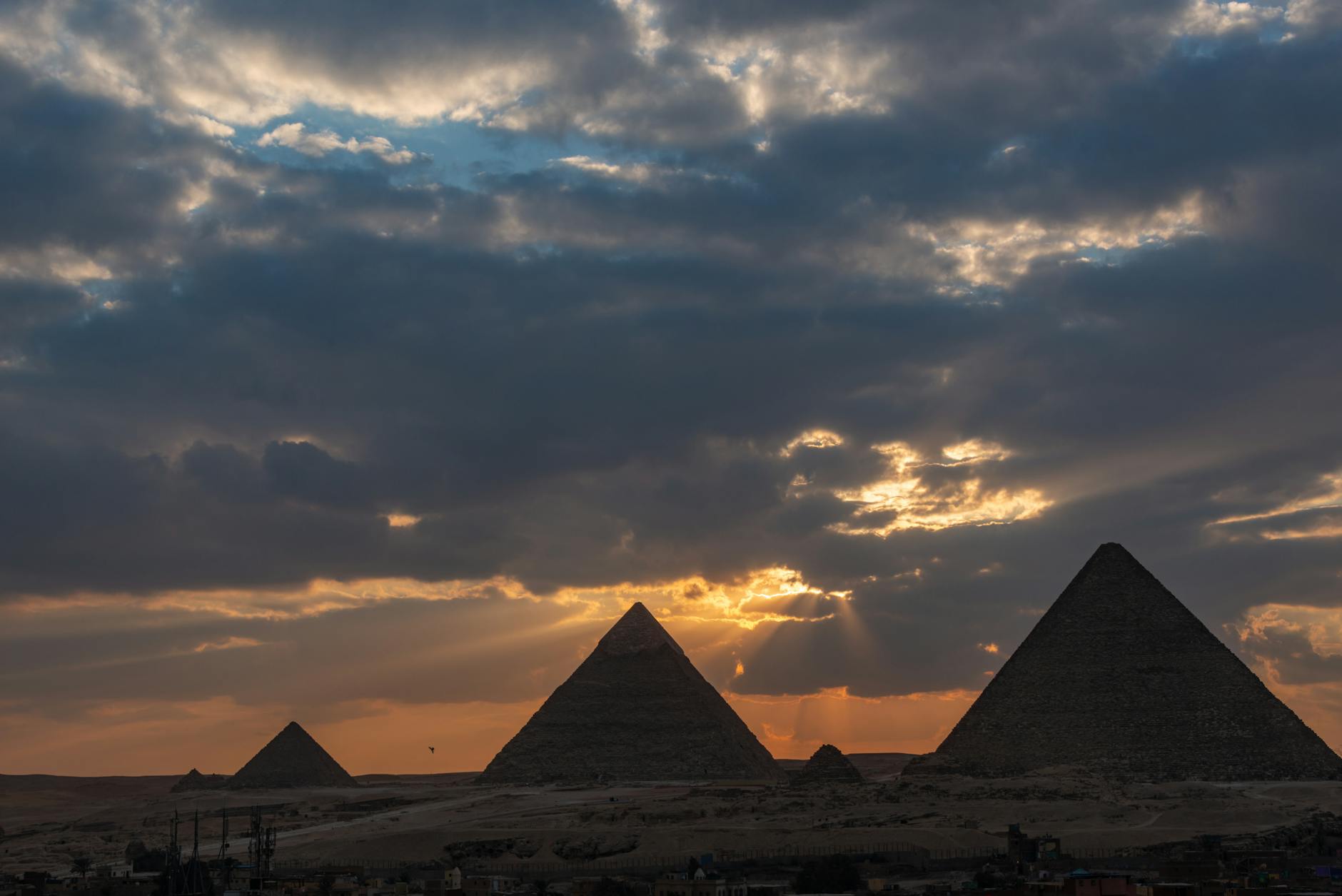
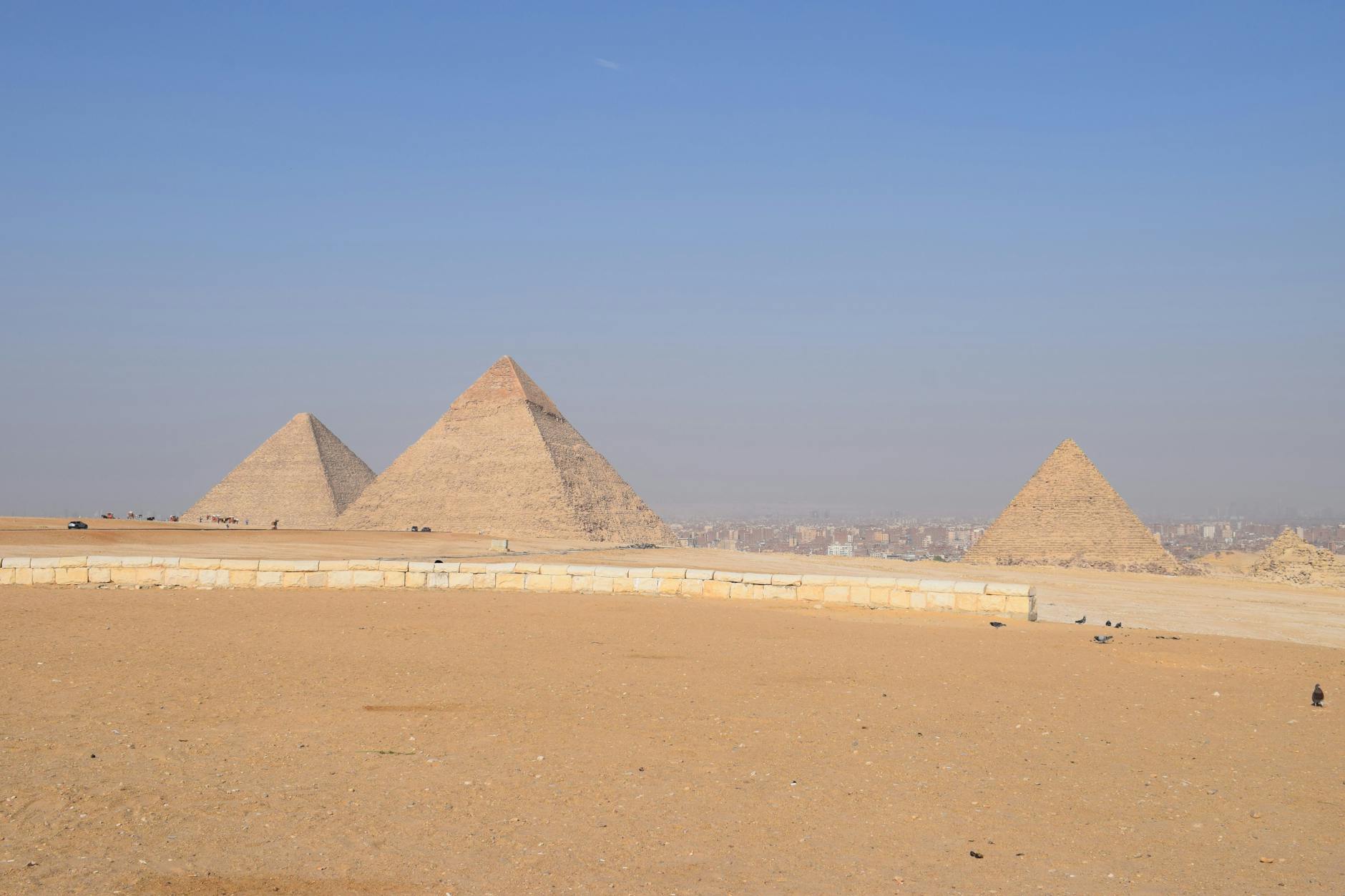
Pyramids of Giza
Pyramids of Giza
No. 02
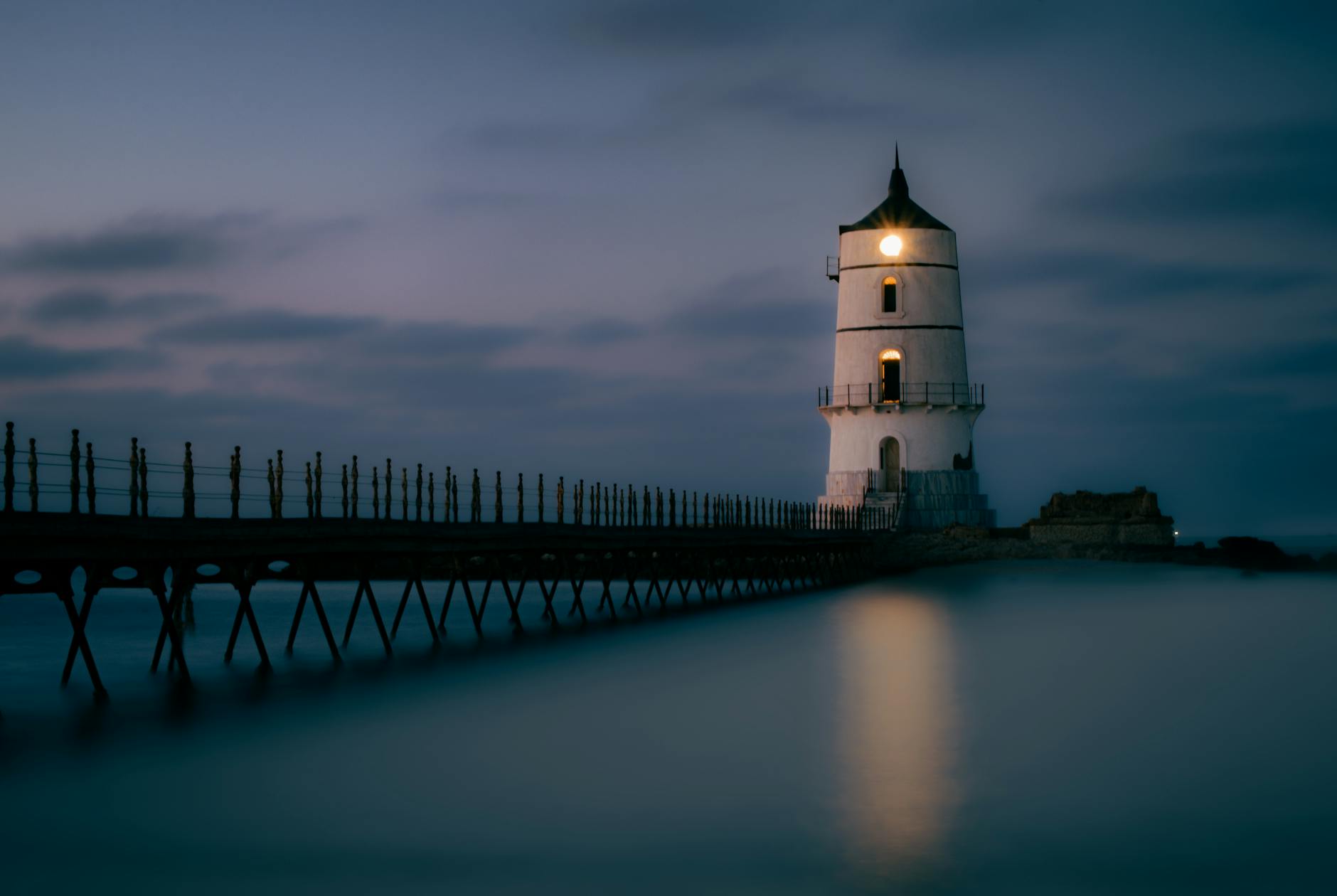
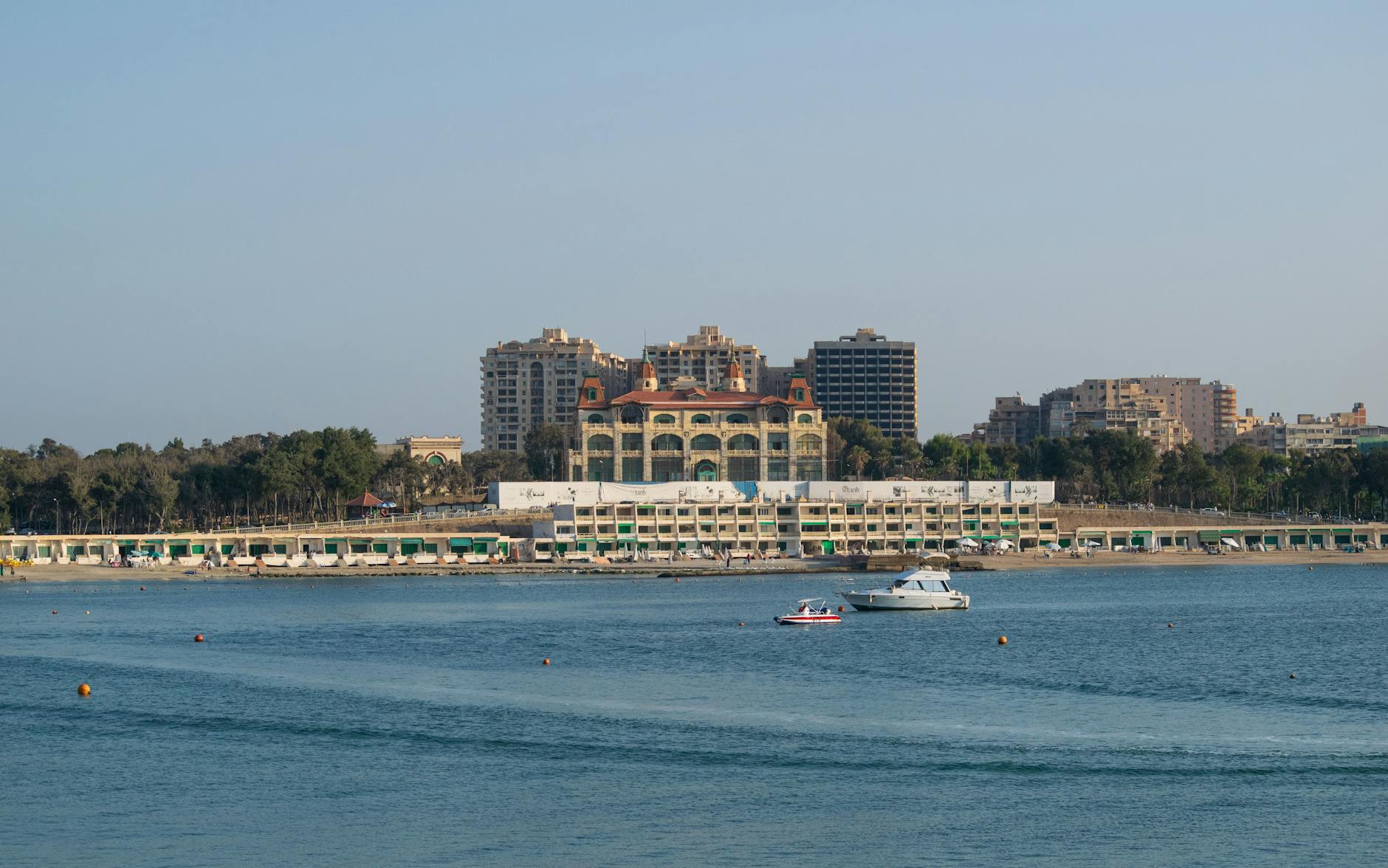
Alexandria day tour
Alexandria day tour
No. 03
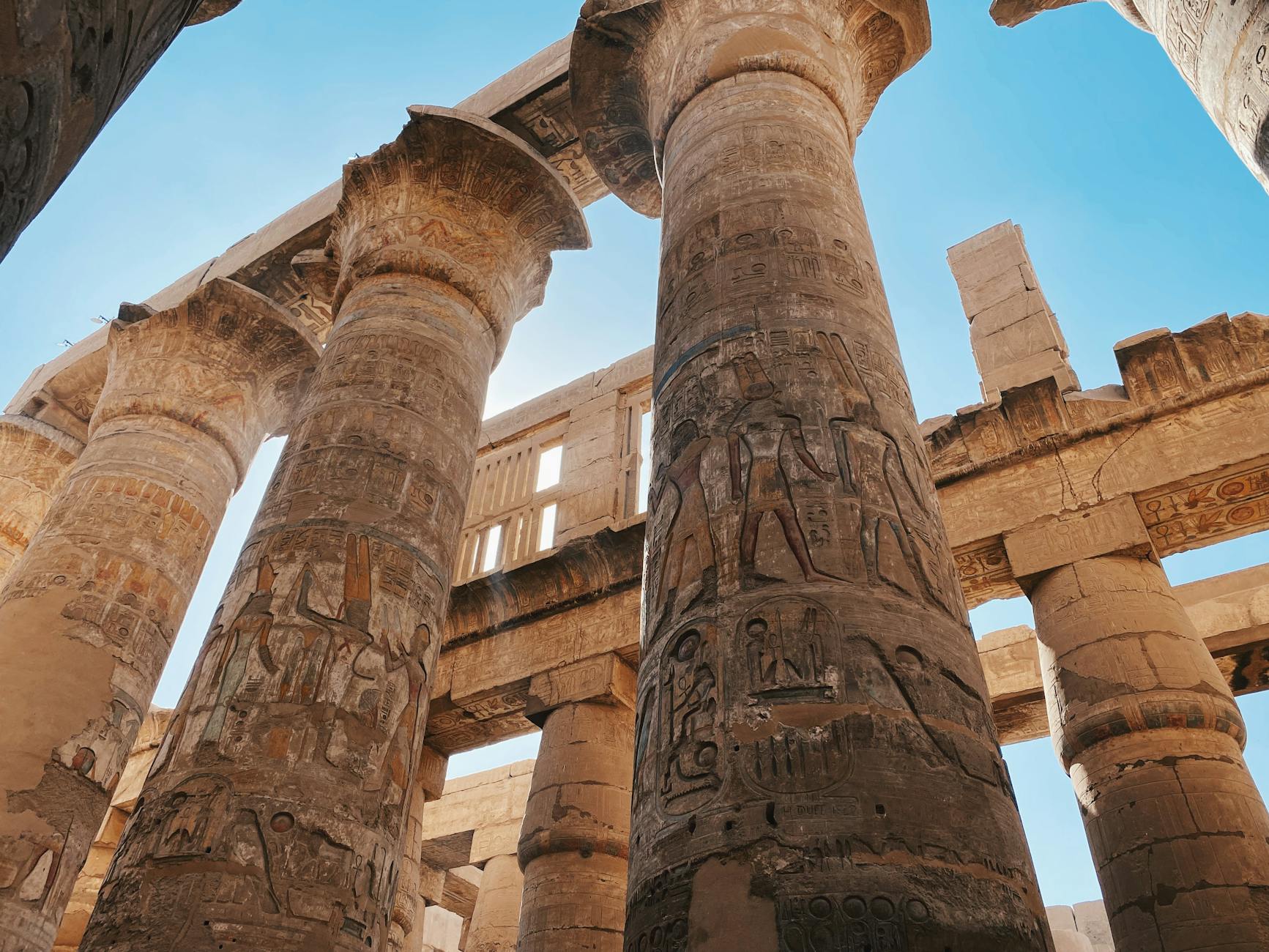
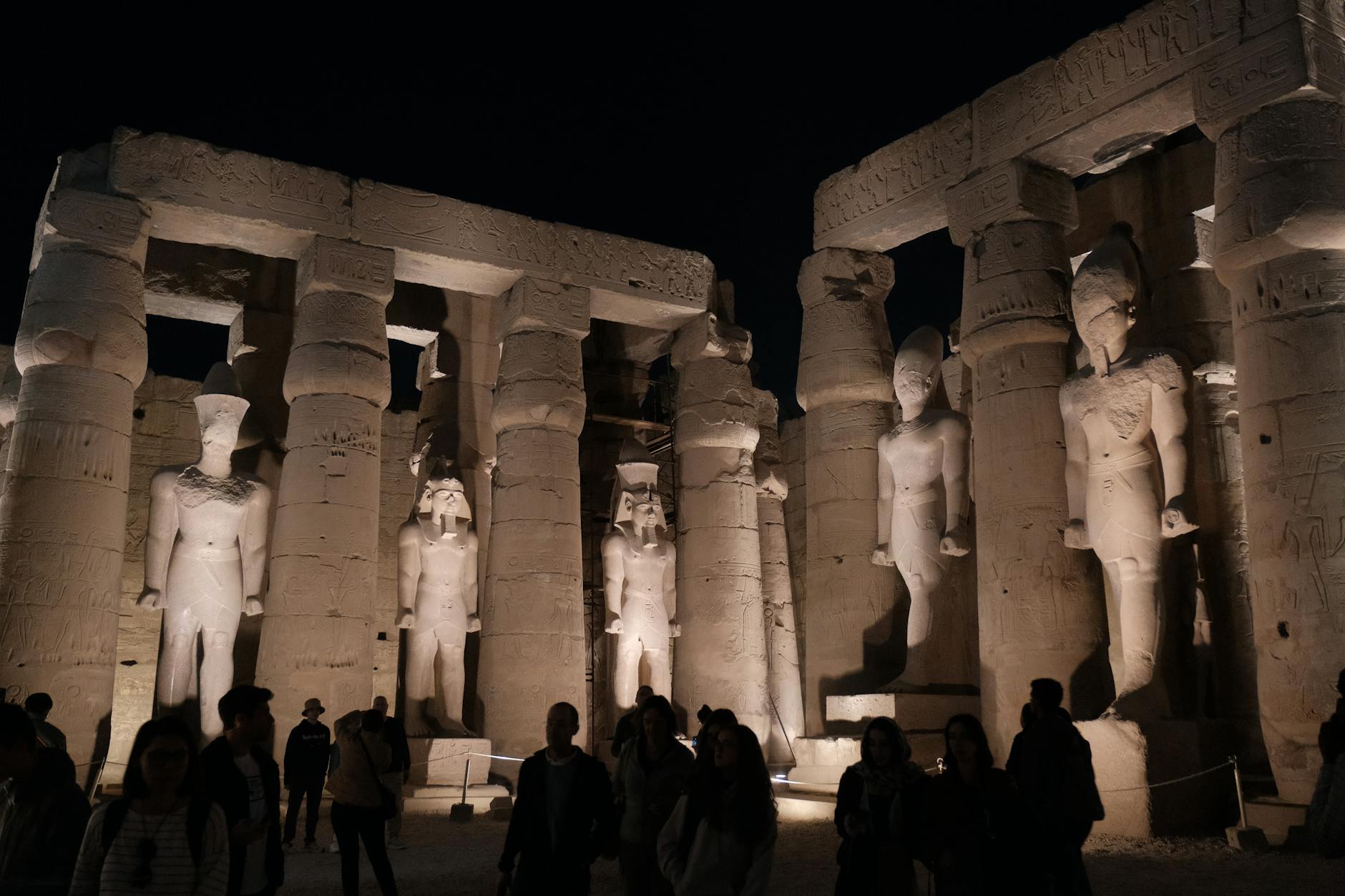
Karnak & Valley of Kings
Karnak & Valley of Kings
No. 01
Pyramids of Giza
Pyramids of Giza
No. 02
Alexandria day tour
Alexandria day tour
No. 03
Karnak & Valley of Kings
Karnak & Valley of Kings
Day by Day
5N/6D, in order
Day 1
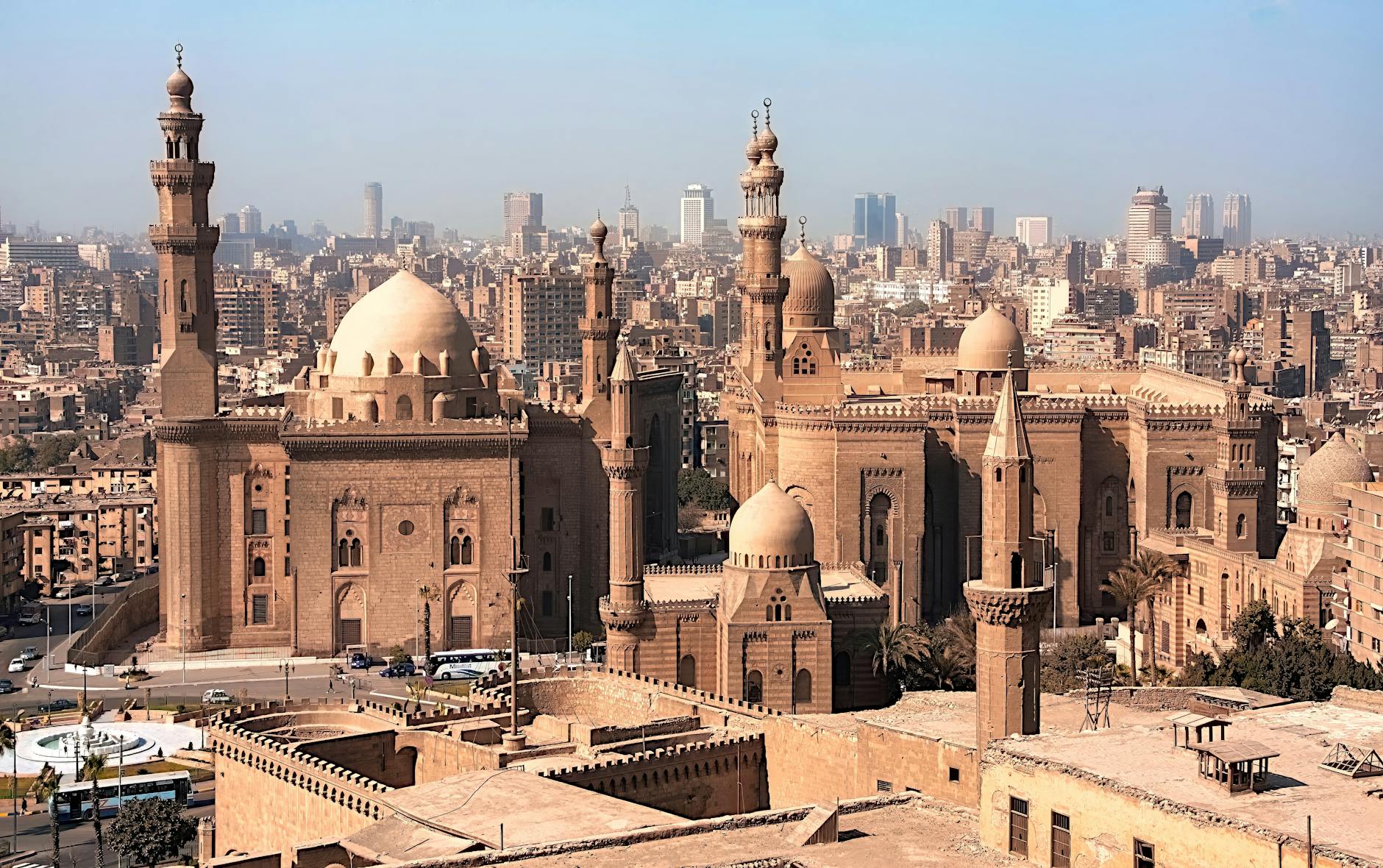
Arrive Cairo
Meet at Cairo airport upon arrival by Egypt Promotion representative who will assist you through airport customs & formalities. You will be escorted immediately to your hotel. Check-in at the hotel upon arrival (after 3.00 PM)
Day 2
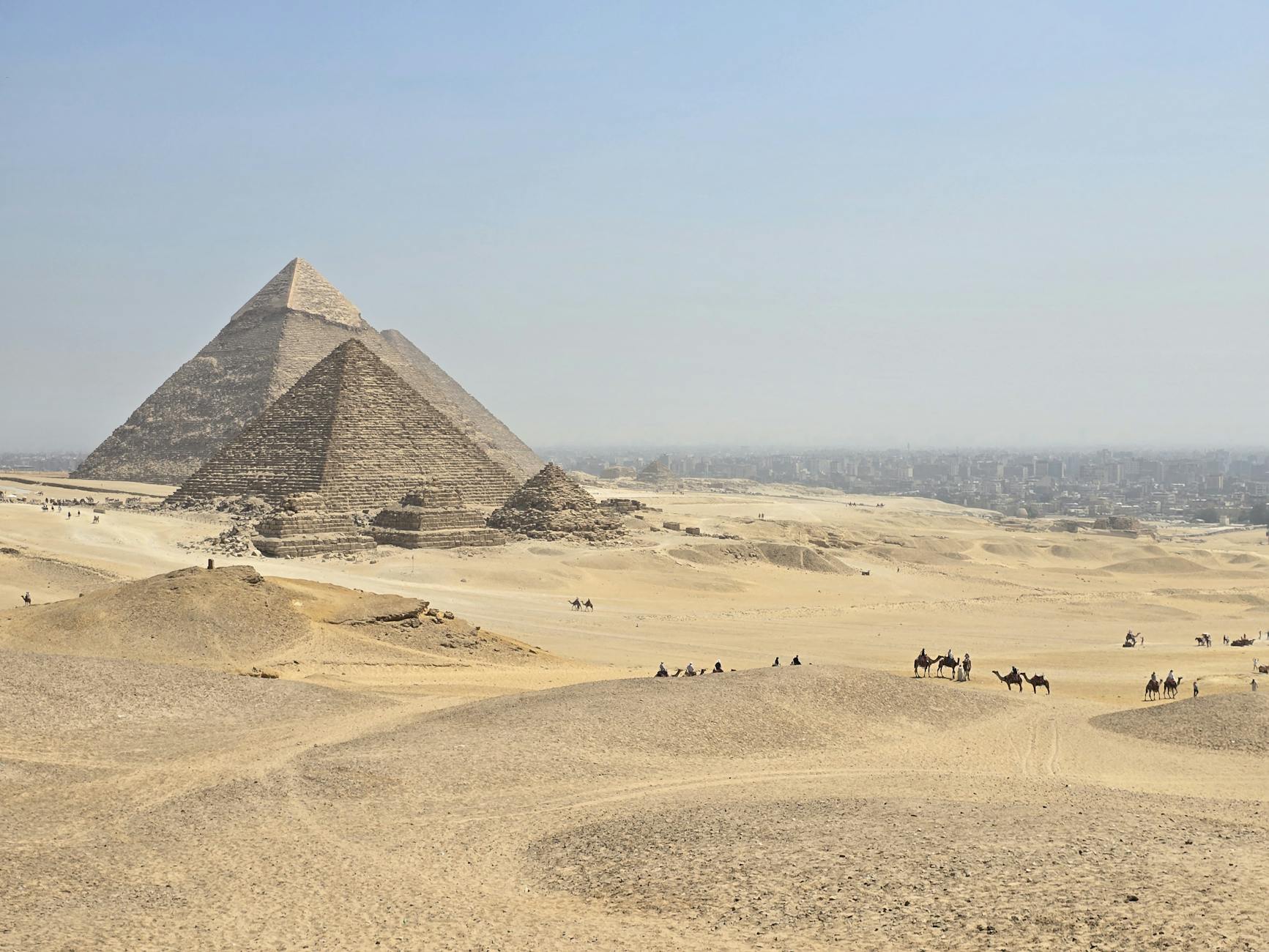
Day Tour to the Pyramids and Sphinx
Breakfast at the hotel. Pick up from the hotel and transfer by air-conditioned vehicle with English speaking Egyptologist to the Giza Necropolis The Giza Pyramid Complex includes entry inside the Great Pyramid of Giza the Pyramid of Khafre, and the Pyramid of Menkaure, along with their associated pyramid complexes and the Great Sphinx of Giza. All were built during the Fourth Dynasty of the Old Kingdom of Ancient Egypt. The site also includes several cemeteries and the remains of a worker’s village. The Sphinx dates from the reign of King Khafre, during the New Kingdom, Amenhotep II dedicated a new temple to Hauron-Haremakhet, and this structure was added onto by later rulers. Visit the Papyrus Institute, perfume factory, and cotton shop. In the evening, transfer from Residence place to have dinner on board Nile cruise in Cairo Nile while sailing for 2 hours with the folkloric oriental show and belly dancer Transfer back to your hotel. Dinner and overnight at the hotel in Cairo.
Day 3
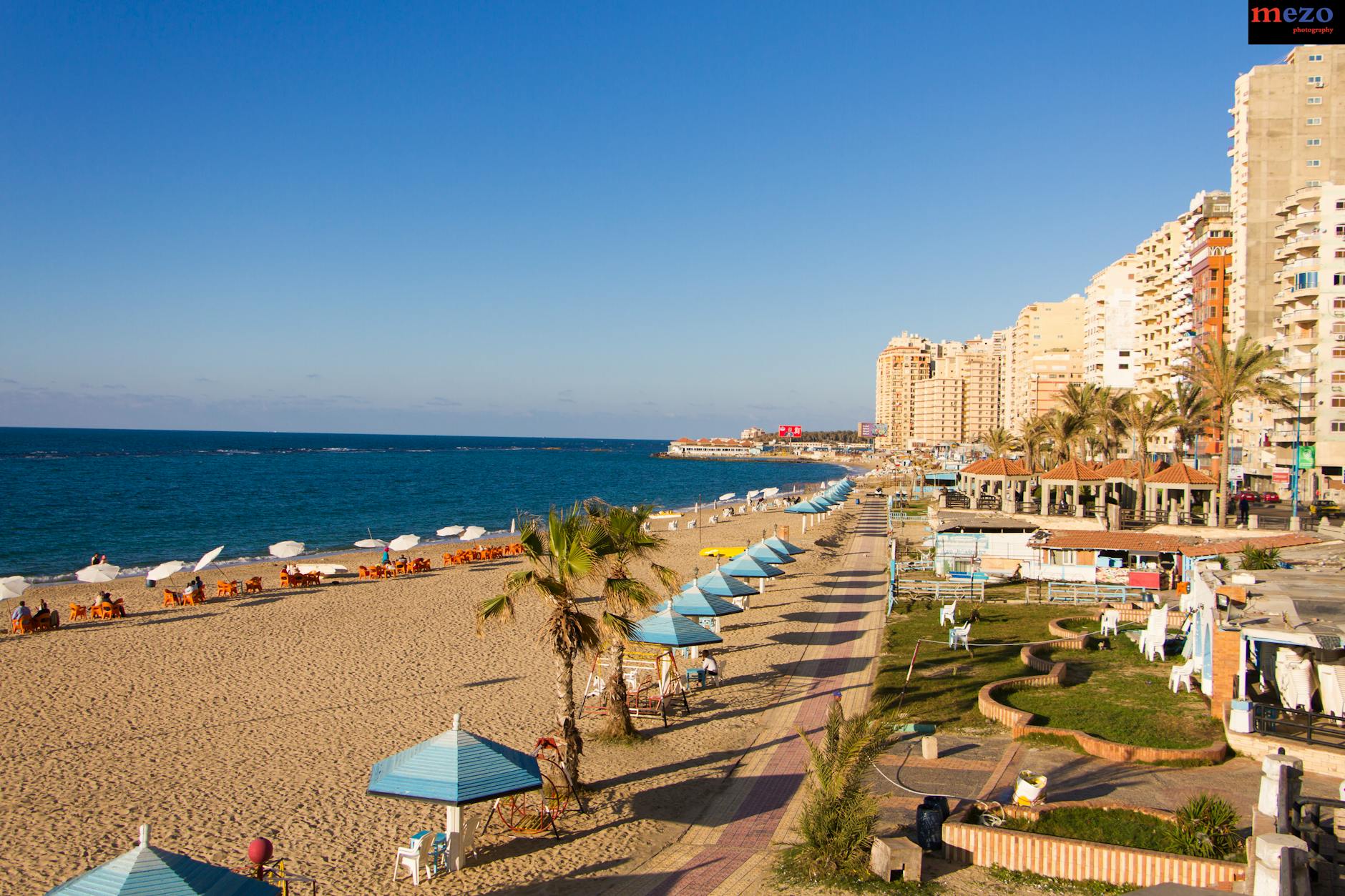
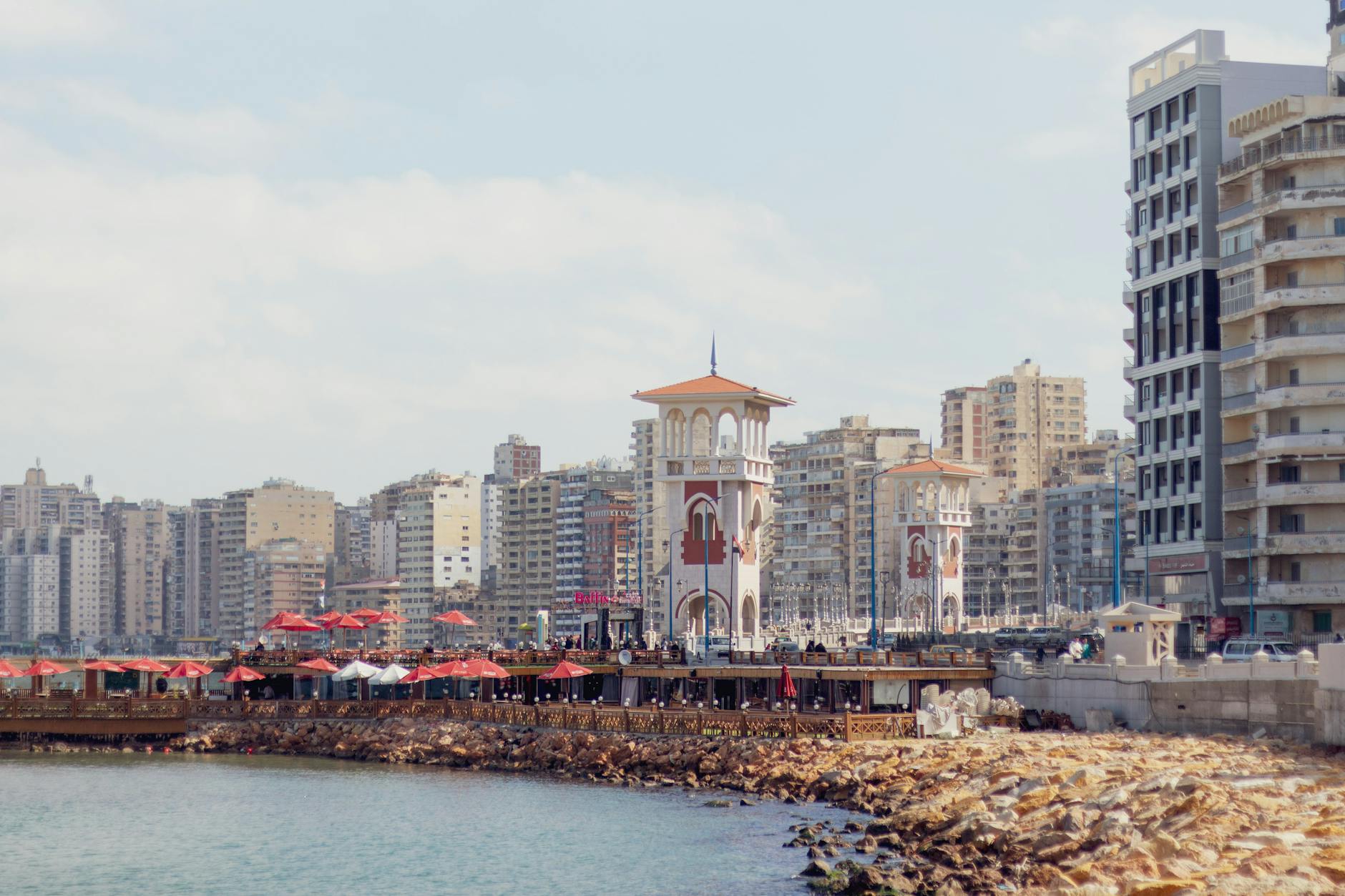
Alexandria Day Tour
Day 4
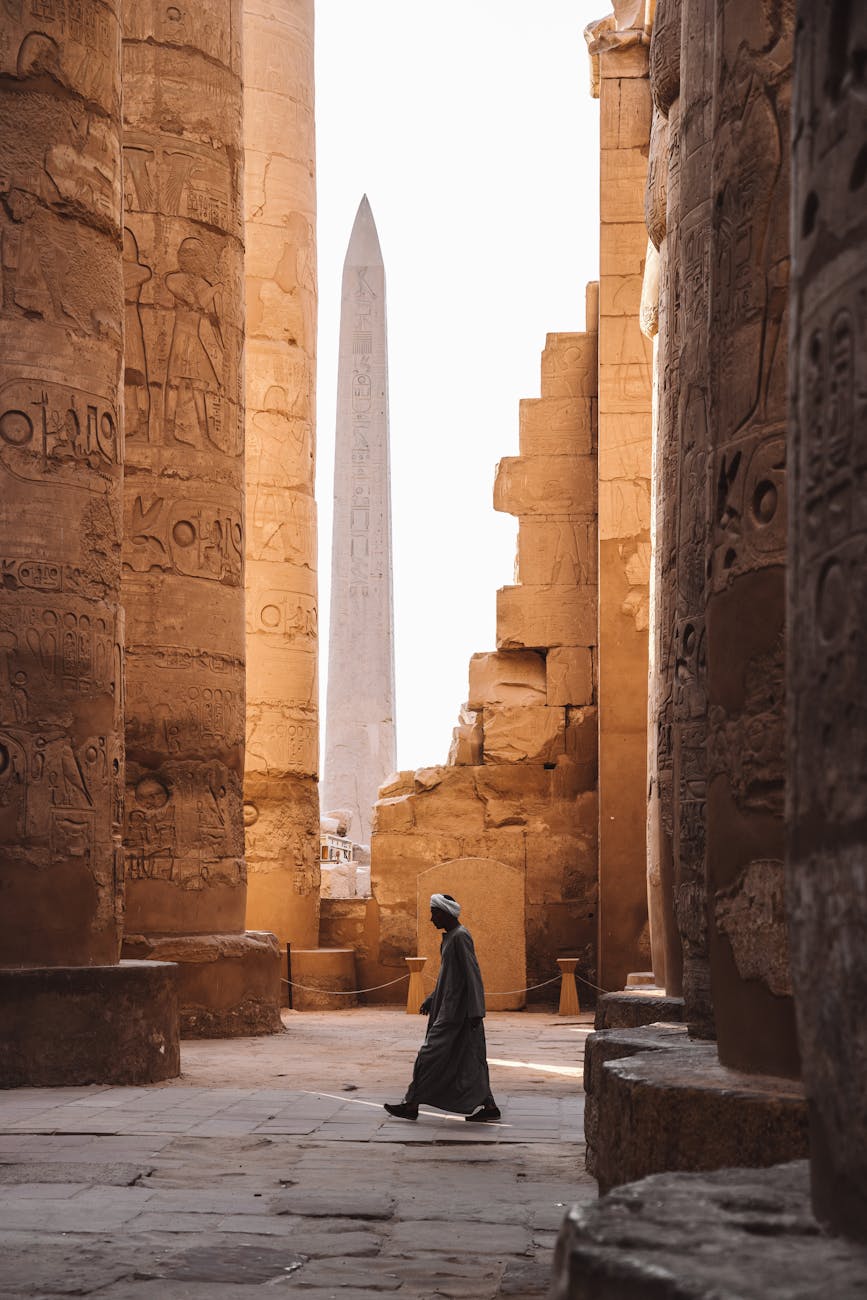
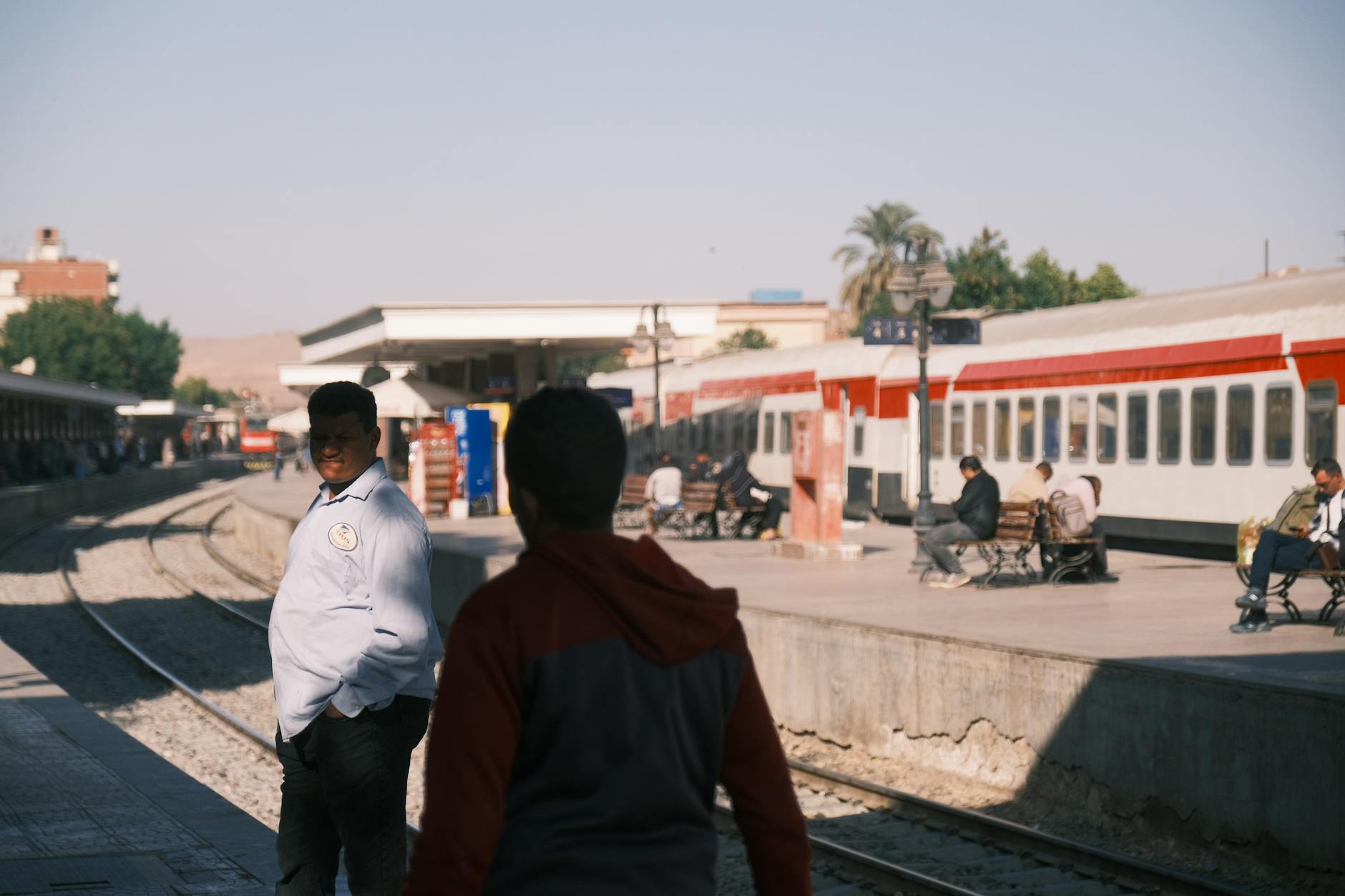
Cairo – Luxor
Day 5
Luxor
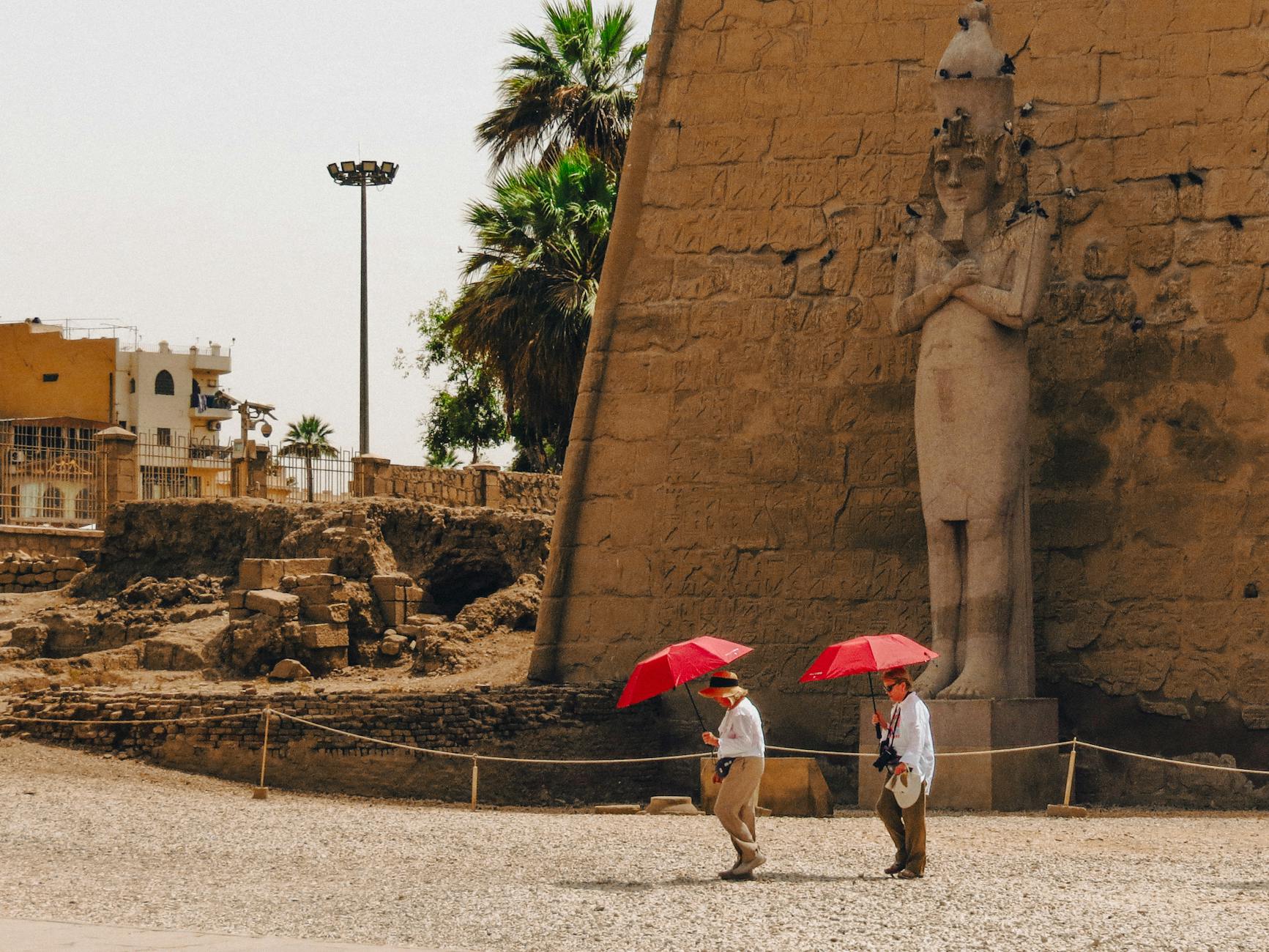
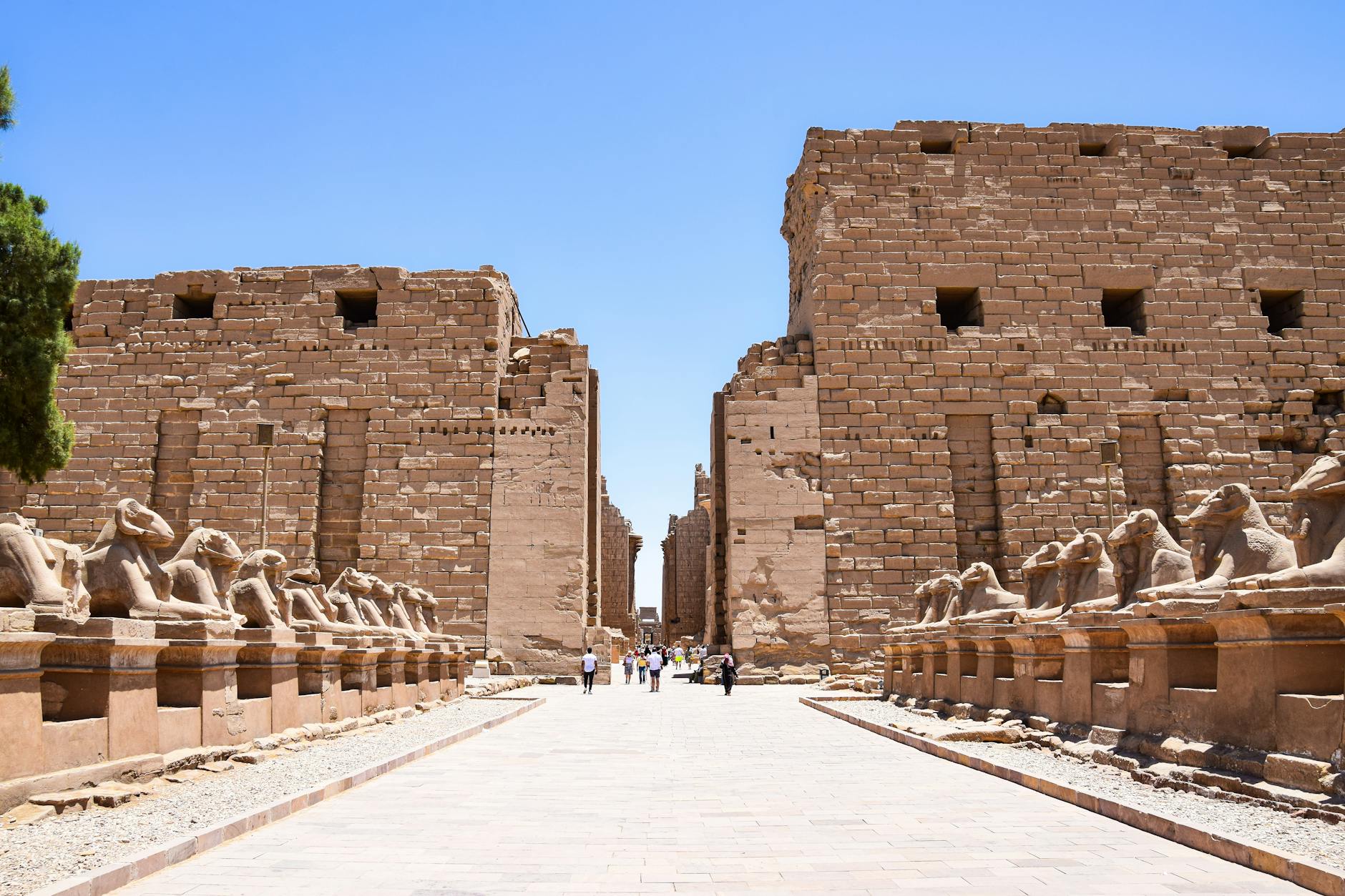
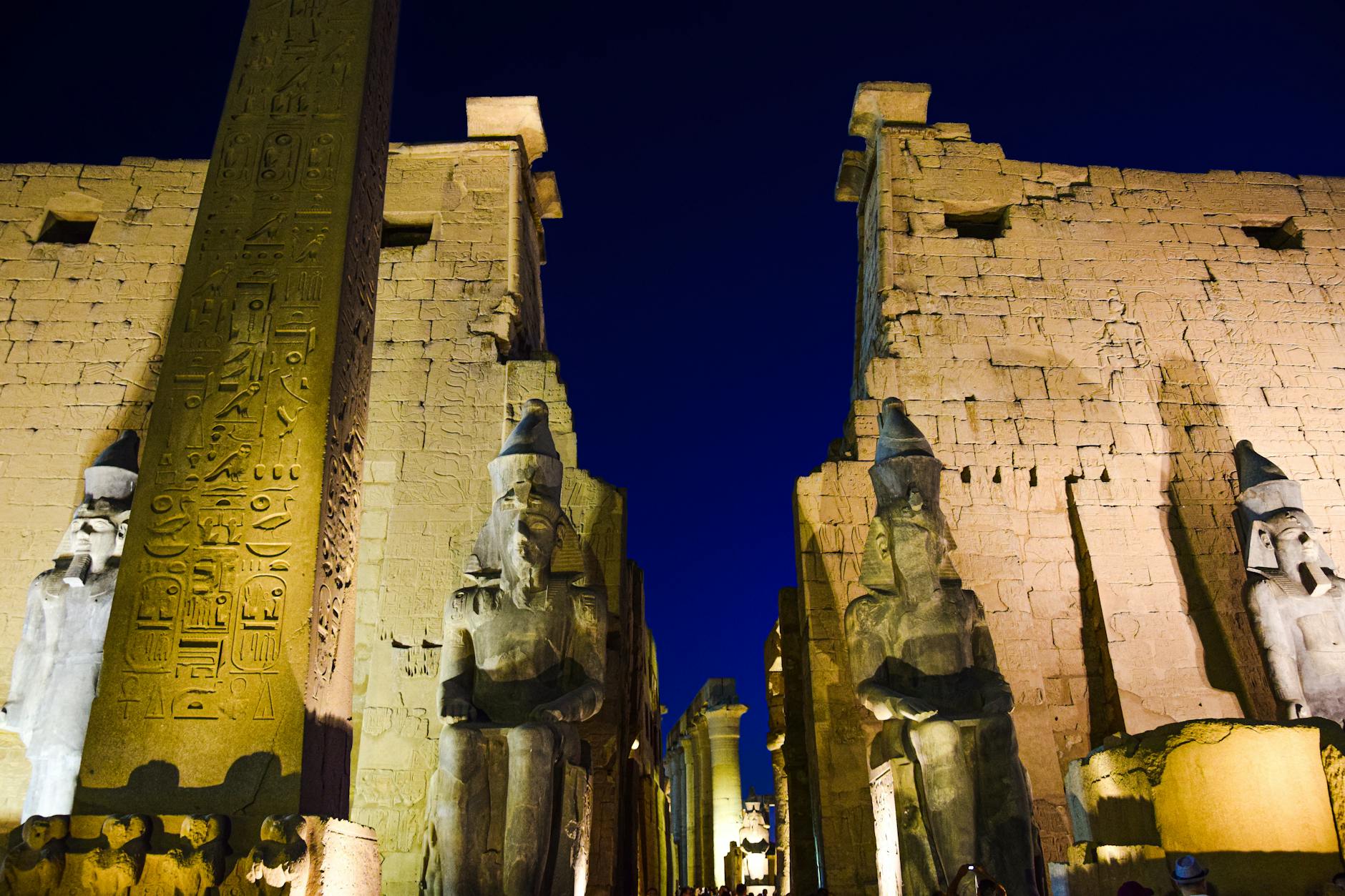
Optional Tour: Hot Air Balloon USD 130.00$ Per Person Breakfast at the hotel. Pick up from the hotel and transfer by air-conditioned vehicle with English speaking Egyptologist to the West Bank of Luxor Valley of the Kings: a vast City of the Dead where magnificent tombs were carved into the desert rocks, as it was used for royal burials for the Kings. It is the most famous site for having unique collections of tombs and breathtaking ancient ruins. Entrance of 03 tombs from inside is included (Ramses I, Ramses IX and Merenptah). Hatshepsut Temple: Rising out of the desert plain in a series of terraces, the Temple of Queen Hatshepsut (Ancient Egypt’s only female Pharaoh) merges with the sheer limestone cliffs that surround it, as if nature herself had built this extraordinary monument. Colossi of Memnon: On the way back to the river Nile, your road passes by the famed Colossi of Memnon, known in Ancient Greek times for their haunting voices at dawn. They were constructed as guardians for Amenhotep III's mortuary complex.
Day 6
Departure
Where You'll Stay
Hand-Picked Hotels
Cairo
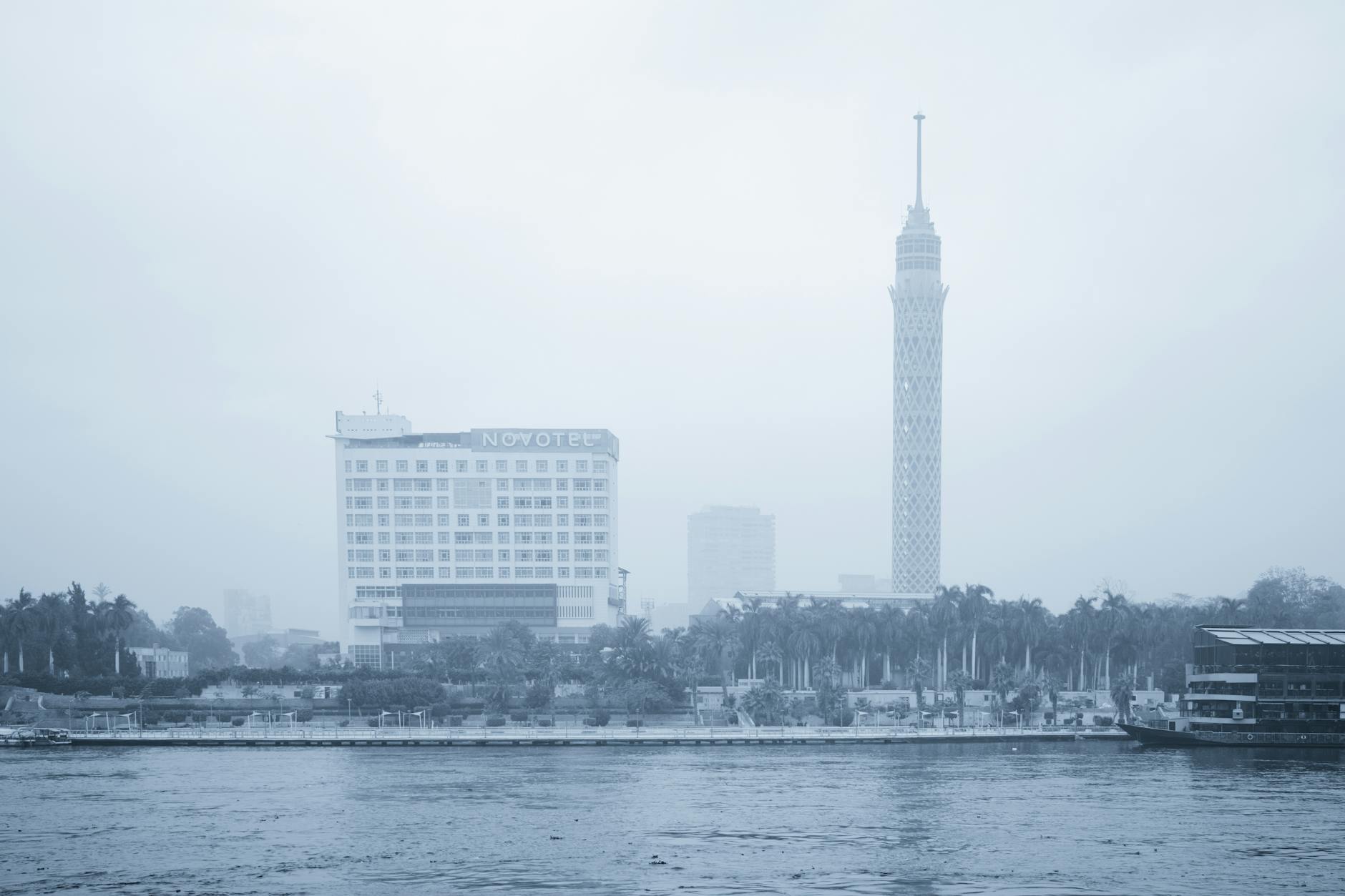
Jaz Pyramids
Luxor
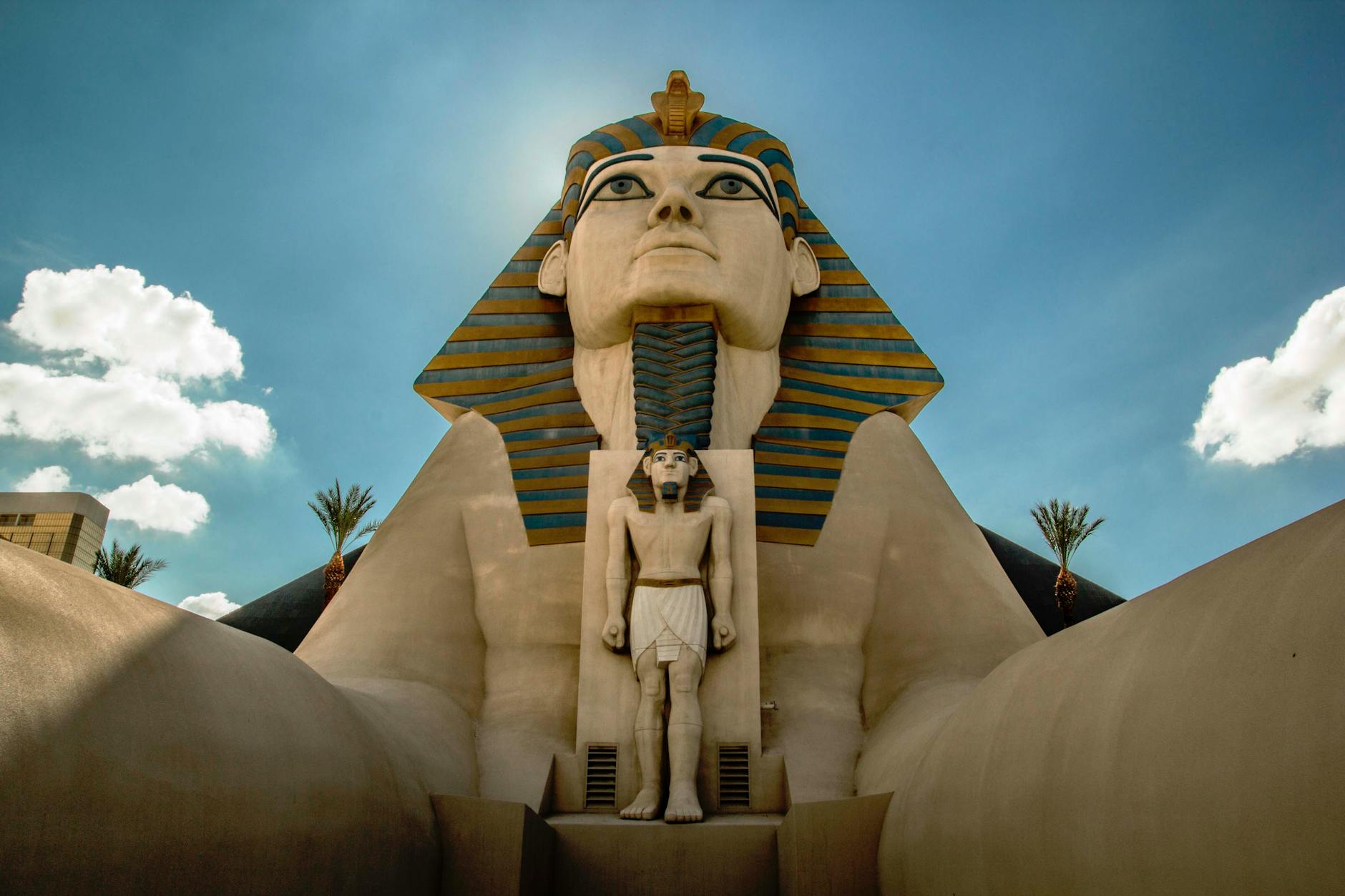
Lotus Luxor Hotel
Cairo
Jaz Pyramids
Luxor
Lotus Luxor Hotel
Honestly
Things most travel sites won't tell you.
On-the-ground details your designer wishes every guest knew before they landed.
Things to Look Out For
Upper Egypt in summer is no joke
Luxor and Aswan in June through August hit the mid-40s. Heat that genuinely shortens what you can do, with the temples best seen at first light before it becomes unsafe to stand in the open. October to April is the season; Cairo and the Mediterranean coast are more forgiving year-round, but the Nile and the Valley of the Kings demand the cooler months.
Carry small notes for baksheesh
Baksheesh, the small tip for a small service. Oils everything in Egypt: the man who shows you the unmarked tomb, the guard who lets you photograph, the porter. Keep a stack of small notes separate from your wallet. It is not begging; it is the system, and a few pounds smooths the whole day.
A licensed Egyptologist changes everything
The sites are vast and unlabelled, and a trained Egyptologist guide turns a confusing pile of stone into a readable story. Which pharaoh, which dynasty, what the hieroglyphs above your head actually say. Insist on a licensed one, not a hotel fixer; the difference at Karnak or the Valley of the Kings is the difference between seeing and understanding.
- №1
Upper Egypt in summer is no joke
Luxor and Aswan in June through August hit the mid-40s. Heat that genuinely shortens what you can do, with the temples best seen at first light before it becomes unsafe to stand in the open. October to April is the season; Cairo and the Mediterranean coast are more forgiving year-round, but the Nile and the Valley of the Kings demand the cooler months.
- №2
Carry small notes for baksheesh
Baksheesh, the small tip for a small service. Oils everything in Egypt: the man who shows you the unmarked tomb, the guard who lets you photograph, the porter. Keep a stack of small notes separate from your wallet. It is not begging; it is the system, and a few pounds smooths the whole day.
- №3
A licensed Egyptologist changes everything
The sites are vast and unlabelled, and a trained Egyptologist guide turns a confusing pile of stone into a readable story. Which pharaoh, which dynasty, what the hieroglyphs above your head actually say. Insist on a licensed one, not a hotel fixer; the difference at Karnak or the Valley of the Kings is the difference between seeing and understanding.
The Details
What's Included
Included
- ➢ Tours and entrance fees as mentioned in the itinerary.
- ➢ Transfer as mentioned in the itinerary.
- ➢ Accommodation for 5 nights as mentioned in the itinerary on bed and breakfast basis.
- ➢ English speaking guide
- ➢ All tours and transfers are provided by Private Car
Not Included
- 5% Government Service Tax is an applicable addition to the total invoice.
- 5% / 20% Tax Collected at Source (TCS) – claimable
- PCR Test unless mentioned
Plan Your Timing
When to Go
Egypt is a cool-season country. October to April is the window. Warm days, cool nights, and the Upper Egypt temples bearable to walk. The peak runs December to February, comfortable but busiest. May is the shoulder before the heat. June to September is fierce, especially in Luxor and Aswan where the mid-40s make midday sightseeing genuinely risky; Cairo and the Mediterranean coast hold a little cooler. Plan the Nile and Thebes for the winter half of the year.
Your Memoir
Here's how you'll remember it.
Vol. 1, A Tibro memoir, printed on archival paper, shipped after you return.
Enquire
Start the conversation.
Tell us your dates and preferences. A Tibro travel designer will respond within 24 hours.