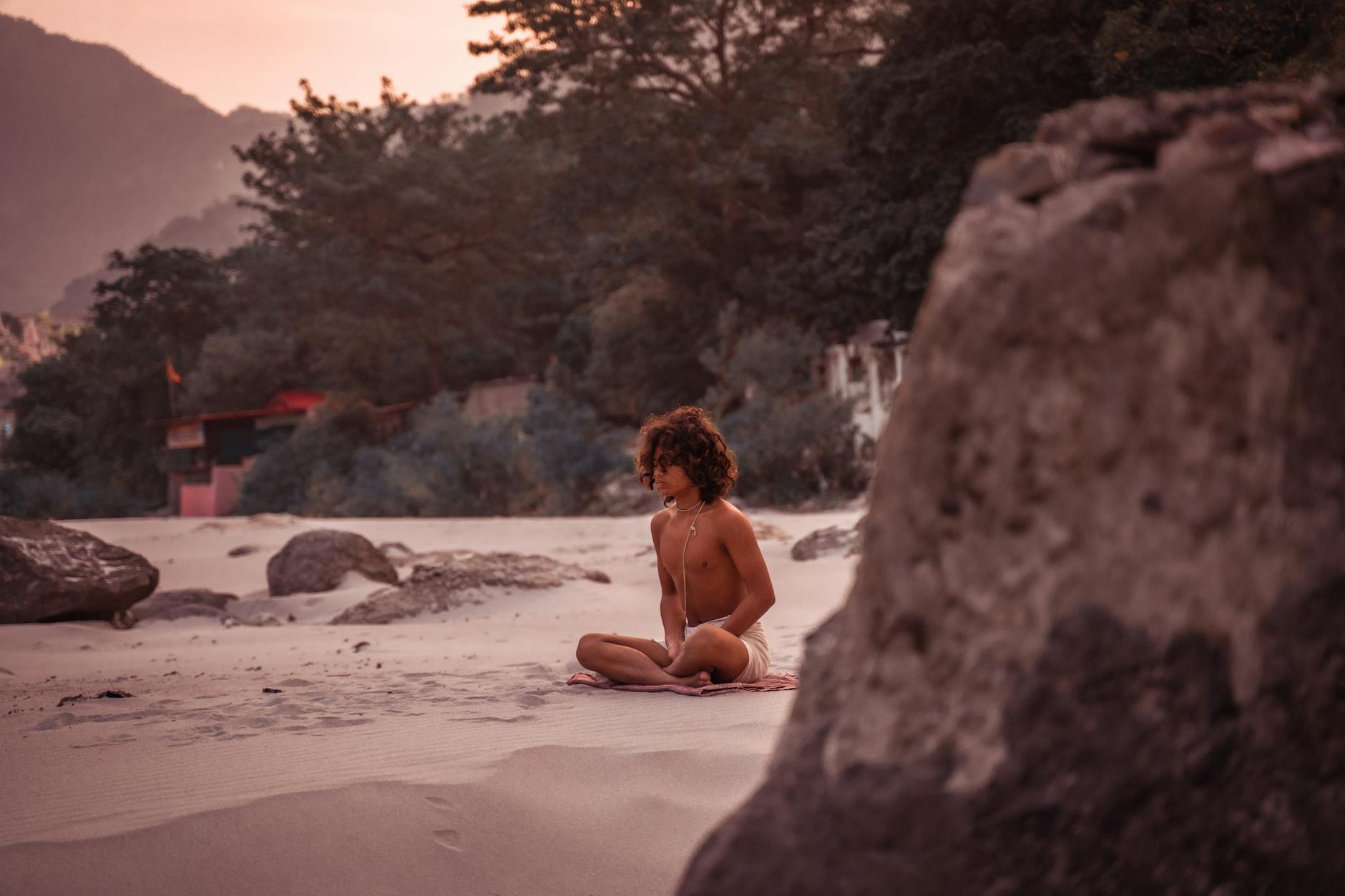
Ghats Varanasi
Best for
Devotees, Families
Duration
5 Nights / 6 Days
Season
October–March
Difficulty
Easy
Vibe
Spiritual, Pilgrimage
Ghats Varanasi
5 Nights / 6 Days, 3 cities, From ₹43,825
per person, twin sharing
A Tibro Journey
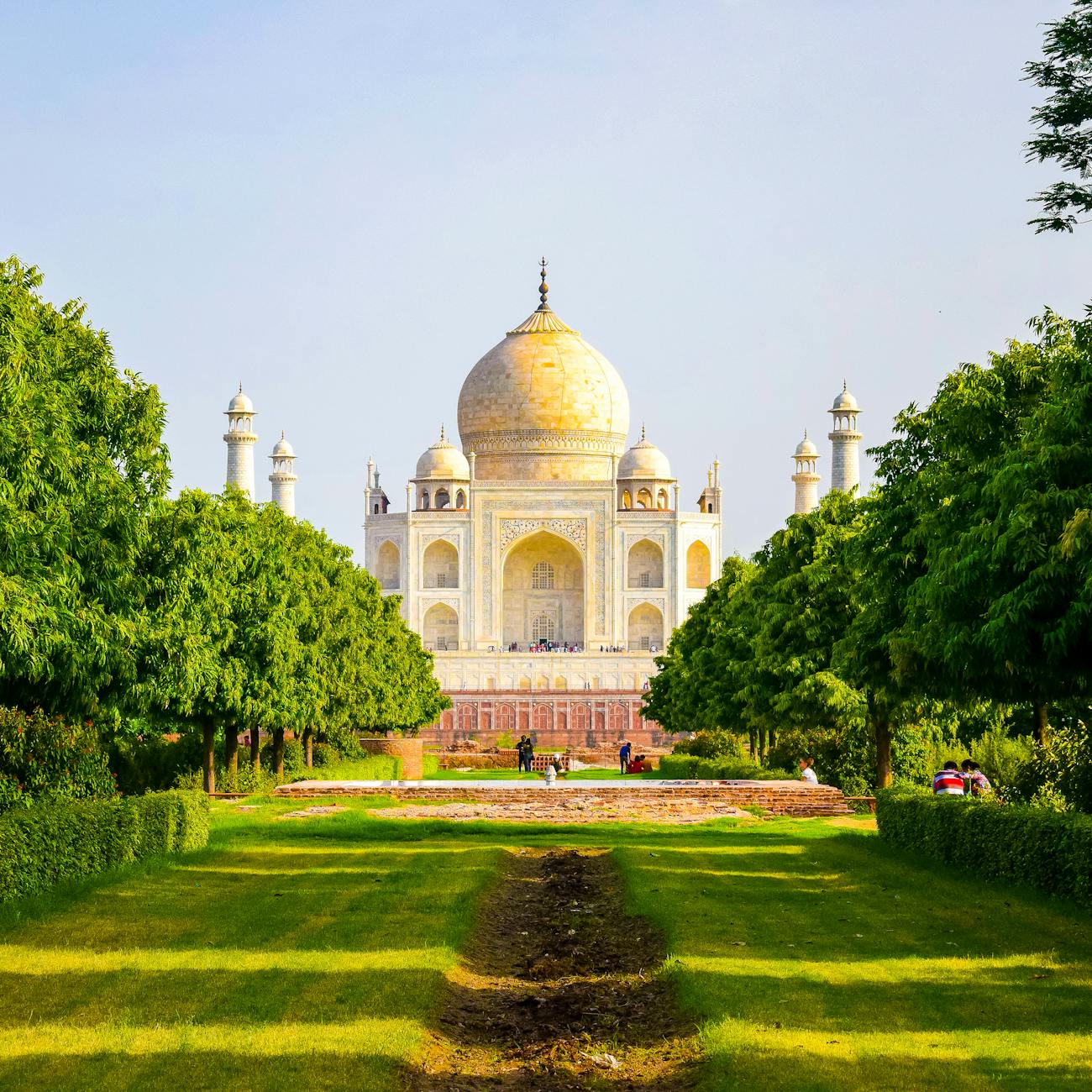
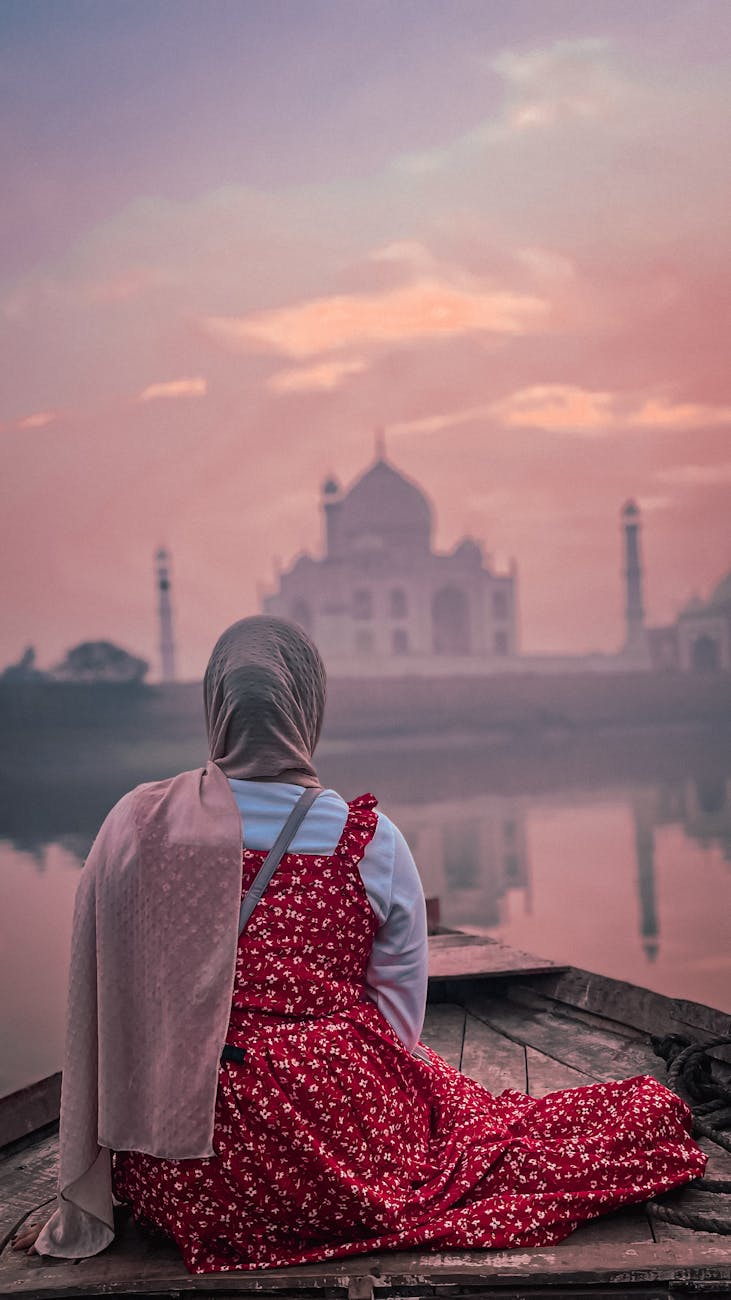
Five nights through the three pilgrim cities of north India. The dawn ghats at Varanasi, the new Ram temple at Ayodhya, and the Triveni Sangam at Prayagraj where three rivers meet.
The Holy Trinity (5 Nights). Winters 25-26 is a spiritual journey through Varanasi, Ayodhya, Prayagraj. 5 nights / 6 days that moves through Varanasi, Ayodhya, Prayagraj with private transport, hand-selected hotels, and a dedicated Tibro travel designer at every step.
Signature Moments
Three Mornings You'll Remember
No. 01
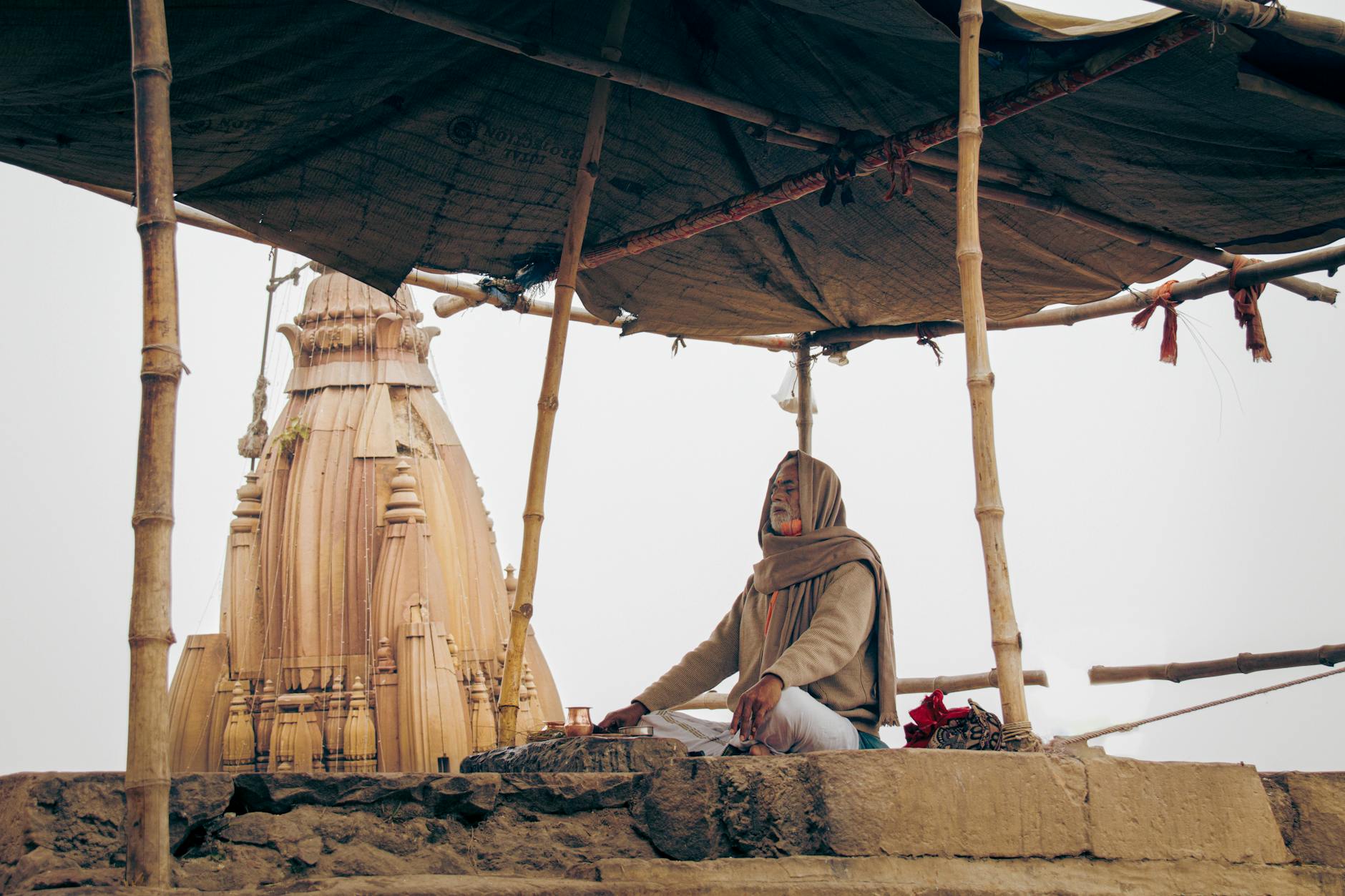
Kashi Vishwanath Temple
The reborn Shiva temple in the oldest city on earth.
No. 02
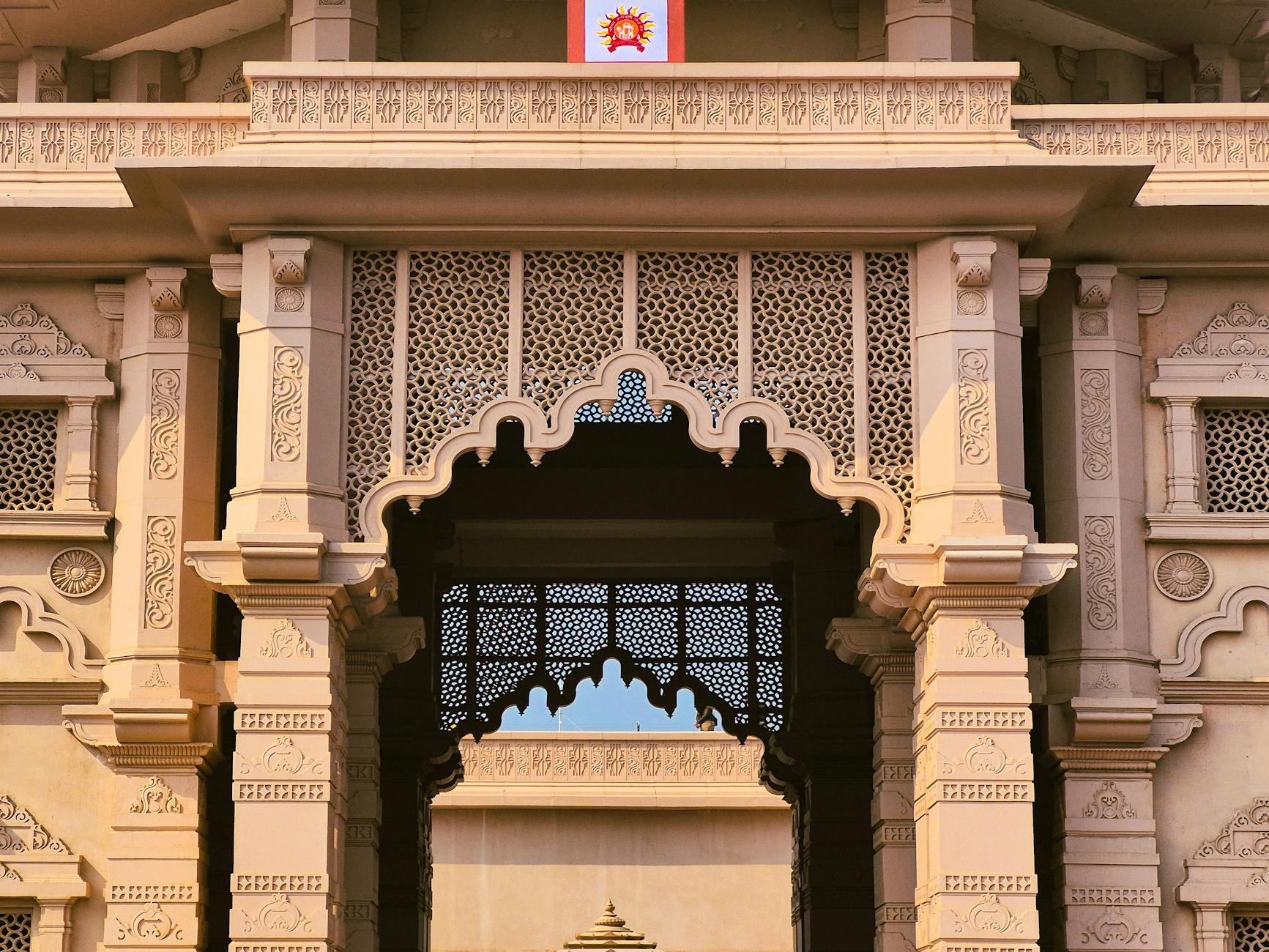
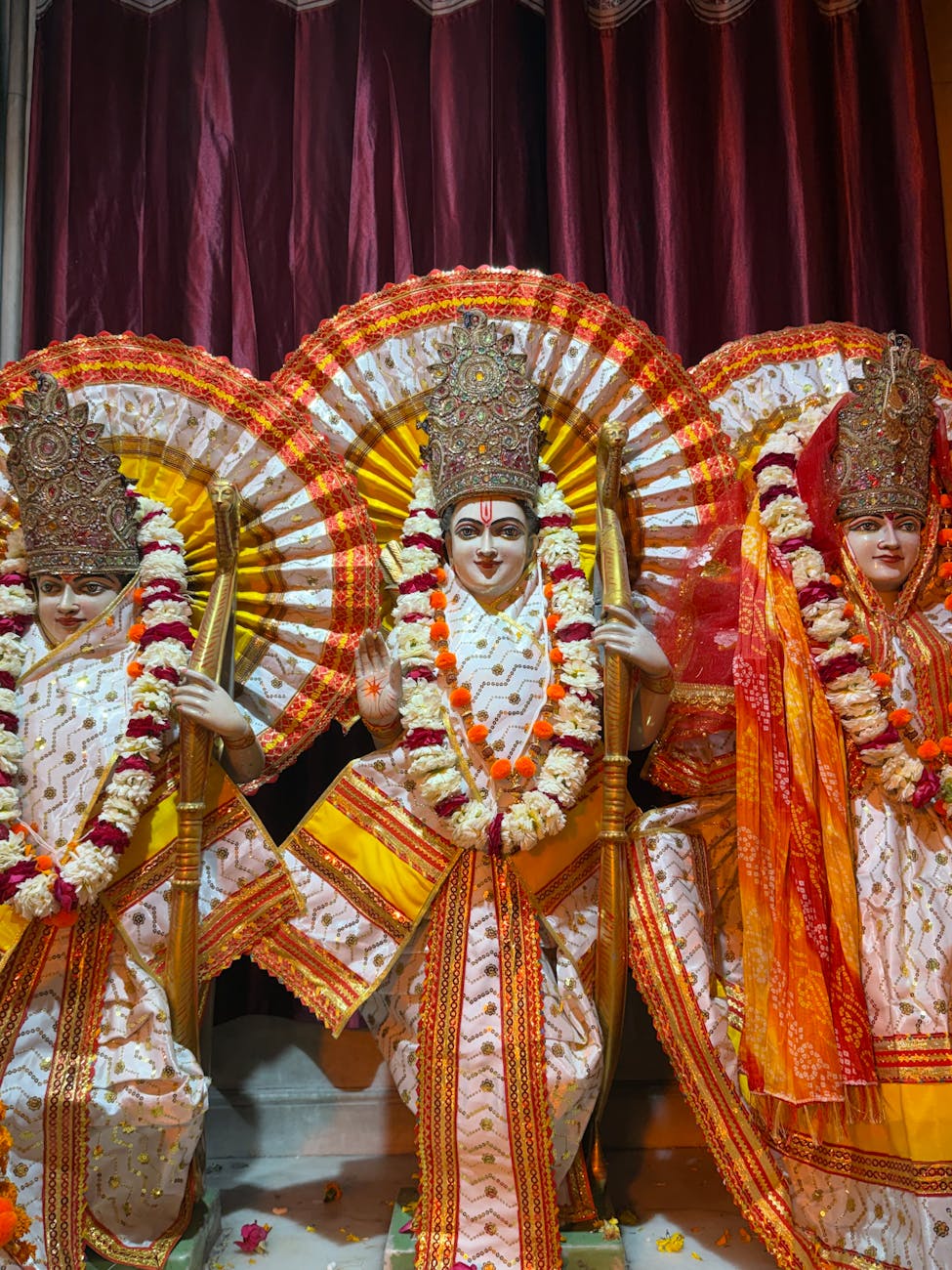
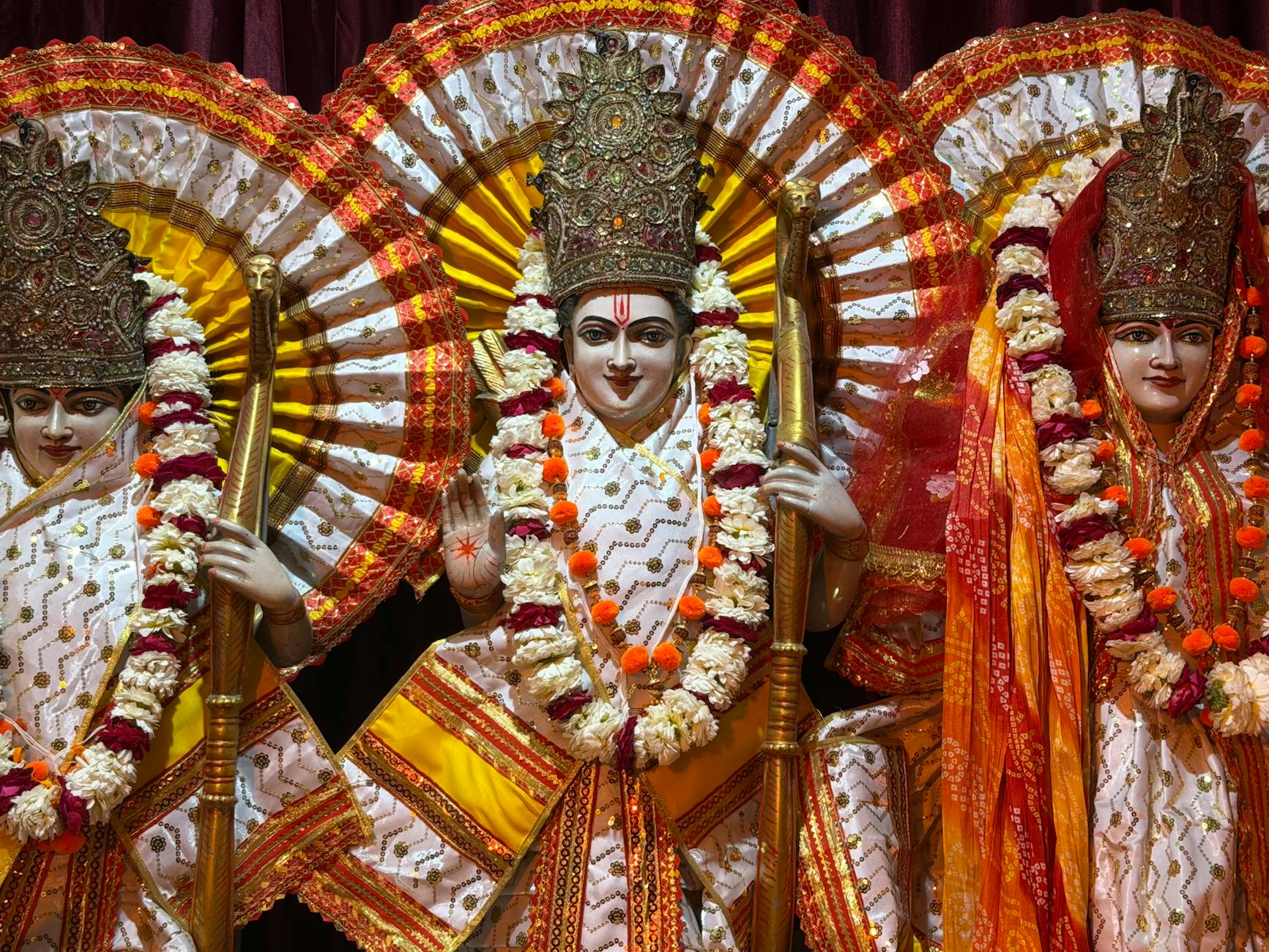
Ayodhya Ram Mandir
The newly consecrated Ram temple. A modern pilgrimage landmark.

No. 03
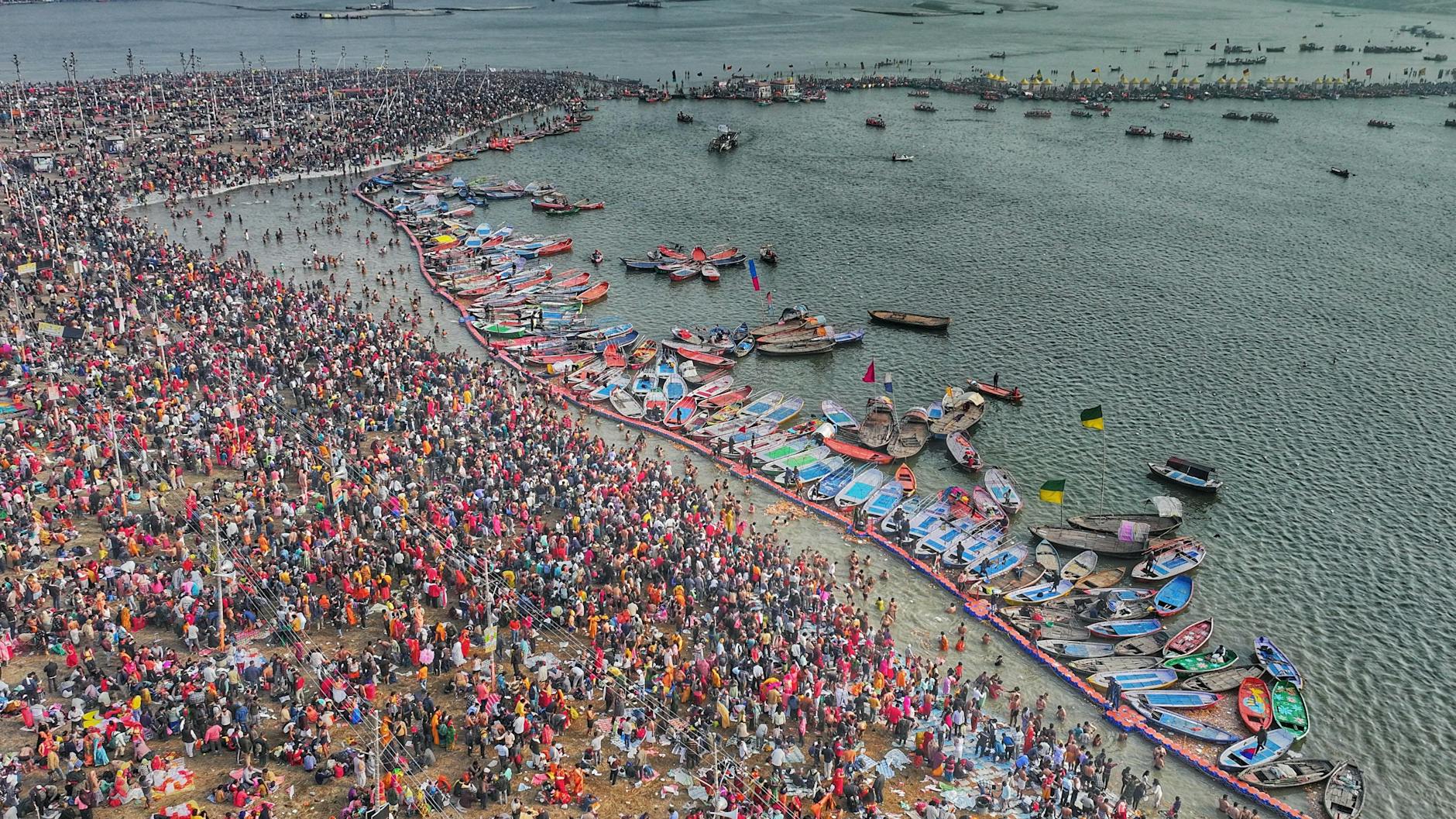
Prayagraj Sangam
The meeting of three sacred rivers. The holiest bath in Hinduism.
No. 01
Kashi Vishwanath Temple
The reborn Shiva temple in the oldest city on earth.
No. 02
Ayodhya Ram Mandir
The newly consecrated Ram temple. A modern pilgrimage landmark.
No. 03
Prayagraj Sangam
The meeting of three sacred rivers. The holiest bath in Hinduism.
The Route
Your India, Mapped
Day by Day
5 Nights / 6 Days, in order
Day 1
Arrival in Varanasi
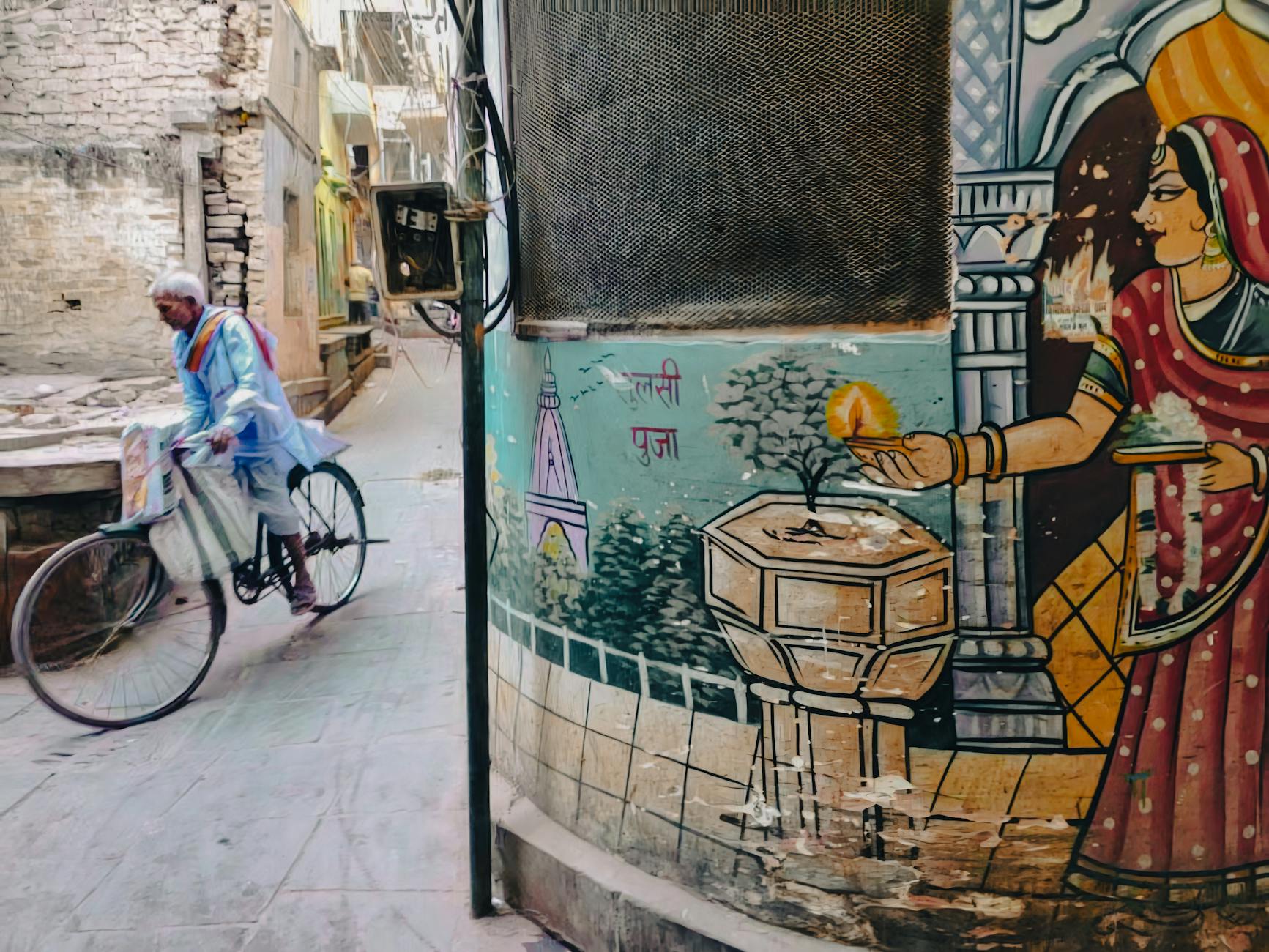
EVENING GANGA AARTI On arrival at Varanasi airport, be welcomed by our representative who will welcome and transfer you to hotel. Check-in and freshen up. Later in evening (approx. 4:40 PM) depart for experiencing the majestic ‘Ganga Aarti’ on ghat of Banaras aka Kashi. A sacred evening ceremony performed by priests to honor the river, Ganga. It takes place at Dashashwamedh Ghat, involving the ritual using fire-lit lamps, conch shells, bells, and drums, creating a vibrant and spiritual atmosphere and a impeccable visual treat. After aarti on way back to hotel, you may like to try some iconic street foods of Varanasi like Chat, Malaiyo etc. On reaching hotel, dinner & overnight stay. About Varanasi Varanasi's spiritual significance lies in being one of the holiest cities for Hindus, considered the dwelling place of Lord Shiva and Parvati, with the Kashi Vishwanath Temple being a focal point, housing a Jyotirlinga believed to be the site where Shiva first manifested on Earth. The city is a center for Bhakti movement figures, features the sacred Ganges River and its holy ghats, and hosts the nightly Ganga Aarti ceremony. A hly dip in Ganges here believed to grant moksha (liberation from the cycle of birth and death) to those who die there. It is also a significant site for Buddhists, with the nearby Sarnath being a pivotal location for the Buddha's first sermon.
Day 2
Sunrise Boatride on Ghats
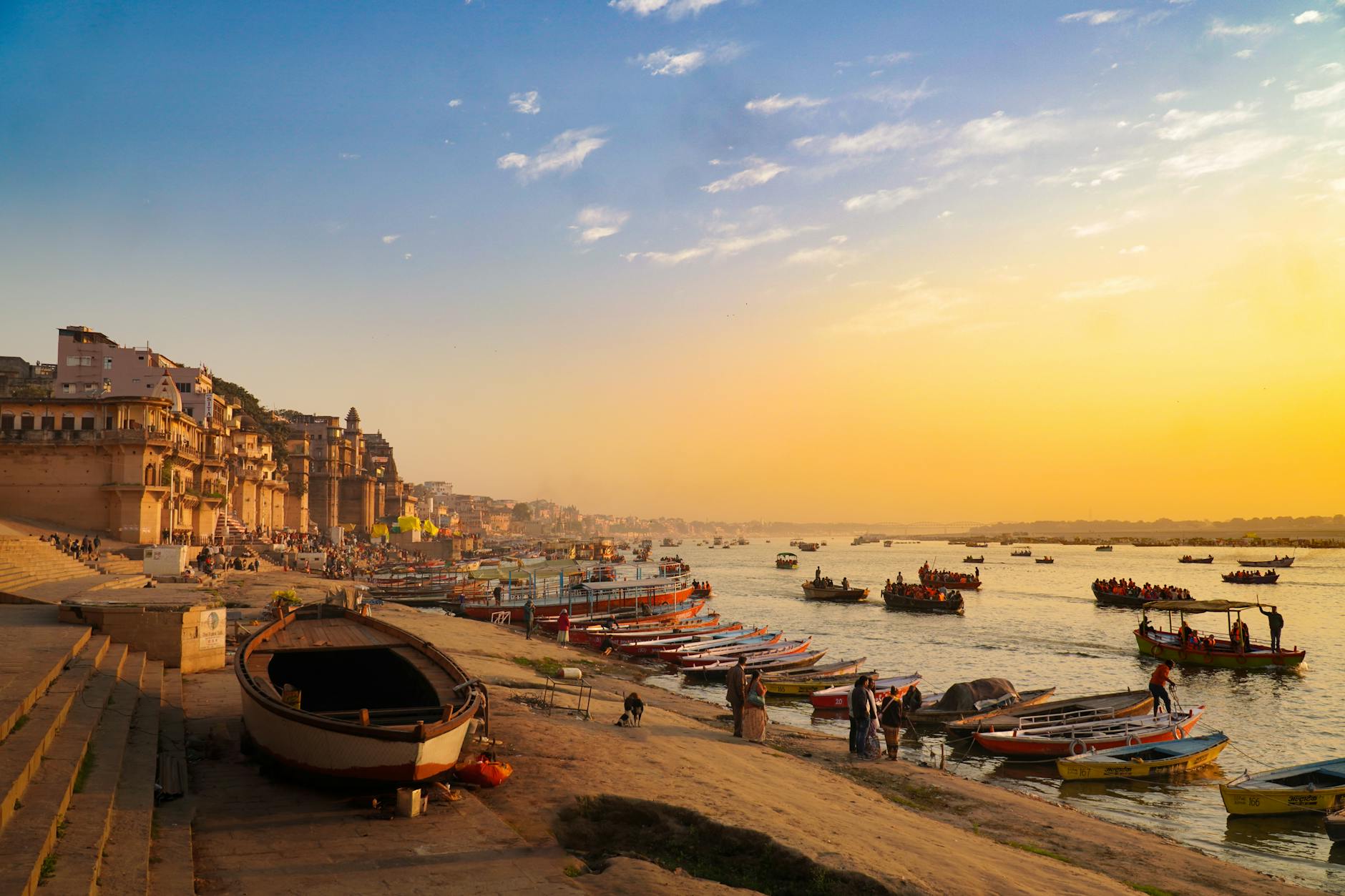
VISIT TO KASHI VISHWANATH EXCURSION TO SARNATH Make an early start to the day (5:30 AM), as we proceed for another magical experience in the city of lights – Varanasi. Boat ride offers an excellent way to witness the spiritual heart of the city at the start of a new day. Enjoy panoramic views of the city's many ghats (riverfront steps) as the city come alive along the Ganges River & locals begin their day with morning prayers and ablutions in the sacred Ganges River. Hear out to interesting history and mythological anecdotes as you sail and enjoy sips of hot Benarasi Chai! Later continue to visit the iconic ‘Kashi Vishwanath Mandir’. Located on the western bank of the Ganga River, considered the most sacred shrine for Lord Shiva as he chose Kashi his personal domain and an eternal city. Current structure built by Maharani Ahalya Bai Holkar in 1777 after multiple demolitions and rebuilds throughout history. Also known as the Golden Temple due to its gold-plated spire and domes, which were originally gilded with gold donated by Maharaja Ranjit Singh in the 19th century. After visits, return to hotel for breakfast and some rest. Post lunch embark on an excursion to Sarnath, an important Buddhist pilgrimage place where Lord Buddha delivered his first sermon, after his enlightenment. Key attraction sites include Dhamek Stupa, Deer Park, Chaukhandi Stupa & Sarnath Museum that houses ‘Lion Capitol’ of Ashoka (National Emblem of India). By evening back to hotel, dinner & overnight stay.
Day 3
Transfer to Ayodhya
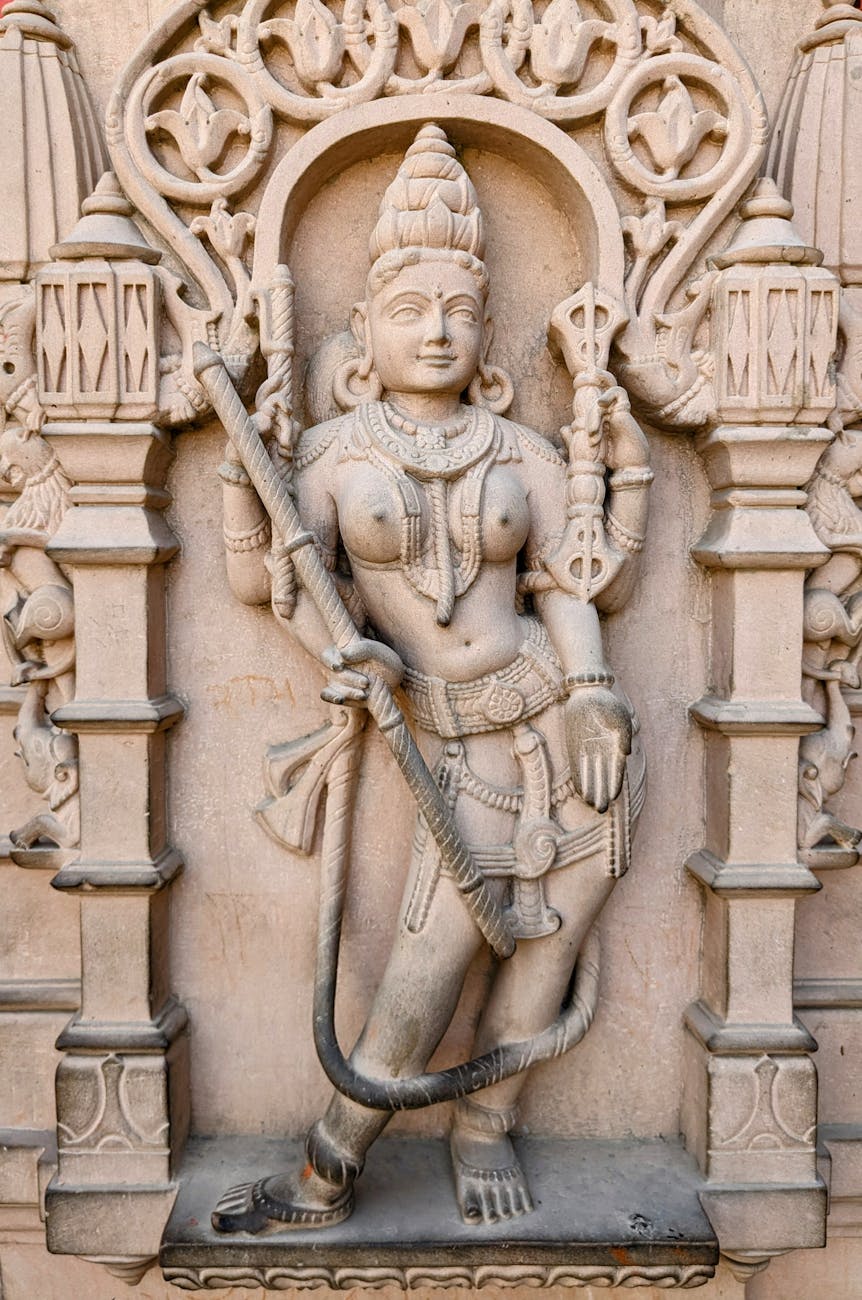
VISIT TO HANUMANGARHI LASER SHOW AT RAM KI PEDHI After relaxed breakfast, checkout and we depart for next destination of our tour, Ayodhya. Approx a 3–4-hour drive. On reaching check-in to the hotel, freshen up and have lunch. Later we depart for sightseeing where we first visit ‘Hanumangadhi’ temple. A strong tradition among devotees is to visit Hanumangadhi before worshipping Lord Rama. Temple complex, situated on a sacred hilltop, and offers panoramic views of Ayodhya. It is believed to be the site where Hanuman lived and guarded Lord Rama's Ayodhya. Pilgrims’ visits guardian deity, seeking blessings for strength, courage, and protection. The temple features an idol of Bal Hanuman (young Hanuman) on his mother Anjani's lap. Later we visit the Ram Ki Paidi (steps of Ram), a sacred series of steps (ghats) on the bank of the Sarayu River in Ayodhya, believed to be a place where Lord Rama would bathe and give alms. The ghats are a popular spot for evening aarti ceremonies and laser shows, offering a captivating spectacle. By late evening back to hotel, dinner and stay.
Day 4
Visit Ram Janmbhoomi Temple
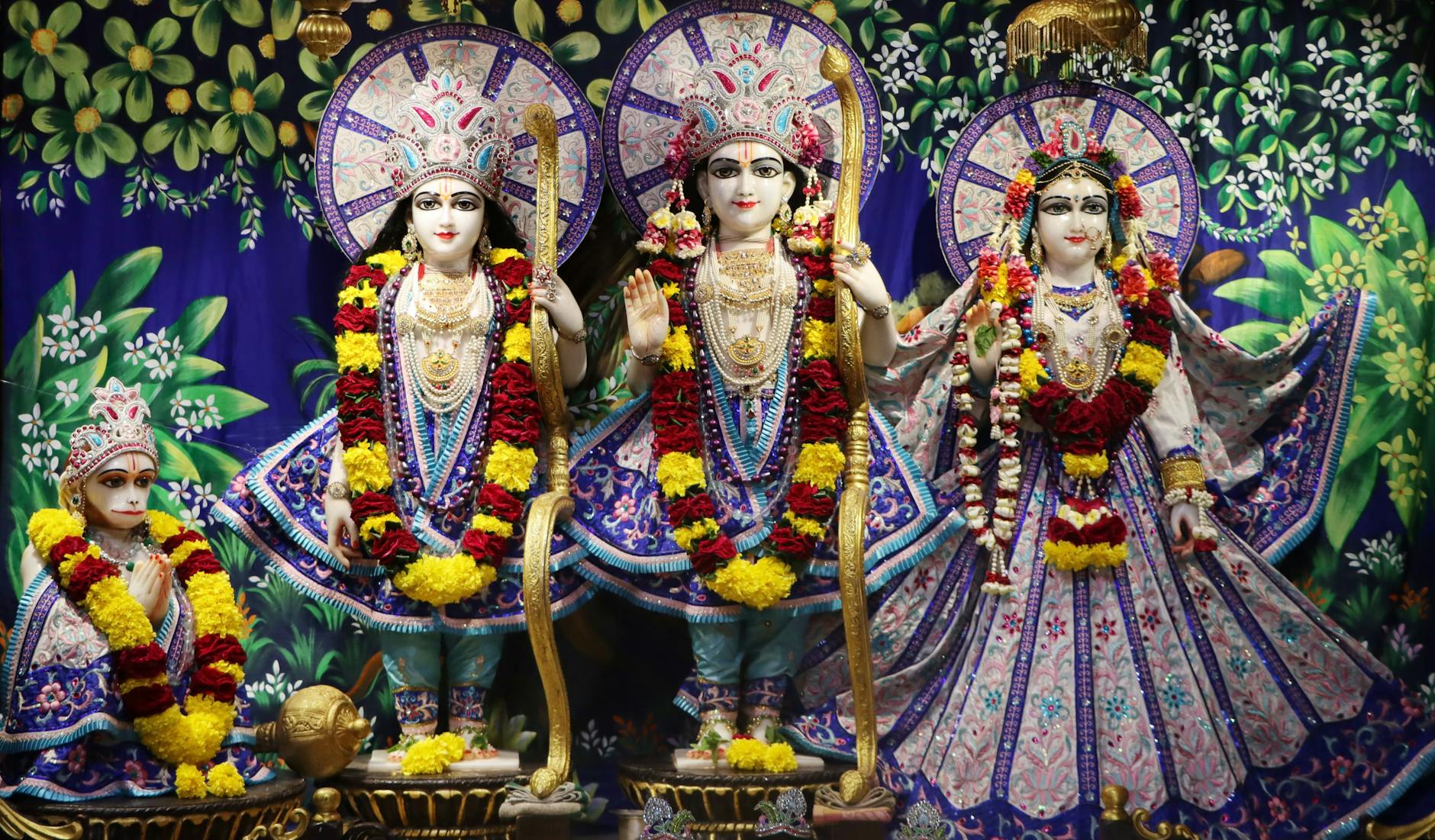
VISIT TO KANAK BHAWAN VISIT TO DASHRATH MAHAL Start your day early as we visit the Ram Janmabhoomi Temple at sunrise. The birthplace of Shri Ram, temple houses the idol of Ram Lalla (a child form of Lord Rama). The temple is a significant pilgrimage Hindu site, reclaimed after 600 years dispute and wider religious conflict. New temple complex is an architectural marvel spread over 71 acres of land. Enjoy blissful darshan and tour around the temple. Later return back to hotel to have breakfast and some rest. Post lunch, we continue our tour to some more significant sites of Ayodhya. We first visit Kanak Bhavan, it is believed to be the private palace of Lord Rama and Devi Sita, gifted to them by Queen Kaikeyi after their marriage. The current structure of the temple was renovated in 1891 and houses golden-crowned idols of Lord Rama and Mata Sita. Then we continue to visit Dashrath Mahal, a sacred historical site believed to be the actual palace of King Dashrath, the father of Lord Rama, and where Rama and his siblings spent their childhood. Located in the heart of Ayodhya, the Mahal houses a shrine with idols of Lord Rama and his family, symbolizing the region's royal lineage and the divine narrative of the Ramayana. By evening back to hotel, dinner and stay.
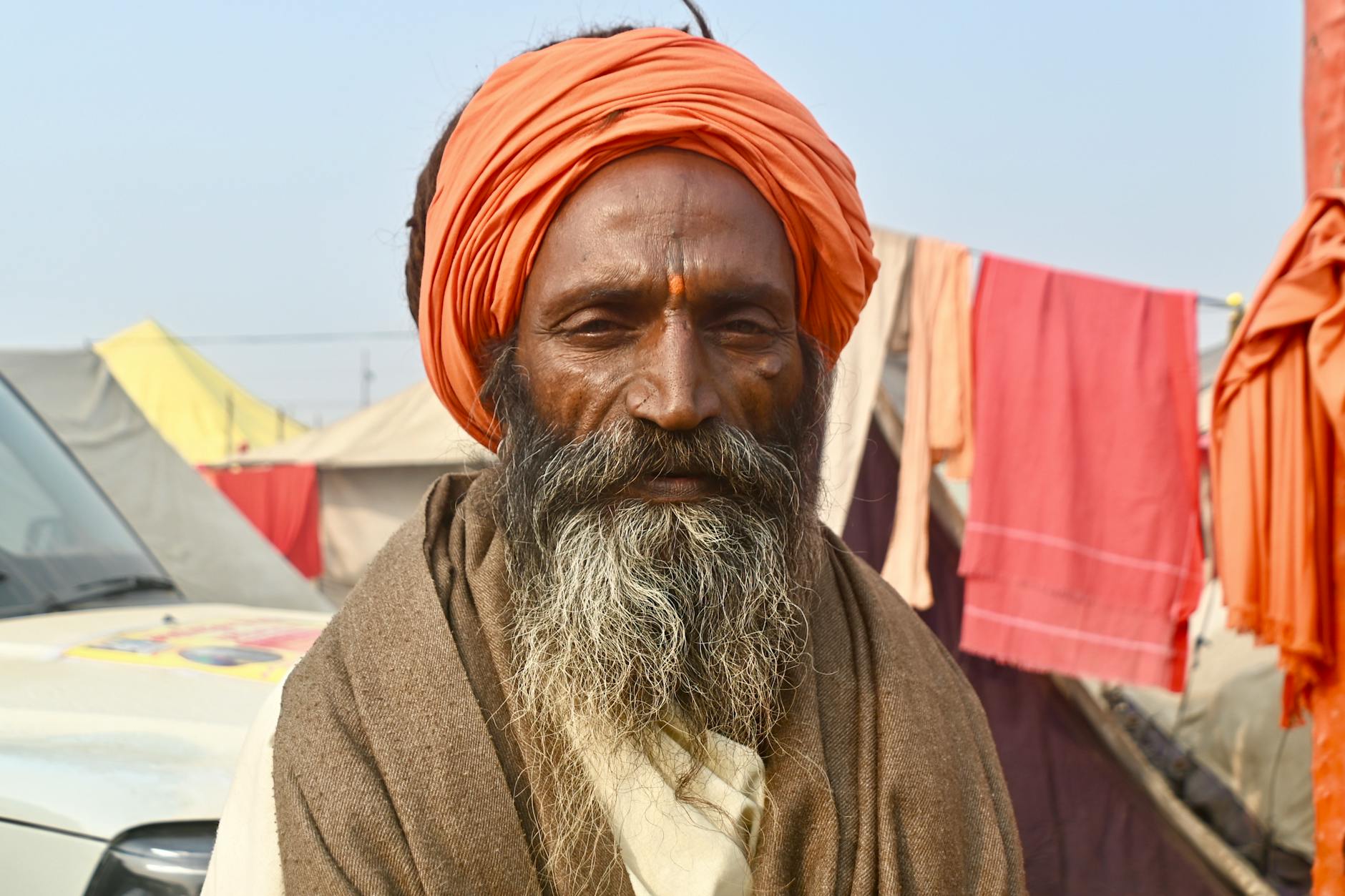
Day 5
Transfer to Prayagraj
HOLY DIP IN TRIVENI SANGAM OPTIONAL HERITAGE TOUR Start the day with a relaxed breakfast, after which we checkout and proceed to our destination of the tour, Prayagraj; a historic city situated at the sacred confluence of the Ganga, Yamuna, and mythical Saraswati rivers, known as the Triveni Sangam. The Triveni Sangam is among the holiest of pilgrimage sites in India, which also hosts Kumbh mela every 12 years, and Mahakumbh every 144 years. After an approx. 4 hours’ drive reach Prayagraj and check-in. You can have lunch and catch some rest. Later we proceed to take a holy dip in Triveni Sangam followed by visit to few prominent temples of the city like ‘Nag Vasuki Temple’, ‘Mankameshwar Temple’ & ‘Shri Bade Hanuman Temple’. If interested we can further organize a historical tour of Prayagraj as city also house many landmarks from Mughal and colonial era as well. You may visit places like ‘Allahabad Fort, Museum, Anand Bhawan, Khusro Bagh and Shaheed Chandrashekhar Park’ By late evening back to hotel. Enjoy dinner & overnight stay.

Day 6
Departure
Start the day with leisurely breakfast. Later as per your flight time, we check-out and proceed to airport for flight back home, with blessings of the trinity of holiest sites you have visited on this tour. PACKAGE COST PER PERSON *Additional Surcharges applicable if travel is on Festival Dates
Where You'll Stay
Hand-Picked Hotels
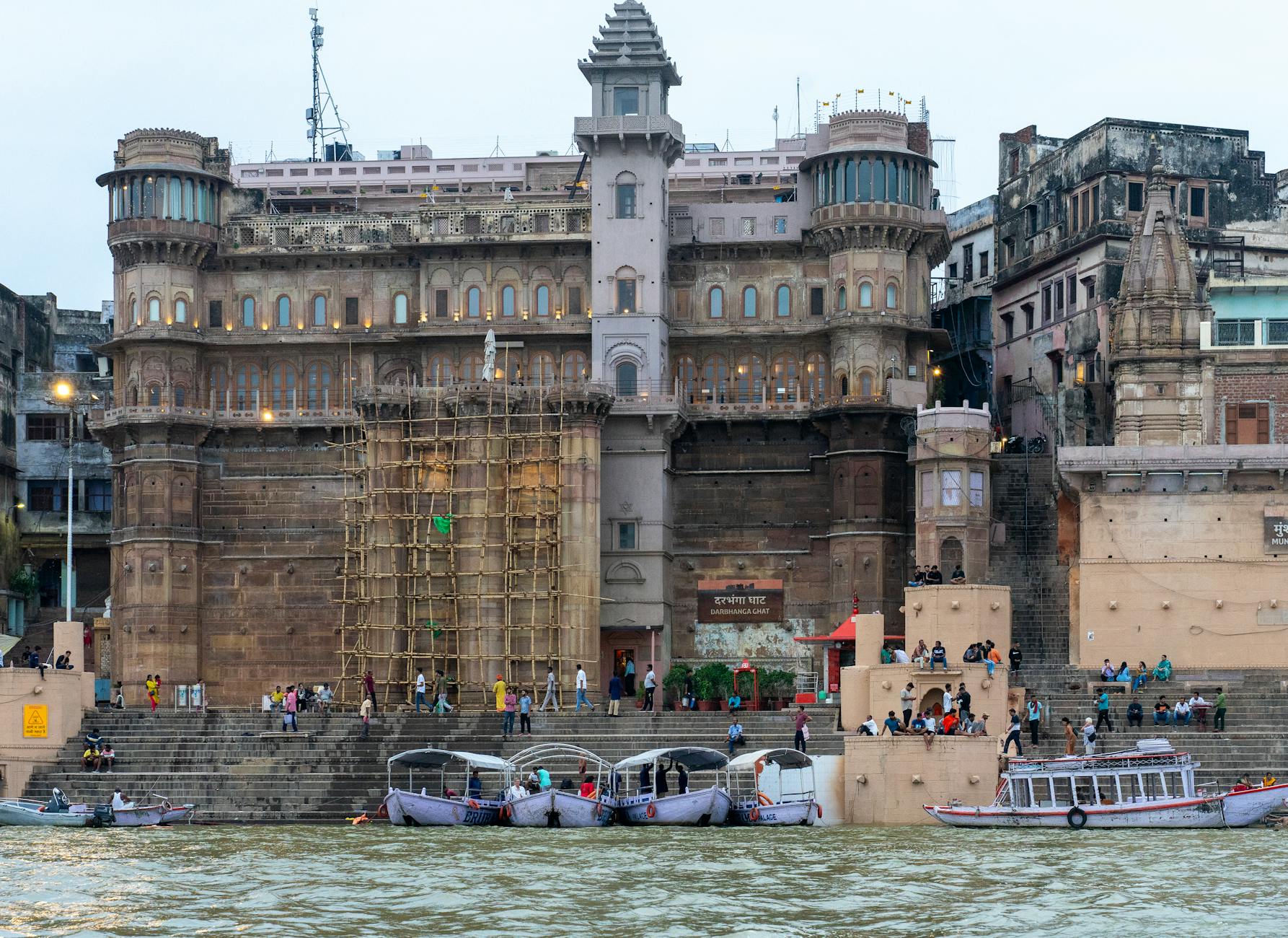
Varanasi
Pristine
Ayodhya
Royal Heritage
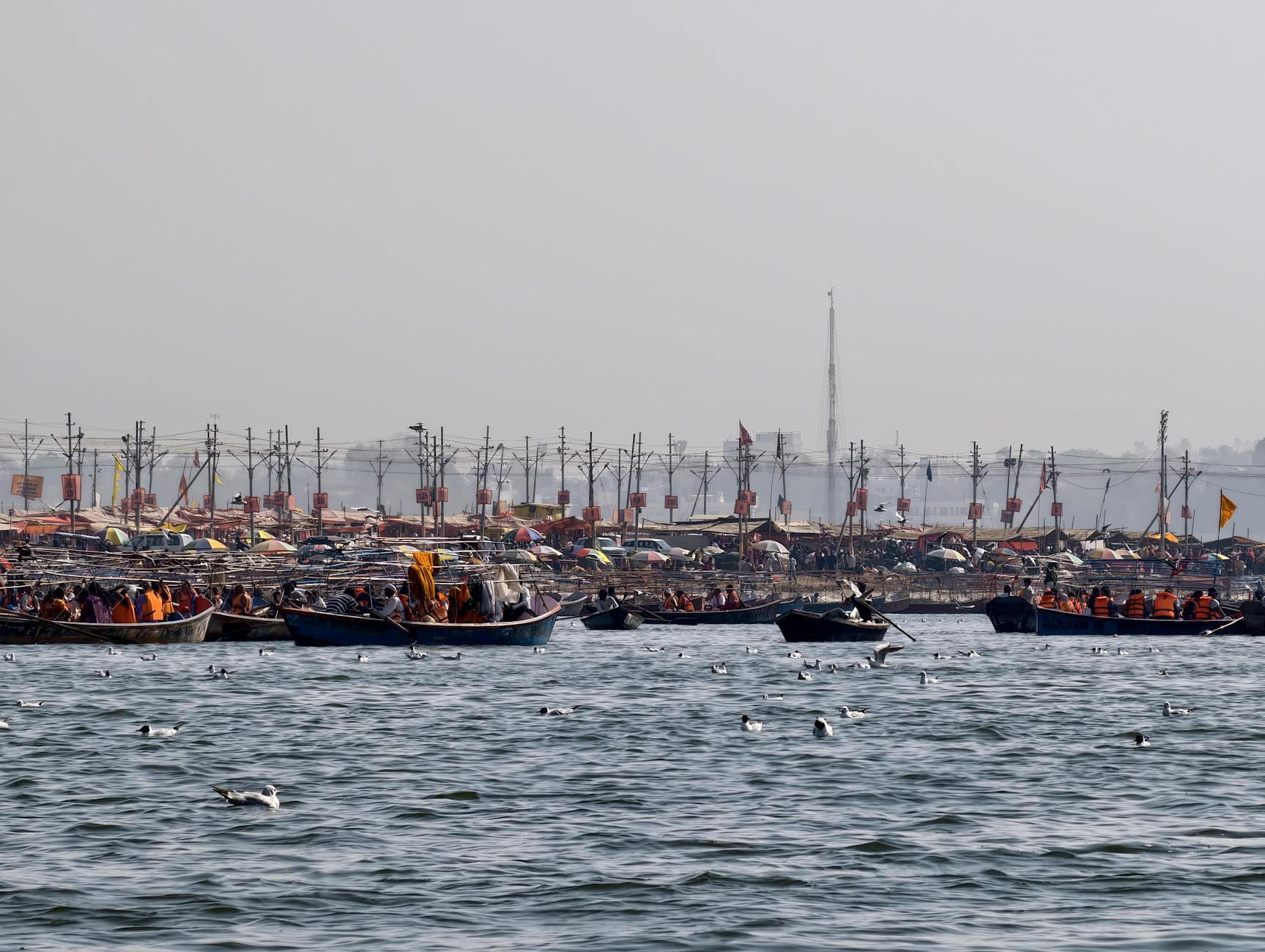
Prayagraj
Hotel Placid
Varanasi
Pristine
Ayodhya
Royal Heritage
Prayagraj
Hotel Placid
Honestly
Things most travel sites won't tell you.
On-the-ground details your designer wishes every guest knew before they landed.
Things to Look Out For
India is not one country, climate-wise
Rajasthan in February reads dry-cold; Kerala in February reads humid-warm; Sikkim in February might be under snow. Pack for the specific itinerary, not 'India in general'. Tibro's per-state tours are tuned to one climate at a time. Don't try to chain three of them back-to-back.
Tipping is structured, not arbitrary
Driver tips at ₹500-1000 per day, guide tips at ₹500-1000 per half-day, hotel housekeeping ₹100 per day, restaurant 10% on top of any service charge already listed. Hand the driver/guide an envelope on the last day rather than tipping daily. It is more dignified for them.
Tap water and ice are a real consideration
Every Tibro-tier hotel provides sealed bottled water in the room daily. Use it for brushing your teeth too. At restaurants, ask for "sealed bottled water" specifically. Some places will pour from a filtered jug, which is fine in some kitchens and not in others. Ice is the hidden trap; ask for "no ice" with cold drinks unless the hotel makes its own.
- №1
India is not one country, climate-wise
Rajasthan in February reads dry-cold; Kerala in February reads humid-warm; Sikkim in February might be under snow. Pack for the specific itinerary, not 'India in general'. Tibro's per-state tours are tuned to one climate at a time. Don't try to chain three of them back-to-back.
- №2
Tipping is structured, not arbitrary
Driver tips at ₹500-1000 per day, guide tips at ₹500-1000 per half-day, hotel housekeeping ₹100 per day, restaurant 10% on top of any service charge already listed. Hand the driver/guide an envelope on the last day rather than tipping daily. It is more dignified for them.
- №3
Tap water and ice are a real consideration
Every Tibro-tier hotel provides sealed bottled water in the room daily. Use it for brushing your teeth too. At restaurants, ask for "sealed bottled water" specifically. Some places will pour from a filtered jug, which is fine in some kitchens and not in others. Ice is the hidden trap; ask for "no ice" with cold drinks unless the hotel makes its own.
The Details
What's Included
Included
- Airport/Station transfers on arrival and departure
- All transfers and sightseeing by AC vehicle as per the itinerary
- Stay for 5 nights in well-appointed rooms as per package category selected
- Daily breakfast and dinner in comfort of the hotel
- Services of local guide during the sightseeing on all days
Not Included
- 5% GST
- Any Train/airfare
- Any Kind of Personal Expenses or Optional Tours, Extra Meals or drinks
Plan Your Timing
When to Go
India has three windows for travel. October–March is the cool/dry season. The headline window, when most of the subcontinent is at its most welcoming. April–June is hot and increasingly dangerous in the north plains. July–September is the southwest monsoon. Beautiful for Kerala Ayurveda lovers, hard for sightseeing. This Kerala tour sits squarely in the post-monsoon clear window.
Kerala has two monsoons (southwest Jun–Aug heavy; northeast Oct–Nov a brief secondary). The Winters 25-26 departure window avoids both. Ayurveda treatments traditionally peak with the monsoon, but the tour itinerary itself works best in dry season.
Your Memoir
Here's how you'll remember it.
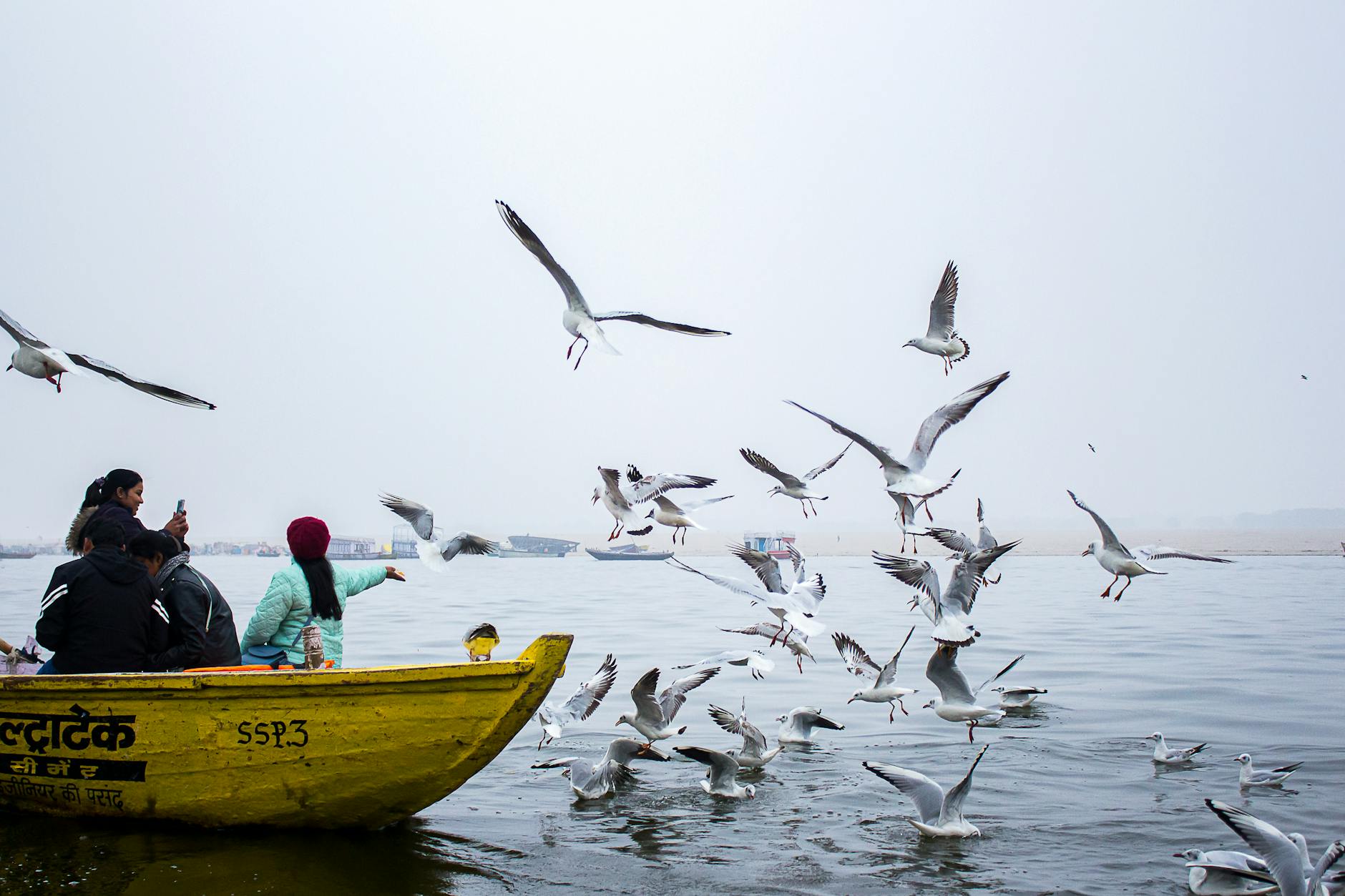
Vol. 34, A Tibro memoir, printed on archival paper, shipped after you return.
Enquire
Start the conversation.
Tell us your dates and preferences. A Tibro travel designer will respond within 24 hours.