Cities to Sand
Best for
Couples, Culture Seekers
Duration
7N/8D
Season
October–April
Difficulty
Easy
Vibe
Cultural, Heritage
A Tibro Journey
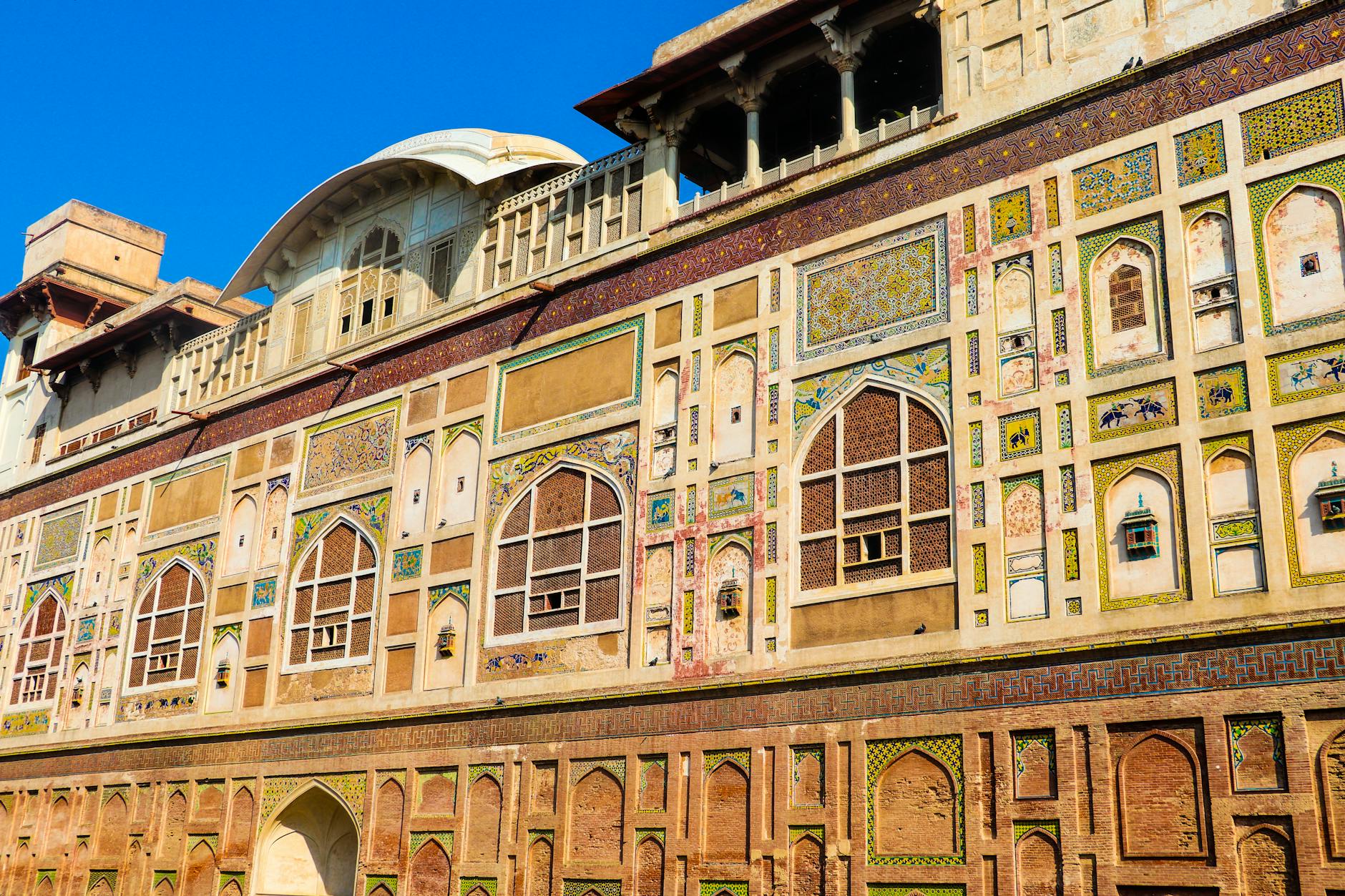
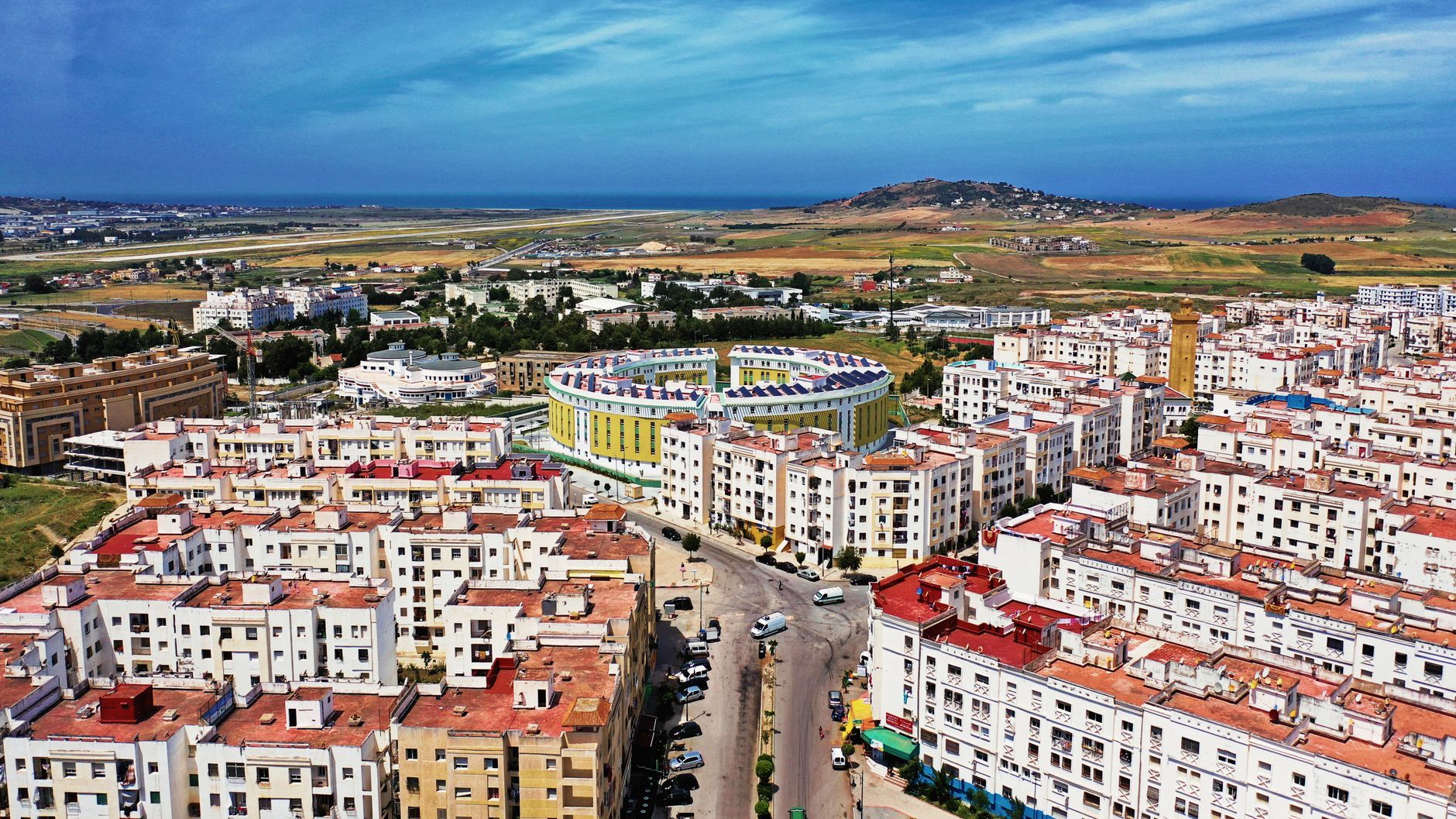
Seven nights from the imperial cities to the great dunes. Fez's medina, the cedar forest at Azrou, then the long road to Merzouga where the Sahara begins.
Magnificent Morocco: Desert + Imperial Cities is a 7N/8D heritage & culture journey through Morocco. Highlights include Sahara at Merzouga, Camel ride sunrise, Aït Ben Haddou kasbah.
Signature Moments
Three Mornings You'll Remember
No. 01
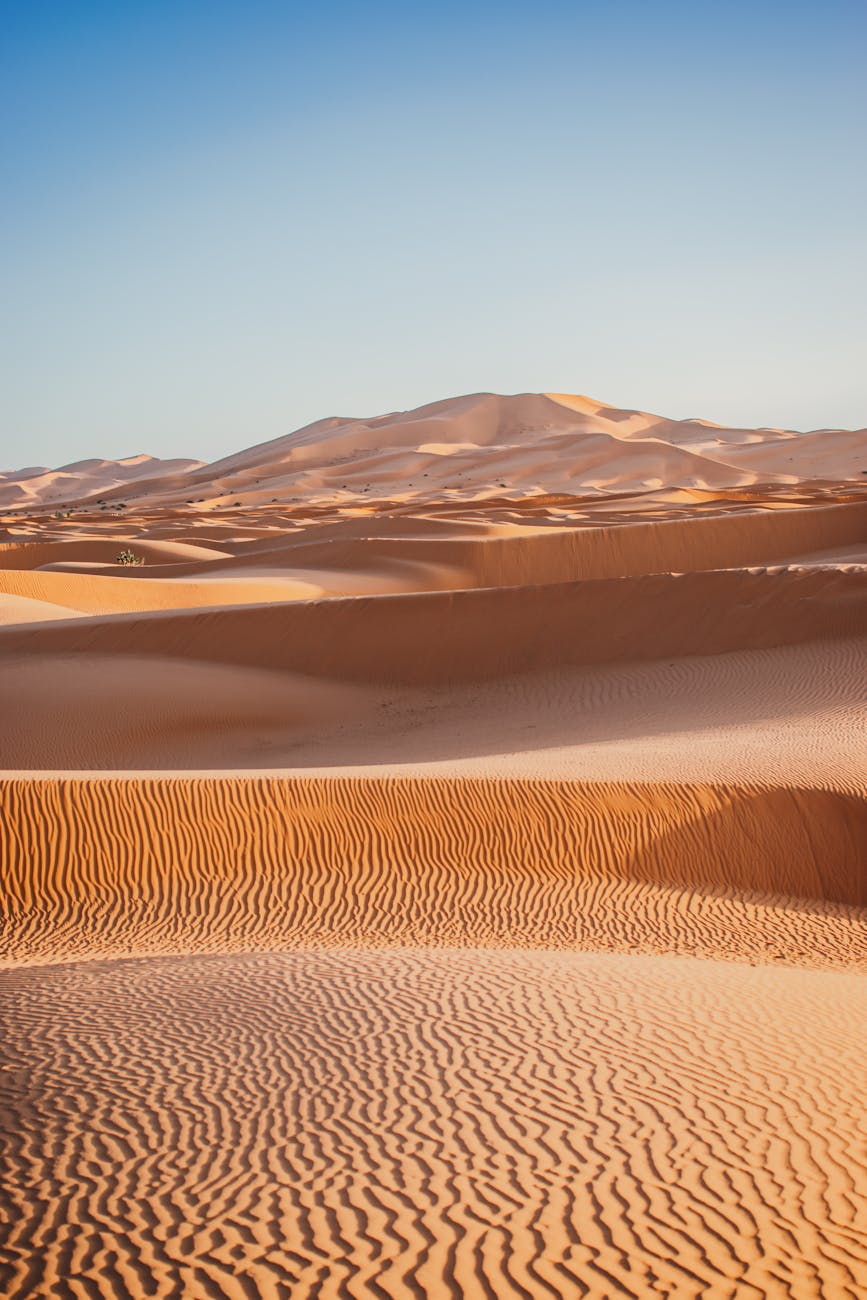
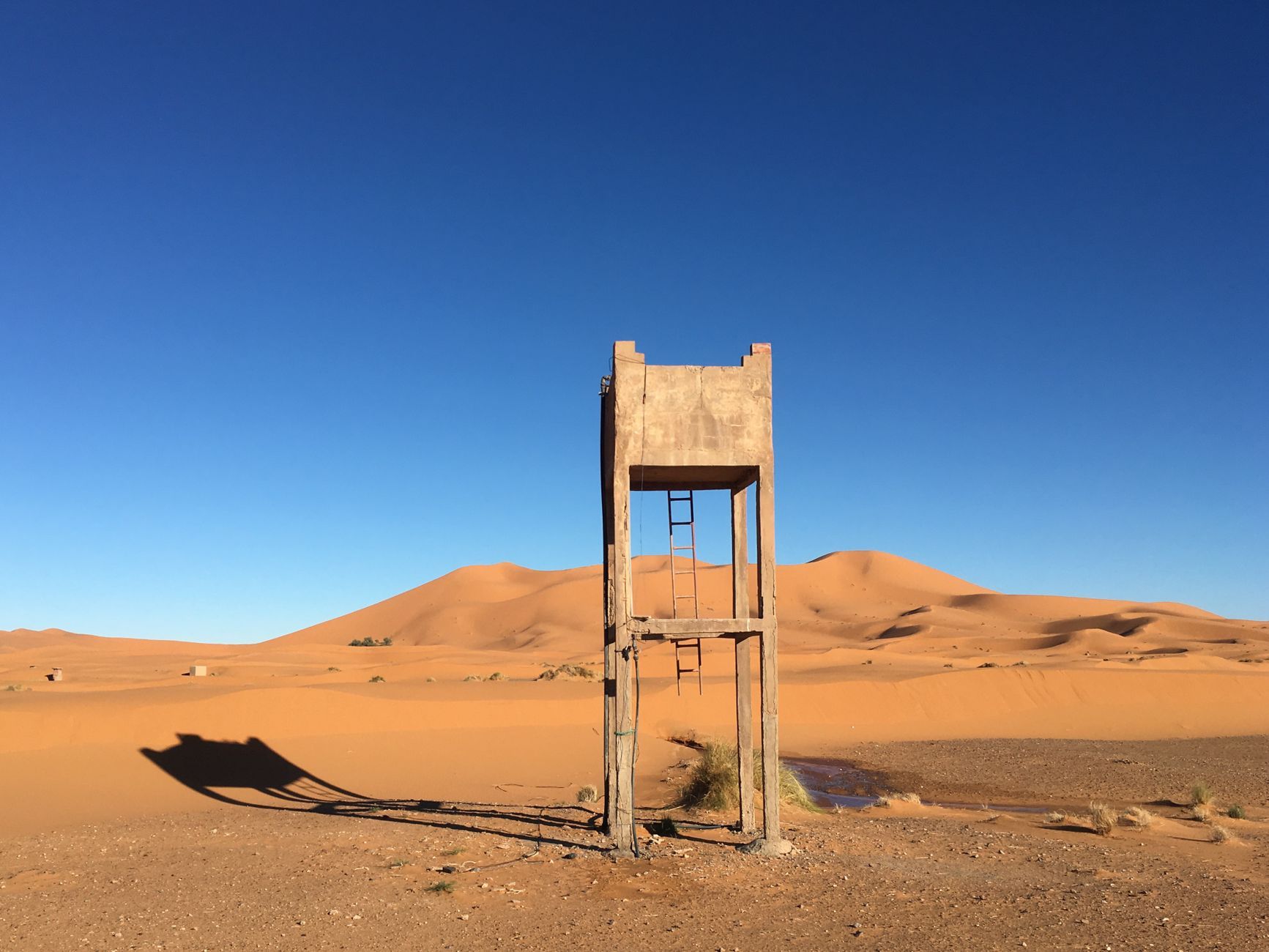
Sahara at Merzouga
Sahara at Merzouga
No. 02
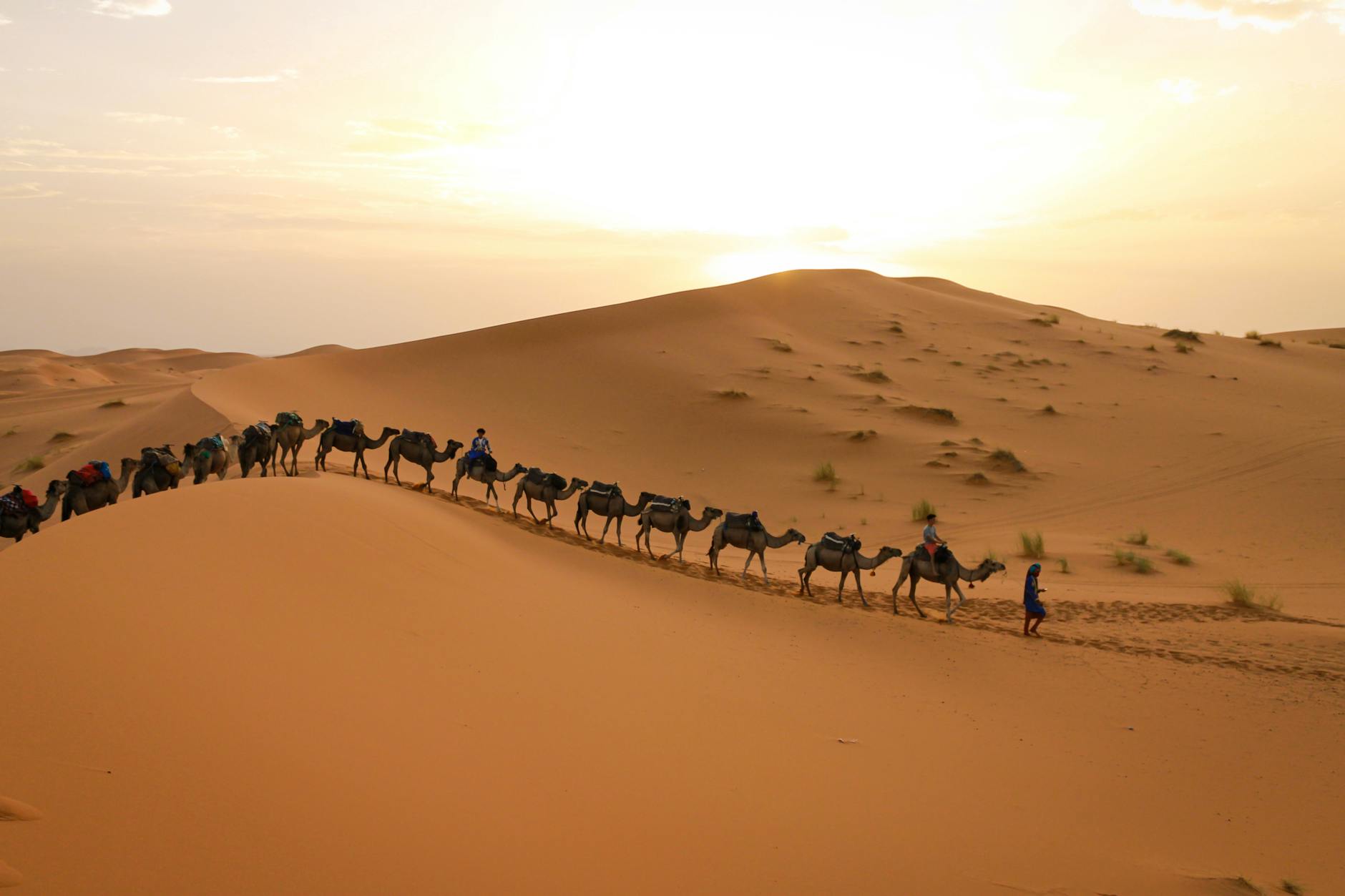
Camel ride sunrise
Camel ride sunrise
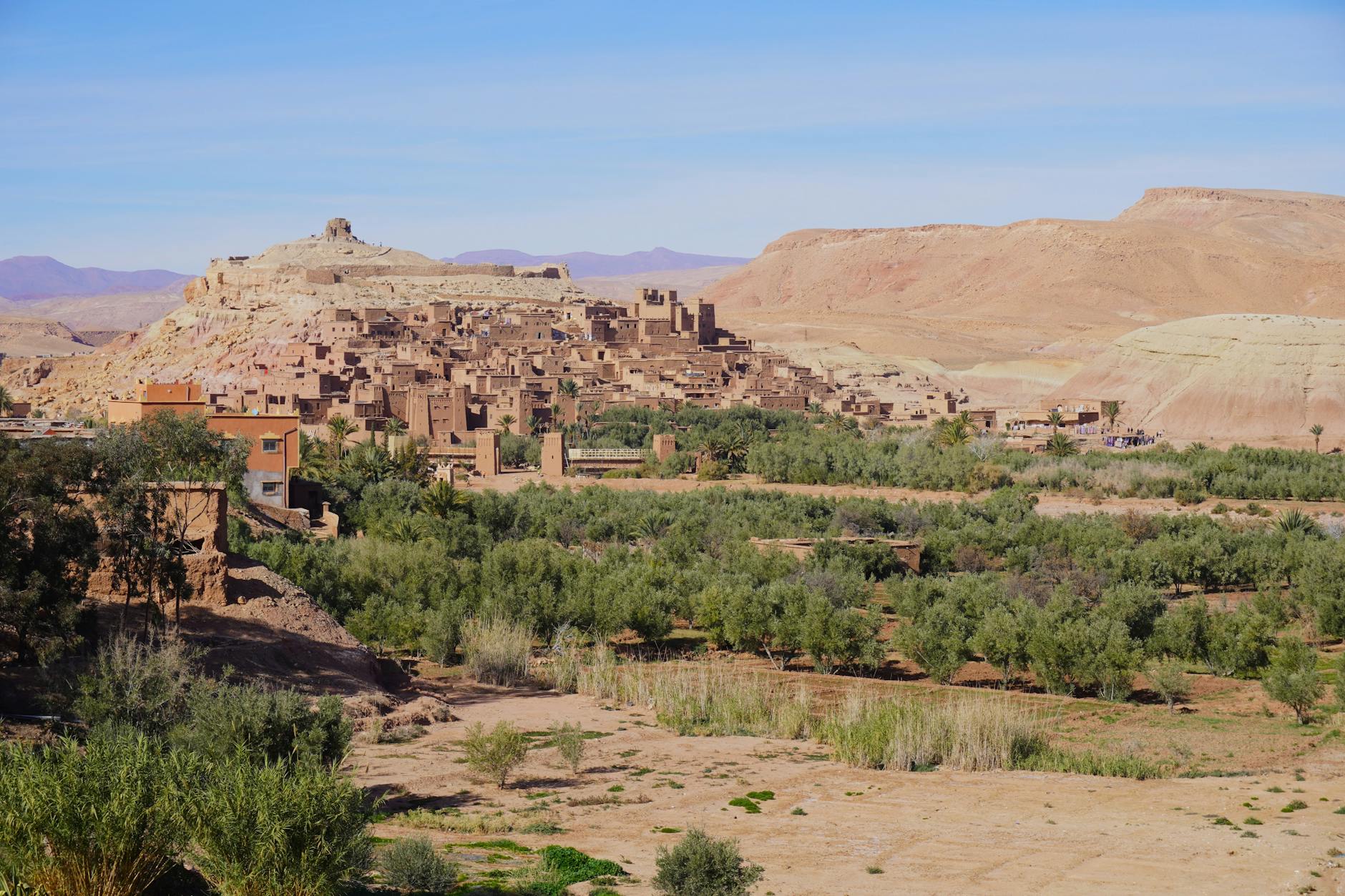
No. 03
Aït Ben Haddou kasbah
Aït Ben Haddou kasbah
No. 01
Sahara at Merzouga
Sahara at Merzouga
No. 02
Camel ride sunrise
Camel ride sunrise
No. 03
Aït Ben Haddou kasbah
Aït Ben Haddou kasbah
Day by Day
7N/8D, in order
Day 1
Arrive in Casablanca – Transfer to Rabat
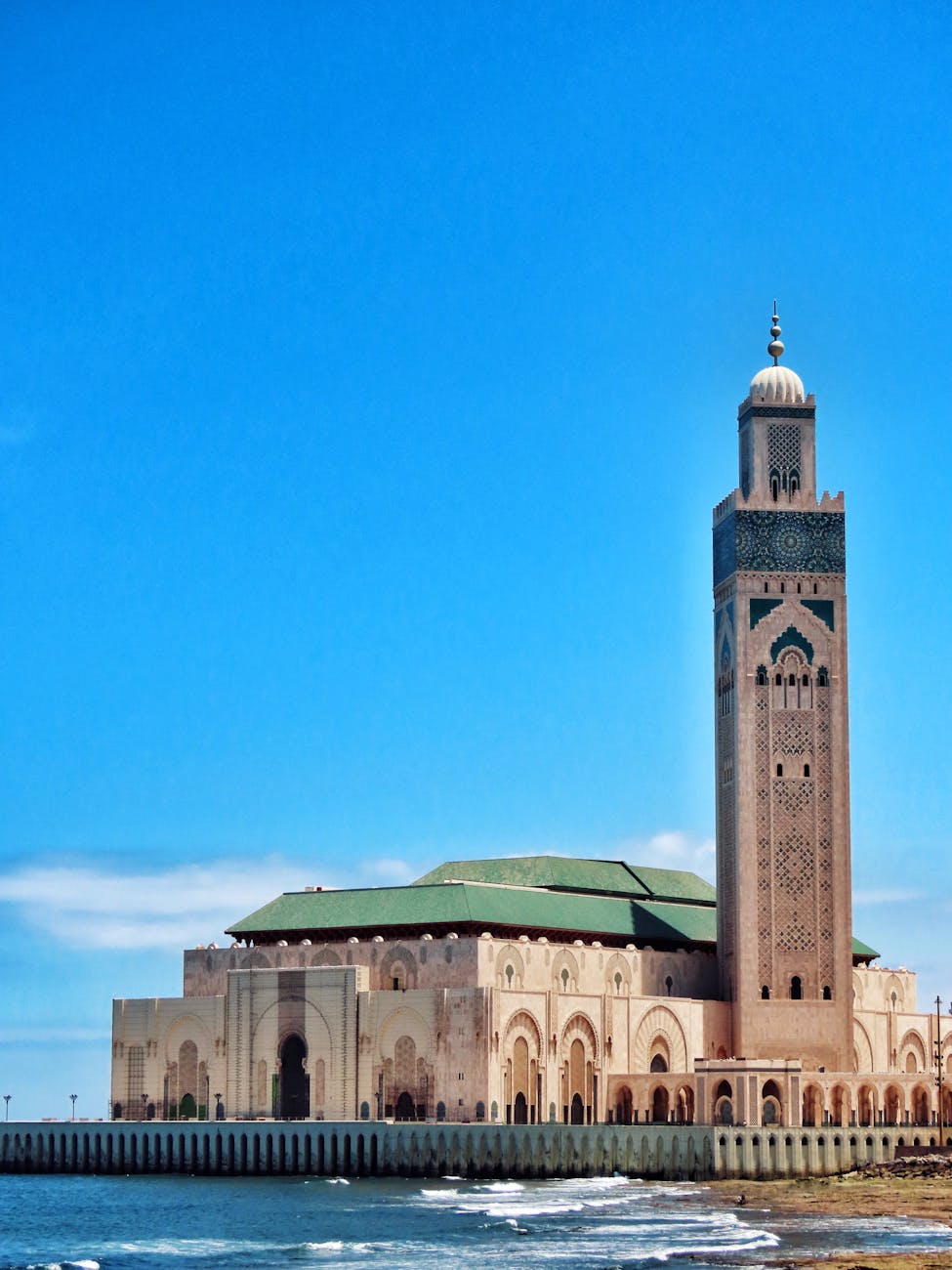
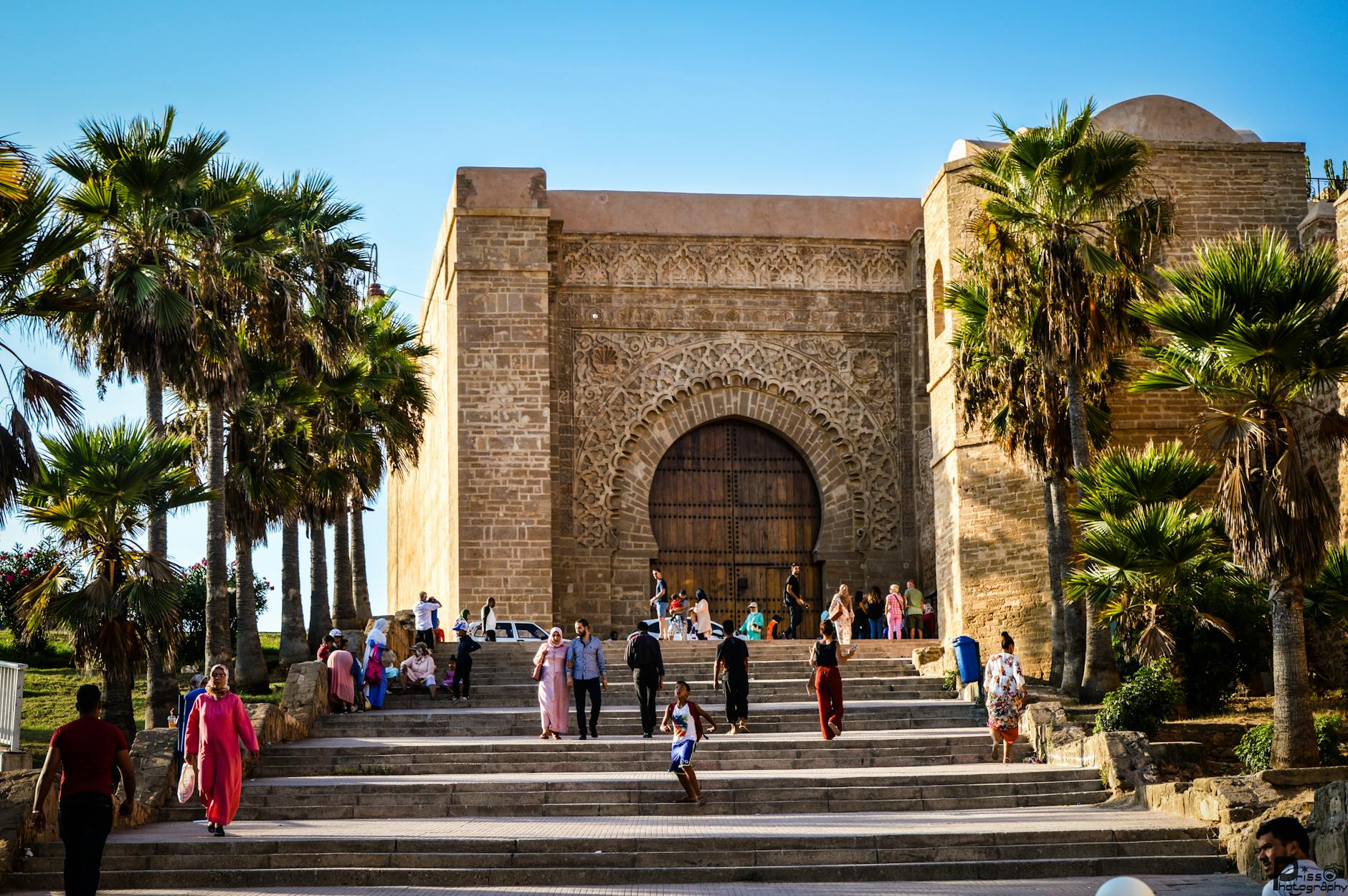
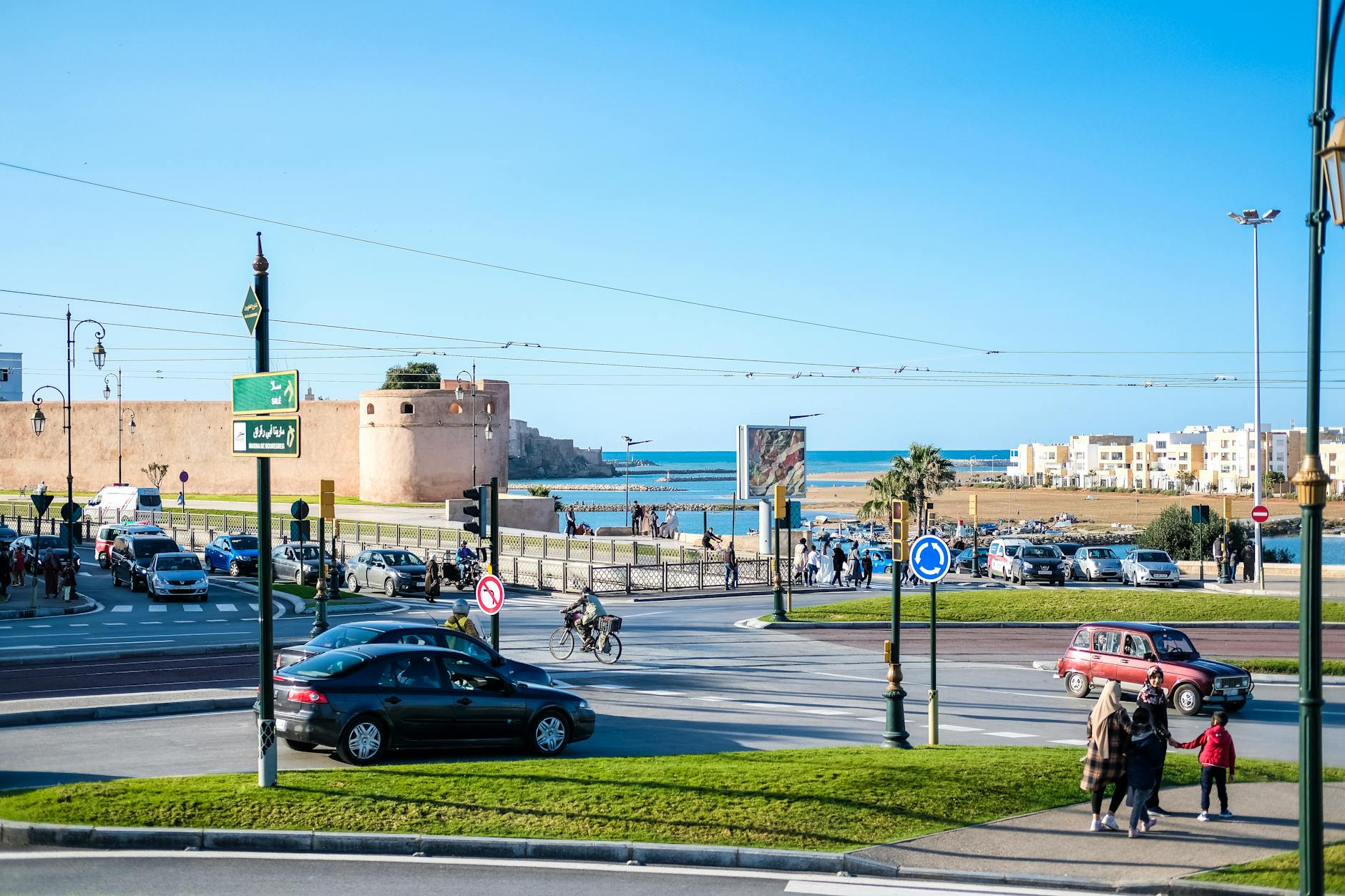
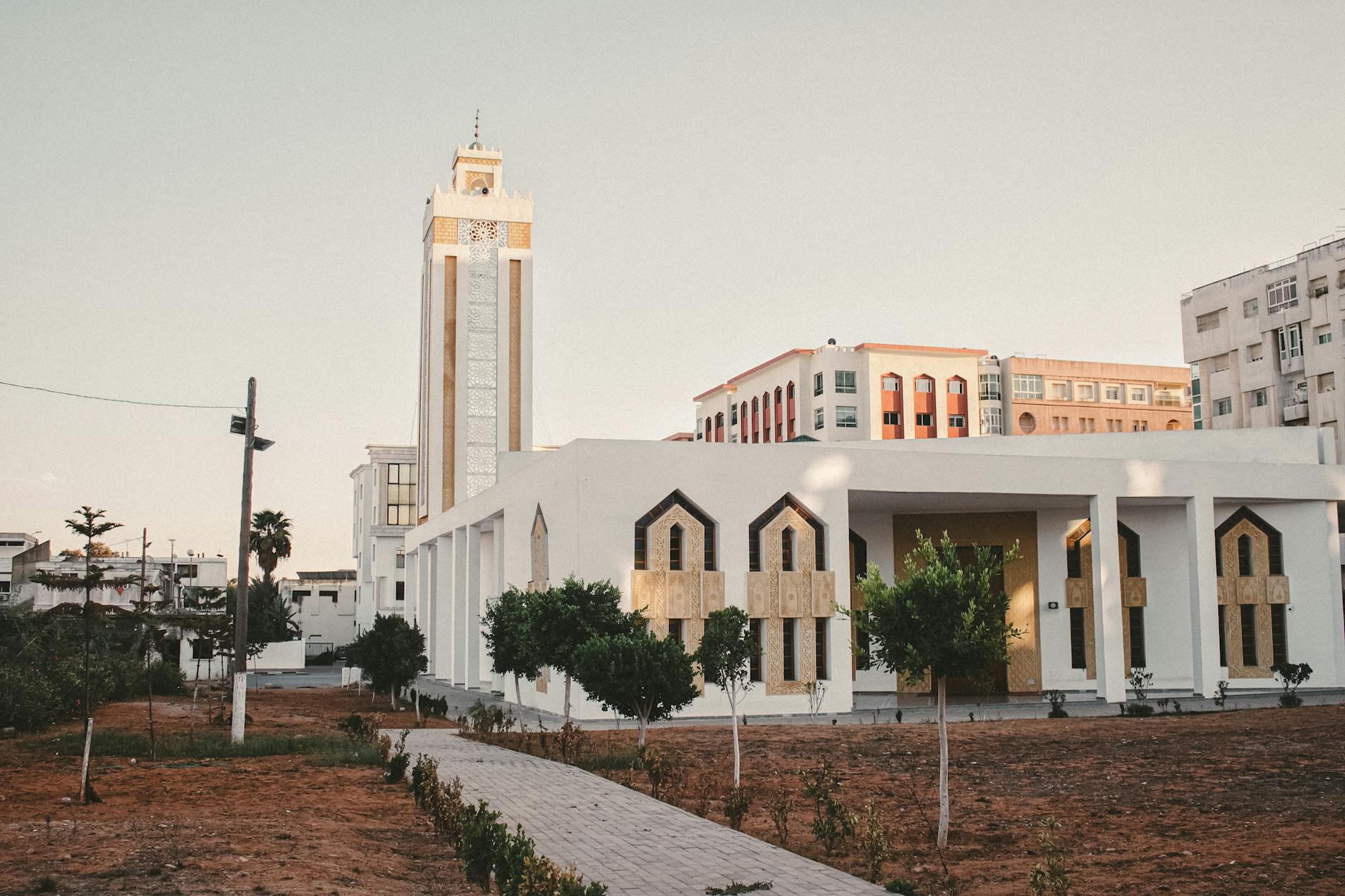
Upon arrival at Casablanca Mohammed V International Airport, proceed to complete the immigration and customs formalities. After collecting your baggage, you will be greeted by our local representative at the arrival area. They will assist you with your onward transfer to Rabat, the capital city of Morocco. Enjoy a comfortable drive as you travel through scenic routes from Casablanca to Rabat. Upon arrival in Rabat, you will be escorted to your hotel for check-in and relaxation after your journey. The rest of the day is at leisure for you to unwind or explore the surroundings at your own pace. Dinner will be served at the hotel. Overnight stay at your hotel in Rabat. Rabat, Morocco's capital, rests along the shores of the Bouregreg River and the Atlantic Ocean. It's known for landmarks that speak to its Islamic and French-colonial heritage, including the Kasbah of the Udayas. This Berber-era royal fort is surrounded by formal French-designed gardens and overlooks the ocean. The city's iconic Hassan Tower, a 12th-century minaret, soars above the ruins of a mosque.
Day 2
Rabat – Meknes – Volubilis – Fez
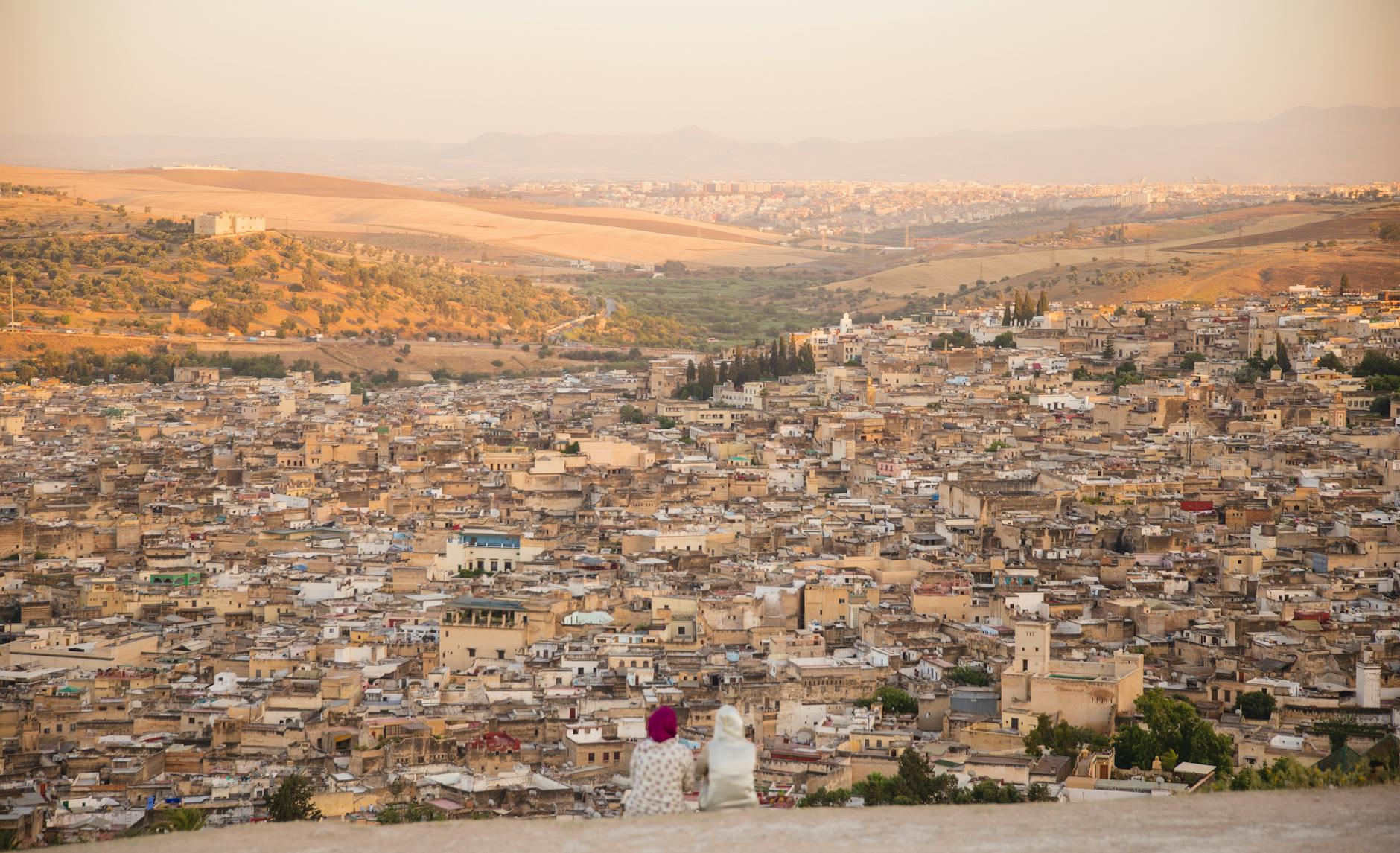
Begin your day with a scrumptious breakfast at the hotel. After breakfast at your hotel, join your tour guide for a tour of the capital city of Morocco, Rabat. Rabat was founded by Abd Al-Mu'min, a ruler of the Almohad dynasty, for military reasons. It was built to serve as a fortress, hence its original name, Ribat al-Fath, meaning "stronghold of victory." Our guided tour in Rabat will revolve around uncovering the history of Rabat. The tour includes a visit to the Royal Palace, Chellah, Hassan Tower, and Mausoleum of Mohammed V. After the tour, you had the chance to take you lunch in Local restaurant (Optional) and then you will continue to Fez, En route, we will be making a MUST stop by Volubilis and Meknes. The archaeological site of Volubilis is listed by the UNESCO as a worldwide heritage, and it is a witness of a multi-cultural Morocco. You will walk around the remains of the Roman outpost, through the arcs of Triumphal arches, the Capitoline Temple and large captivating Orpheus mosaics which tells tales of roman life. Afterwards, the trip will continue to the Imperial City of Meknes, one of Morocco’s lesser-visited. It was built by Moulay Ismail and was conceived to be the ‘Versailles of Morocco’. Once you meet your local guide, you’ll be able to visit the famed gate of Bab El Mansour, and Lhri. These sites are the main beating veins of the city. We will then continue our way to Fez. Dinner well be served Local Restaurant. Overnight stay at your hotel in Fez. Fes is a northeastern Moroccan city often referred to as the country’s cultural capital. It’s primarily known for its Fes El Bali walled medina, with medieval Marinid architecture, vibrant souks and old-world atmosphere.
Day 3
Full Day Exploration of Fez – Cultural Capital of Morocco
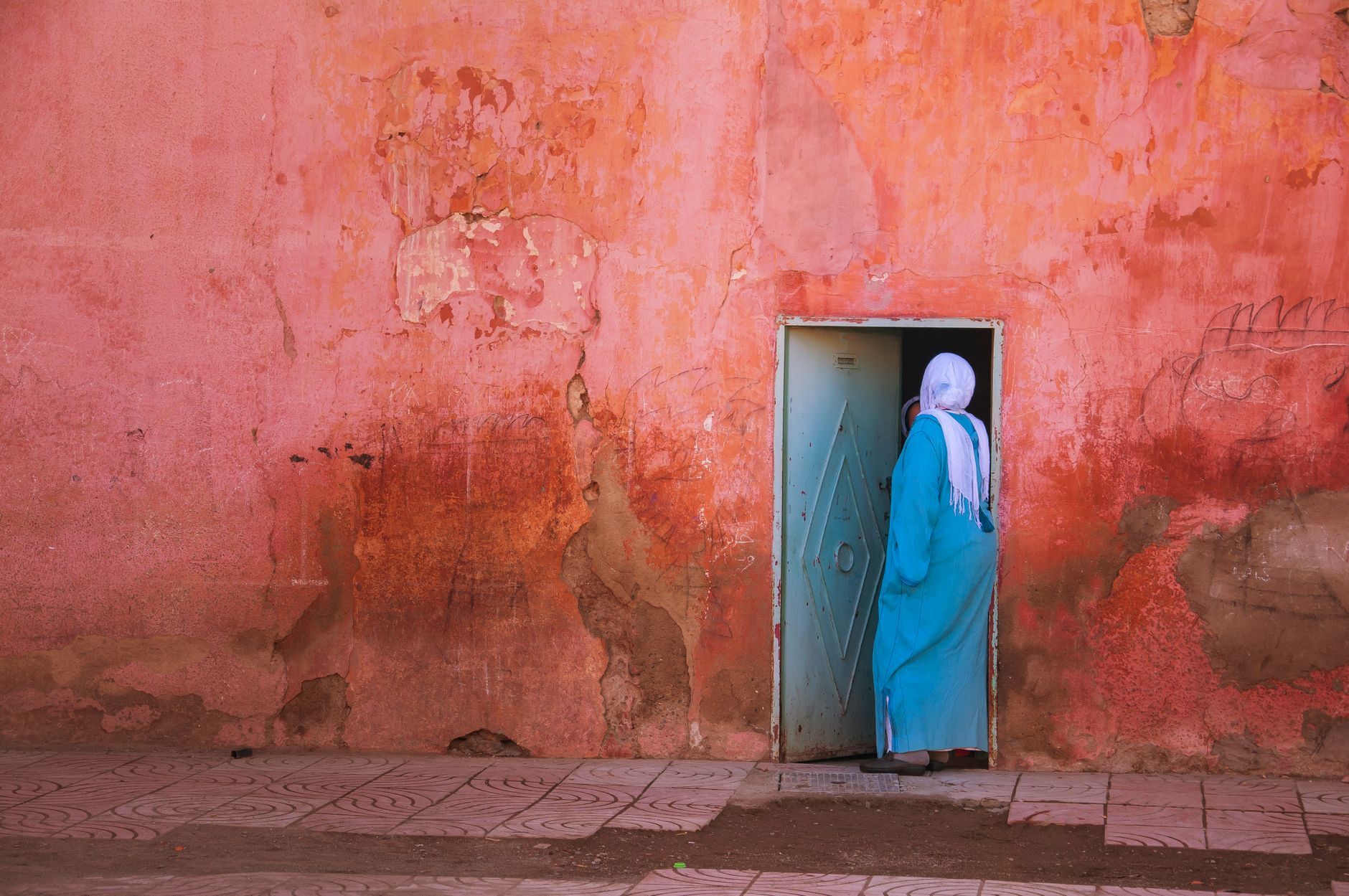
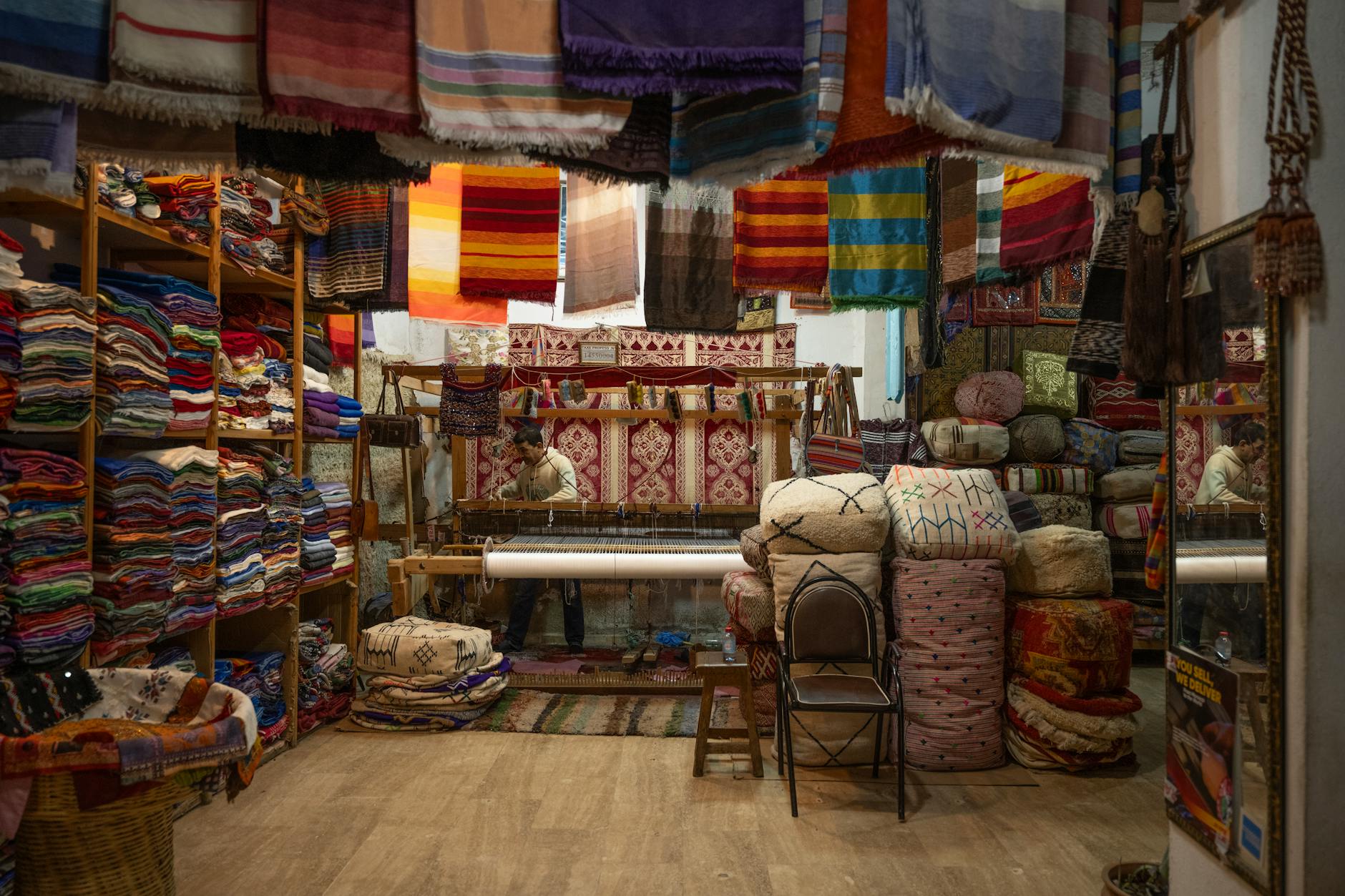
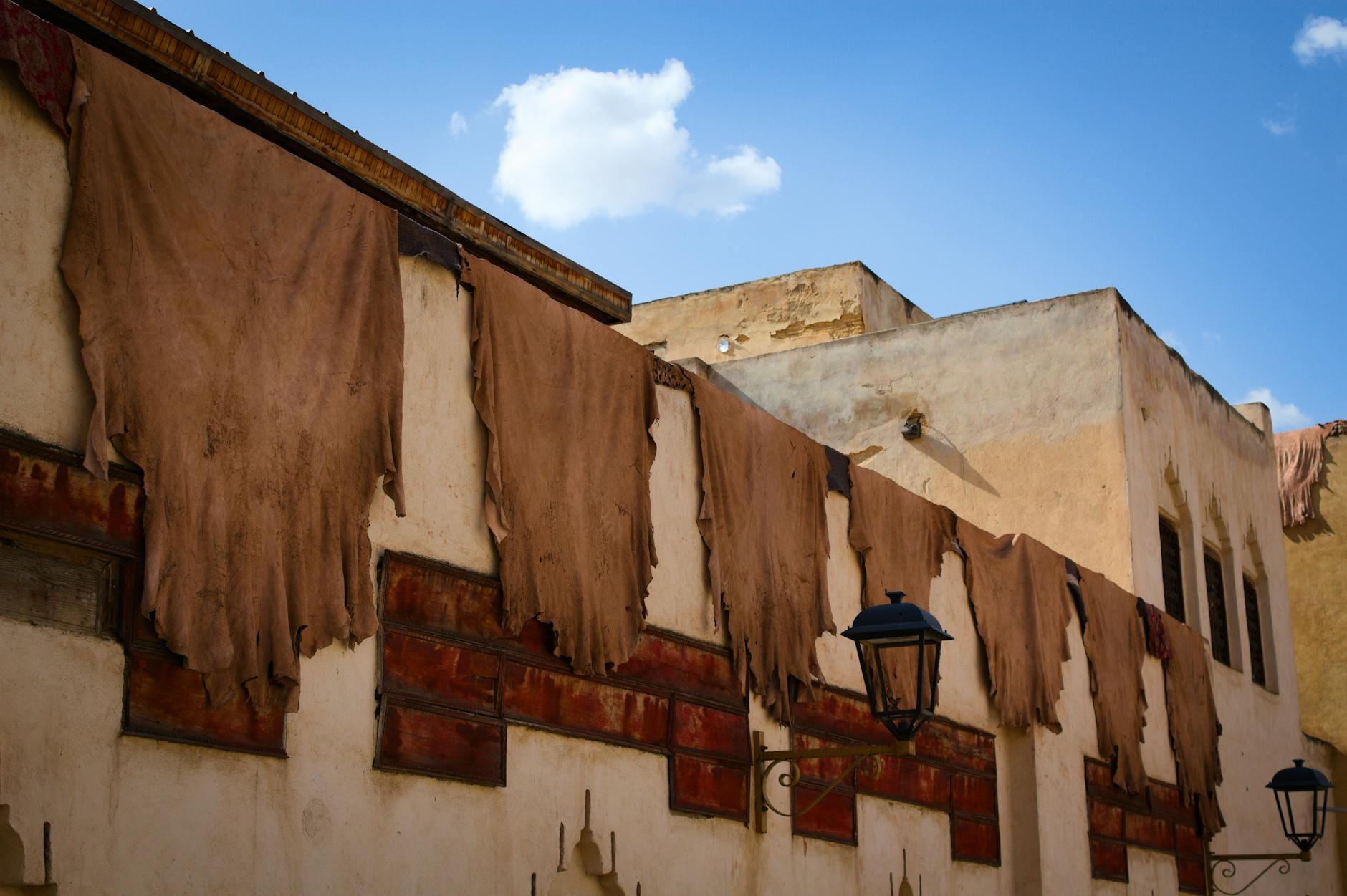
Begin your day with a delightful breakfast at the hotel. Today you will have the chance to visit one of the most ancient cities in Morocco. Founded in AD 808 by the Sultan Moulay Idris II, the city’s history and position are well ingrained in the upcoming of the Moroccan identity and traditions. It was once the Mecca of Science and Knowledge for it had the first University in the world, Al Karaouyine, and it wielded many scholars and intellectuals. It had fertilized the minds and the souls of many over the age, and surely more to come. Its solid and well-established position over centuries as a cultural melting pot had provided it with a unique spirit of multi-culturalist, tolerance and peace. Therefore, open up to the city and enjoy what it has to offer. Along with your guided tour, touch on the cities marking features and uniqueness which you cannot find anywhere else. As you walk in to Fez El Bali (the ancient town) you are faced with a fork in the road, the right one is “talaakebira“and the left one is “talaasghira” and unlike Robert Frost we will travel the road most taken as we follow the footsteps of great women and men who have been here. The “TalaaKbbira” will lead us straight to theBouInannia Madrassa at the end of the market. This Madrasa served as theological colleges and was built in 1351 with a Merenid Style.Dinner well be served Local Restaurant. Overnight stay at your hotel in Fez.
Day 4
Fez – Azrou – Erfoud - Merzouga
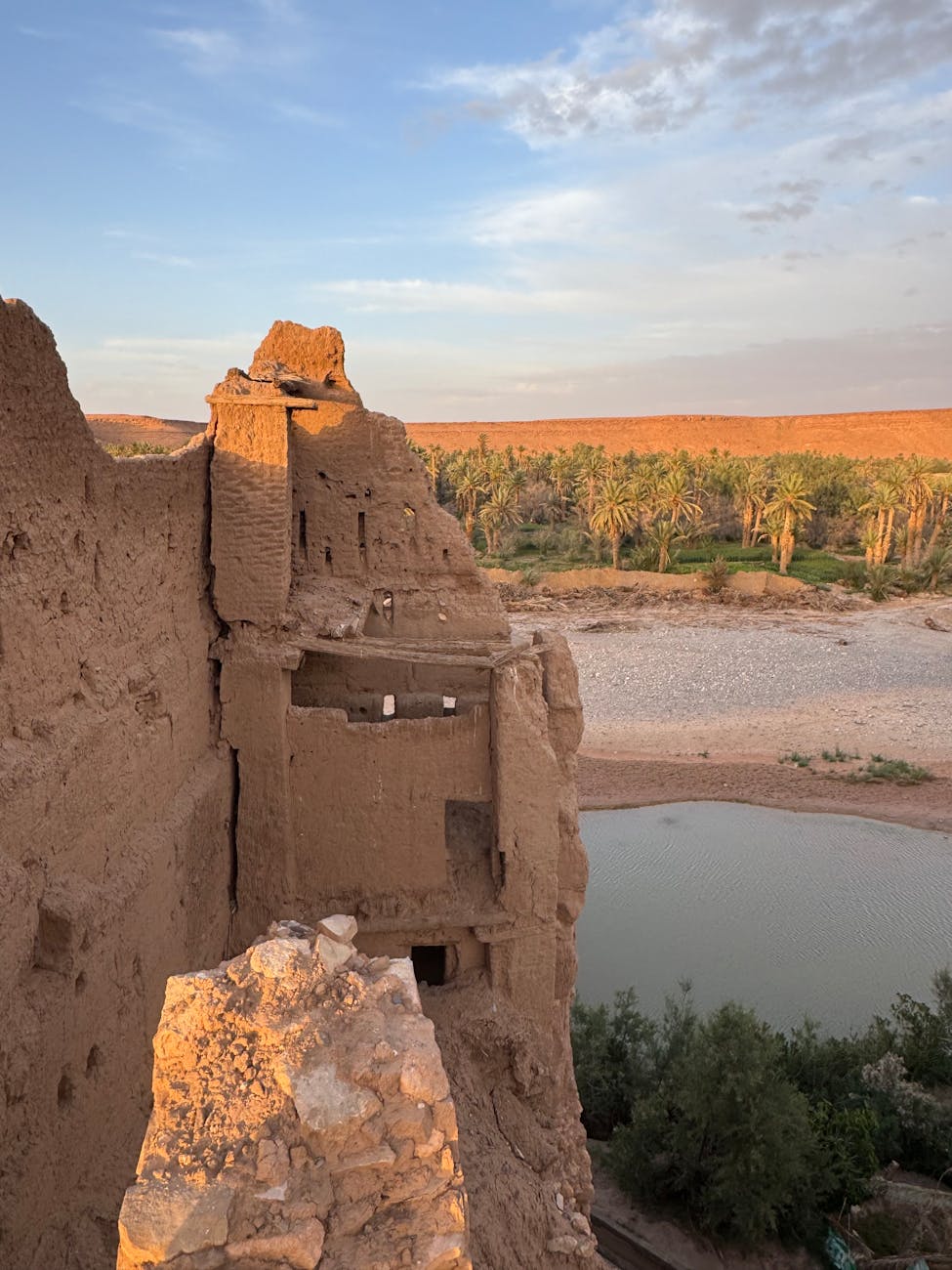
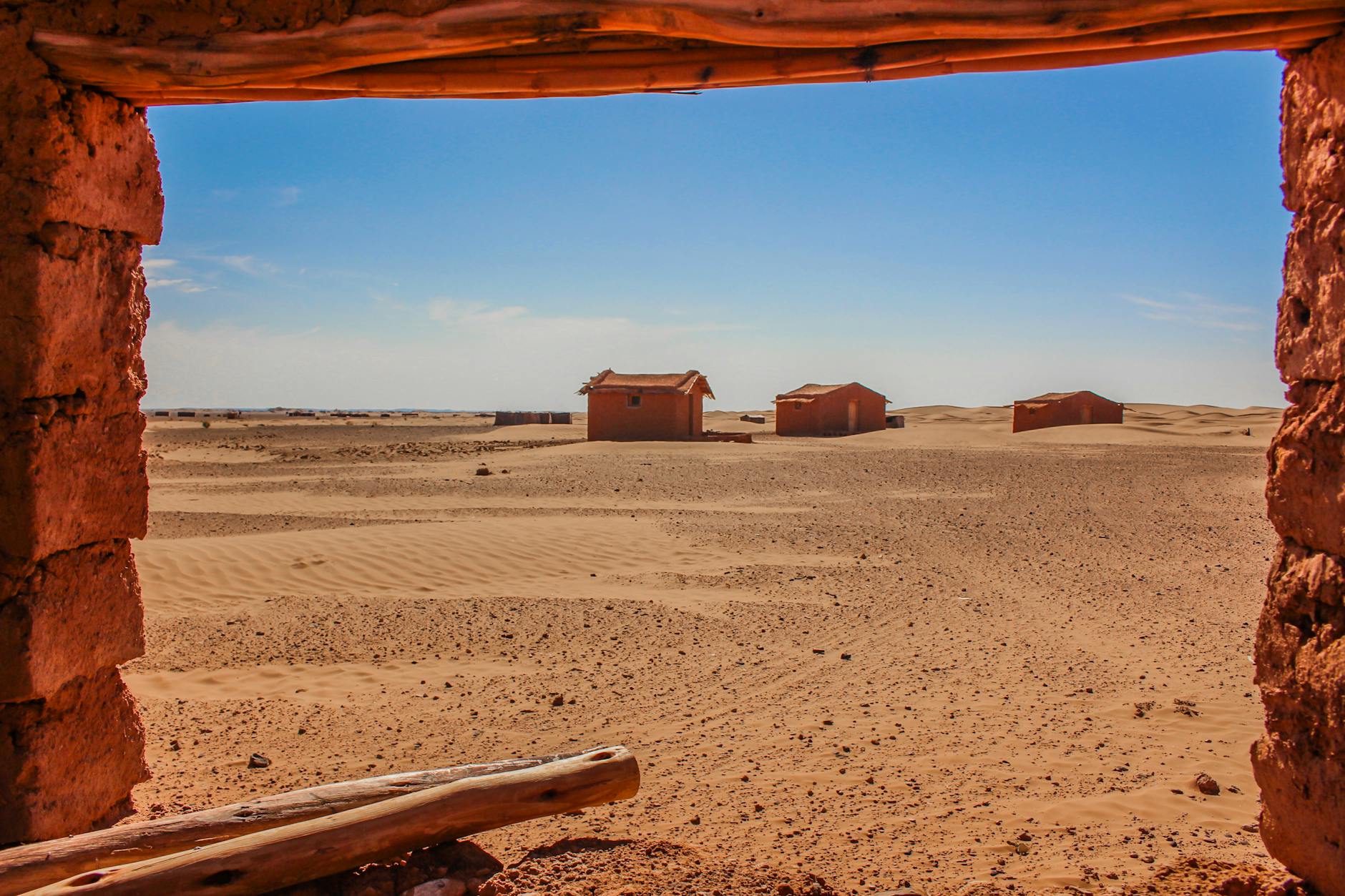
After breakfast, we will be heading towards Merzouga, only about an hour away from busy Fez and Meknes is the calm and tranquil village of Azrou, deep in the Middle Atlas Mountains. The air is noticeably fresh in this area surrounded by beautiful cedar forests. You can also see there: The Barbary Macaque monkeys are an endangered primate species that are very used to the presence of humans. Here, you'll be able to walk in the forest with monkeys and see the mountains that look down on Azrou.enjoy your lunch (optional) in the gorges view and after leaving Azrou we will continue our way to Merzouga, upon arrival to Erfoud, you will head off for a once lifetime time Adventure drive in 4-wheel vehicles across the barren and sand dunes. Enjoy the beautiful sunset along the way to the camp in Merzouga. The more you know: Erfoud is well known for “Medfouna” which translate to the buried. It is a Berber calzone filled with meat. Do not mess it! Overnight stay at your hotel in Merzouga. Merzouga is a small Moroccan town in the Sahara Desert, near the Algerian border. It’s known as a gateway to Erg Chebbi, a huge expanse of sand dunes north of town. West of Merzouga, Dayet Srji is a seasonal Salt Lake that’s often dry in summer. When full, it attracts a wide range of migratory and desert birds, including desert warblers, Egyptian nightjars and, occasionally, flamingos.
Day 5
Merzouga – Dades – Tinghir – Ouarzazate
Today, an early start is essential to witness the beautiful sunrise while riding on the back of a camel, allowing you to fully immerse yourself in the nomadic experience. After the camel ride, you will be transferred to Ouarzazate, Tinghir, and the Todgha Gorges. It’s a long journey, so take your time. Several stops will be planned along the way for you to enjoy the stunning desert landscapes. You will also have the opportunity to stop for lunch at a local restaurant (optional). Continue your journey toward your destination, and upon arrival, check in at your hotel where you will spend the night. Overnight stay at your hotel in Ouarzazate.
Day 6
Ouarzazate – Ait Ben Haddou – Marrakech
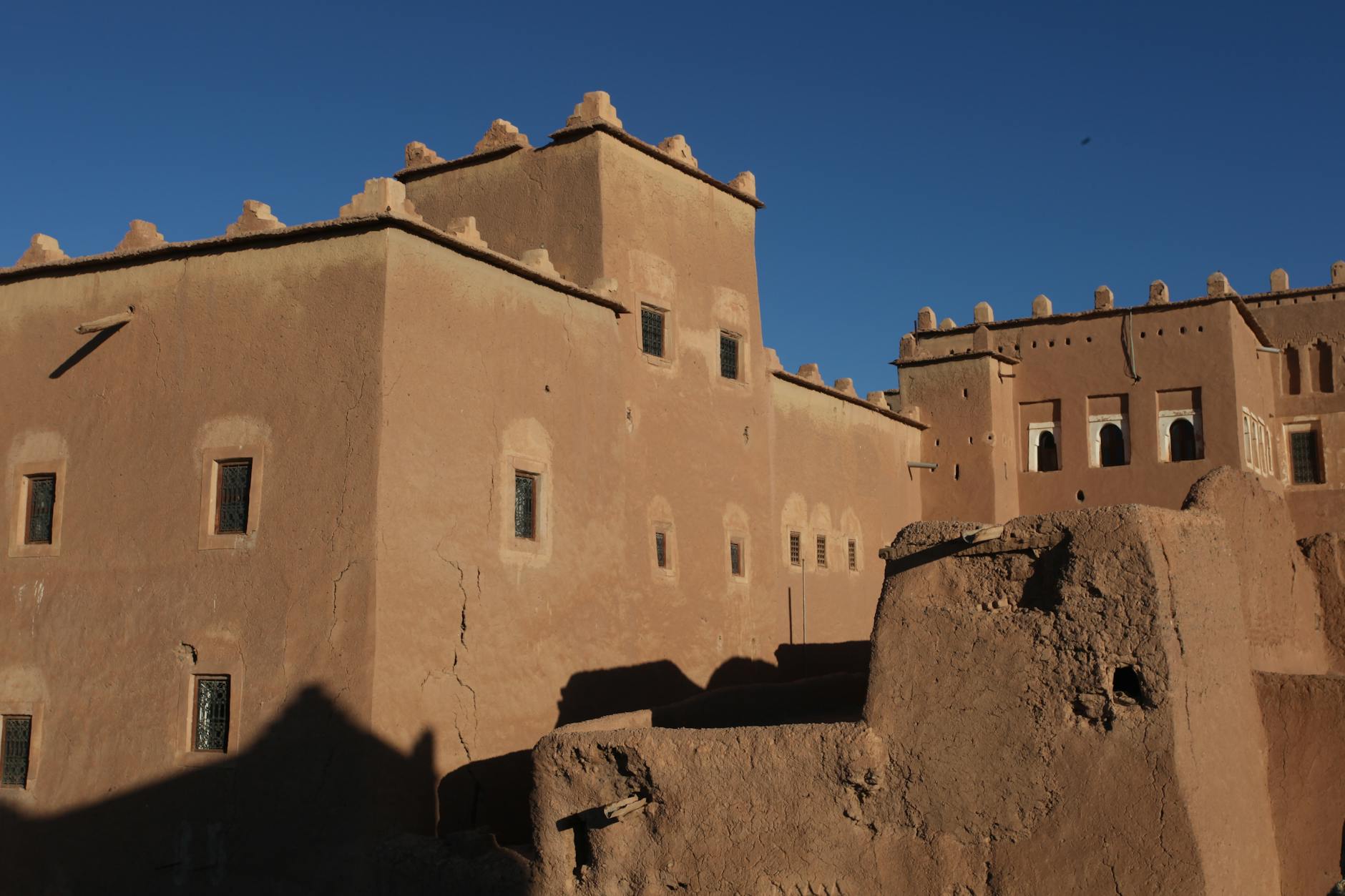
Begin your day with a leisurely breakfast at the hotel. After breakfast, start your tour of Ouarzazate City, known as the “Hollywood of Africa.” You might wonder about this name. It’s no surprise that famous directors such as David Lean, Ridley Scott, Martin Scorsese, and Alejandro González Iñárritu have chosen this destination for their films. Iconic movies like Lawrence of Arabia, Gladiator, Kundun, Babel, and even the series Prison Break were filmed here. You will have the opportunity to visit Atlas Studios to learn more about the city’s cinematic history. Make the most of this unique experience! Later, enjoy lunch at a local restaurant. Dine like a star in the land of actors. After lunch, continue your journey and take in the breathtaking views of the Tizi n'Tichka mountain pass and Ait Ben Haddou (a 2-hour visit), a UNESCO World Heritage Site famous for its ancient earthen architecture. Upon arrival in Marrakech, enjoy some leisure time to explore the city at your own pace or relax at your hotel. Overnight stay at your hotel in Marrakech.
Day 7
Marrakech City Tour
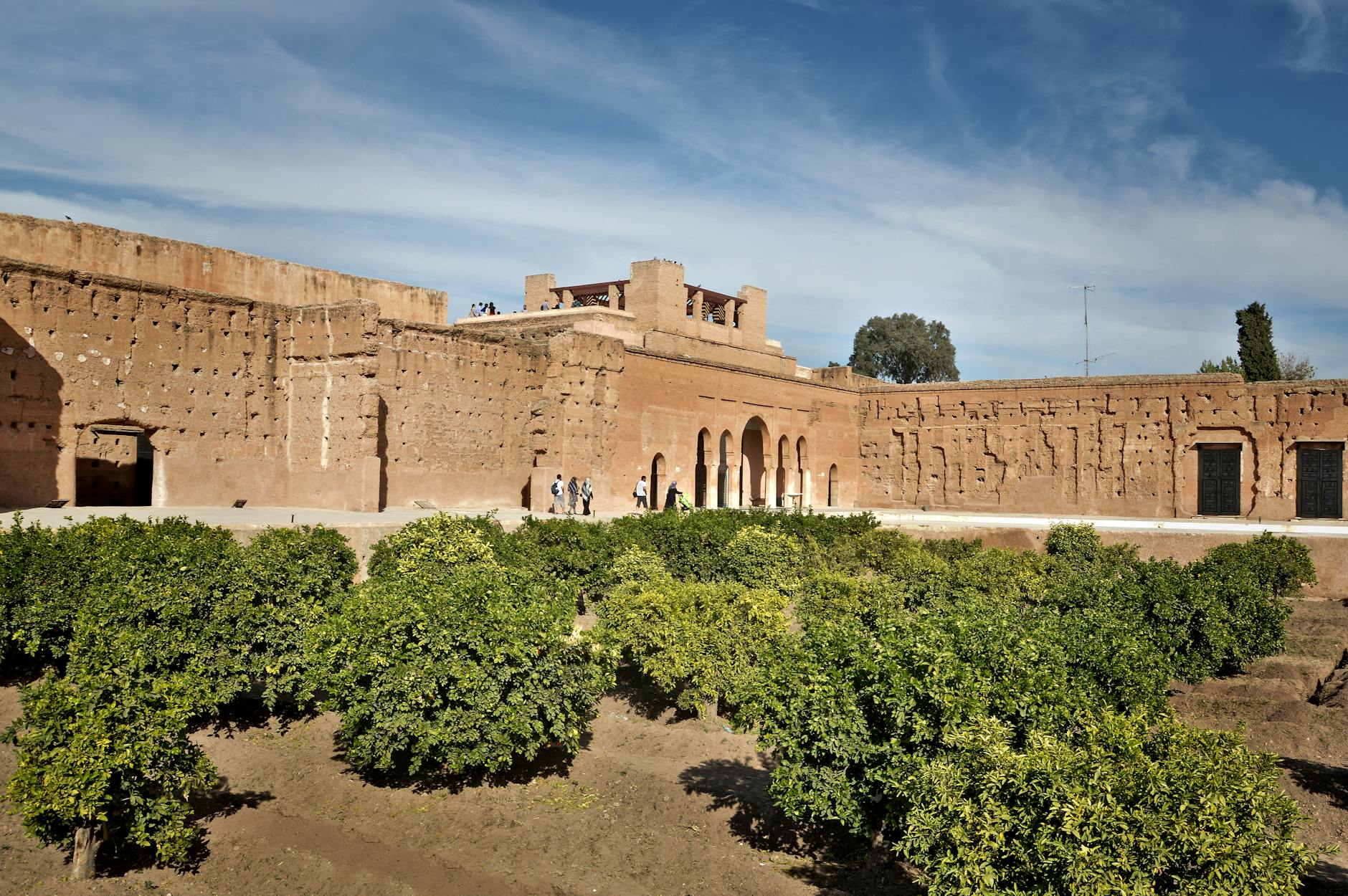
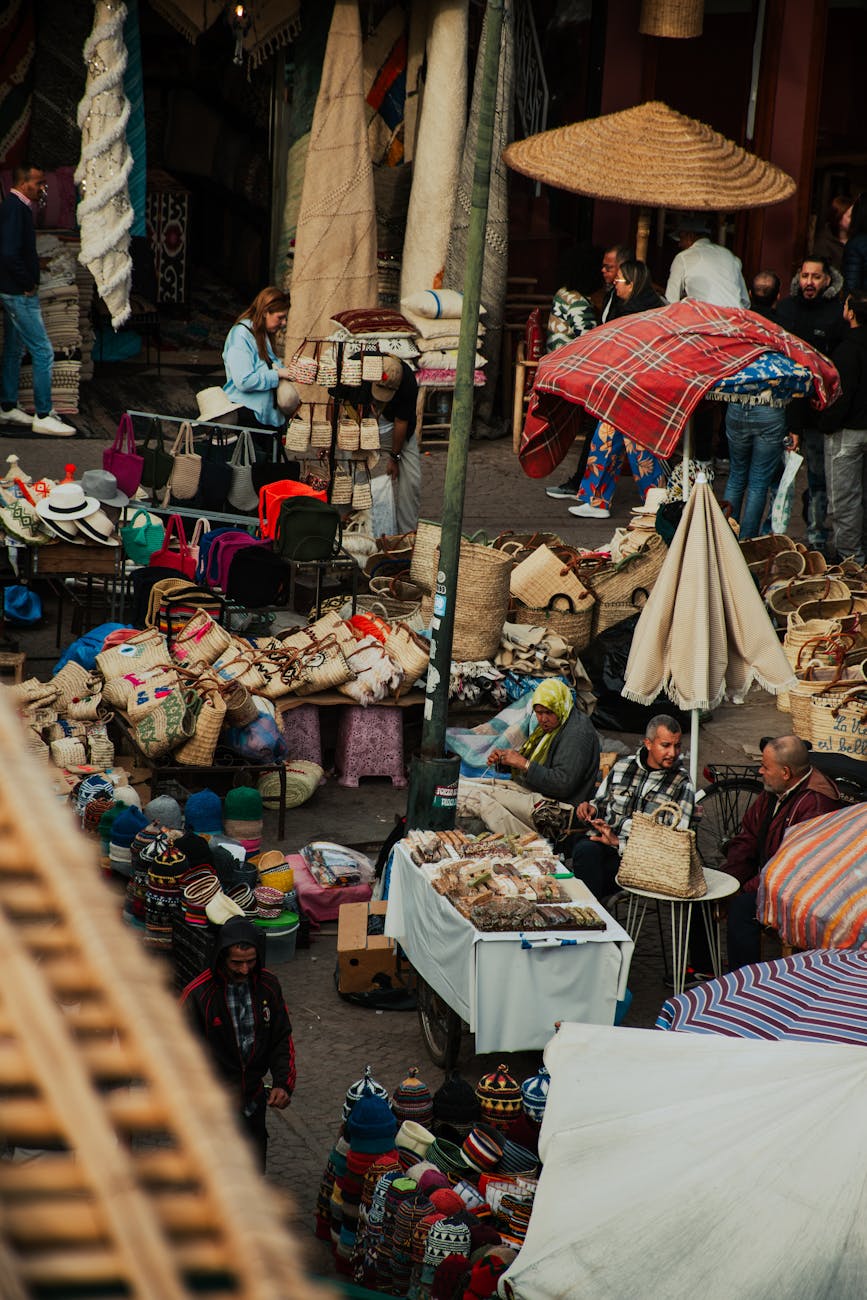
After breakfast, you will have the opportunity to experience Marrakech, a dream destination for many. So be sure to make the most of it. Our local guide will be waiting to take you on a guided city tour of the “Ochre City.” Begin your morning with a visit to the Majorelle Garden, named after the French painter Jacques Majorelle, who devoted immense passion and creativity to this masterpiece. After exploring the garden, continue to the Menara Gardens. Despite its name meaning “lighthouse” in Arabic, it is actually a beautiful pavilion surrounded by a large basin, orchards, and olive groves. Next, visit the Koutoubia Mosque, the largest mos que in Marrakech, and then proceed through the Jewish Quarter, known as Mellah. After lunch, explore the stunning Bahia Palace, an architectural gem showcasing Moroccan artistry. End your tour with a charming carriage ride (Koutchi) to the famous Jemaa el-Fna Square, the vibrant heart of the city filled with entertainers, local vendors, and cultural charm. Dinner will be served at a local restaurant. Overnight stay at your hotel in Marrakech.
Day 8
Marrakech – Departure
Enjoy your final breakfast at the hotel before checking out. After breakfast, you will be transferred to Marrakesh Airport for your return flight. Sit back and relax as you reflect on the unforgettable memories made during your Moroccan journey. Upon arrival at the airport, our representative will assist you with the boarding formalities, ensuring a smooth and hassle-free departure process. We wish you a safe and pleasant journey home, carrying with you the vibrant colors, rich history, and warm hospitality of Morocco. ***END OF TOUR*** PER PERSON PRICING IN USD – DOUBLE SHARING BASIS
Where You'll Stay
Hand-Picked Hotels
Rabat
Le Musée
Fez
Barcelo Fez
Merzouga
Sanmao Desert Luxury Camp
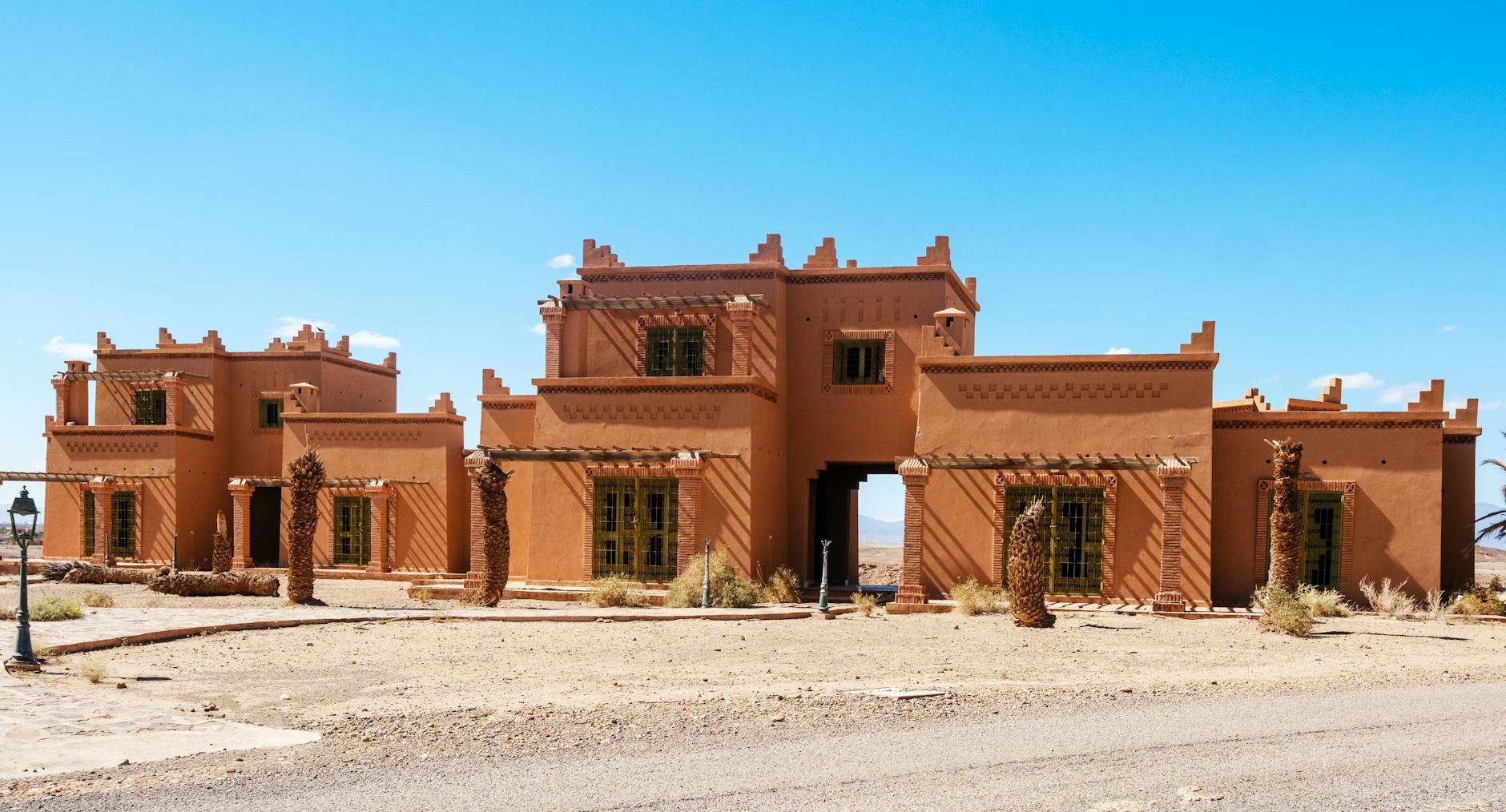
Ouarzazate
Dar Chamaa
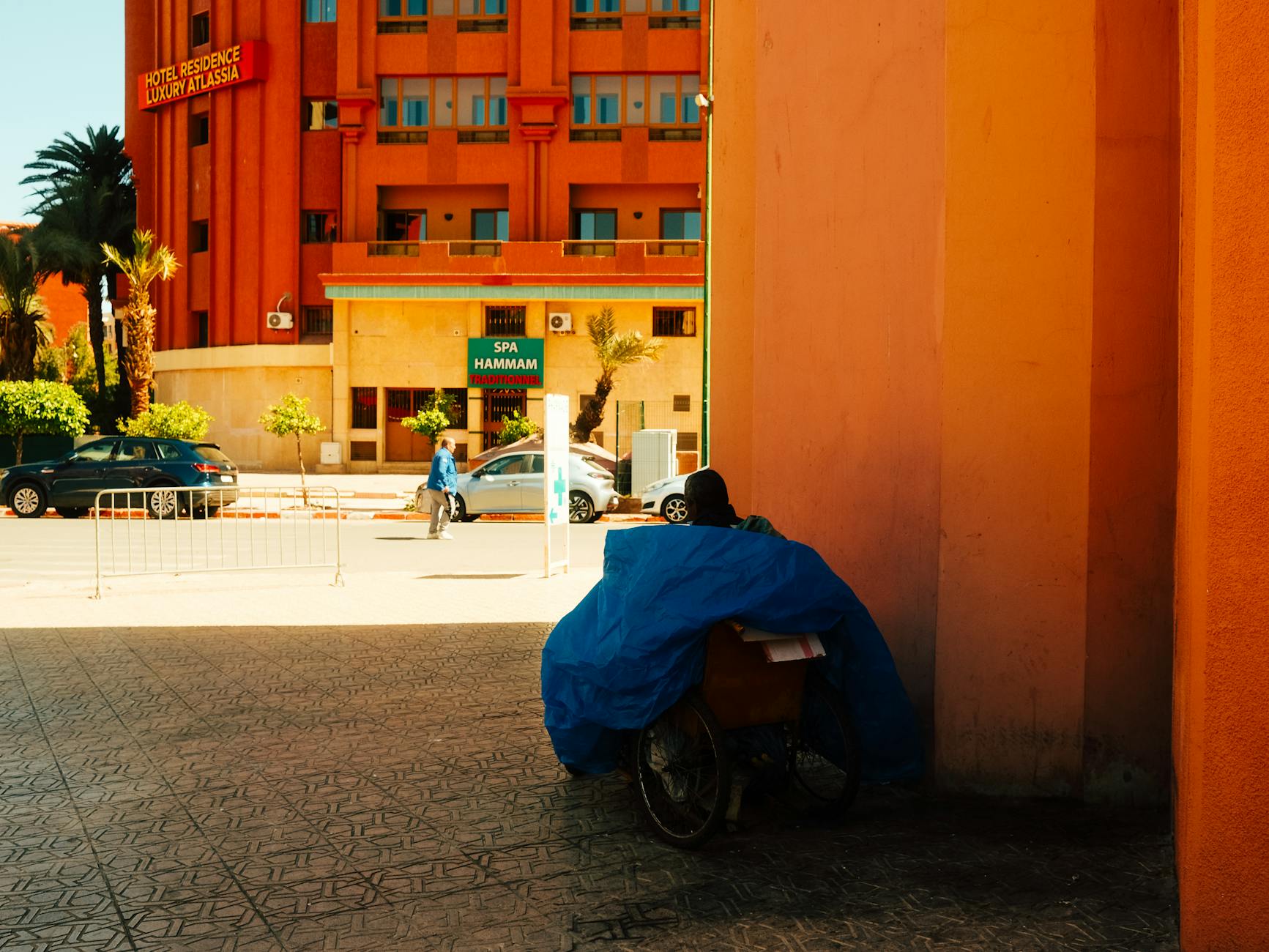
Marrakech
Nearyo Hotel
Rabat
Le Musée
Fez
Barcelo Fez
Merzouga
Sanmao Desert Luxury Camp
Ouarzazate
Dar Chamaa
Marrakech
Nearyo Hotel
Honestly
Things most travel sites won't tell you.
On-the-ground details your designer wishes every guest knew before they landed.
Things to Look Out For
Hammam etiquette
You'll be near-naked, scrubbed raw by a stranger with a coarse glove, and emerge a different person. Bring rubber slippers and a small tip. Twenty or thirty dirham. The full ritual runs about ninety minutes with the black soap, the rinse, the rest; book it for your second-to-last day, not your first, so you're not sore for the dunes.
The souk price game
The first number a vendor in the medina gives you is theatre. Expect to settle somewhere around a third to a half of it, and walk away at least once; the real price often follows you to the door. Have the rough sum in cash and small notes. If you genuinely don't want it, don't pick it up: handling is read as interest.
Friday rhythm
Friday is the day of prayer and the day of couscous. Many shops shutter around midday, the medinas empty during the noon prayer, and families sit down to a long lunch. Plan a slow morning and a museum or a riad afternoon rather than fighting closed doors. By evening the streets fill again.
- №1
Hammam etiquette
You'll be near-naked, scrubbed raw by a stranger with a coarse glove, and emerge a different person. Bring rubber slippers and a small tip. Twenty or thirty dirham. The full ritual runs about ninety minutes with the black soap, the rinse, the rest; book it for your second-to-last day, not your first, so you're not sore for the dunes.
- №2
The souk price game
The first number a vendor in the medina gives you is theatre. Expect to settle somewhere around a third to a half of it, and walk away at least once; the real price often follows you to the door. Have the rough sum in cash and small notes. If you genuinely don't want it, don't pick it up: handling is read as interest.
- №3
Friday rhythm
Friday is the day of prayer and the day of couscous. Many shops shutter around midday, the medinas empty during the noon prayer, and families sit down to a long lunch. Plan a slow morning and a museum or a riad afternoon rather than fighting closed doors. By evening the streets fill again.
The Details
What's Included
Included
- Private air-conditioned vehicle with English-speaking driver throughout the tour
- All Accommodations (bed and breakfast) except Merzouga and Ouarzaazte (breakfast and Dinner)
- Licensed driver during the whole tour
- Monuments entrance fee
- Bottled mineral water on board
Not Included
- 5% Government Service Tax is applicable additional on total invoice.
- 5% / 20% Tax Collected at Source ( TCS ) - claimable
- Airfare and Airport Taxes
Plan Your Timing
When to Go
The Moroccan windows are spring and autumn, March to May, then September to November. When the imperial cities are warm by day and cool by night and the desert is bearable. June to August the interior bakes: Marrakech and the Sahara push past forty degrees, and the dunes are a dawn-and-dusk affair only. December to February is cool and clear in the cities, genuinely cold in the High Atlas and at night in the desert, with snow on the passes.
Your Memoir
Here's how you'll remember it.
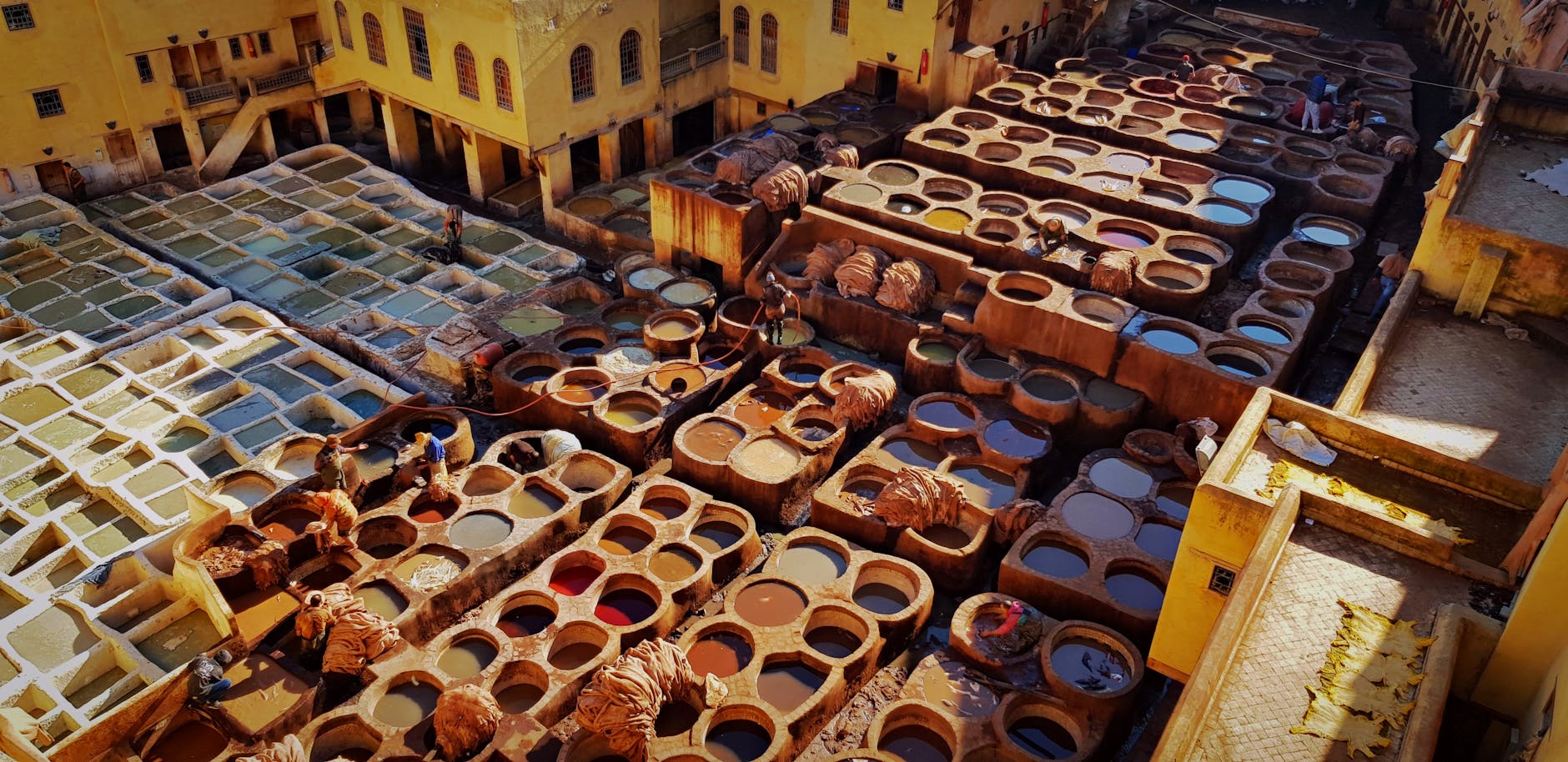
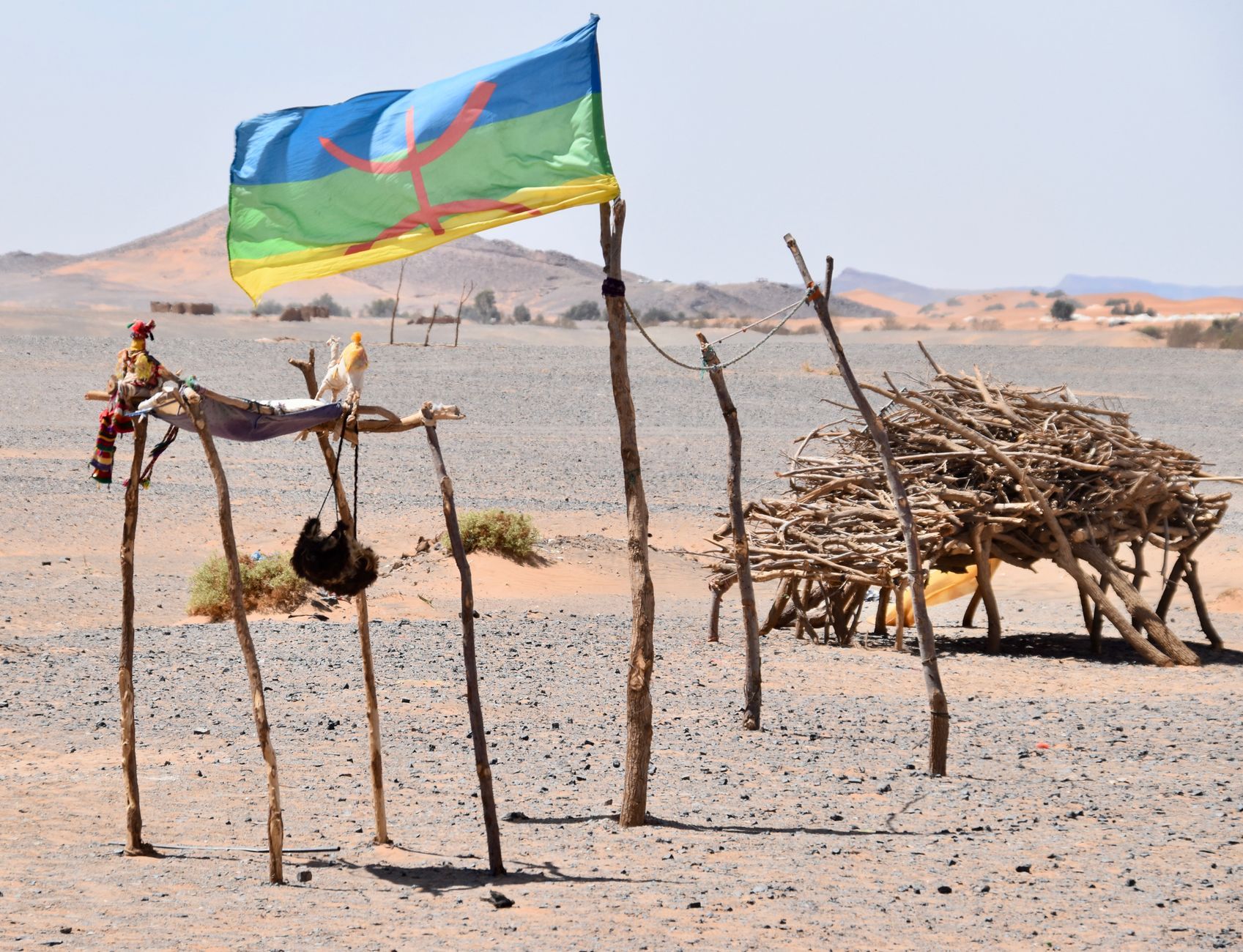
Vol. 4, A Tibro memoir, printed on archival paper, shipped after you return.
Enquire
Start the conversation.
Tell us your dates and preferences. A Tibro travel designer will respond within 24 hours.