Four Nations
Best for
Couples, Culture Seekers
Duration
13N/14D
Season
April–October
Difficulty
Easy
Vibe
Cultural, Heritage
A Tibro Journey
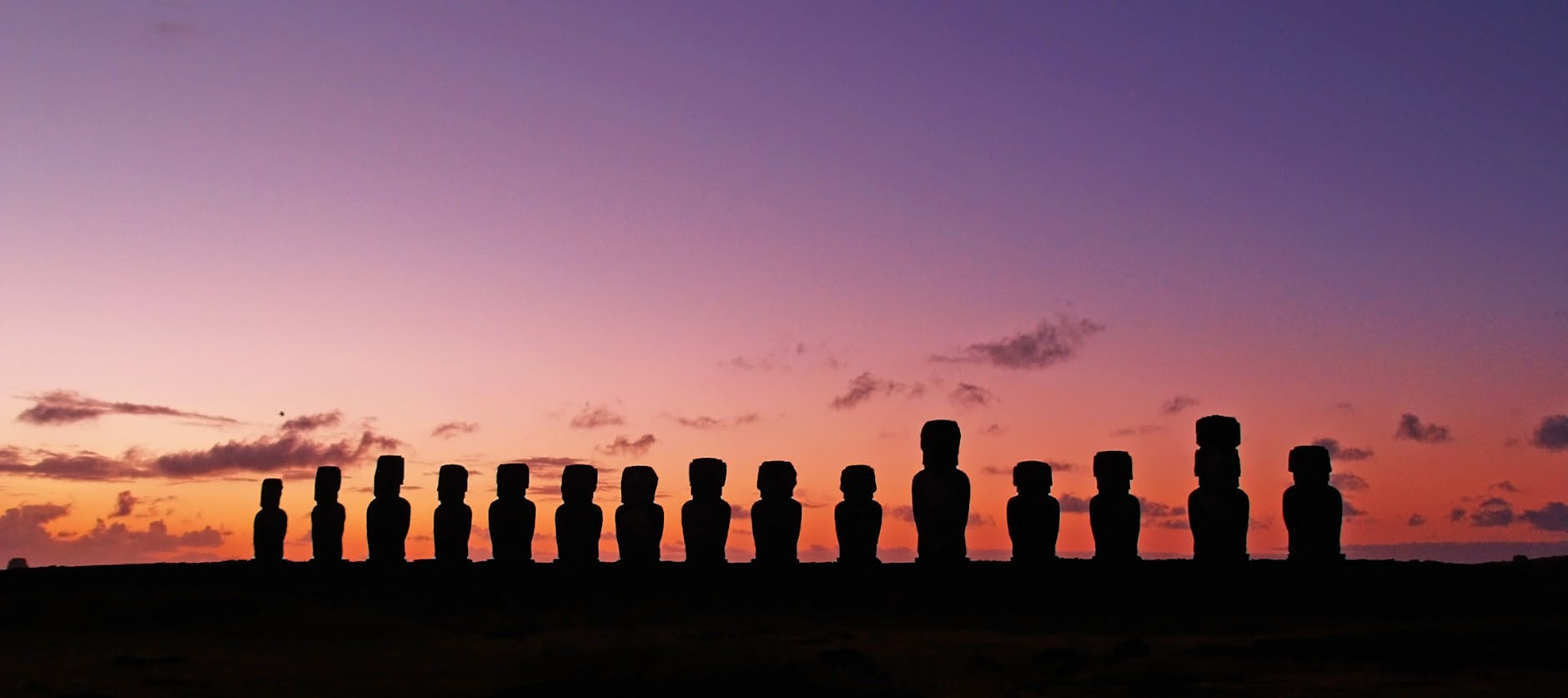
Thirteen nights, four countries down the spine of a continent. Rio and Corcovado, both sides of Iguaçu, tango in Buenos Aires, Valparaíso's hills, Machu Picchu, then Lake Titicaca at Puno.
Stunning South America: Rio + Iguassu + BA + Santiago + Lima + Cusco + Puno is a 13N/14D heritage & culture journey through Brazil + Argentina + Chile + Peru. Highlights include Sugar Loaf & Corcovado, Iguassu both sides, Machu Picchu + Lake Titicaca.
Signature Moments
Three Mornings You'll Remember
No. 01
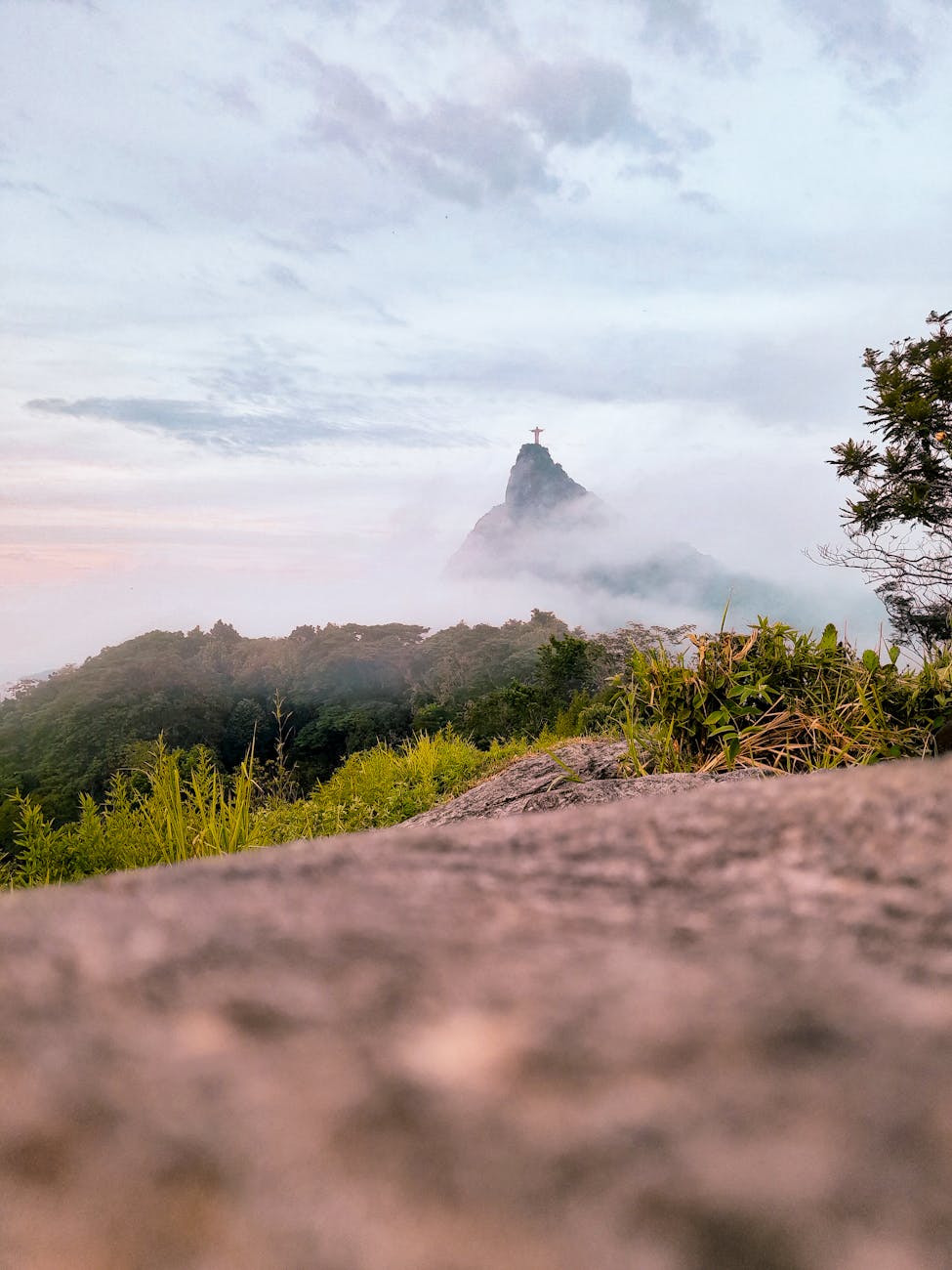
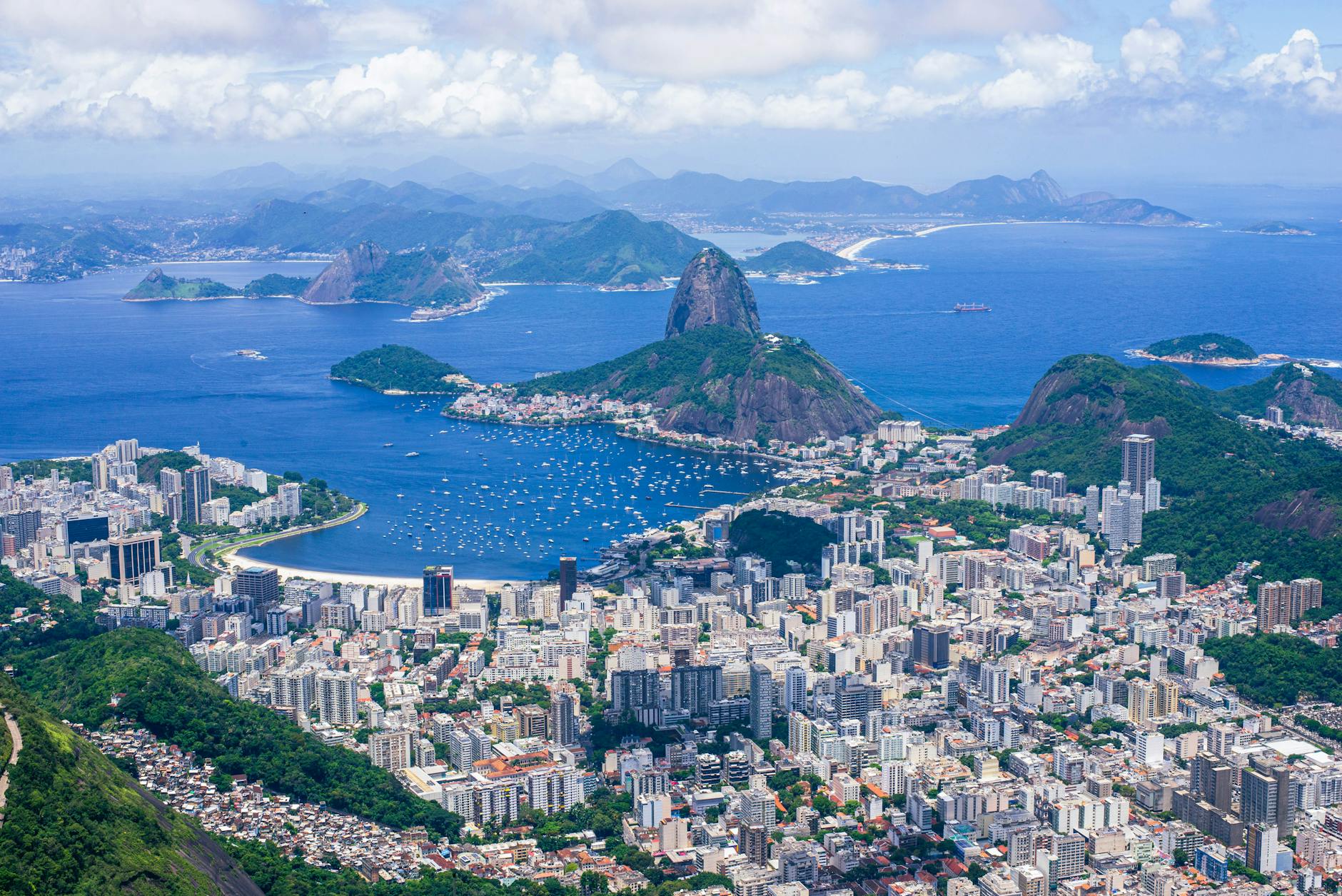
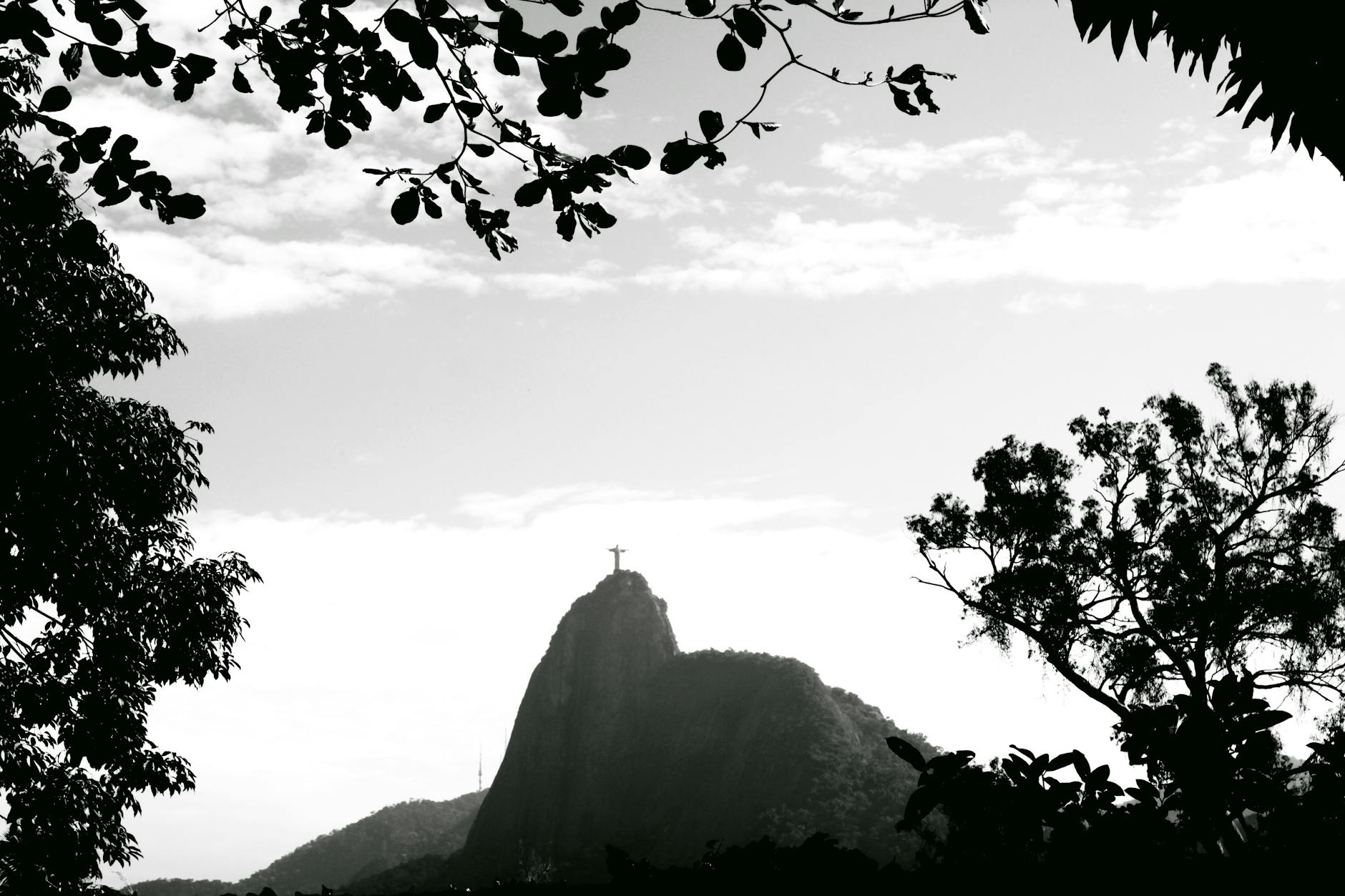
Sugar Loaf & Corcovado
Sugar Loaf & Corcovado
No. 02
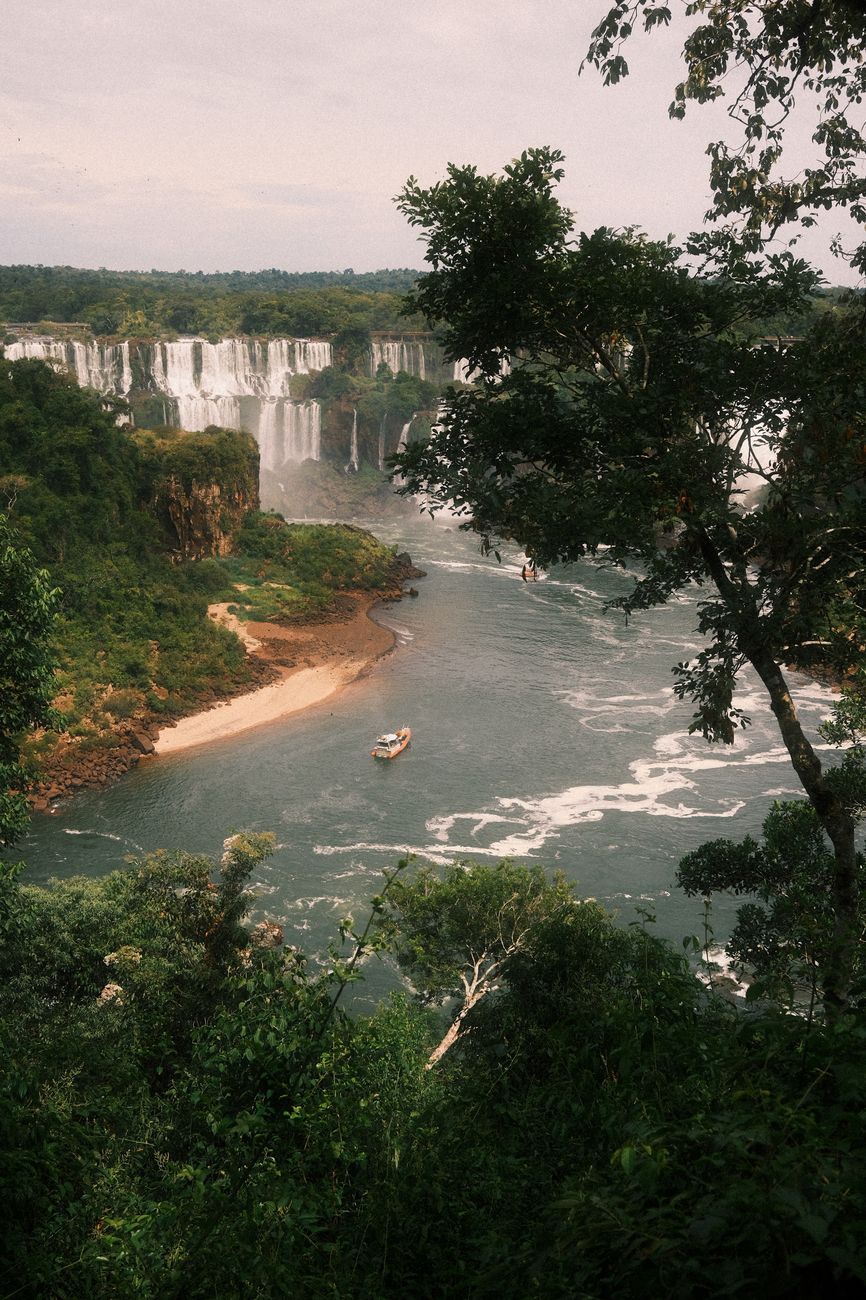
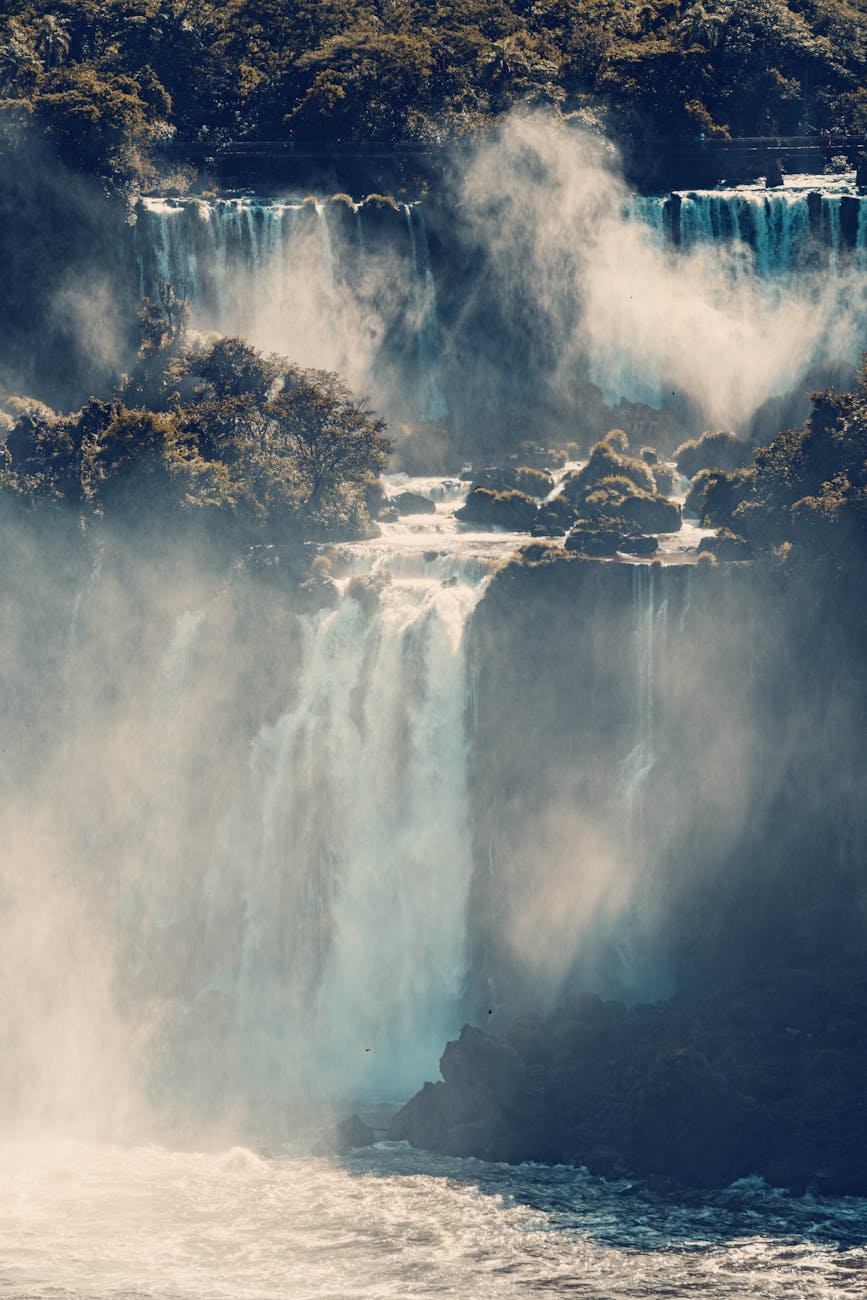
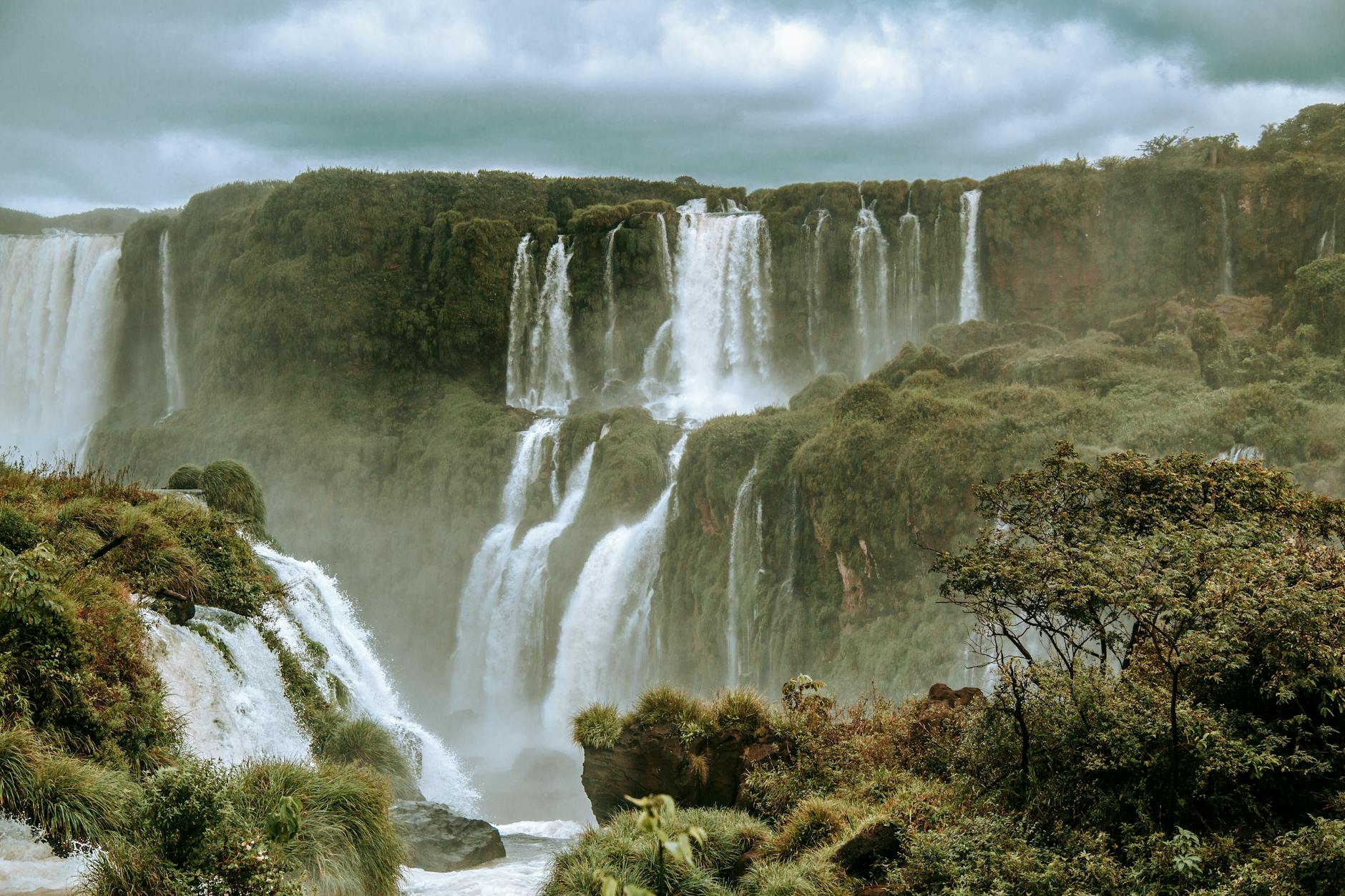
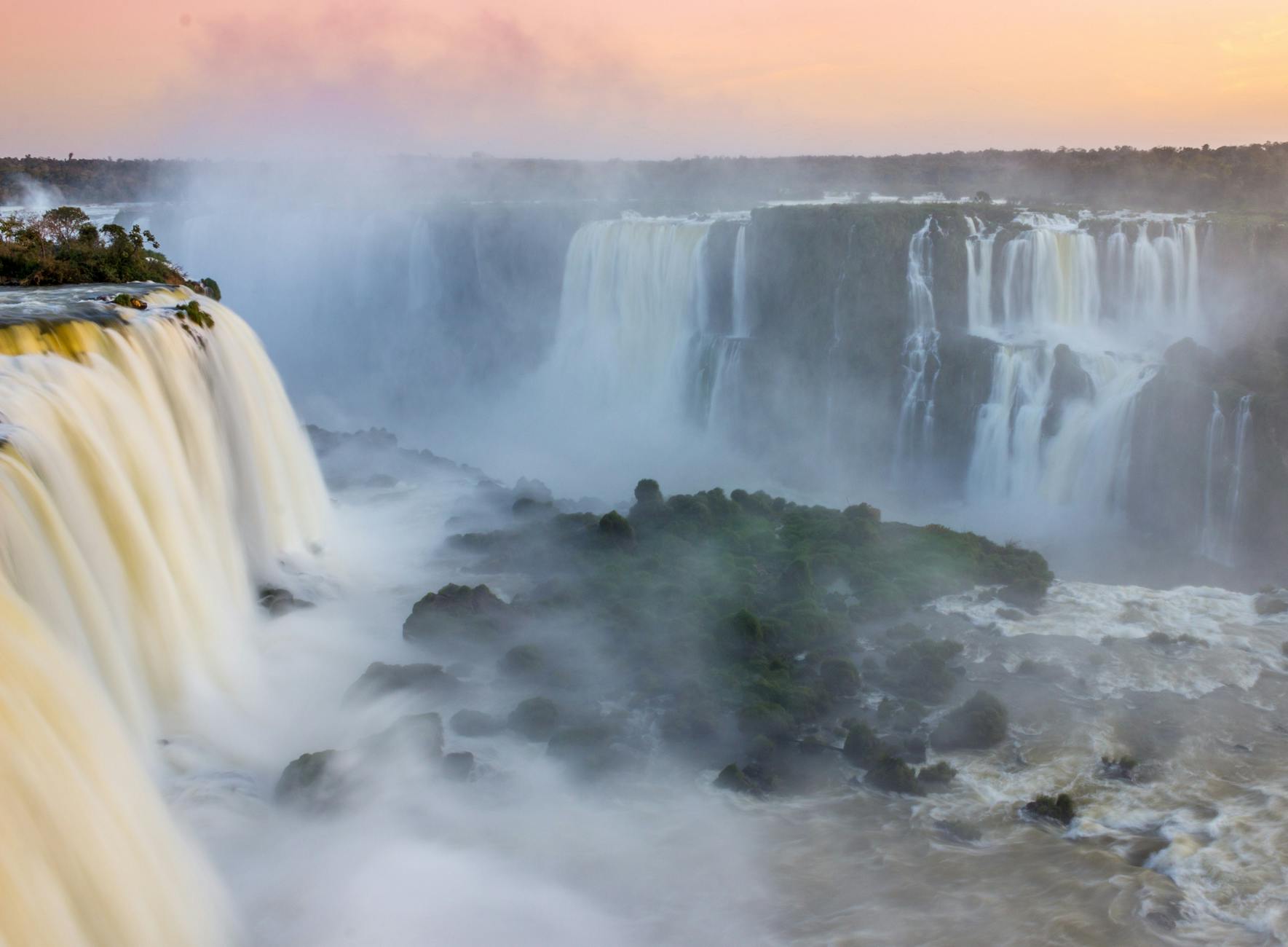
Iguassu both sides
Iguassu both sides
No. 03
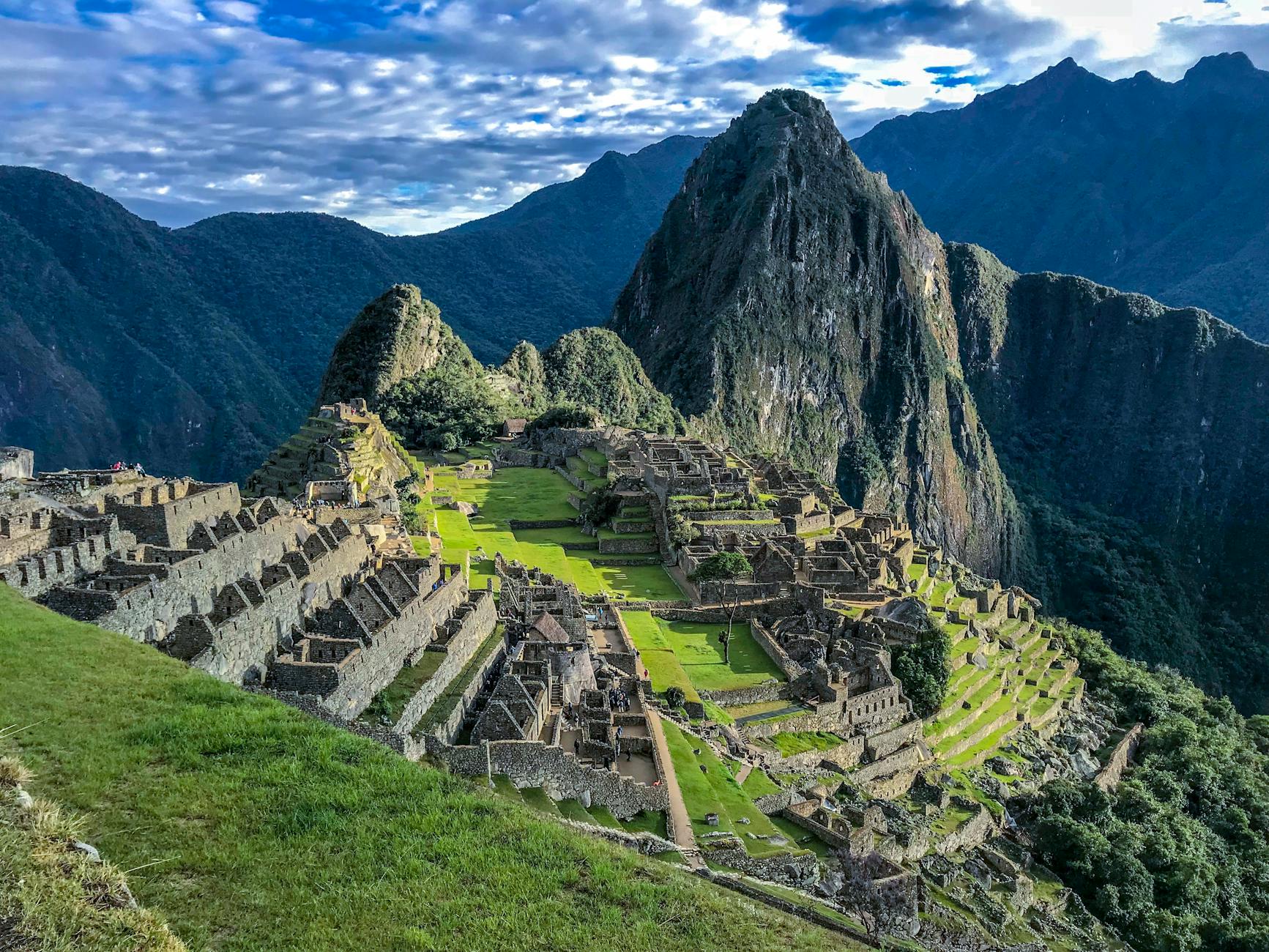
Machu Picchu + Lake Titicaca
Machu Picchu + Lake Titicaca
No. 01
Sugar Loaf & Corcovado
Sugar Loaf & Corcovado
No. 02
Iguassu both sides
Iguassu both sides
No. 03
Machu Picchu + Lake Titicaca
Machu Picchu + Lake Titicaca
Day by Day
13N/14D, in order

Day 1
Arrive Brazil
Arrive Rio De Janeiro, Brazil Today, embark on your exciting tour of South America. On Arrival at Rio Airport, you will be transferred to your hotel. Check in and freshen up. Rest of afternoon at leisure. Overnight stay at your hotel at Rio De Janerio. Rio de Janeiro, was the capital of the Portuguese empire and of the country up until 1960. Nicknamed A Cidade Maravilhosa – “The Marvelous City” is world renowned for its breathtaking landscapes and location, nestled between steep, green mountains and crystal clear seas. Rio is one of the most important cultural and economic cities in Brazil and features some of country’s most famous attractions such as the Pão de Açúcar, the Corcovado, and Copacabana and Ipanema beach. The city is full of energy and Cariocas, the locals of Rio, are known for their care free spirit and charm. Whether you are looking to experience Carnaval, relax in a natural environment, or enjoy all the luxuries of a cosmopolitan city, Rio de Janeiro has it all!

Day 2
Rio de Janerio - City Tour
Enjoy breakfast at the hotel. Today you will head off for a Sugar Loaf Excursion. This tour begins with a city panoramic view through downtown Rio, passing by the Maracana Stadium, the Sambodrome, the Metropolitan Cathedral, in pyramid form, with internal diameter of 96 meters and height of 80 meters. Get to know the traditional Cinelandia square with the historical buildings, the Municipal Theater, the National Library and the National Museum of Fine Arts. By taking the Aterro do Flamengo, you will be taken to the neighborhood of Urca where one of the largest symbols of the city is located: the Sugar Loaf. Over a million tourists a year visit the world famous Pão de Açúcar or Sugar Loaf Mountain in English, which has become an iconic symbol of the city of Rio de Janeiro. Rising up from small peninsula at the entrance of Guanabara Bay, its name is said to refer to its resemblance to the traditional shape of concentrated refined sugar loaf. The tour is done in two steps by glass cable-cars. The first cable-car takes passengers to the top of Urca Hill, which rises 215 meters above sea level and offers spectacular views of the entire bay its islands. From Urca Hill, passengers continue in a second cable car to the top of Sugar Loaf which rises 395 meters above sea level and offers a 360 degree view of the entire city including Botafogo and Copacabana Beaches, the Corcovado and downtown Rio. Time for Lunch (on own) Later in the afternoon, we will visit Corcovado Mountain and the beaches. Drive to one of the older parts of Rio called Cosme Velho, from where we take the train to the Corcovado Mountain with the gigantic statue of Christ the Redeemer (2.300ft above sea level). A modern swiss-made cogwheel rail climbs the mountain from its base at 15meters almost to the summit at 710 meters. The trip up takes 17 minutes aproximately, at a maximum speed of 15km/h. The trip down takes 22minutes, at a speed of 12km/h. Overnight stay at your hotel at Rio De Janerio.
Day 3
Rio de Janeiro – Half Day Guanabara Bay
Enjoy breakfast at the hotel. Framed by mountains and beaches, dotted with islands, the Guanabara Bay is rich in history. The cruise route passes close to many islands - Ilha de Villegaignon, Ilha Fiscal, Ilha das Cobras and Ilha das Enxadas, among others - as well as the Docks and the Rio - Niterói Bridge. On the far side of the bay, the Niterói coastline offers many attractions, including: Gragoatá beach and Fort, islands such as Ilha da Boa Viagem with the Church of Nossa Senhora da Boa Viagem, the museum of Contemporary Art, and glorious beaches such as Flechas, Icarai, São Francisco, Charitas, Jurujuba, and Adão e Eva, as well as Pedra Itapuca and Pedra do Índio, and the Santa Cruz Fortress. Highlights of the return trip include the Laje and São Pedro Fort, Flamengo and Botafogo beaches. Overnight stay at your hotel at Rio De Janerio.
Day 4
Rio de Janeiro – Iguassu Falls
Day 5
Rio de Janeiro – Iguassu Falls (Argentina Side) – Buenos Aires
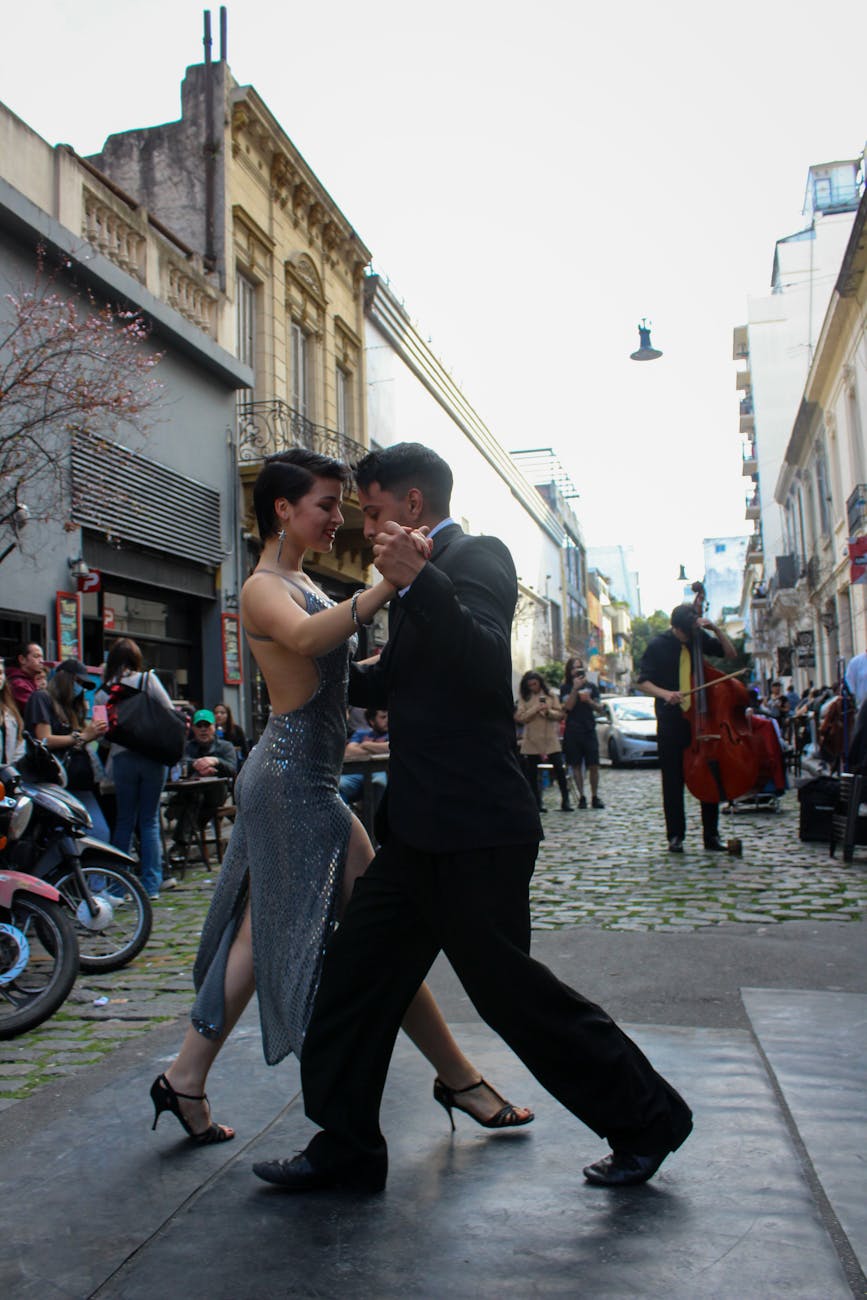
Day 6
Buenos Aires – City Tour and Evening Tango Show & Dinner at Magnificient Tango Porteno.
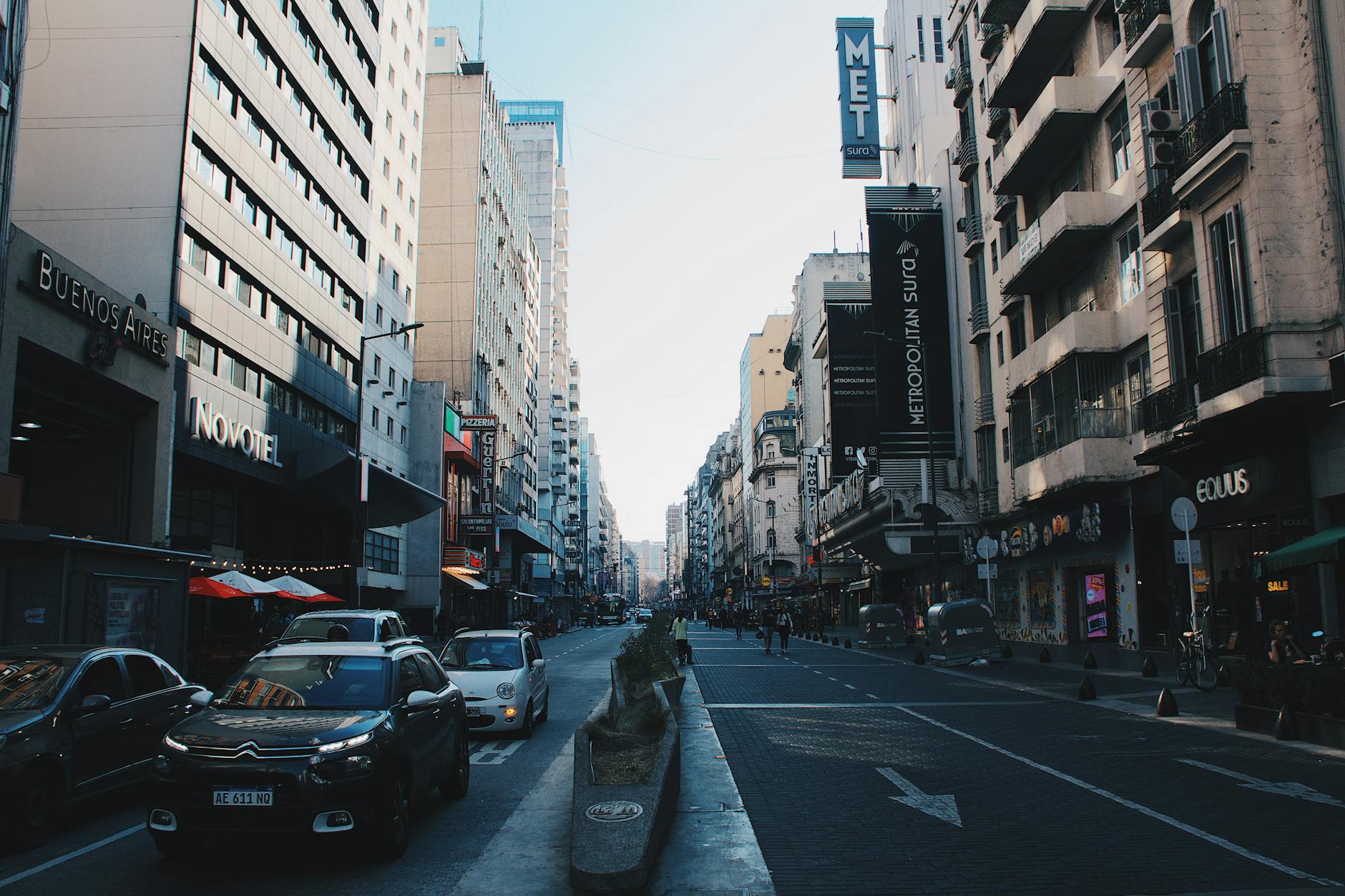
Breakfast at the hotel. Today enjoy a City Tour. In this tour we invite you to discover Buenos Aires considered the “Reina del Plata”. Starting the tour around the center of the city where the most attractive places are located: Av. 9 de Julio, Colón Theatre and the Obelisk “the symbol of Buenos Aires”. We will continue towards Plaza de Mayo and later to the south of the city passing through San Telmo with its “tanguerías”, La Boca and Caminito. Continuing to Puerto Madero, the renewed port of the city and important gastronomic area. We will also visit the biggest green space of Buenos Aires, Palermo, with its parks and buildings and last Recoleta, a neighborhood where culture and elegance live together. On Sunday the tour ends at the Flea Market of San Telmo. Later in the evening, enjoy Tango Show & Dinner at Magnificent Tango Porteño. Tango Porteño recovers that spirit crystallized in a unique place. Magically it recreates the best and most transcendental time ever in the history of tango framed within a luxurious building of those days that used to be a movie theater of the Metro Goldwyn Meyer. Overnight stay at your hotel at Buenos Aires.
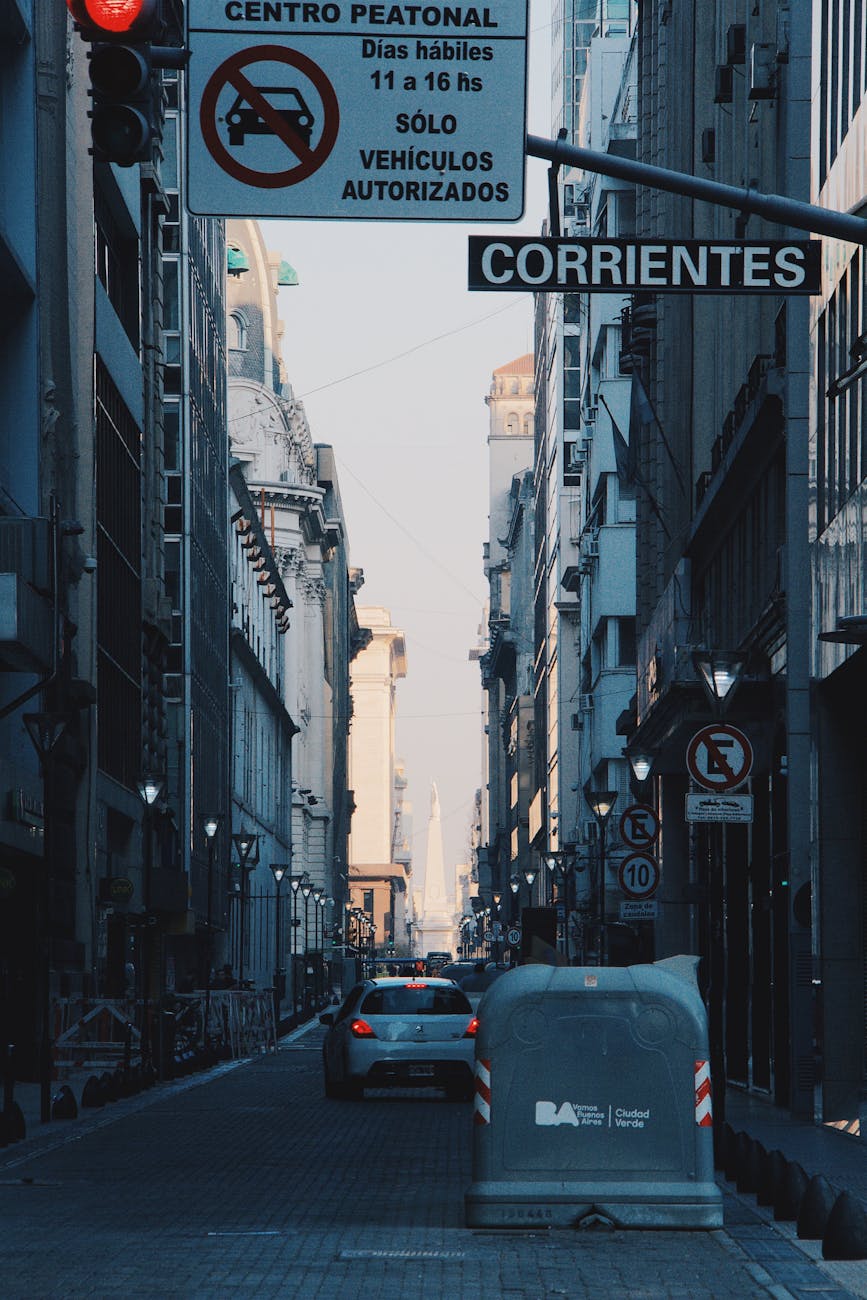
Day 7
Buenos Aires – Santiago – City Tour
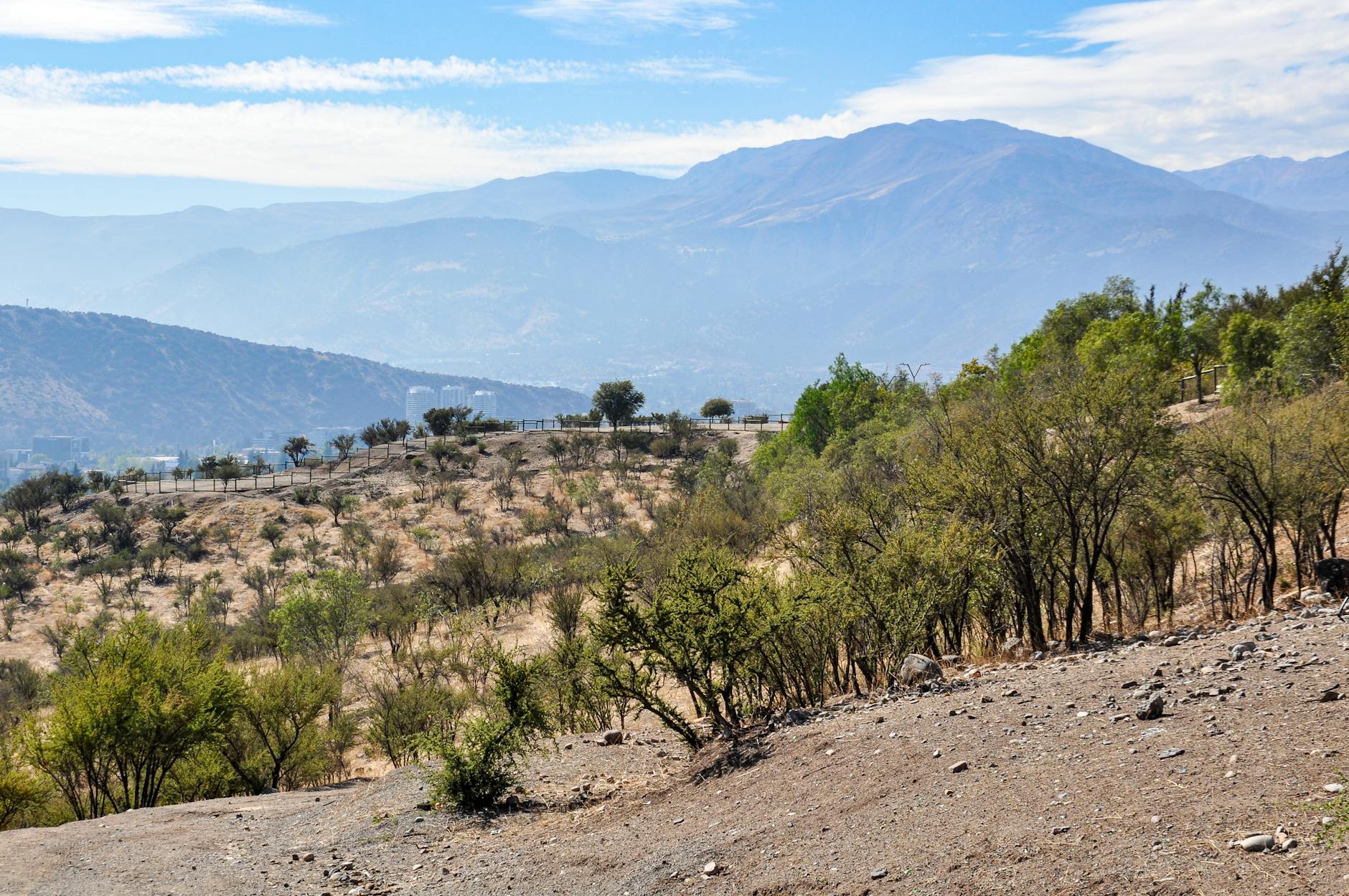
Breakfast at the hotel. Check out and transfer to the airport to board a flight to Santiago. Arrive Santiago and transfer to the hotel. Later in the afternoon proceed for a city tour of Santiago. You will begin the tour form the downtown area, starting at Bernardo O"Higgins avenue, the main one in the city and visiting La Moneda presidential palace followed by a walk through the pedestrian Ahumada and Huerfanos streets and “Plaza de Armas” surrounded by the cathedral and other historical buildings. Continue to the old residential areas climbing up San Cristobal hill to have a panoramic view of the city before continuing to other areas of interest such as Bellavista, centre of cultural and artistic activity and Las Condes and Providencia, modern residential areas of Santiago. Overnight stay at your hotel at Santiago.
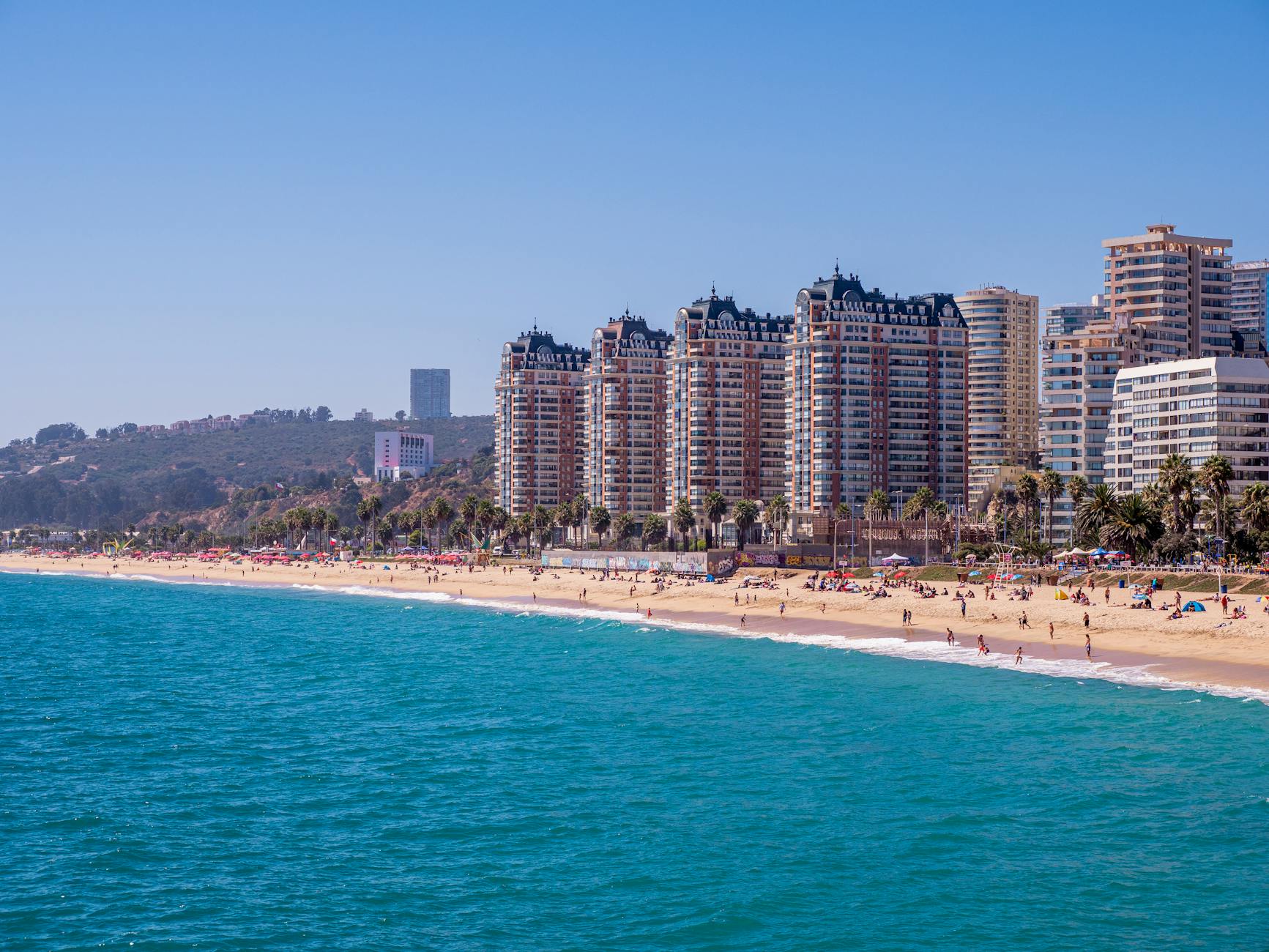
Day 8
Santiago – Vina Del Mar & Valparaiso
Breakfast at the hotel. Today depart Santiago for a full day heading towards the coast - Viña del Mar & Valparaiso Enjoy the first stop in Pomaire, a small village where the inhabitants work the local clay to make a variety of dishes, pots and interesting sculptures amongst other handicrafts. Continue to the coast and visit the beach area of Renaca and the town of Vina del Mar, known as the Garden City for its pretty parks and flower lined streets. Visit the Gaming Casino and the coastal road. In the afternoon continue to the picturesque port of Valparaiso built in the 16th century on a total of 43 hills which are reached by narrow windy streets, staircases and a series of lifts (funiculars) which is now declared by UNESCO as patrimony of Humanity because of its eclectic architecture and urban development. Overnight stay at your hotel at Santiago.
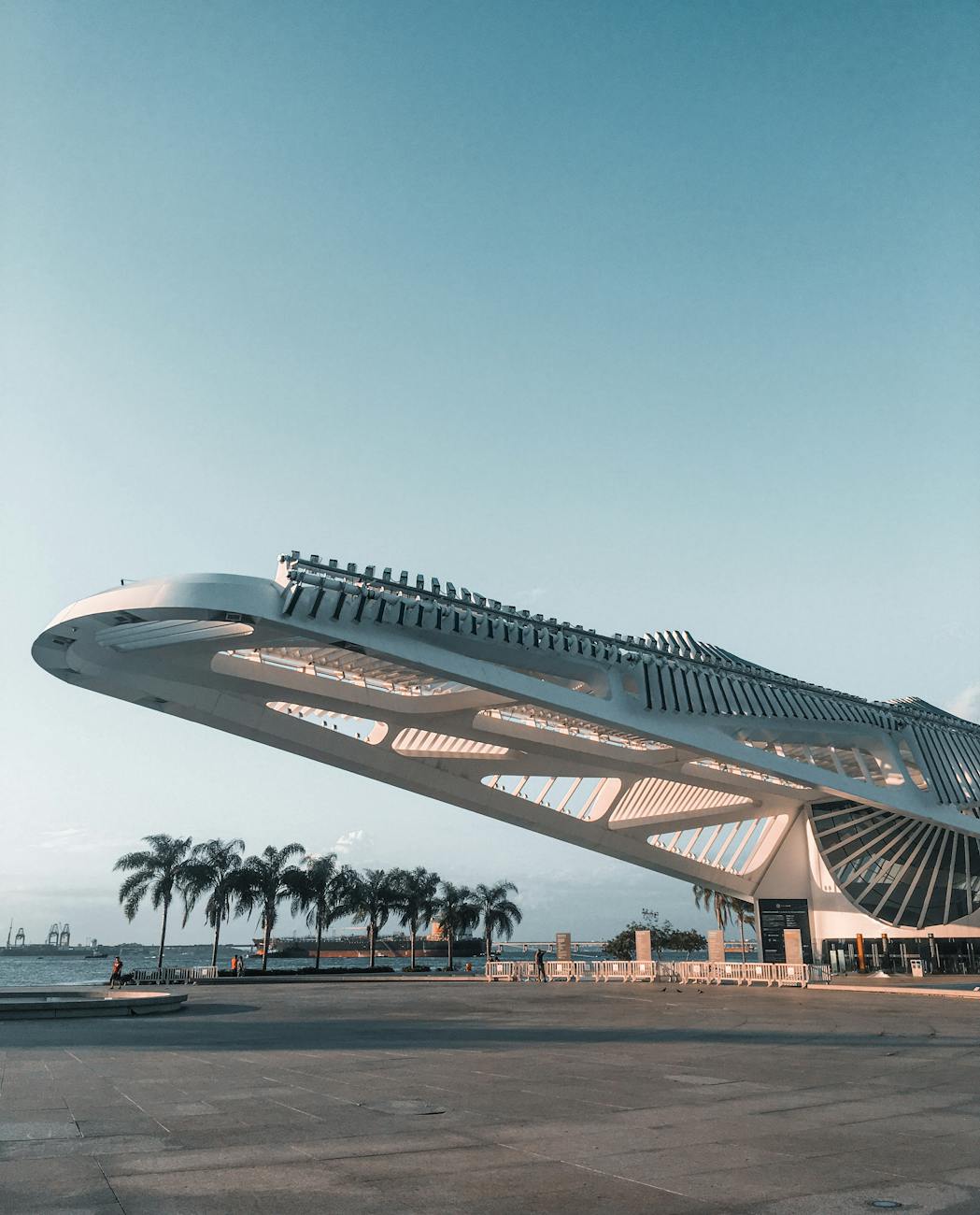
Day 9
Santiago – Lima
Breakfast at the hotel. Check out and transfer to the airport to board a flight to Lima. Arrive Lima and transfer to the hotel. Later in the afternoon proceed for a city tour of Lima. Travel through Ancient Lima with a visit to the panoramic view of HuacaPucllana, an archeological site erected in the 4th century A.D. We will be observing the world known pyramid structures typical from the pre-columbian times, sacred and worshiped, off the coast of Peru. The tour will continue with a visit to Colonial Lima, it’s striking republican architecture and it’s streets with colonial time mansions and their Moorish balconies. We will also be visiting the Paseo de la República, Plaza San Martín and the Plaza Mayor, the Palace of Government, the Archiepiscopal Palace, the Cathedral and the Municipal Palace. At the Historical Center we will visit the Museum of the Central Reserve Bank, whereupon we can appreciate the “Treasures of Peru”, a select exposition of golden, ceramic and textile antiques from diverse pre-Columbian cultures. We will enter the San Francisco convent, which constitutes the largest display of colonial religious art in America. Also visiting the subterranean crypts, which are renowned as catacombs due to their similarity with roman crypts. Finally we will tour along Contemporary Lima through the traditional residential areas of the capital: El Olivar de San Isidro, Miraflores and Larcomar, the tourist center, distinctive in modern Lima and with a privileged view of the spectacular Pacific Ocean. Overnight stay at your hotel at Lima.
Day 10
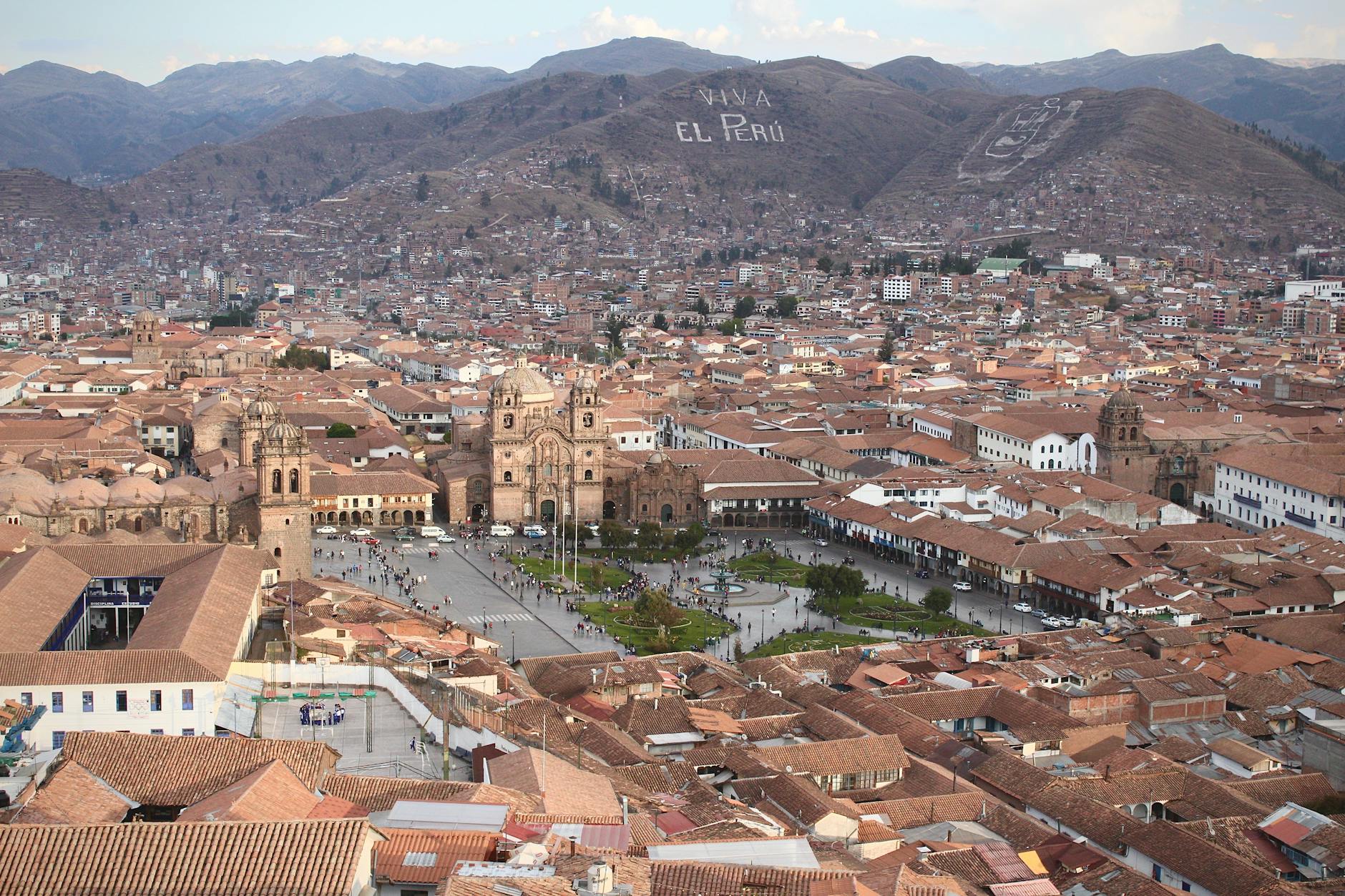
Lima – Cusco
Breakfast at the hotel. Check out and transfer to the airport to board a flight to Cusco. Arrive Cusoc and transfer to the hotel. Later in the afternoon proceed for a city tour of Cusco, discover this enigmatic, ancient Inca city on City Tour & Nearby Ruins Visit. Cusco, The Archaeological Capital of the Americas, exists in the present and the past at the same time, being a living example of the meeting of two different age of culture. Visit to the Koricancha or Temple of the Sun, the Cathedral from the early 17th century, it is a fine example of colonial baroque art. Continue the excursion with the visit to the nearby ruins of Tambomachay with their water fountains; Kenko, the religious center; Puca-Pucara, the red fortress, and finally the fortress of Sacsayhuaman. Overnight stay at your hotel at Cusco.
Day 11
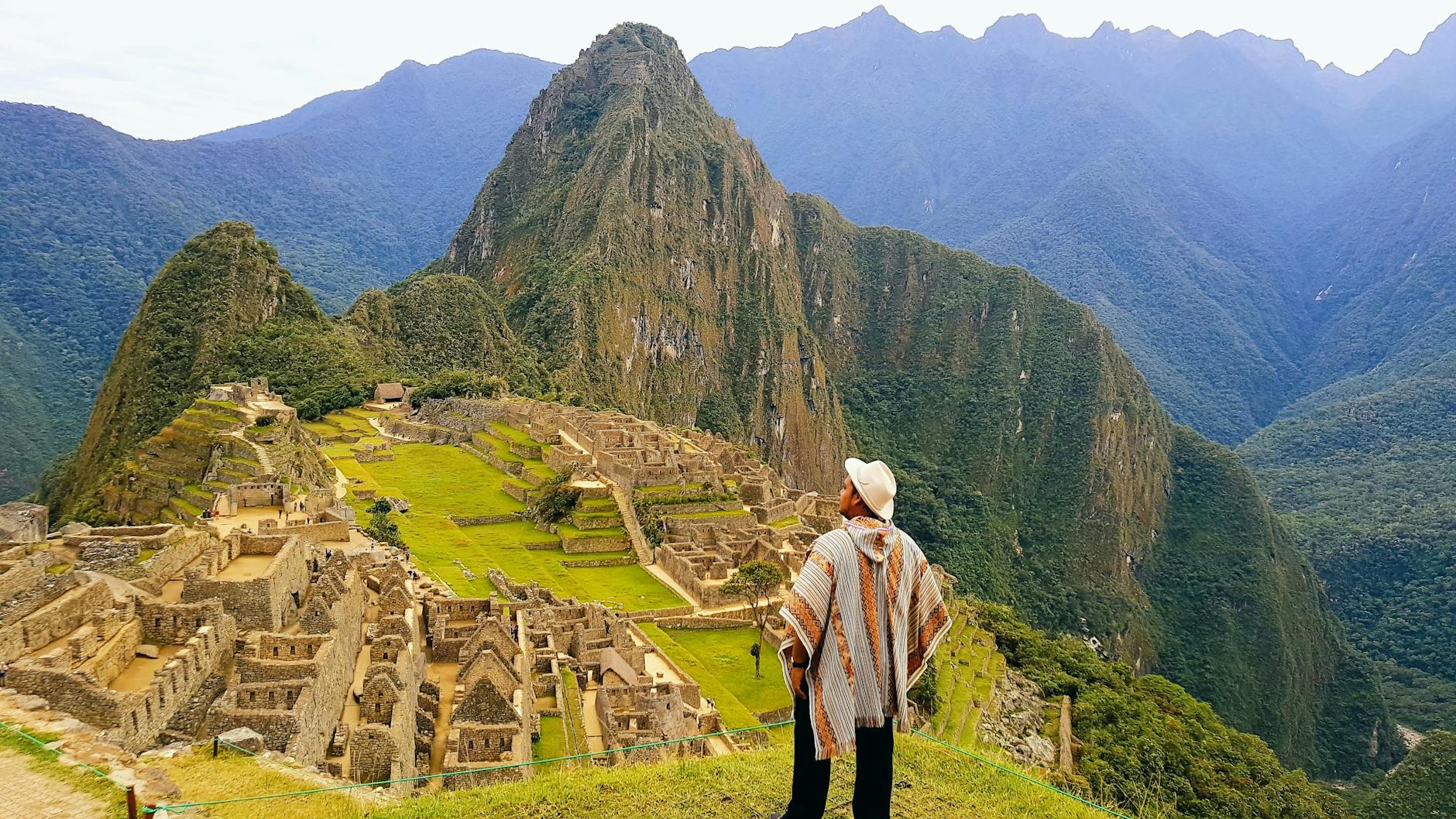
Cusco – Machu Pichu
Breakfast at the hotel. Transfer Poroy station or Ollantaytambo station, from where the trains due to AguasCalientes depart. After a 4-hour trip we will go to the bus station to reach the entry of the fabulous citadel of Machu Picchu after the 30 minute bus trip. Declared a UNESCO World Heritage Site and one of the Seven Wonders of the World, we will begin our tour of the citadel, admiring its steps, temples, sanctuaries and terraces. There is still no known explanation as to how the Incans could move 20 ton stones to the top of Machu Picchu, making this a uniquely beautiful and spiritual site in the world. Overnight stay at your hotel at Cusco.
Day 12
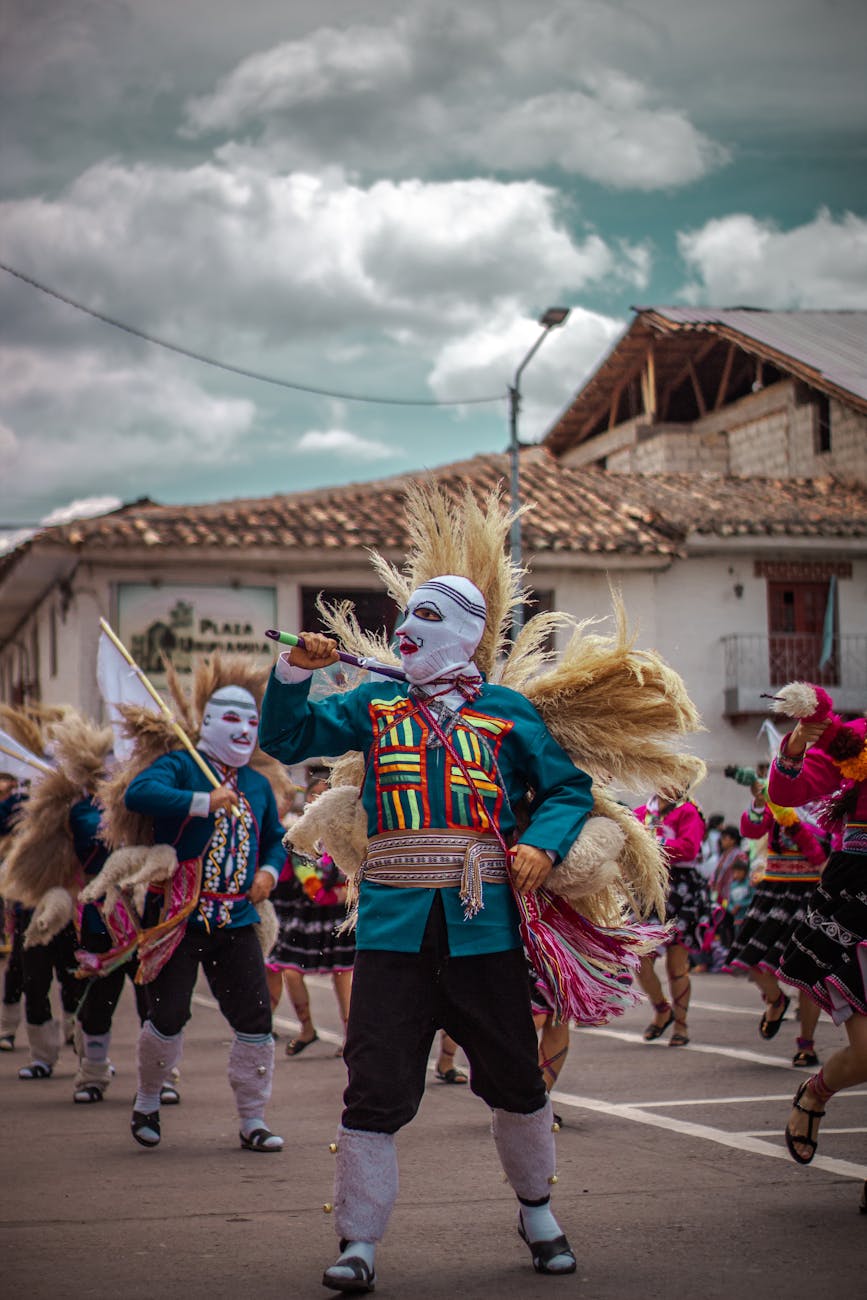
Cusco – Puno
Breakfast at the hotel. Transfer to the station. Bus travels along the Andes range, passing through picturesque villages up to the town of Juliaca. On route you will visit the town of Andahuaylillas and the ruins of Racchi. Lunch in a typical restaurant en route is included. Arrival to Puno bus station and transfer to Hotel. Overnight stay at your hotel at Puno.
Day 13
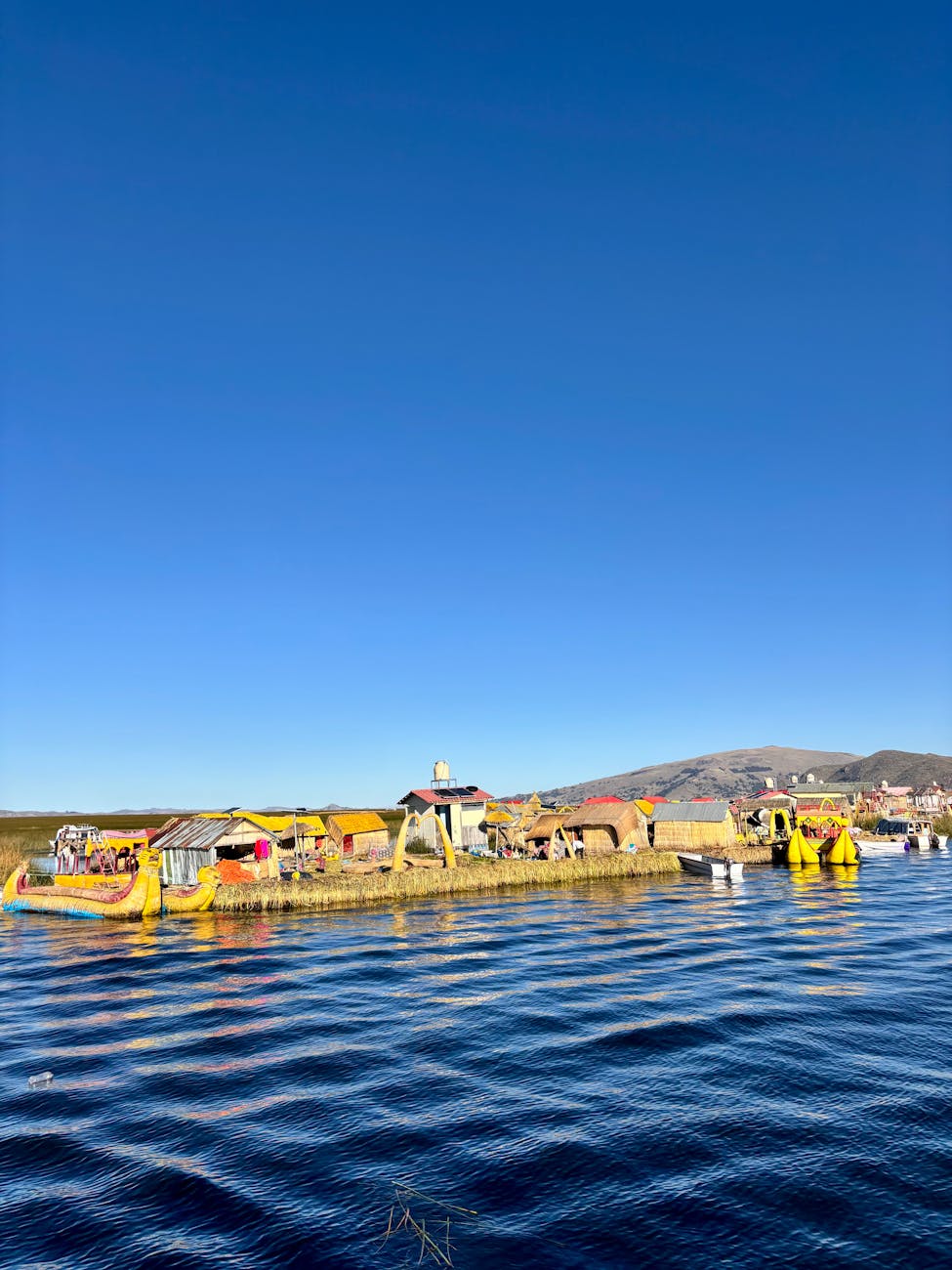
Puno – Uros Island
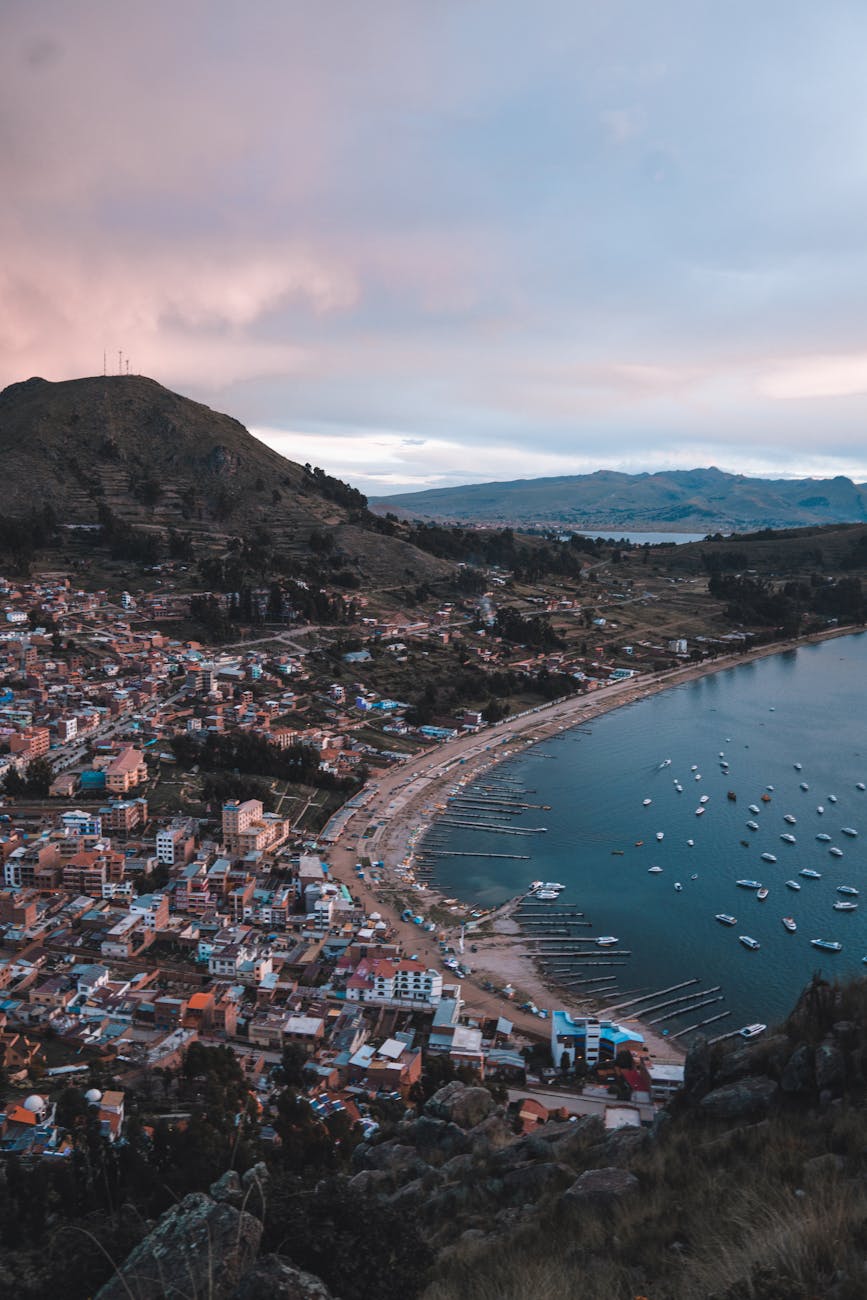
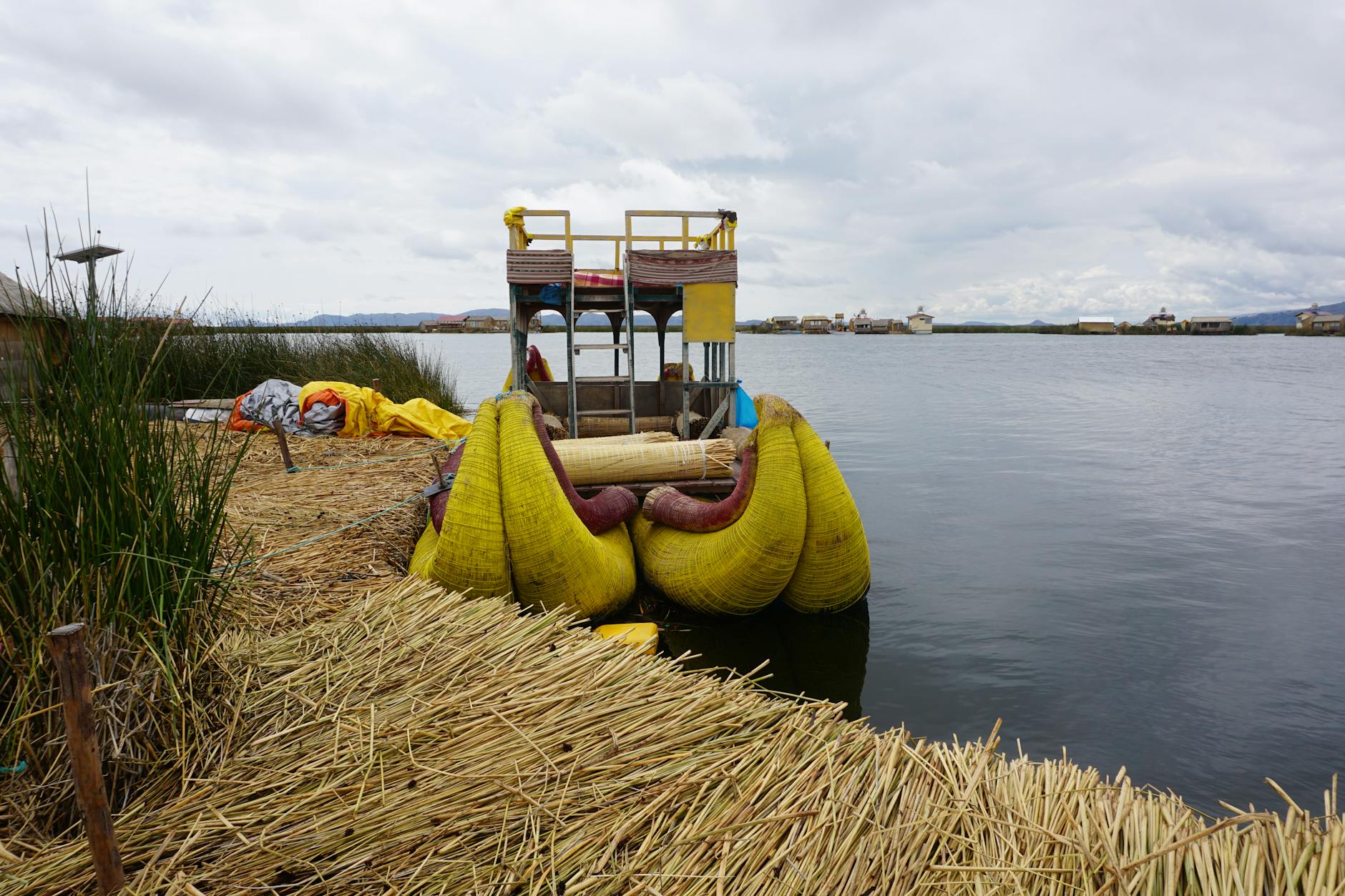
Breakfast at the hotel. Today visit to the Uros Islands. These islands are made of reeds, rising six meters above the lake level. They are anchored by logs and connected to each other by ropes. The main activities of the people who live here are fishing and handcrafting several items that they sell to visitors. Continue to Taquile Island which has two essential characteristics; its geography, offering a spectacular view from its hills, and its standing as a first-rate textile center. Taquileños live on their textile activities. This can easily be seen in the men walking about in rubber sandals ('ojotas' in quechua), wearing black pants, white flannel shirts and beautiful, finely woven chumpis (belts), covering their heads with finely knitted warm 'chullos' (caps with ear flaps). Overnight stay at your hotel at Puno.
Day 14
Depart Puno - Lima
Enjoy breakfast at the hotel. Later, check–out and transfer to the airport for your flight to onwards destination or back to India with memories which will last a life time. *** END OF TOUR *** Validity: Minimum 2 passengers traveling together. Validity September 30 2024. Not Valid for Groups, Congress Dates.
Where You'll Stay
Hand-Picked Hotels
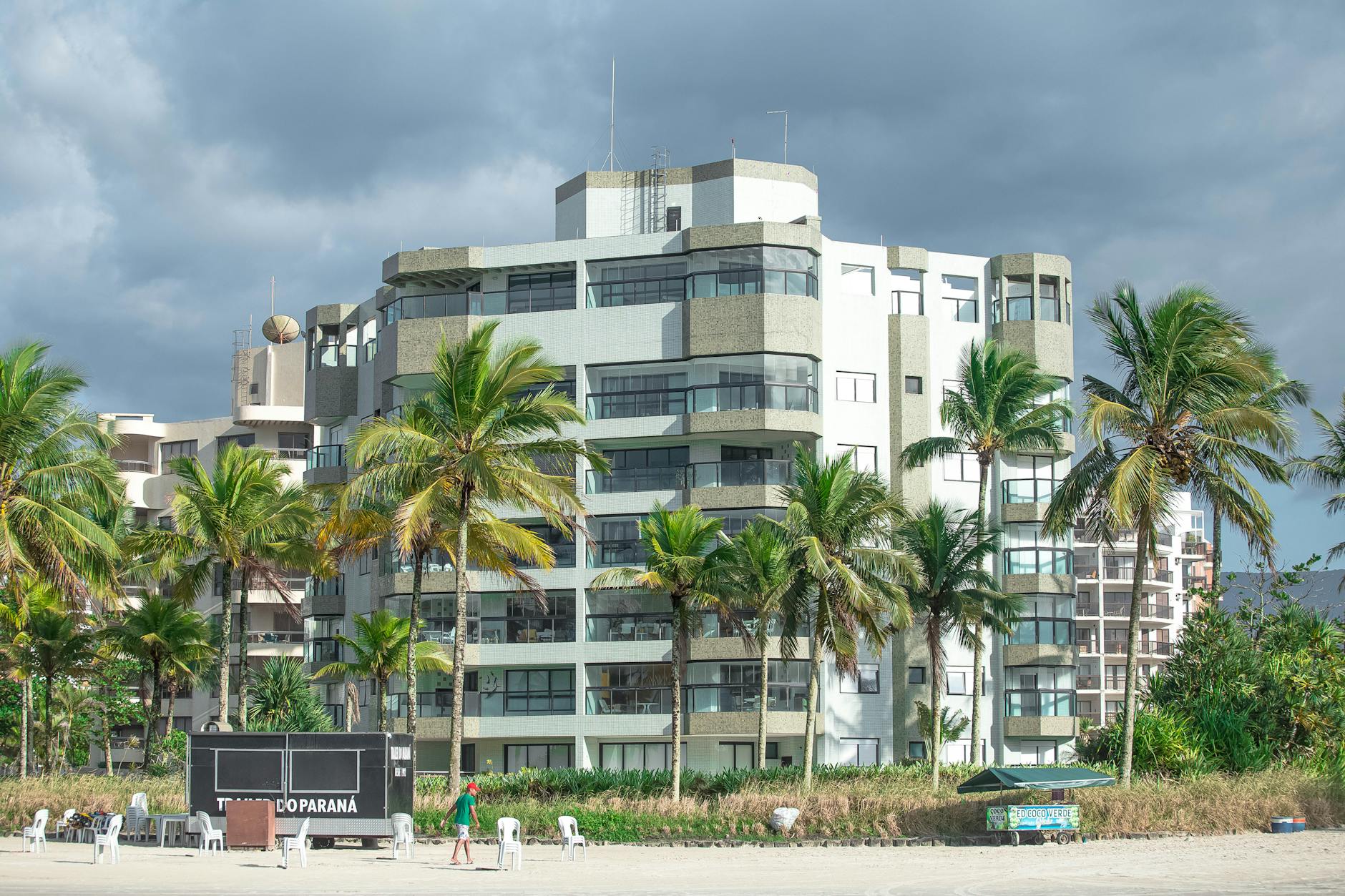
Rio de Janerio
Olinda
or Everest Rio, Othon Palace
Iguassu
Viale Tower
or Viale Cataras, Wish Resort
Buenos Aires
De Las Americas
or America Towers, Melia
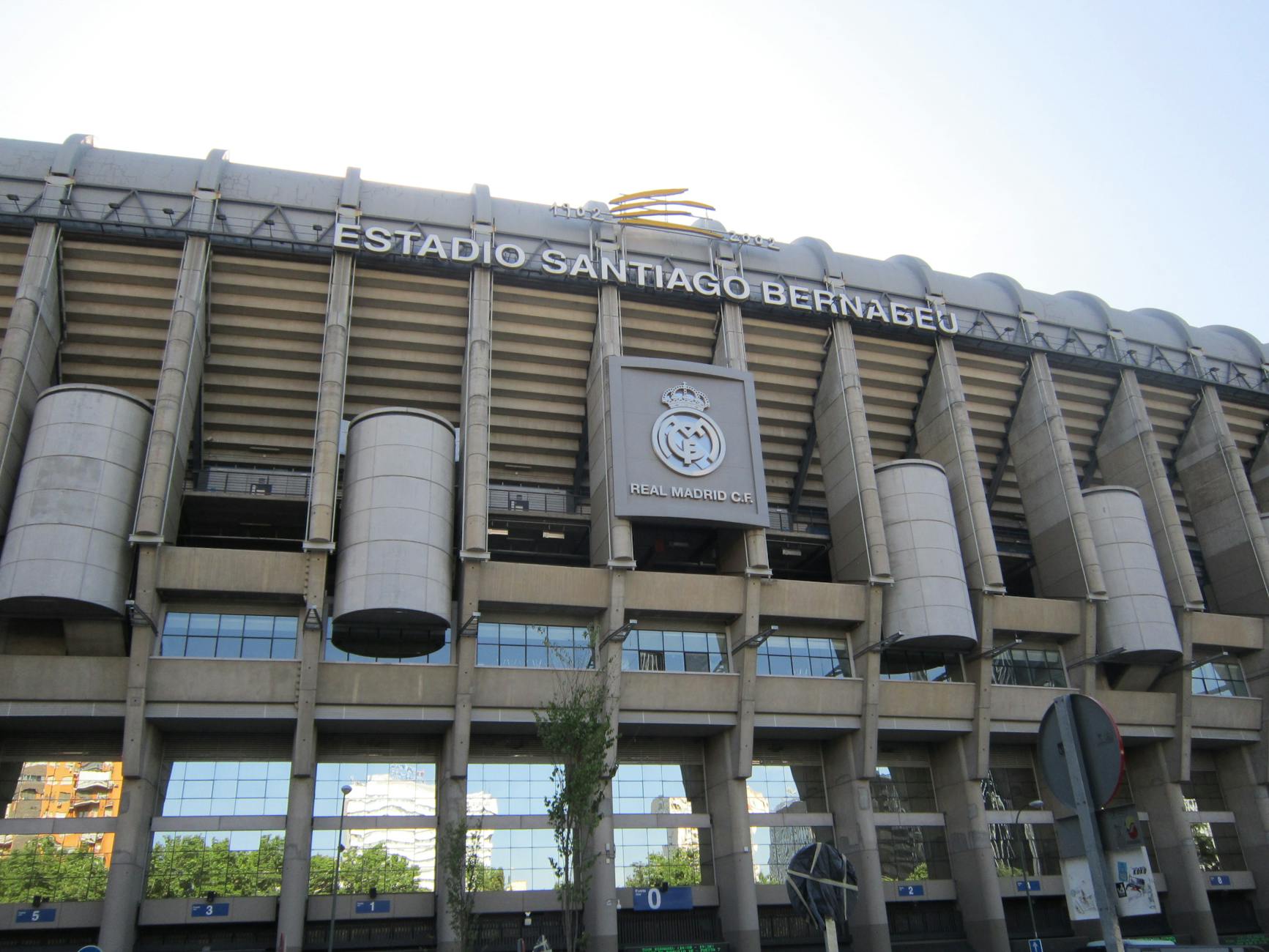
Santiago
Panamericana Providencia
or Crowne Plaza, Santiago
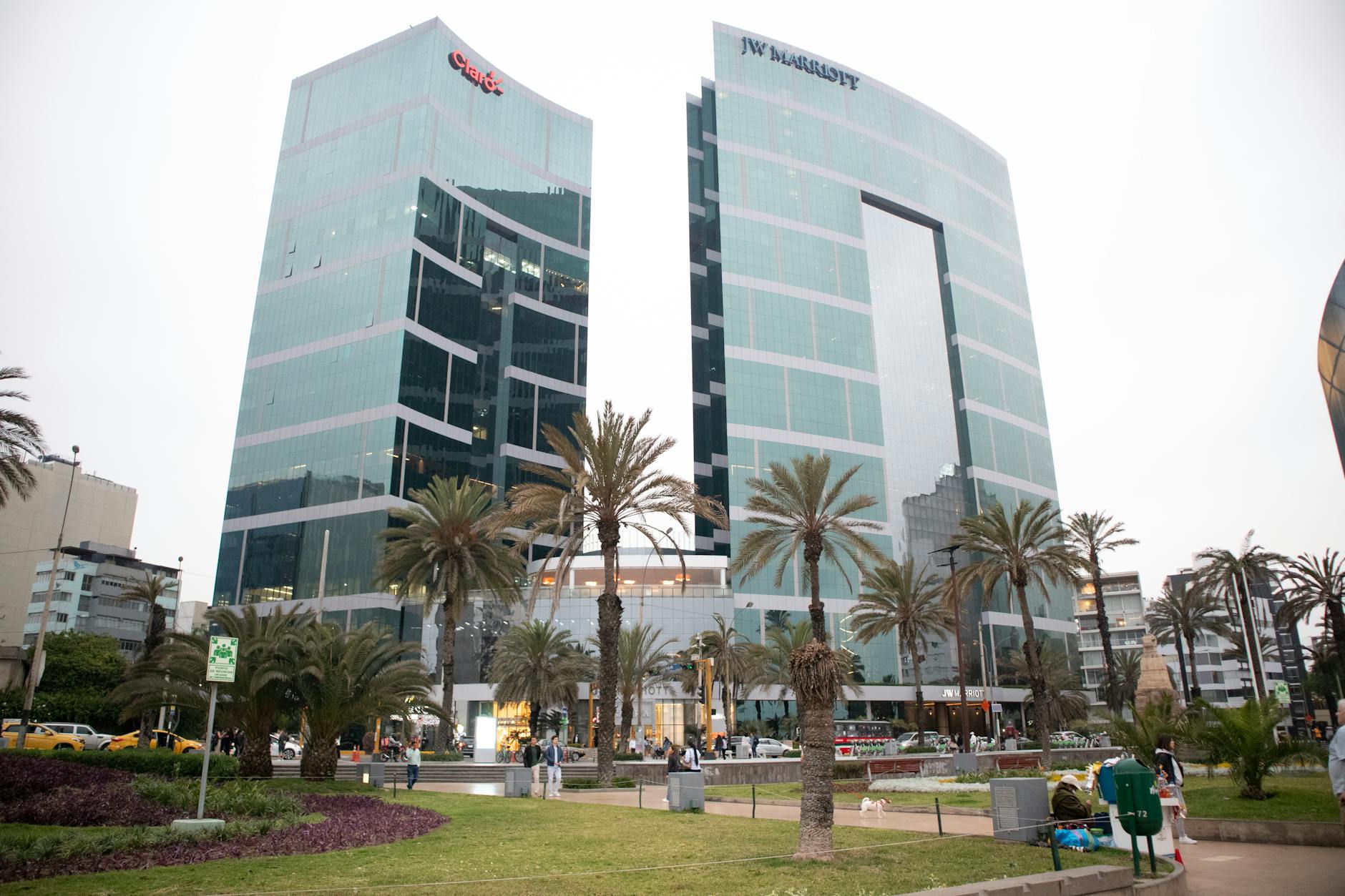
Lima
Allpa Hotel & Suites
or Jose Antonio Miraflores, Casa Andina Premium Miraflores
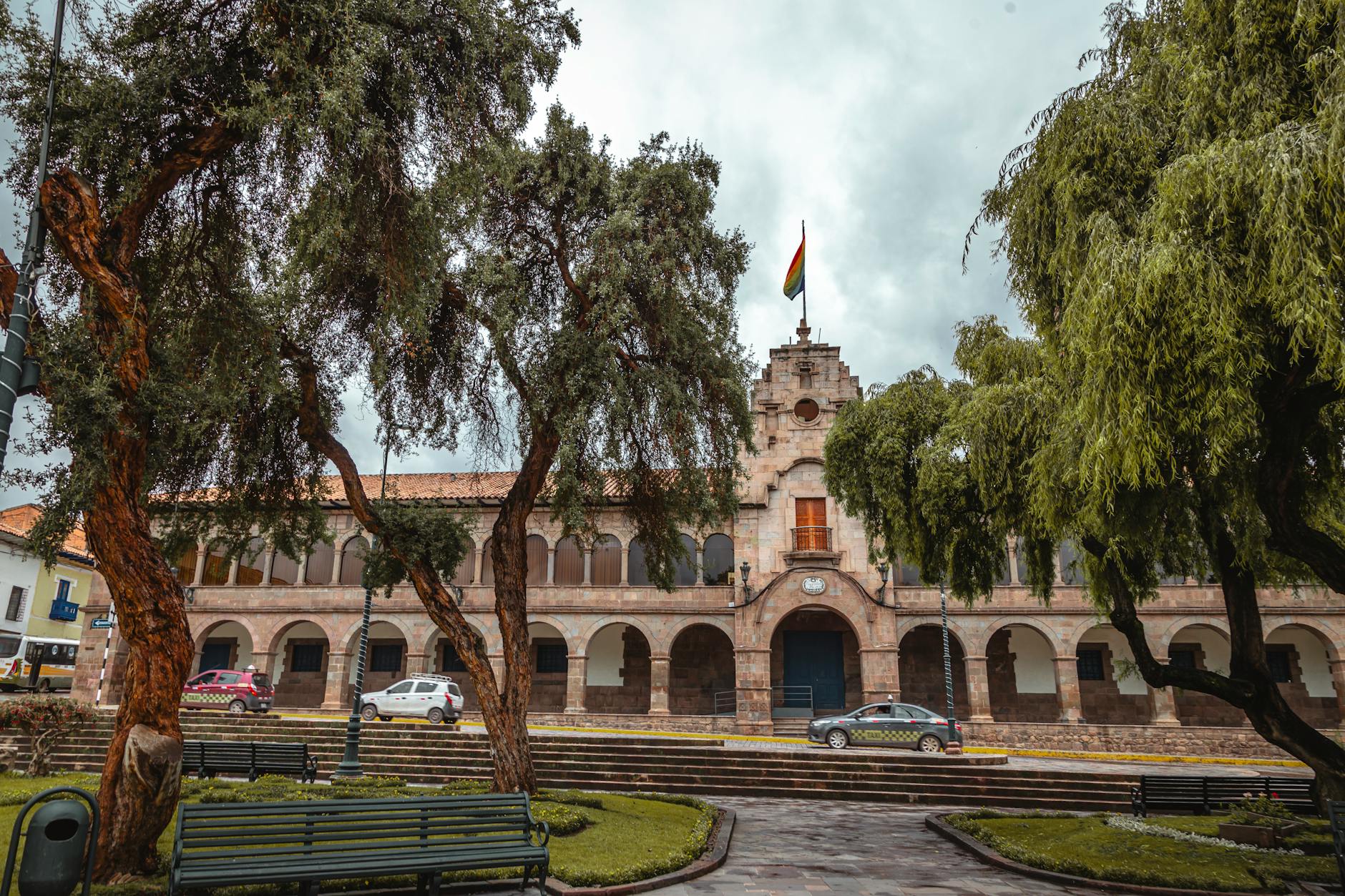
Cusco
Hilton Garden Inn Cusco
or Xima Cusco, Sueños Del Inka
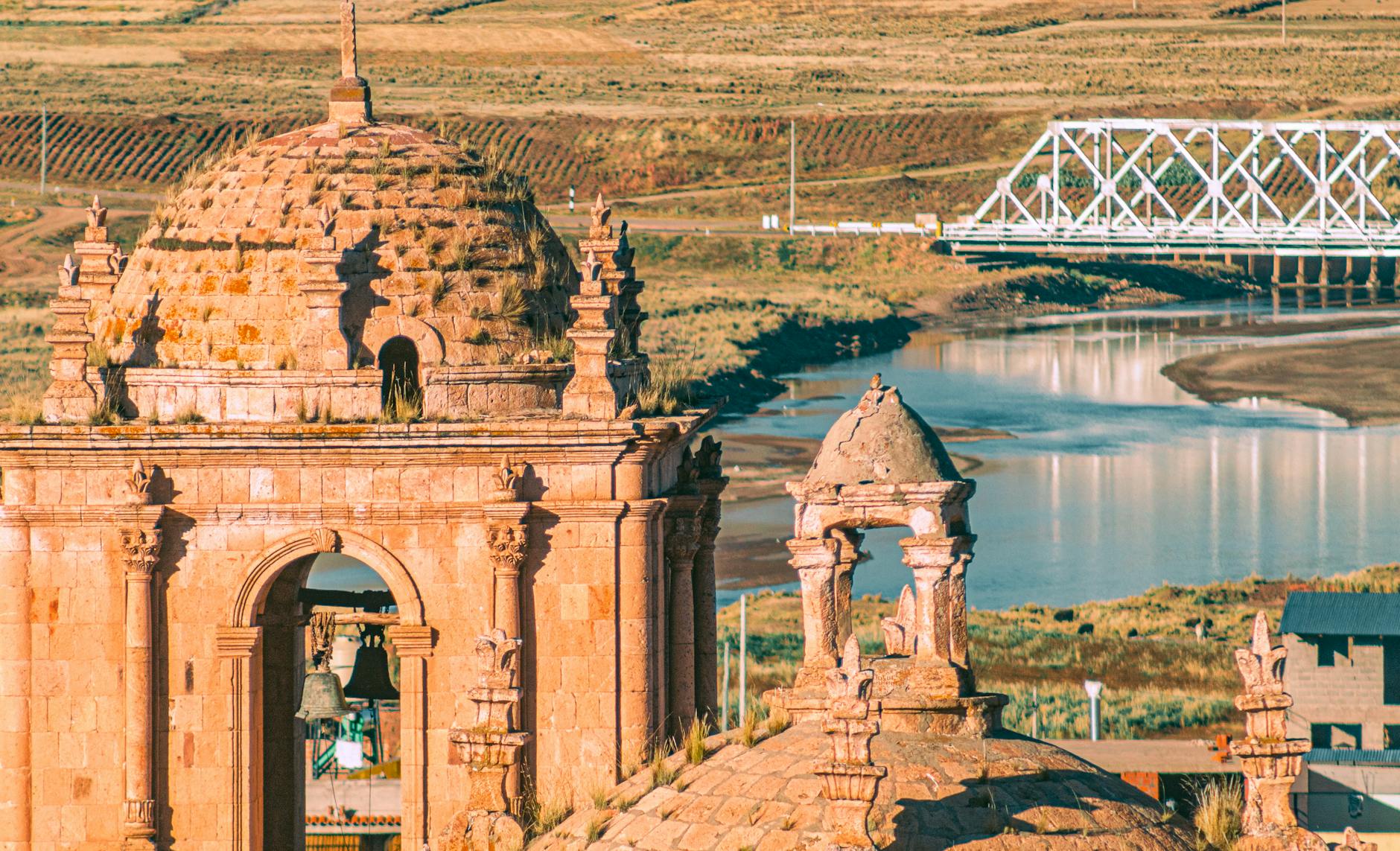
Puno
Xima Puno
or Jose Antonio, Casa Andina Premium Puno
Rio de Janerio
Olinda
or Everest Rio, Othon Palace
Iguassu
Viale Tower
or Viale Cataras, Wish Resort
Buenos Aires
De Las Americas
or America Towers, Melia
Santiago
Panamericana Providencia
or Crowne Plaza, Santiago
Lima
Allpa Hotel & Suites
or Jose Antonio Miraflores, Casa Andina Premium Miraflores
Cusco
Hilton Garden Inn Cusco
or Xima Cusco, Sueños Del Inka
Puno
Xima Puno
or Jose Antonio, Casa Andina Premium Puno
Honestly
Things most travel sites won't tell you.
On-the-ground details your designer wishes every guest knew before they landed.
Things to Look Out For
The seasons are upside down
Brazil is south of the equator, so the calendar flips: the European summer, June to August, is the Brazilian winter. Dry, cooler, and the best window for Rio and the south. December to February is the hot, humid, rainy peak when Carnival lands and the prices spike. If you want the beaches without the downpours, come in the middle of the year.
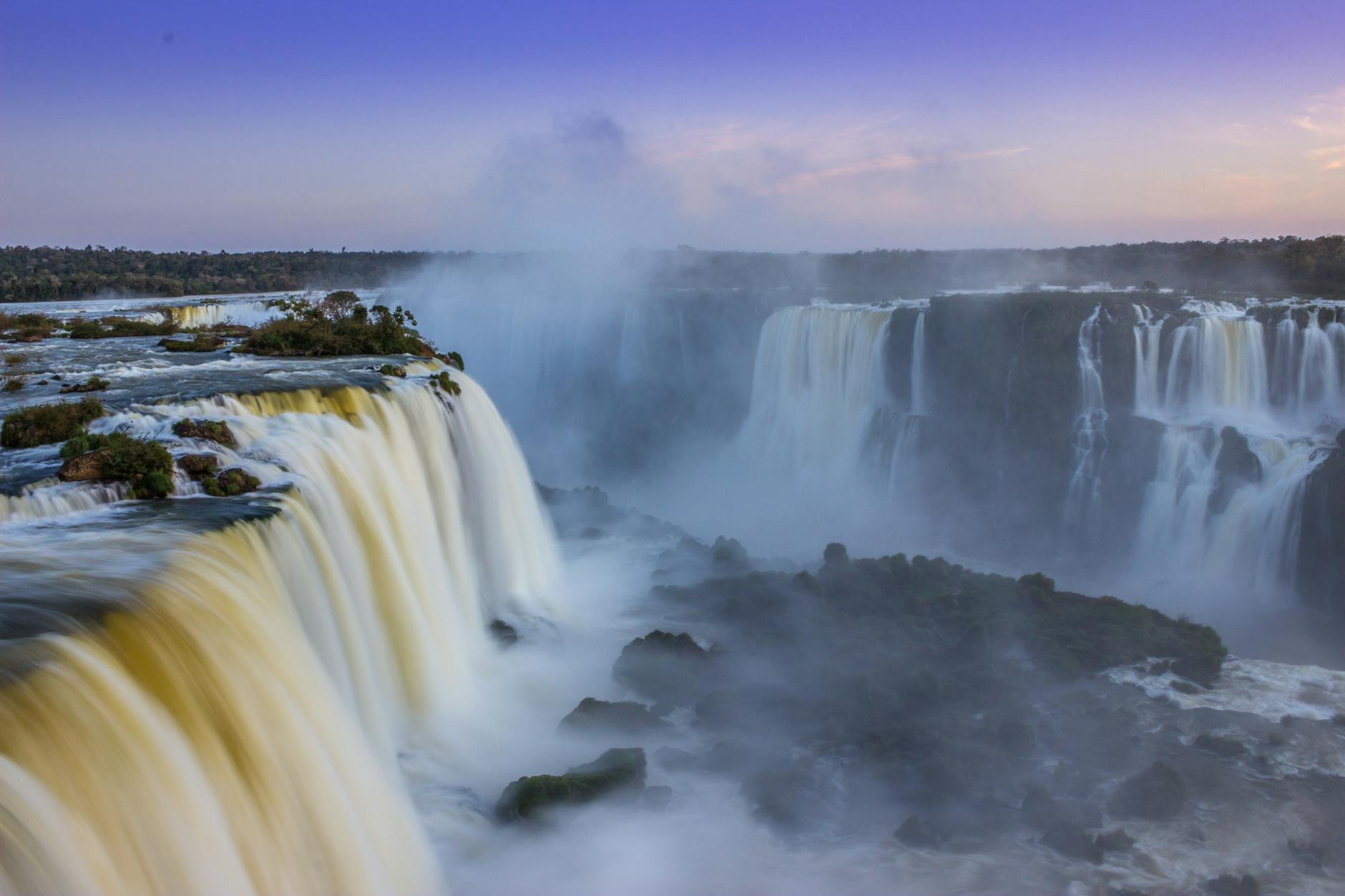
Do both sides of Iguaçu
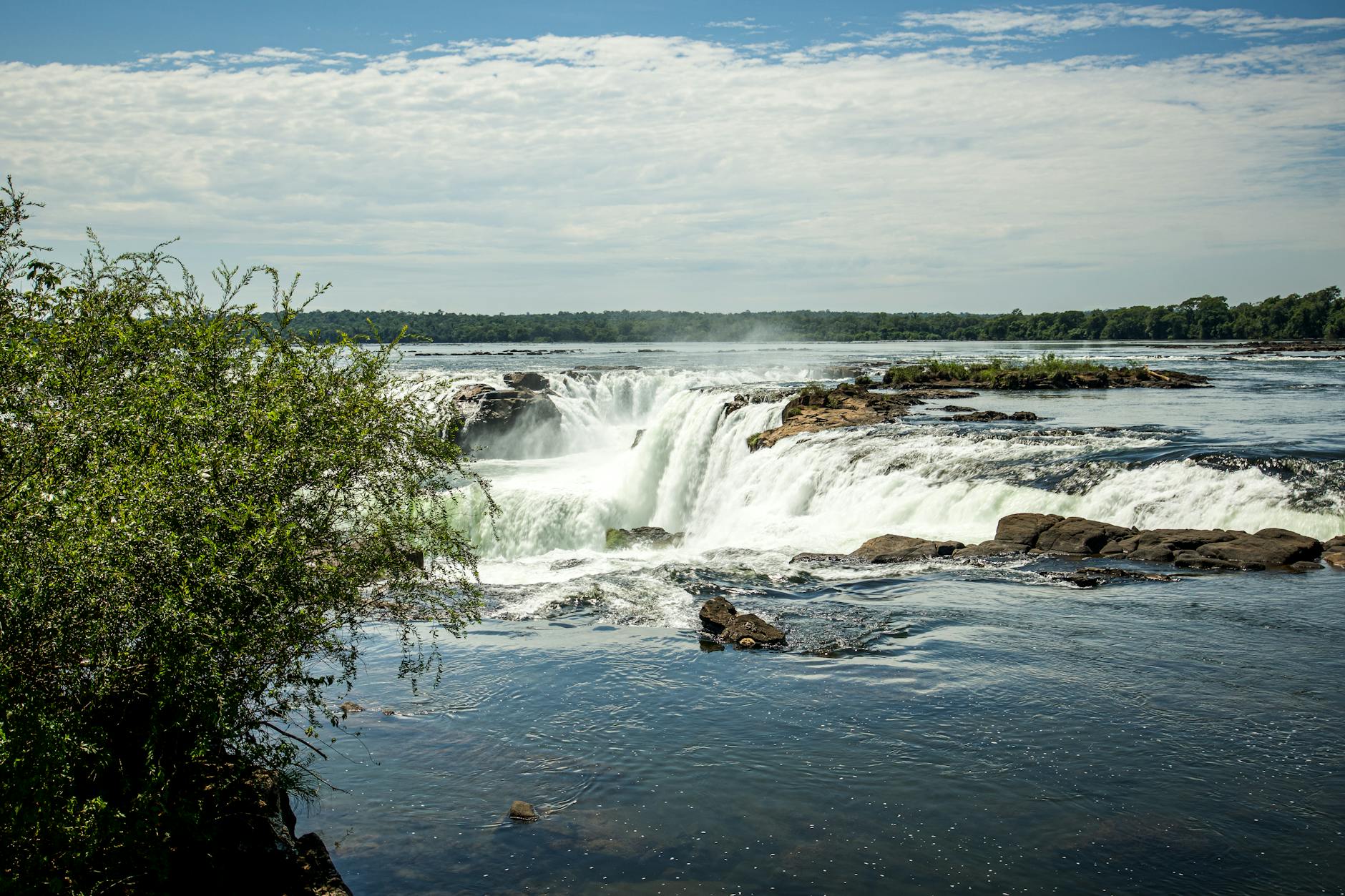
The falls straddle the Brazil–Argentina border and the two sides show you different things. The Brazilian side gives the wide panorama. You take it in across the gorge in an afternoon. The Argentine side puts you on catwalks right over the Devil's Throat, in the spray, and needs the better part of a day. Skip one and you've seen half the falls.
It's Portuguese, not Spanish
Everyone assumes Spanish and the Brazilians find it tiring. The language is Portuguese, and even basic Spanish gets a polite correction. A handful of words (obrigado, bom dia, quanto custa) goes a long way, and English is thin outside the hotels. Outside Rio and São Paulo, carry the address written down for taxis.
- №1
The seasons are upside down
Brazil is south of the equator, so the calendar flips: the European summer, June to August, is the Brazilian winter. Dry, cooler, and the best window for Rio and the south. December to February is the hot, humid, rainy peak when Carnival lands and the prices spike. If you want the beaches without the downpours, come in the middle of the year.
- №2
Do both sides of Iguaçu
The falls straddle the Brazil–Argentina border and the two sides show you different things. The Brazilian side gives the wide panorama. You take it in across the gorge in an afternoon. The Argentine side puts you on catwalks right over the Devil's Throat, in the spray, and needs the better part of a day. Skip one and you've seen half the falls.
- №3
It's Portuguese, not Spanish
Everyone assumes Spanish and the Brazilians find it tiring. The language is Portuguese, and even basic Spanish gets a polite correction. A handful of words (obrigado, bom dia, quanto custa) goes a long way, and English is thin outside the hotels. Outside Rio and São Paulo, carry the address written down for taxis.
The Details
What's Included
Included
- Accommodation in the hotels mentioned below.
- Daily breakfast at the hotel except for Day 1.
- Entrance Fees for all excursions.
- In Category 3* and 4* quoted with train Expedition and lunch in local restaurant in Aguas Calientes Machu Picchu
- In category 5* quoted with train Vistadome and Lunch in Belmond Sanctuary Lodge Machu Picchu
Not Included
- 5% Government Service Tax is applicable additional on total invoice.
- 5% / 20% Tax Collected at Source (TCS) - claimable
- Airfare and Airport Taxes
Plan Your Timing
When to Go
Brazil runs on the southern calendar, so the windows are inverted. April to September is the dry, cooler season and the soundest time to travel. Rio and the south are at their clearest, and the Amazon basin sits at its lowest water. October cools off the heat before the rains return. November to March is the hot, humid summer: Carnival, full beaches and afternoon downpours, spectacular but crowded and pricey. The far north and the Amazon keep their own rhythm.
Your Memoir
Here's how you'll remember it.
Vol. 2, A Tibro memoir, printed on archival paper, shipped after you return.
Enquire
Start the conversation.
Tell us your dates and preferences. A Tibro travel designer will respond within 24 hours.