Cold Desert
Best for
Adventure Travelers, Photographers
Duration
8 Nights / 9 Days
Season
June–September
Difficulty
Easy
Vibe
Adventure, Scenic
Cold Desert
8 Nights / 9 Days, 5 cities, From ₹48,515
per person, twin sharing
A Tibro Journey
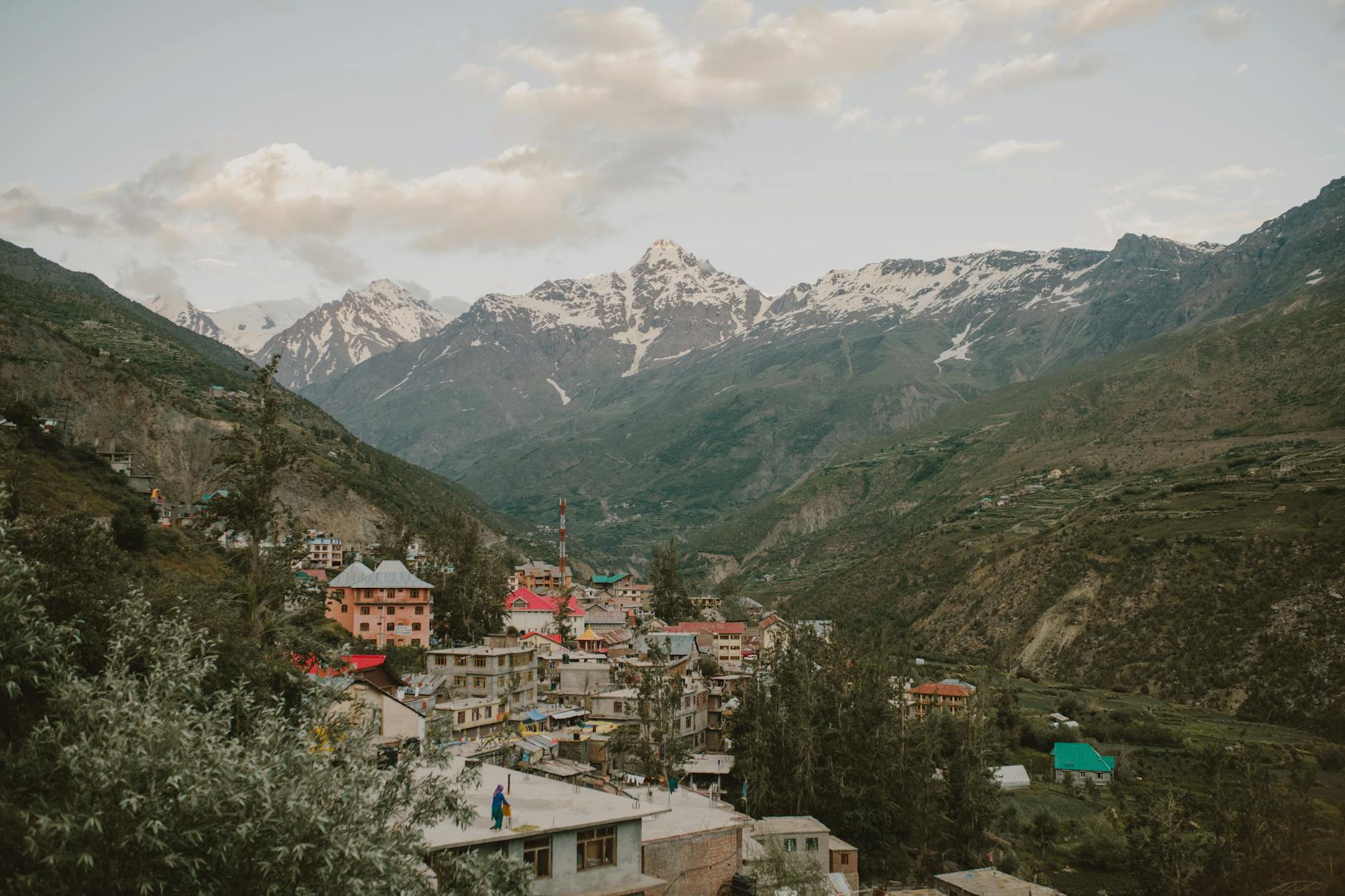
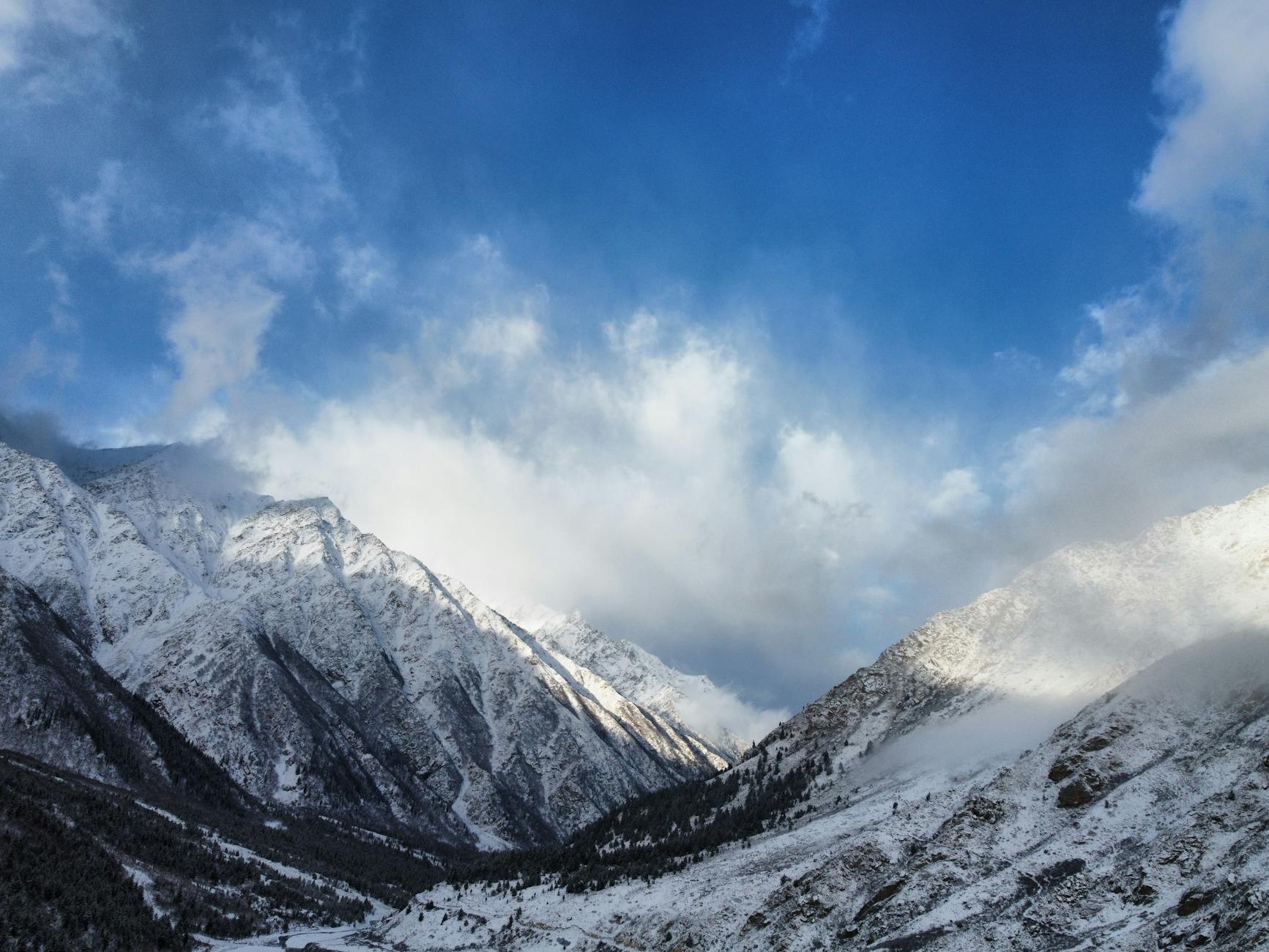
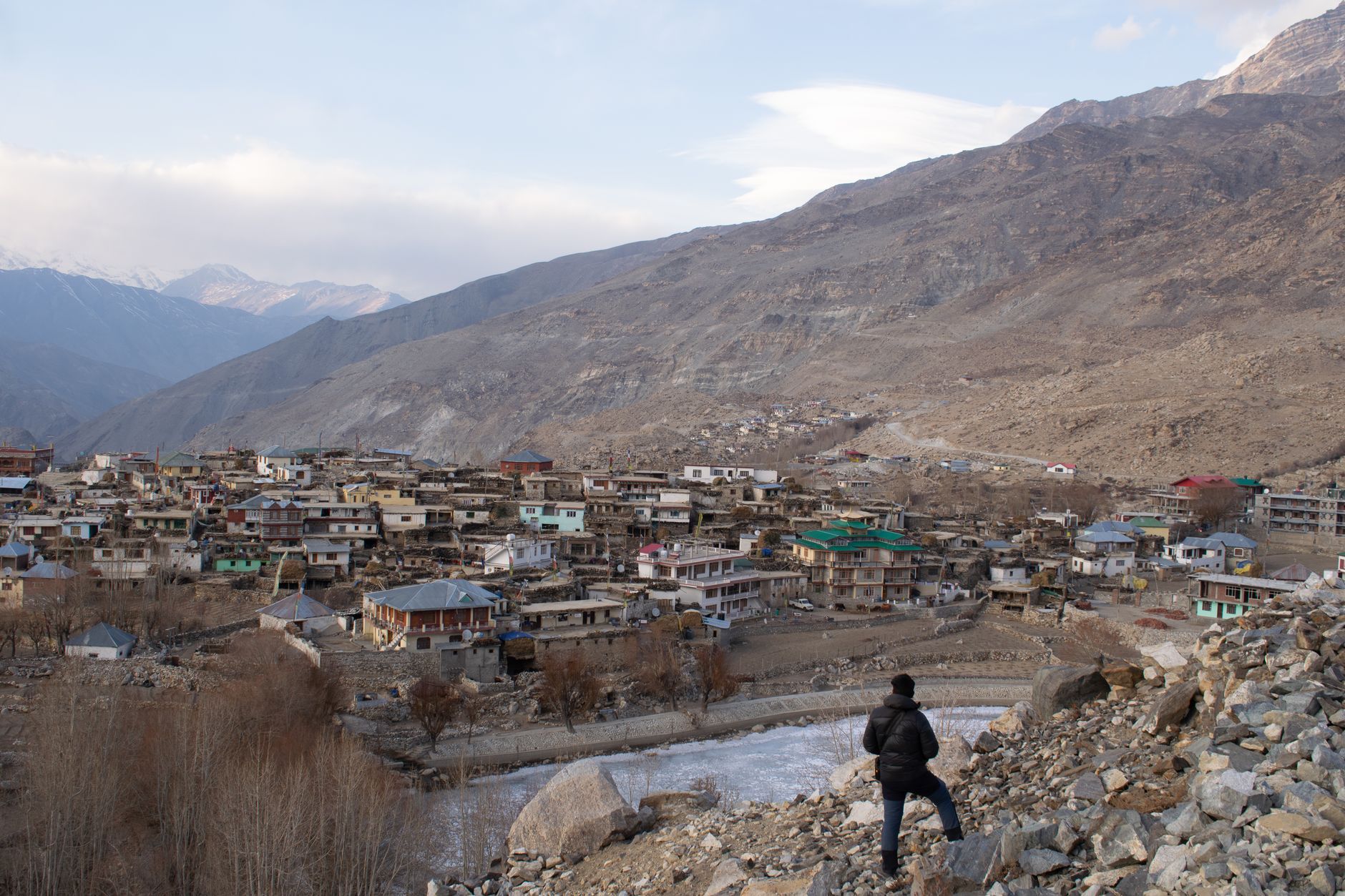
Eight nights across the cold-desert ring road. Shimla up through Sangla and Chitkul, Tabo's clay monastery, Kaza's villages above 4,000 metres, Kalpa under Kinner Kailash, and back down.
Spiti Valley. The Cold Desert is a adventure journey through Shimla, Narkanda, Chitkul, Kaza, Manali. 8 nights / 9 days that moves through Shimla, Narkanda, Chitkul with private transport, hand-selected hotels, and a dedicated Tibro travel designer at every step.
Signature Moments
Three Mornings You'll Remember
No. 01
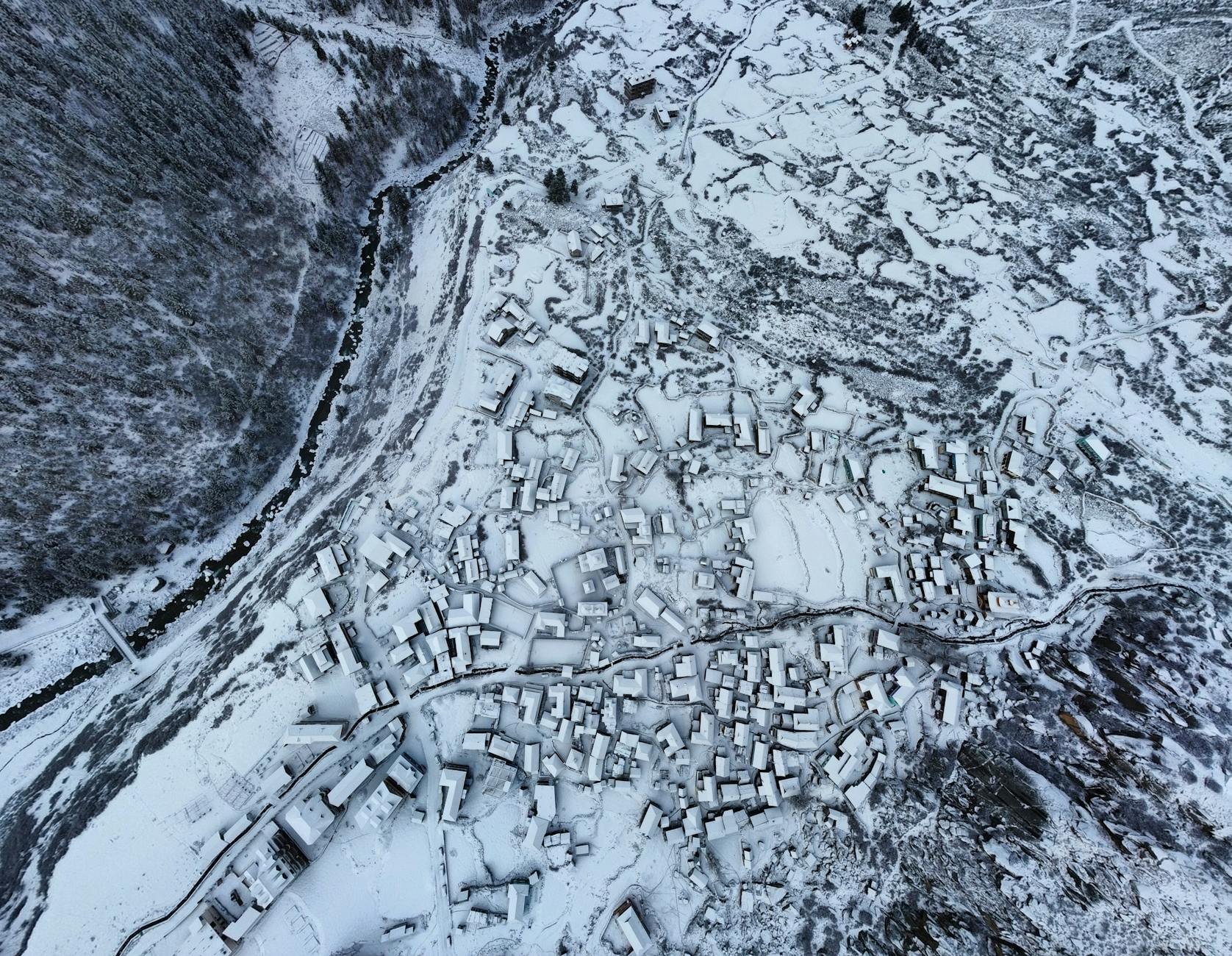
Chitkul Village
The last inhabited village on the Indo-Tibetan border.
No. 02
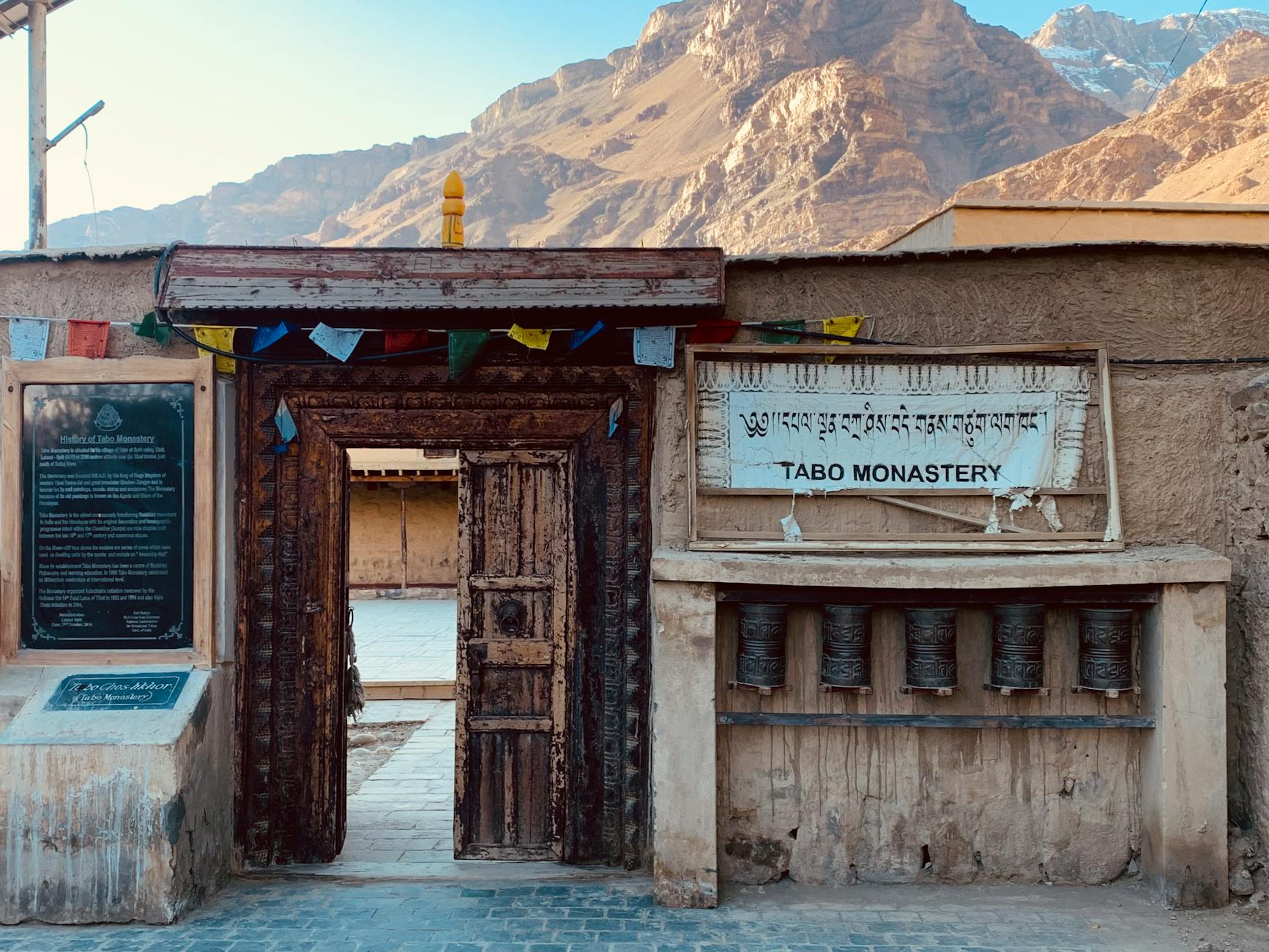
Tabo Monastery
A thousand-year-old monastery called the Ajanta of the Himalayas.
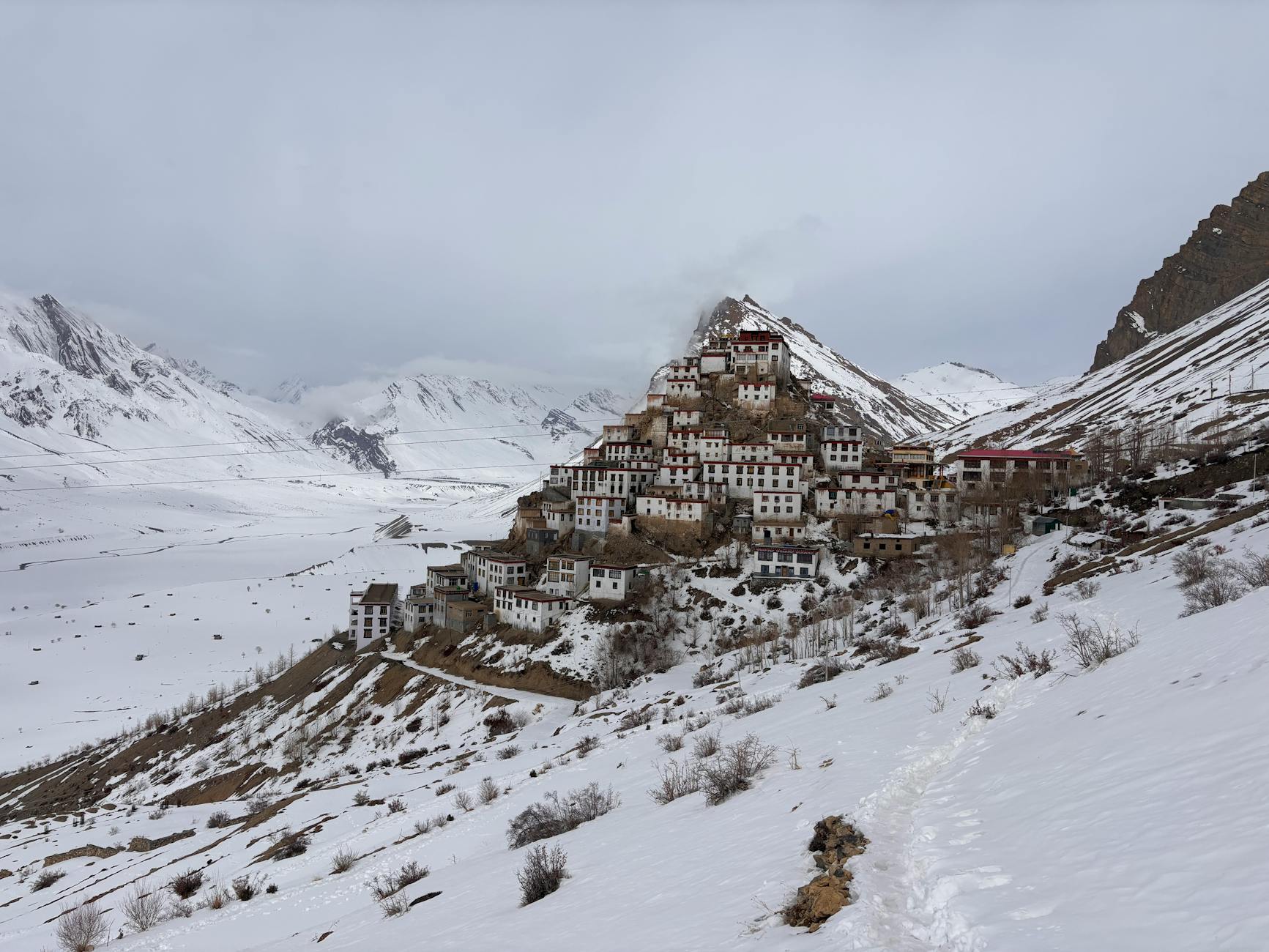
No. 03
Key Monastery & Kaza
Spiti's iconic hilltop monastery and the valley's hub.
No. 01
Chitkul Village
The last inhabited village on the Indo-Tibetan border.
No. 02
Tabo Monastery
A thousand-year-old monastery called the Ajanta of the Himalayas.
No. 03
Key Monastery & Kaza
Spiti's iconic hilltop monastery and the valley's hub.
Day by Day
8 Nights / 9 Days, in order
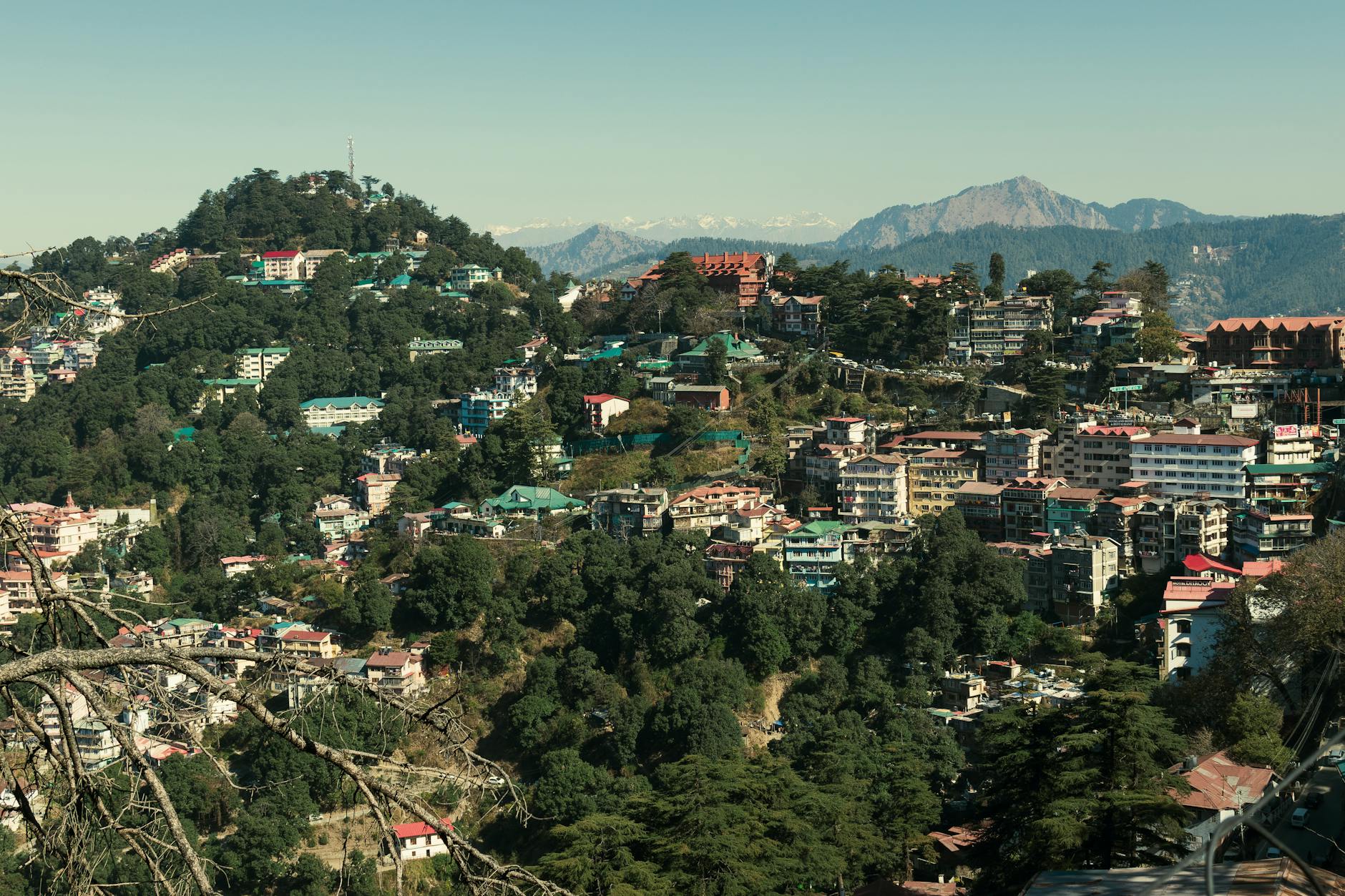
Day 1
Arrive at Chandigarh & Proceed to Shimla
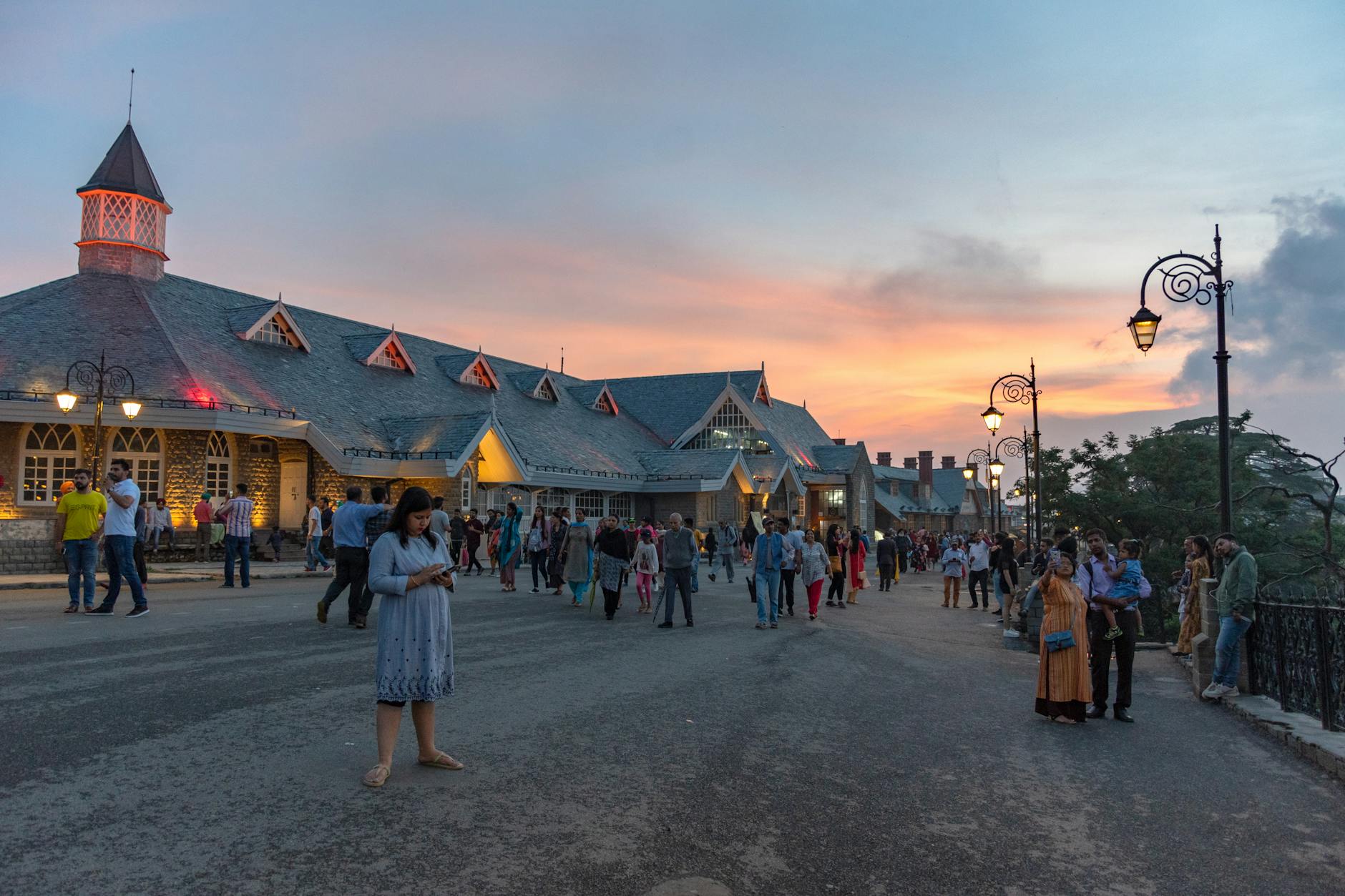
Upon arrival at Chandigarh Airport, we drive to Shimla, the capital of Himachal Pradesh. This beautiful hill resort was the erstwhile summer capital of the British. It is one of the top tourist destinations in India owing to its mild climate, meandering streets and snow-clad mountains. Often referred to as the 'Queen of Hill Stations’, Shimla is perched at a height of around 2000 meters above sea level. Besides its natural beauty, what attracts hordes of tourists to this place is the opportunity to indulge in various adventure activities, such as trekking, mountaineering, and skiing. Once you reach Shimla, complete the check-in formalities at the hotel and take some rest. Stay overnight at the hotel.
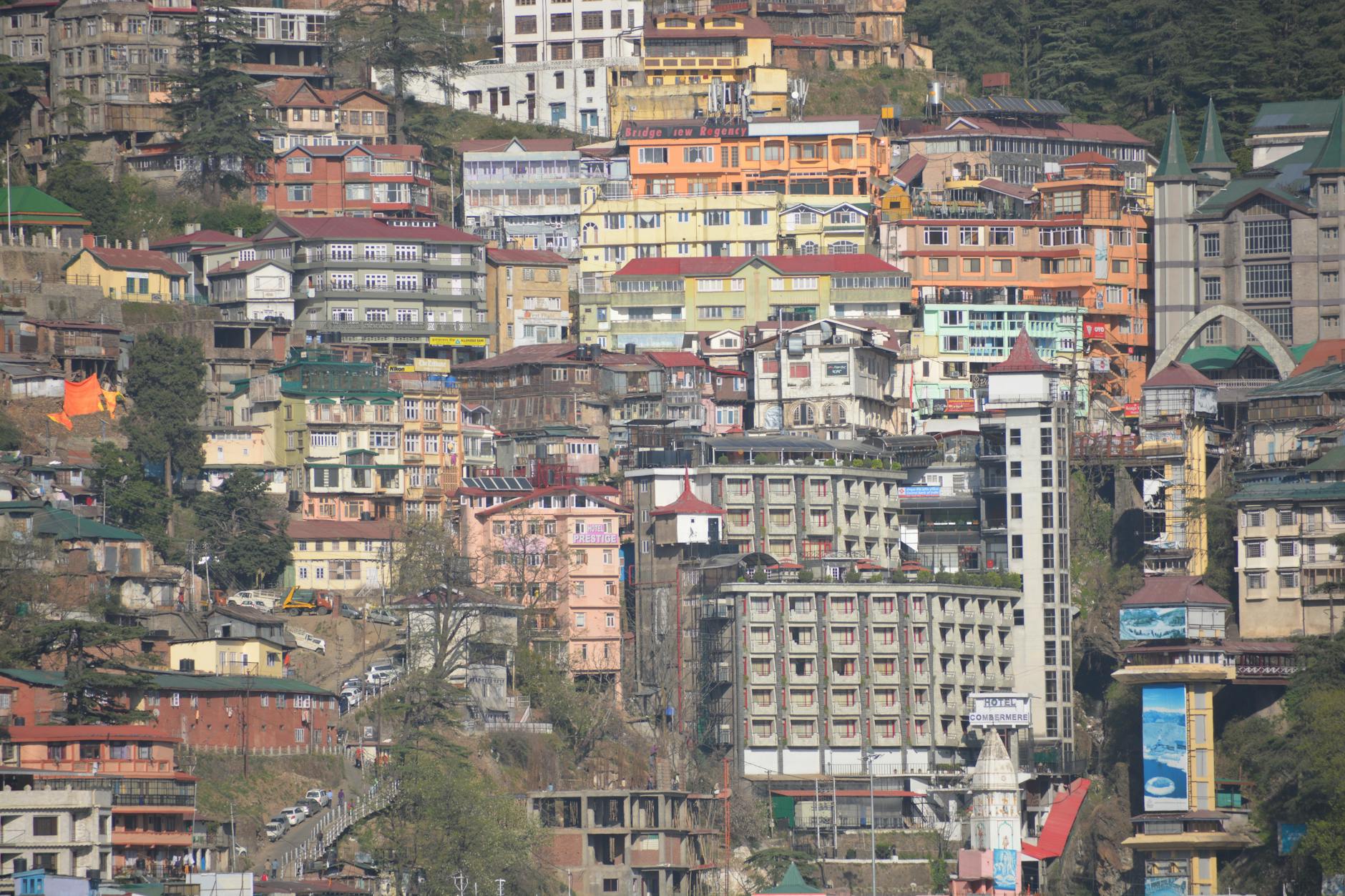
Day 2
Shimla to Sangla
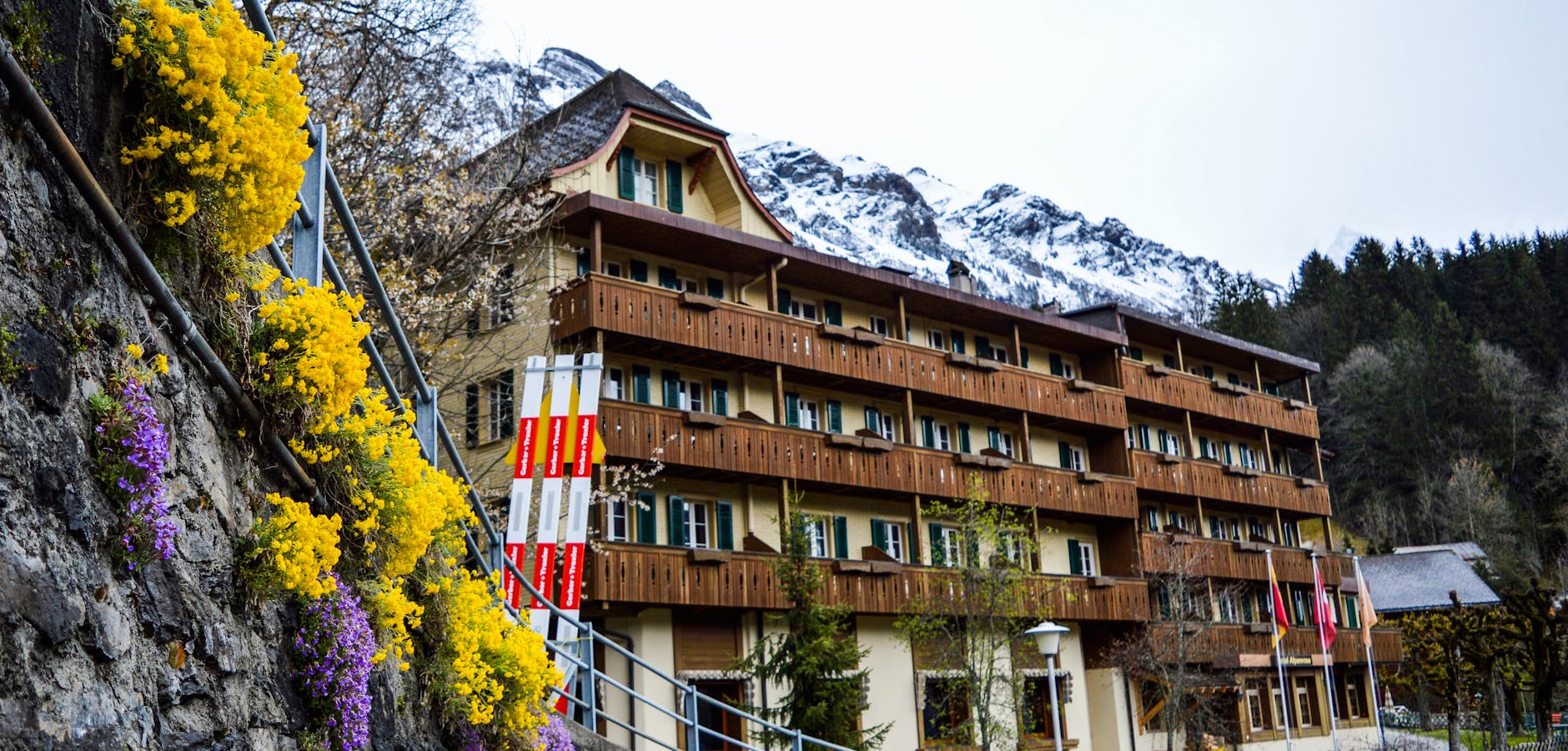
Drive to Sangla through the thick woods of Kufri, Fagu and Narkanda and alongside the River Sutlej to arrive in the evening and check in to hotel. Enjoy the evening in beautiful surroundings in the river valley of Baspa at a height of 9000ft. This is one of the most beautiful valleys in the Himalayas and is often compared to the famous valley of Kashmir. Known for its rich Kinnauri culture and apple orchards, this valley was opened for tourists only in 1993 for its close proximity to the Tibetien border. Stay overnight at the hotel.
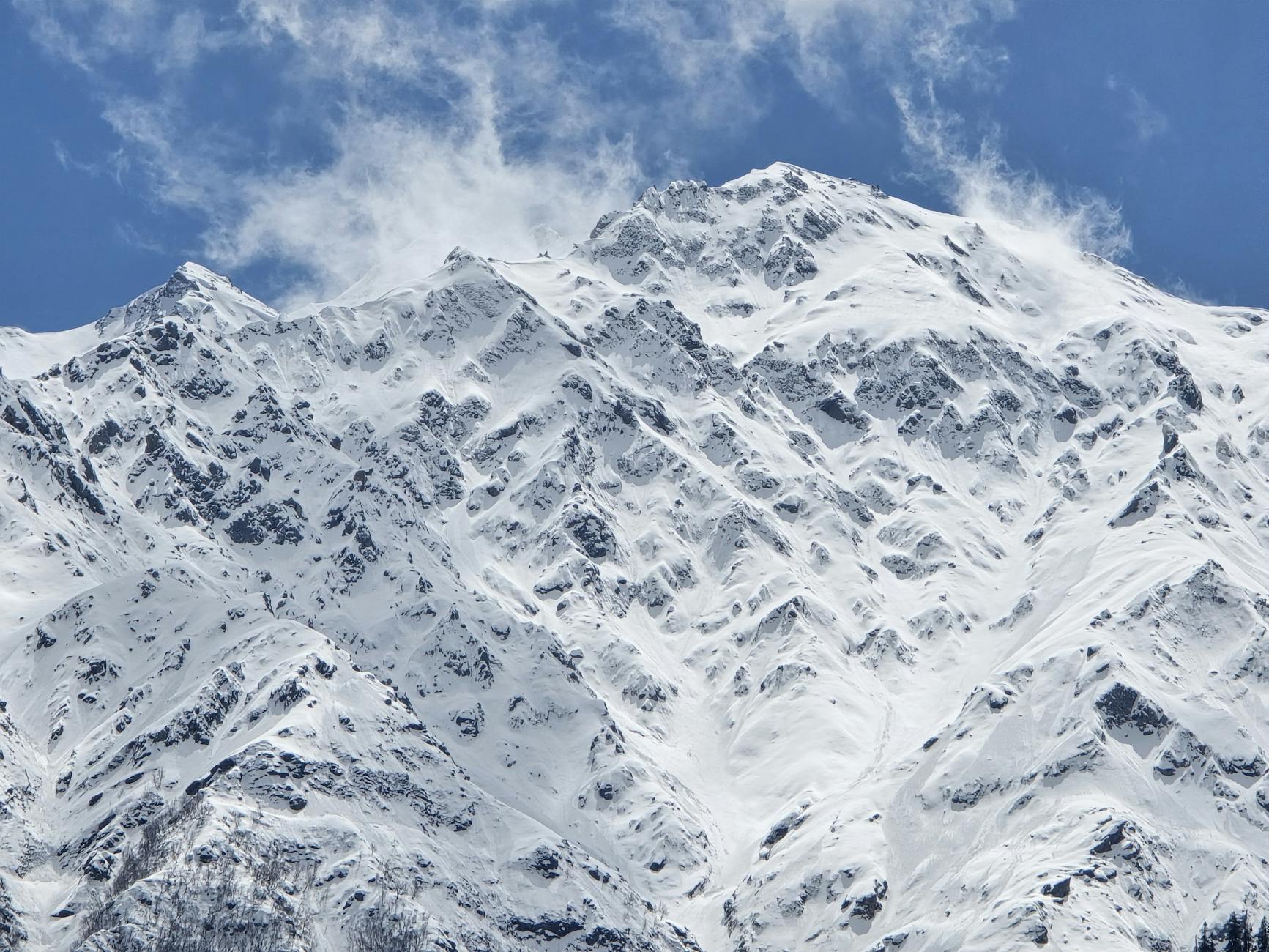
Day 3
Sangla- Chhitkul- Sangla
After breakfast, explore the vicinity around including an ancient Kamru Fort & Temple dedicated to the Goddess Kamakhya Devi which was brought from Assam. Post Lunch, excursion to Chitkul – a last Village on Old Indo – Tibetan Trade Route. Walk through green orchards & brilliant stream. Return back to Sangla. Stay overnight at the hotel.
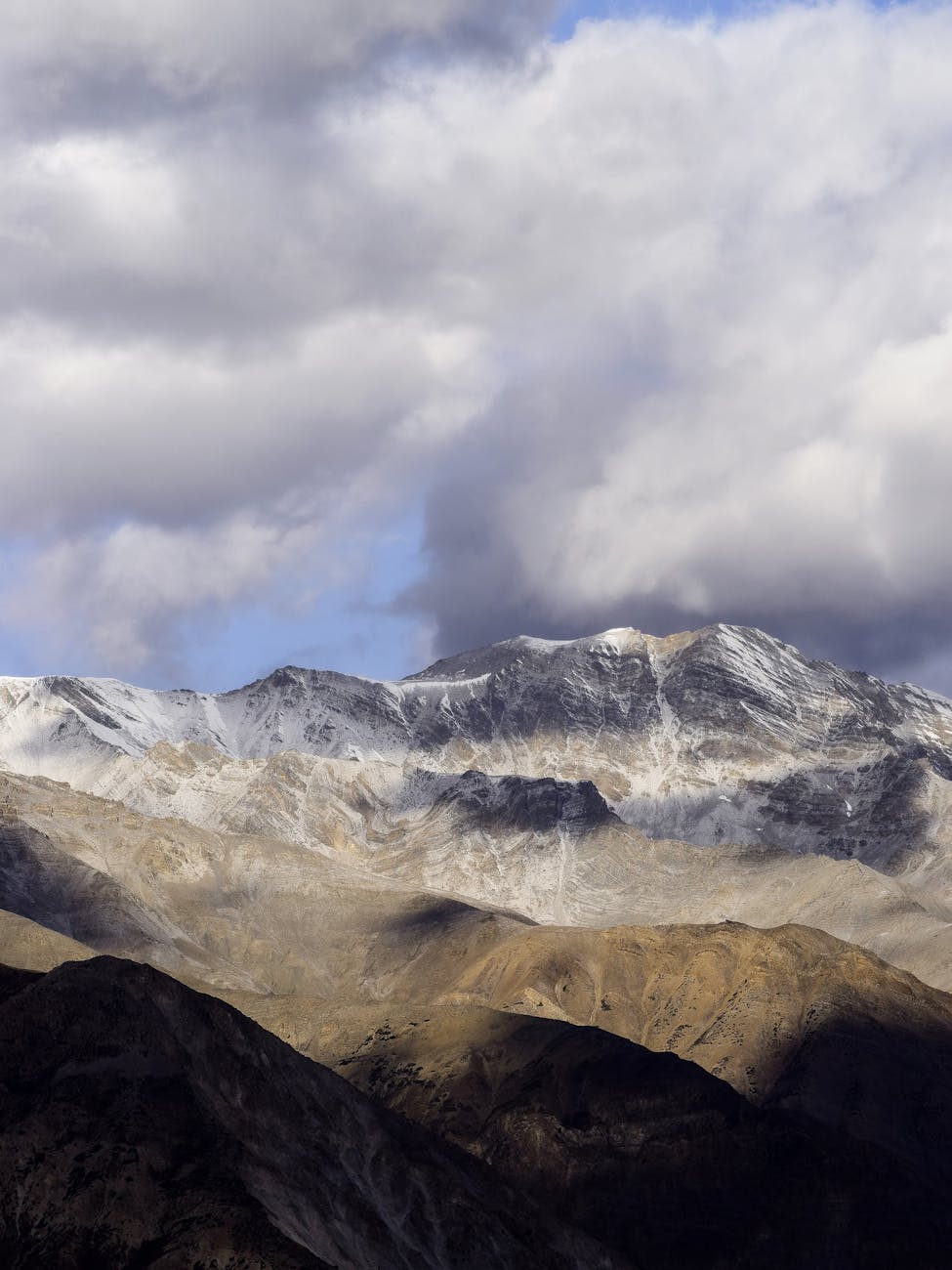
Day 4
Sangla - Nako - Tabo
After breakfast, drive to Tabo via Nako, famous for its frozen lake and Padmasambhava Temple. On the way, visit the 500-year-old mummy village before reaching Tabo for an overnight stay. Nako: A scenic Himalayan village known for its serene Nako Lake, which freezes in winter, becoming an ice hockey ground; also home to the Padmasambhava Temple, linked to the second incarnation of Lord Buddha. Giu Mummy: -A fascinating stop where you can see the preserved remains of a naturally mummified Buddhist monk, considered sacred and believed to bless visitors. Tabo: -Famous for the ancient Tabo Monastery, a UNESCO-listed site often called the “Ajanta of the Himalayas,” with beautiful murals, frescoes, and centuries-old Buddhist art.
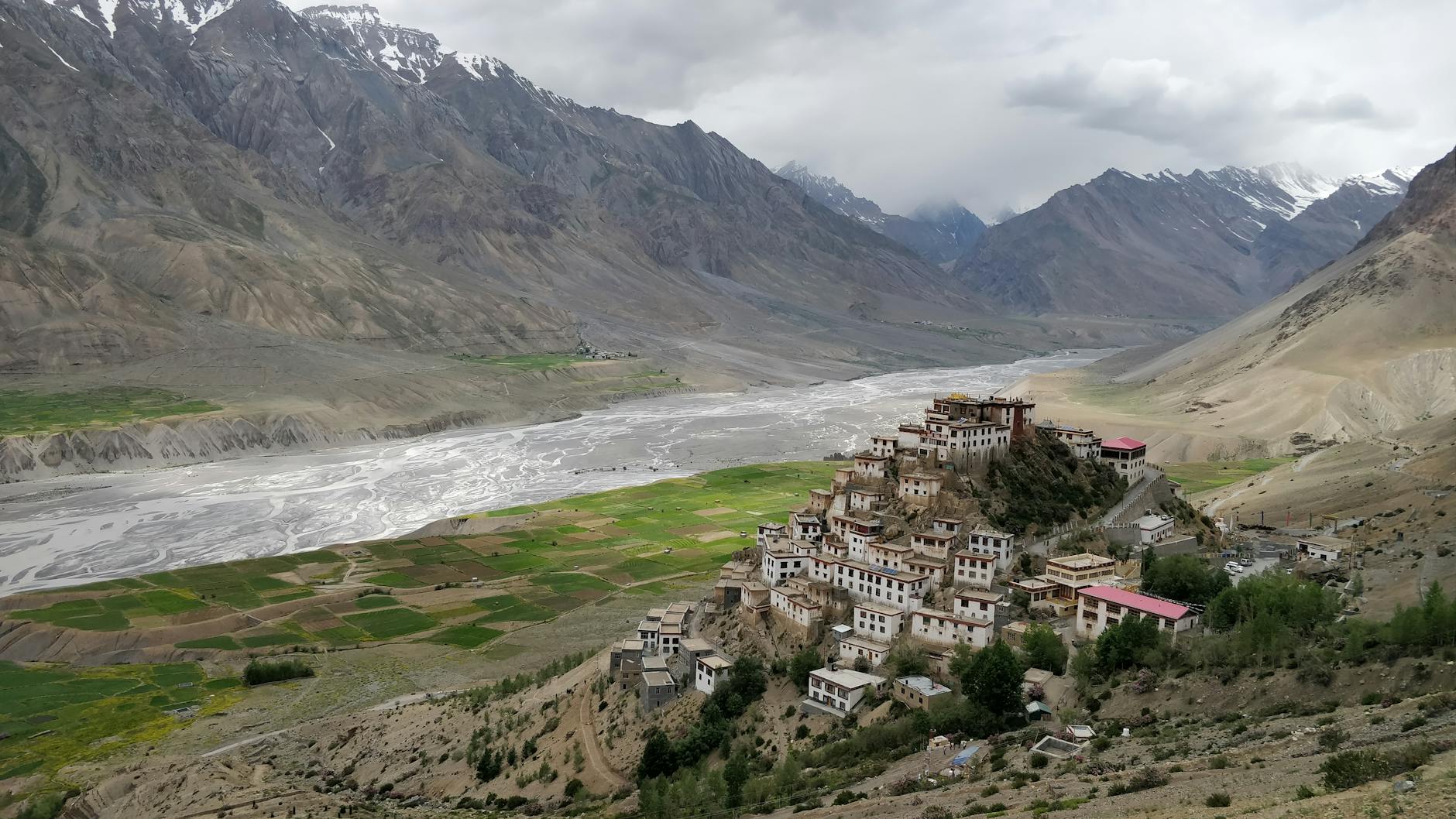
Day 5
Tabo - Kaza Via Dhankar
After breakfast, visit the ancient Tabo Monastery, known as the Ajanta of the Himalayas, with its stunning caves and rare Buddhist Thanka paintings. Later, explore Dhankar Monastery before continuing to Kaza for overnight stay. Tabo Monastery: Known as the "Ajanta of the Himalayas," Tabo Monastery is one of the oldest Buddhist monasteries in India, dating back to 996 AD. It features ancient caves and exquisite Thangka paintings that showcase the rich heritage of Buddhist art and culture. Dhankar Monastery: Perched dramatically on a cliff overlooking the confluence of the Spiti and Pin Rivers, Dhankar Monastery is a striking example of Himalayan architecture. It serves as a spiritual centre and offers stunning panoramic views of the surrounding mountains and valleys.
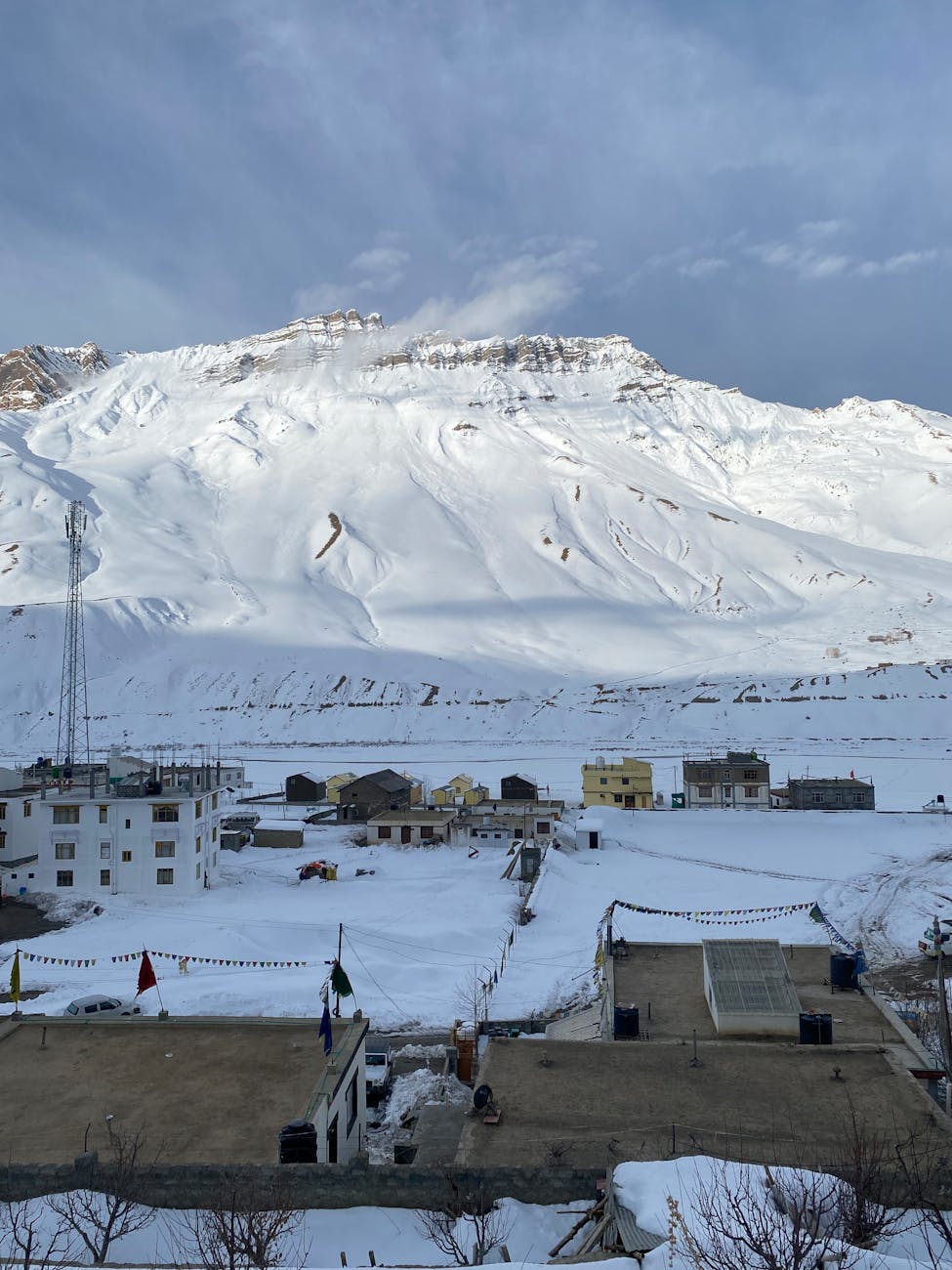
Day 6
Kaza Local & Nearby Villages
After breakfast visit the iconic Key Monastery and the scenic Kibber Village at 4205 m. drive to Chicham Bridge and Kunzum Pass (4590 m) before returning to Kaza for overnight stay. Visit the Villages Langza, and Enroute visiting the Komik and Hikim village. Hikkim village has a post office situated at an elevation of 4,400 m (14,400 ft) and this post office is one of the highest post offices in the world. One of the most famous landmarks of Komic village in Spiti valley is the iconic sign board by the public works department, which describes Komic as the “Highest village in world connected with motorable road”. By evening back to base at Kaza.
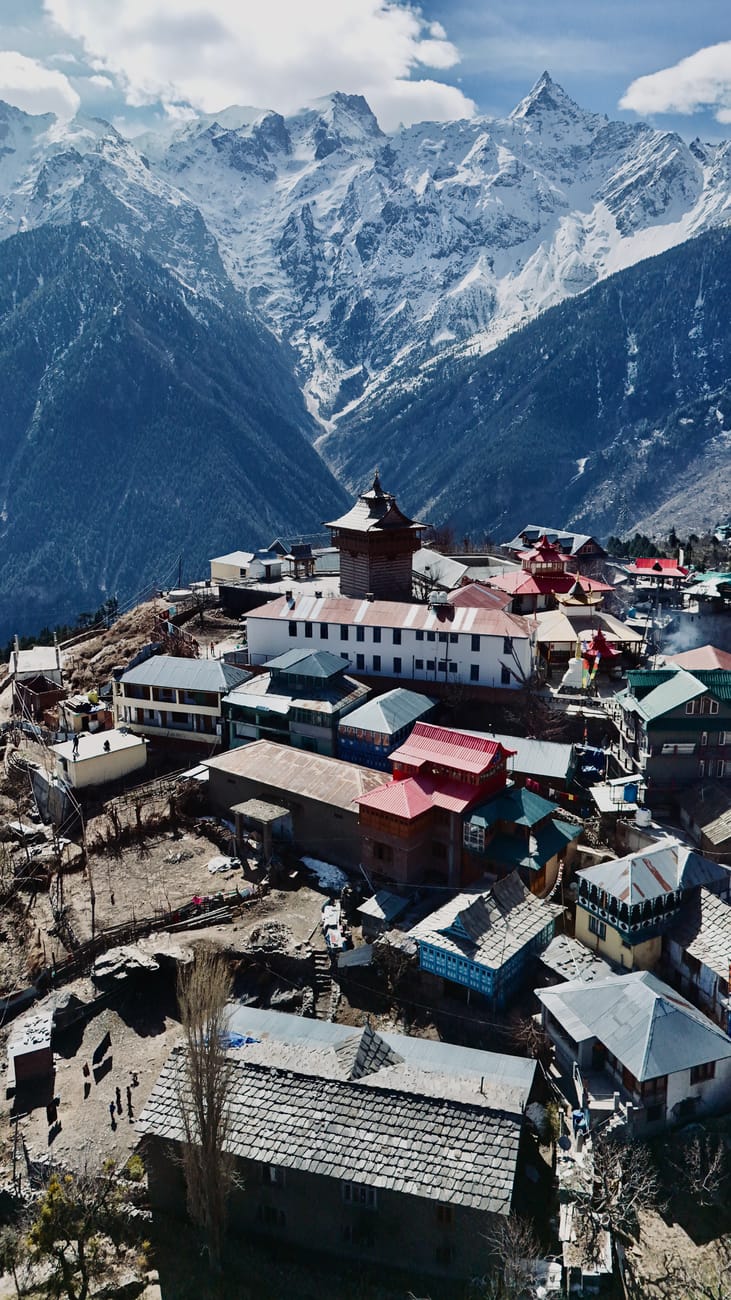
Day 7
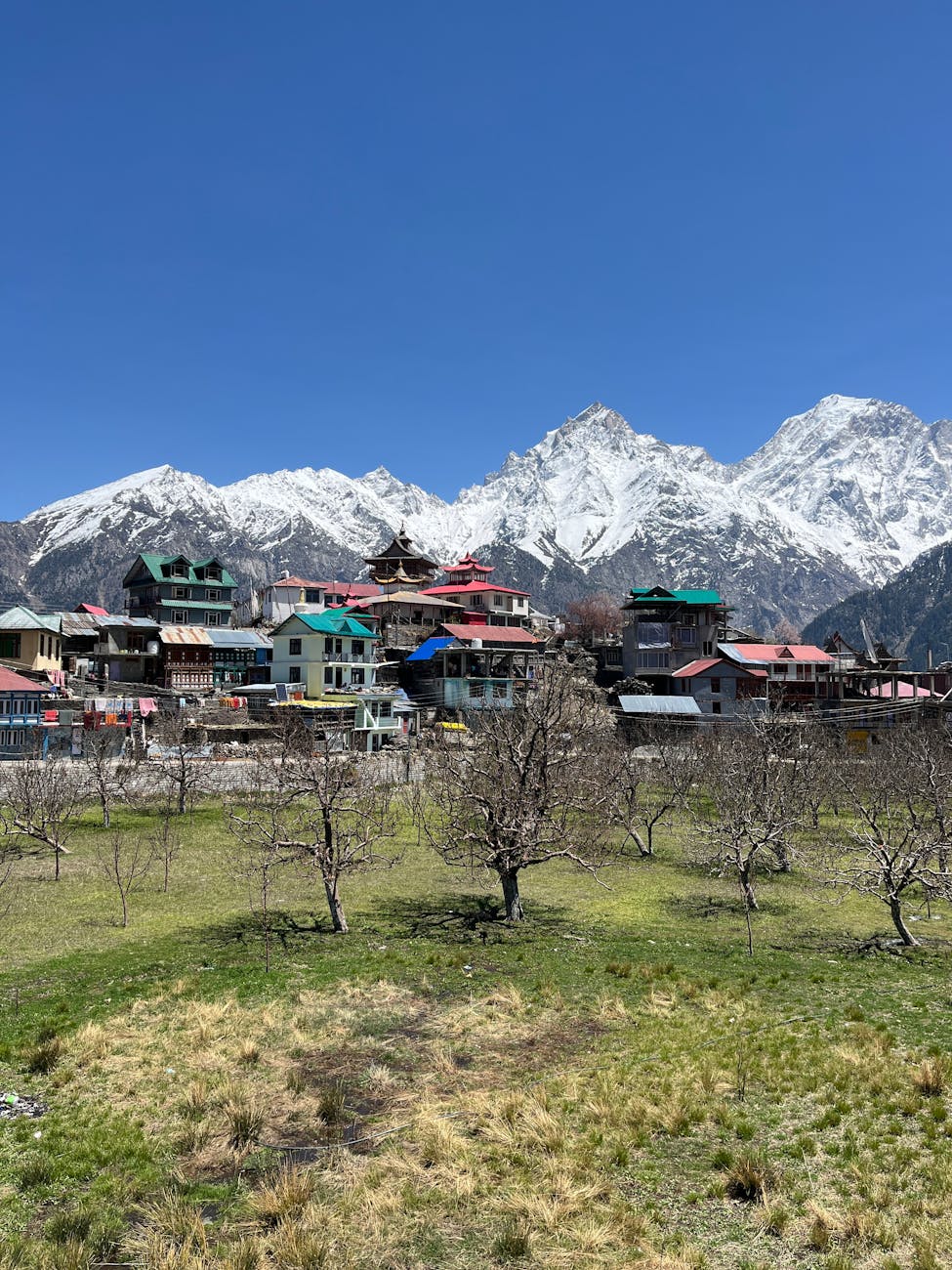
Kaza – Kalpa
After breakfast, check out and drive to Kalpa, the scenic district headquarters of Kinnaur, known for its stunning views of Jorkanden and Kinner Kailash peaks. After lunch and rest, visit Narayan Nagini Temple, walk to Roghi Village and stop at Suicide Point for stunning valley views. Narayan Nagini Temple Complex: A peaceful spiritual site featuring shrines dedicated to Hindu gods, Buddhist influences, and local deities. Showcasing the region’s unique religious harmony. Roghi Village: A scenic traditional village known for its wooden houses and terraced fields. Walk through narrow lanes and interact with locals to experience authentic pahari culture. Suicide Point: Located near Roghi Village, this Cliffside viewpoint offers breath-taking and dramatic views of the deep valleys and high mountains. Popular for photography and nature lovers. Kalpa Village: A serene and traditional Himalayan village, Kalpa offers stunning views of the snow- capped ranges and retains its centuries-old charm. Once called "Chini," it was the regional capital during colonial times. The architecture, apple orchards, and traditional lifestyle reflect the unique culture of the Kinnauri people. Jorkanden & Kinner Kailash Peaks: Towering above Kalpa, Jorkanden (6,473 m) is the highest peak in the Kinner Kailash range. The Kinner Kailash Peak is considered sacred by Hindus and is believed to be one of the mythological abodes of Lord Shiva. A unique rock formation resembling a Shivling (79 feet tall) stands here, dramatically changing colors throughout the day, depending on sunlight and weather conditions. An awe-inspiring sight clearly visible on a clear day. Hu-Bu-Lan-Kar Monastery: This ancient Buddhist monastery was founded by Rinchensang-po, a great translator and Buddhist scholar. Nestled in Kalpa, it is a peaceful place for reflection and prayer. With its prayer wheels, intricate murals, and scenic backdrop of mountains, it offers a quiet spiritual escape and insight into the region’s deep Buddhist roots.
Day 8
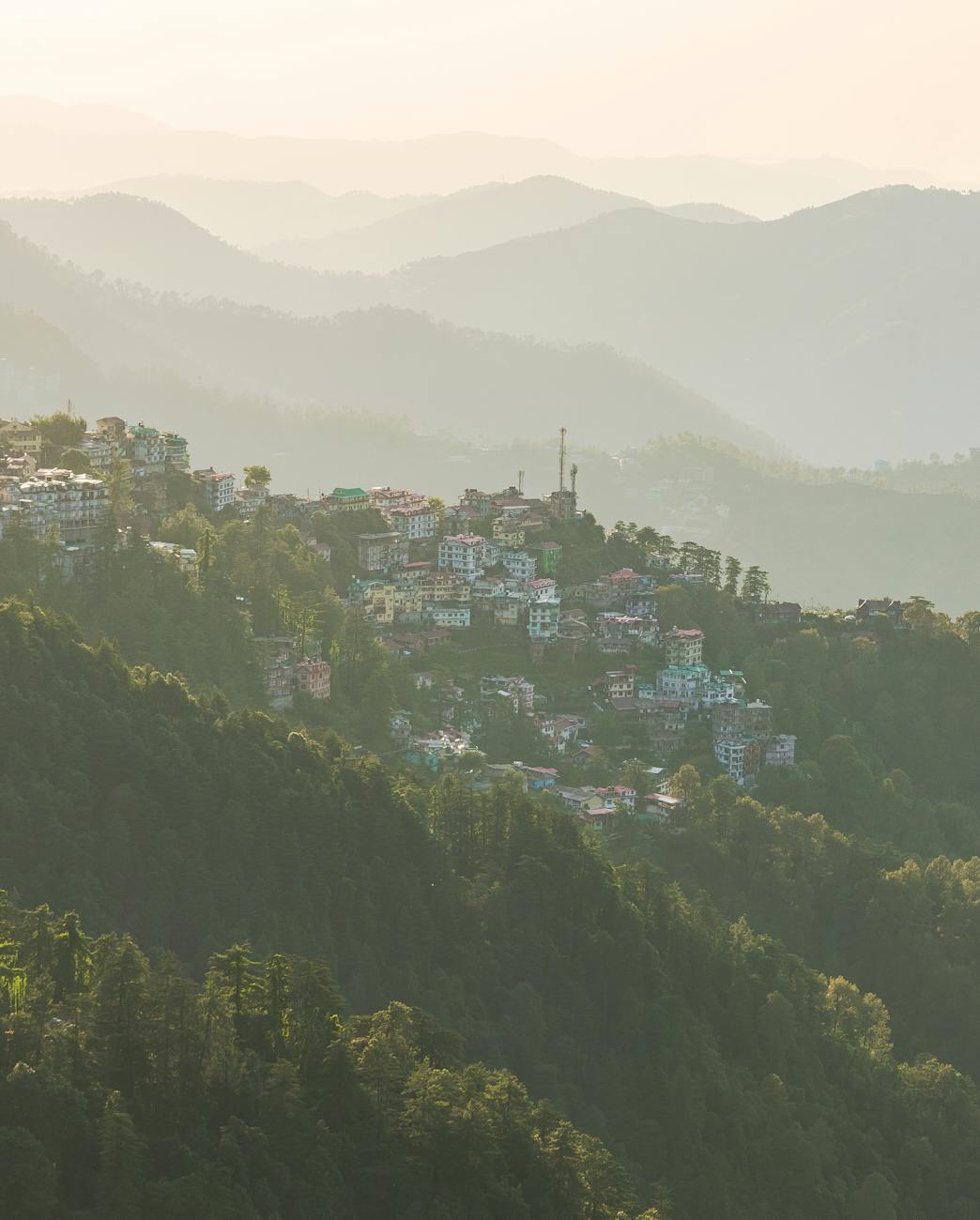
Kalpa to Shimla
After enjoying a hearty breakfast, check out from your hotel and begin the scenic drive back to Shimla. Relax and take in the beautiful landscapes along the way as you make your journey. Upon arrival in Shimla, check into your hotel and unwind for the evening. Enjoy a comfortable overnight stay, preparing for the next day’s adventures. Shimla: Once known as the Summer Capital of the British Raj and now the capital of Himachal Pradesh, Shimla remains one of India’s most beloved hill stations. Perched at an altitude of 2,200 meters, it captivates visitors with its old-world charm, colonial-era architecture, and the lively Mall Road and Ridge. Dotted with quaint shops, cosy cafés, and vibrant restaurants, making it a perfect escape for travellers seeking both nostalgia and natural beauty.
Day 9
Shimla to Chandigarh Drop
After breakfast, check out from the hotel and begin your journey to Chandigarh. Enjoy a comfortable drive through the scenic route as you head towards the city. Upon arrival, you will be dropped off at Chandigarh Airport or Railway Station for your onward travel. This marks the end of your memorable Himachal trip. COST PER PERSON
Where You'll Stay
Hand-Picked Hotels
Shimla
Snow Lotus
Sangla
Green Plaza
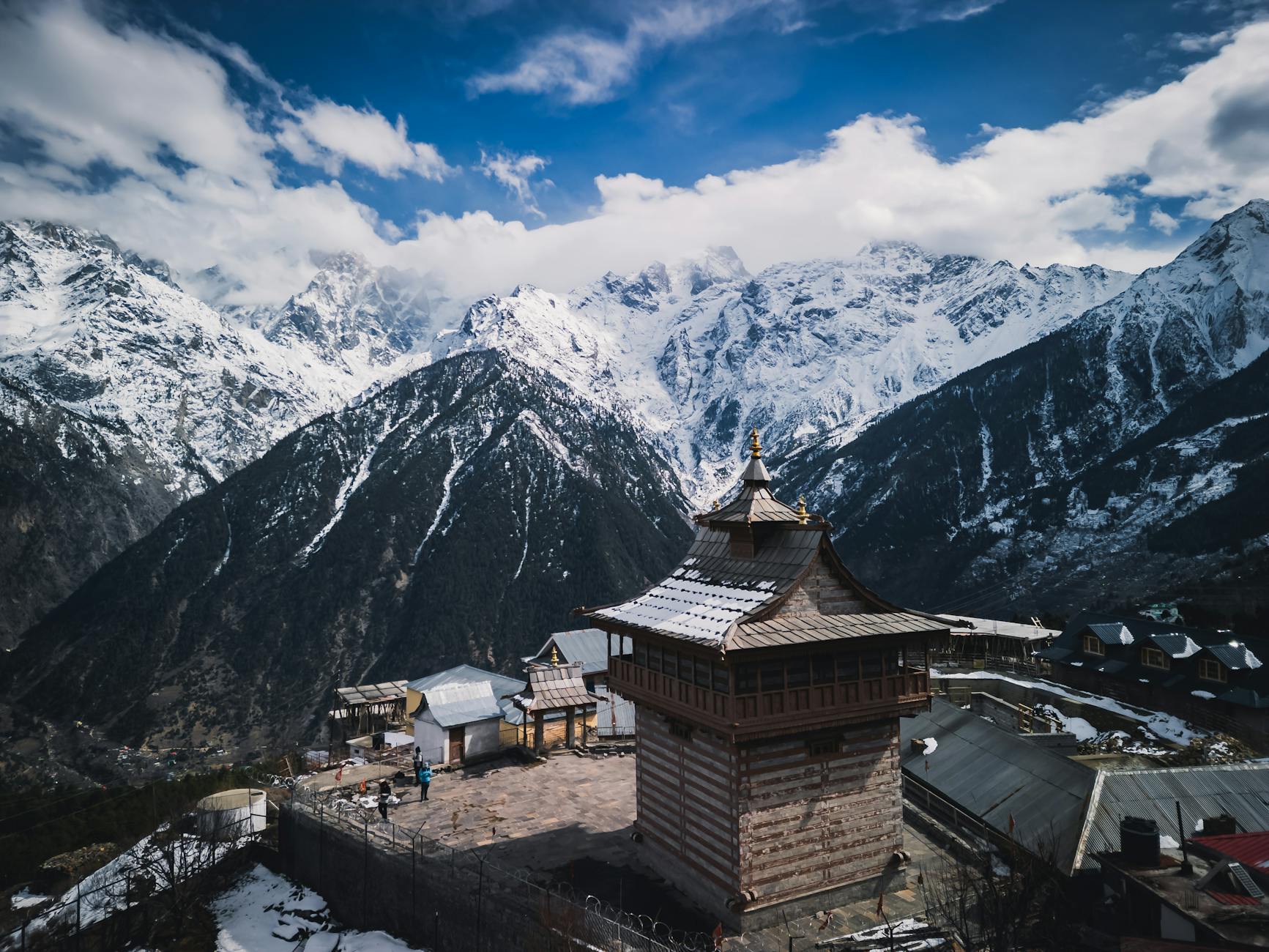
Kalpa
Apple Pie
Tabo
Pulkit Homestay
Kaza
Norbukhang Homestay
Shimla
Snow Lotus
Sangla
Green Plaza
Kalpa
Apple Pie
Tabo
Pulkit Homestay
Kaza
Norbukhang Homestay
Honestly
Things most travel sites won't tell you.
On-the-ground details your designer wishes every guest knew before they landed.
Things to Look Out For
India is not one country, climate-wise
Rajasthan in February reads dry-cold; Kerala in February reads humid-warm; Sikkim in February might be under snow. Pack for the specific itinerary, not 'India in general'. Tibro's per-state tours are tuned to one climate at a time. Don't try to chain three of them back-to-back.
Tipping is structured, not arbitrary
Driver tips at ₹500-1000 per day, guide tips at ₹500-1000 per half-day, hotel housekeeping ₹100 per day, restaurant 10% on top of any service charge already listed. Hand the driver/guide an envelope on the last day rather than tipping daily. It is more dignified for them.
Tap water and ice are a real consideration
Every Tibro-tier hotel provides sealed bottled water in the room daily. Use it for brushing your teeth too. At restaurants, ask for "sealed bottled water" specifically. Some places will pour from a filtered jug, which is fine in some kitchens and not in others. Ice is the hidden trap; ask for "no ice" with cold drinks unless the hotel makes its own.
- №1
India is not one country, climate-wise
Rajasthan in February reads dry-cold; Kerala in February reads humid-warm; Sikkim in February might be under snow. Pack for the specific itinerary, not 'India in general'. Tibro's per-state tours are tuned to one climate at a time. Don't try to chain three of them back-to-back.
- №2
Tipping is structured, not arbitrary
Driver tips at ₹500-1000 per day, guide tips at ₹500-1000 per half-day, hotel housekeeping ₹100 per day, restaurant 10% on top of any service charge already listed. Hand the driver/guide an envelope on the last day rather than tipping daily. It is more dignified for them.
- №3
Tap water and ice are a real consideration
Every Tibro-tier hotel provides sealed bottled water in the room daily. Use it for brushing your teeth too. At restaurants, ask for "sealed bottled water" specifically. Some places will pour from a filtered jug, which is fine in some kitchens and not in others. Ice is the hidden trap; ask for "no ice" with cold drinks unless the hotel makes its own.
The Details
What's Included
Included
- Accommodation in well-appointed rooms as per the package selected.
- Daily Breakfast and Dinner in the comfort of the Hotel
- Pick up and drop to Chandigarh Airport
- All Transfers and sightseeing as per the itinerary on point-to-point basis
- Tolls, Parking, Fuel, Driver allowance etc.
Not Included
- Any Train/airfare
- Any Kind of Personal Expenses or Optional Tours / Extra Meals Ordered
- Monument Entrances, Rafting, activities & Camel Safari Charges.
Plan Your Timing
When to Go
India has three windows for travel. October–March is the cool/dry season. The headline window, when most of the subcontinent is at its most welcoming. April–June is hot and increasingly dangerous in the north plains. July–September is the southwest monsoon. Beautiful for Kerala Ayurveda lovers, hard for sightseeing. This Kerala tour sits squarely in the post-monsoon clear window.
Kerala has two monsoons (southwest Jun–Aug heavy; northeast Oct–Nov a brief secondary). The Winters 25-26 departure window avoids both. Ayurveda treatments traditionally peak with the monsoon, but the tour itinerary itself works best in dry season.
Your Memoir
Here's how you'll remember it.
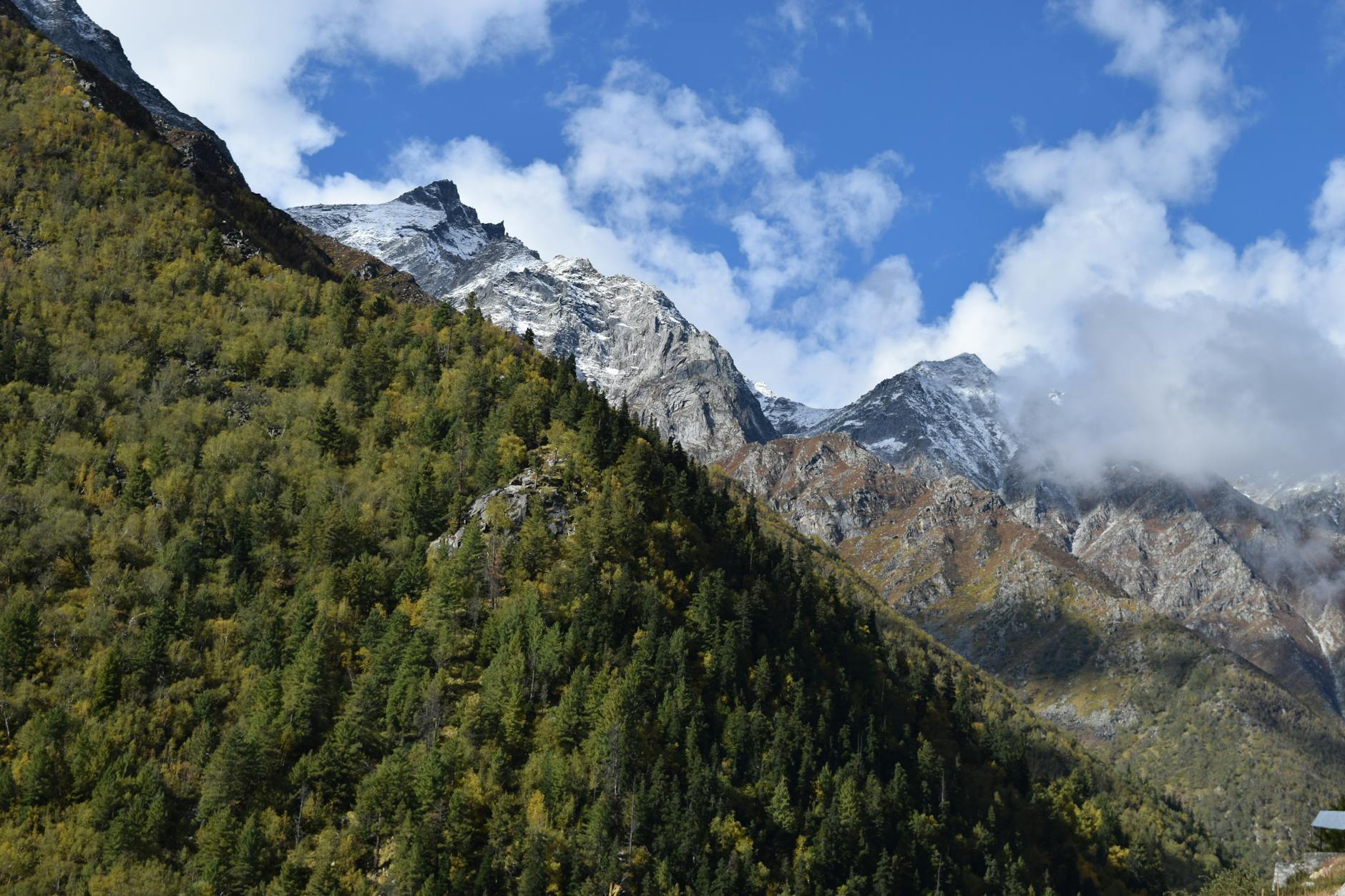
Vol. 58, A Tibro memoir, printed on archival paper, shipped after you return.
Enquire
Start the conversation.
Tell us your dates and preferences. A Tibro travel designer will respond within 24 hours.